
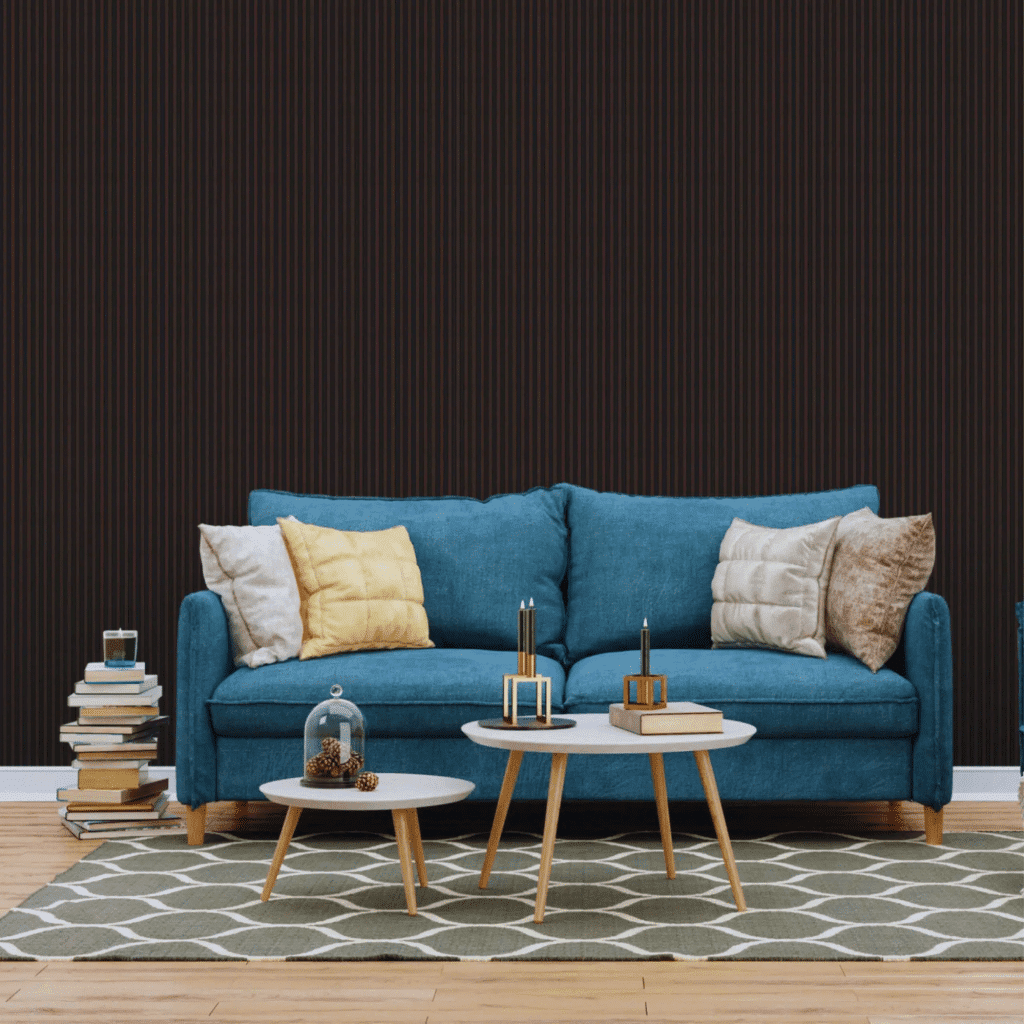
Are you looking to transform your space quickly and easily? Installing 3D wall panels could be the perfect solution for you.
These panels add depth, texture, and style to any room, making your walls stand out like never before. But how do you get started? In this guide, you’ll learn simple, step-by-step instructions to install 3D wall panels yourself—no special skills needed.
Keep reading, and by the end, you’ll have the confidence to create a stunning feature wall that impresses everyone who walks in.
Choosing The Right 3d Wall Panels
Choosing the right 3D wall panels is crucial for both the look and feel of your space. The panels you select will define the room’s character and influence the ease of installation. Taking the time to understand materials, designs, and the specific needs of your wall will save you headaches later on.
Materials And Designs
3D wall panels come in a variety of materials, each with its own advantages. PVC panels are lightweight and water-resistant, making them perfect for kitchens and bathrooms. MDF or wood panels offer a warm, natural vibe but need more care to avoid moisture damage.
Think about the style you want. Do you prefer modern geometric patterns, classic floral motifs, or something abstract? Your choice affects not just aesthetics but also how the panels interact with light and shadow. Have you considered how texture might change your room’s atmosphere?
Measuring Your Wall Space
Accurate measurements are essential before buying panels. Start by measuring the height and width of your wall, then calculate the total square footage. Remember to account for any windows, doors, or outlets that could affect panel placement.
Measure twice to avoid costly mistakes. It’s easier to order a little extra than to fall short mid-project. Do you have an irregularly shaped wall? Make a detailed sketch to help visualize panel alignment.
Tools And Supplies Needed
Having the right tools makes installation smoother and more precise. Basic supplies include a tape measure, level, adhesive suitable for your panel material, and a utility knife for cutting panels to size.
Additional tools like a saw or sanding block might be needed for trimming edges. Safety gear such as gloves and goggles is also important. Are you prepared with everything before starting? Gathering tools upfront avoids interruptions and keeps your momentum going.

Credit: dundeedeco.com
Preparing The Wall Surface
Preparing the wall surface is a crucial first step for installing 3D wall panels. A clean, smooth, and well-marked wall ensures the panels stick properly and look great. Skipping this step can lead to poor adhesion and an uneven finish.
Take time to prepare your wall carefully. This preparation will save you time and effort during installation. Follow these key tasks to get the wall ready for your 3D panels.
Cleaning And Repairing
Start by cleaning the wall thoroughly. Remove dust, dirt, grease, and loose paint with a damp cloth or sponge. Use mild soap if needed, then let the wall dry completely.
Check the wall for cracks, holes, or uneven spots. Fill small holes with spackling paste. For larger cracks, use a patching compound. Sand the repaired areas smooth after drying to create an even surface.
Priming The Wall
Apply a primer to improve panel adhesion. Choose a primer suitable for your wall type, like drywall or plaster. Use a roller or brush for an even coat. Let the primer dry fully according to the product instructions.
Priming seals the wall and prevents moisture from affecting the panels. It also helps the adhesive stick better and last longer.
Marking Panel Layout
Plan the panel placement before installation. Use a level and pencil to draw horizontal and vertical guidelines on the wall. These marks will help align the panels straight and evenly.
- Measure the wall width and height.
- Mark the center point to balance the layout.
- Draw lines to guide panel edges and seams.
Careful marking prevents gaps and crooked panels, giving your wall a professional look.
Installing 3d Wall Panels
Installing 3D wall panels can transform any room. They add depth and style effortlessly. Follow these steps for a smooth installation process.
Applying Adhesive
Choose the right adhesive for your wall type. Read the instructions on the adhesive package. Apply adhesive to the back of the panel. Use even strokes to cover all areas. Avoid applying too much to prevent mess.
Positioning The Panels
Start at the bottom of the wall. Position the first panel carefully. Align it with the floor and adjacent wall. Press firmly to ensure a good bond. Use a level to check alignment.
Securing And Aligning Panels
Secure the panel with gentle pressure. Make sure there are no gaps between panels. Use spacers if needed for even spacing. Repeat the process with the next panel. Check alignment frequently to maintain straight lines.

Credit: dundeedeco.com
Finishing Touches
Finishing touches are what transform your 3D wall panels from a simple installation into a striking feature of your space. They ensure the panels look seamless, polished, and durable. Paying attention to these final details will enhance the overall appearance and longevity of your wall.
Filling Gaps And Seams
After installing the panels, you might notice small gaps or seams where the edges meet. Filling these gaps is essential to create a smooth, continuous surface. Use a flexible caulk or joint filler that matches the panel material to avoid cracking over time.
Apply the filler carefully with a putty knife, pressing it into the gaps. Wipe away any excess before it dries to keep the surface clean. Have you checked all corners and edges thoroughly? Sometimes small gaps are easy to miss but can affect the final look.
Painting Or Sealing
Once the filler is dry, painting or sealing your 3D panels adds both color and protection. Choose a paint suitable for the panel material—latex paint works well for most types. If you prefer a natural finish, consider a clear sealer that enhances durability against moisture and stains.
Use a roller for large flat areas and a brush for detailed sections to ensure even coverage. Multiple thin coats usually give a better finish than one thick coat. Think about the room’s lighting and how the color or finish will change the panel’s 3D effect.
Cleaning And Maintenance Tips
Keeping your 3D wall panels clean preserves their look and saves you from costly repairs. Dust the panels regularly using a soft cloth or a vacuum with a brush attachment. Avoid harsh chemicals; instead, use mild soap and water for occasional cleaning.
Inspect your panels every few months for any signs of damage or loose edges. Promptly fixing small issues prevents bigger problems later. Do you have a cleaning routine in place for your walls? Consistency here makes a big difference in maintaining their impact.
Troubleshooting Common Issues
Troubleshooting common issues during the installation of 3D wall panels can save you time and frustration. These panels transform spaces beautifully, but uneven walls, loose panels, or damage can disrupt the look. Addressing these problems promptly helps maintain a smooth and professional finish.
Dealing With Uneven Walls
Uneven walls can make your 3D wall panels sit awkwardly or leave gaps. To fix this, first check the wall surface using a level or straightedge. If the wall has bumps or dips, use a filler compound to smooth out the problem areas before installation.
If the unevenness is minor, you might shim behind the panels to create a flat plane. Thin wooden strips or foam pieces work well here. Have you considered how much prep work your wall truly needs before sticking the panels on?
Fixing Loose Panels
Loose panels usually happen when the adhesive doesn’t bond well or the surface wasn’t clean. Clean the back of the panels and the wall thoroughly with rubbing alcohol to remove dust and oils. Then, reapply a strong, construction-grade adhesive specifically suited for your wall type.
Press firmly and hold the panel in place until it sets. Using finishing nails or screws discreetly can add extra security, especially in humid areas. Would adding mechanical fasteners change the look or durability of your installation?
Handling Damage And Repairs
Damage to 3D wall panels can occur from impacts or during installation. Small cracks or dents can be filled with wood filler or a matching putty. Once dry, sand it gently and touch up with matching paint or stain.
For larger damage, replacing the affected panel might be easier than repairing. Keep extra panels from your original purchase for such emergencies. How prepared are you with spares and repair materials before starting your project?

Credit: articture.com
Frequently Asked Questions
What Tools Are Needed To Install 3d Wall Panels?
You need a measuring tape, level, adhesive, utility knife, and a saw. These tools ensure precise cutting and secure panel attachment for a professional finish.
How Do You Prepare The Wall Before Installation?
Clean the wall thoroughly and remove any dust or grease. Ensure the surface is smooth and dry for better panel adhesion and durability.
Can 3d Wall Panels Be Installed In Bathrooms?
Yes, if panels are moisture-resistant or waterproof. Proper sealing and ventilation prevent damage from humidity and prolong panel life.
How Long Does It Take To Install 3d Wall Panels?
Installation typically takes 2-4 hours for an average room. Time varies by wall size, panel type, and installer experience.
Conclusion
Installing 3D wall panels can change any room’s look fast. The steps are simple and clear to follow. Take your time and measure carefully before starting. Use the right tools and materials for best results. Clean walls help panels stick better and last longer.
Enjoy the new texture and style your walls gain. Small effort brings big changes to your space. Try it yourself and see how easy it is. Your walls will look fresh and modern in no time.



