
Are you wondering how to position shelves on a wall so they look perfect and hold everything you need? Placing shelves might seem simple, but getting the right height, spacing, and alignment can make a huge difference in how your room feels and functions.
Imagine walking into your space and seeing shelves that not only fit your style but also make your life easier. In this guide, you’ll discover easy tips and tricks to hang your shelves like a pro, avoid common mistakes, and create a wall that truly works for you.
Keep reading, and you’ll be ready to transform your space with confidence.
Credit: www.familyhandyman.com
Choosing The Right Wall
Choosing the right wall is key to a successful shelf installation. The wall must support the weight of the shelves and their contents. It should also fit the room’s style and purpose. Proper wall choice makes shelves both useful and attractive.
Assessing Wall Material
Check the wall’s material before mounting shelves. Drywall is common but may need anchors for heavy items. Solid wood or brick walls hold weight better. Avoid thin paneling or hollow walls without reinforcement. Knowing the wall type helps pick the right tools and hardware.
Considering Room Function
Think about how you use the room. In a kitchen, shelves hold spices or dishes. In a living room, they display books or decor. Bedrooms need shelves for clothes or personal items. Choose a wall that fits the room’s main activities and storage needs.
Checking Wall Space Availability
Measure the wall space before placing shelves. Look for clear areas without windows or doors. Avoid walls cluttered with switches or outlets. Ensure enough height and width for the shelves you want. Proper spacing keeps shelves balanced and easy to use.
Selecting Shelf Types
Choosing the right type of shelf affects both function and style. Shelves hold items, so they must be strong and fit the room’s look. Different shelf types suit different needs. Consider the space, what will go on the shelf, and the wall type. This helps in picking shelves that look good and last long.
Floating Shelves
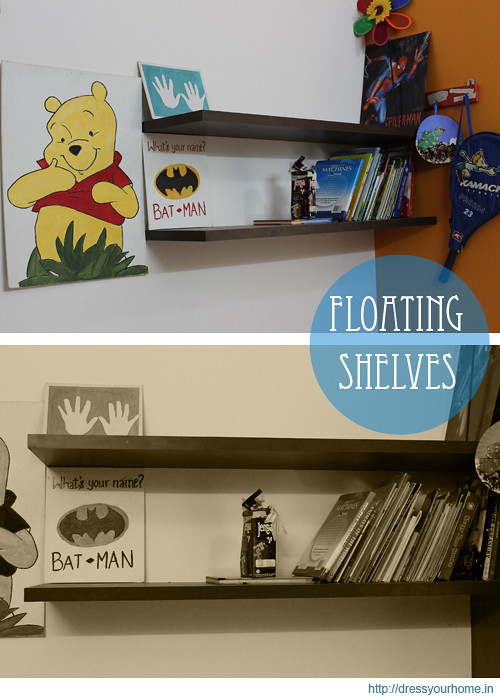
Floating shelves attach directly to the wall without visible supports. They create a clean, modern look. These shelves work well for light to medium items. Perfect for small rooms, they save space and keep walls uncluttered. Installation requires strong anchors to hold weight safely.
Bracket Shelves
Bracket shelves have visible supports underneath. These brackets add style and extra strength. They hold heavier items like books or kitchenware. Choose brackets made from metal or wood for durability. Bracket shelves come in many designs, fitting classic or rustic decor.
Corner Shelves
Corner shelves fit into room corners to use space efficiently. They are ideal for small rooms or awkward spaces. These shelves can be floating or bracket style. Perfect for displaying plants, photos, or small decorations. Corner shelves help keep surfaces clear and organized.
Measuring For Placement
Measuring for placement is the first step to install shelves that look balanced and function well. Accurate measurements prevent mistakes and save time. It also helps create a neat appearance on your wall.
Start by considering the use of the shelves and the room’s layout. Measure carefully to ensure shelves fit perfectly in the space. Use a tape measure and a level for precise results.
Determining Shelf Height
Choose a height that suits the items you want to store. Bookshelves usually sit between 48 and 60 inches from the floor. For kitchen shelves, consider the height of appliances and counters.
Mark the height lightly on the wall. Think about eye level for easy reach and display. Avoid placing shelves too high or too low to keep them practical.
Spacing Between Shelves
Allow enough space between shelves for your items. Standard spacing is often between 10 and 15 inches. Taller objects need more room, shorter items less.
Keep consistent gaps for a clean, organized look. Use a ruler or measuring tape to mark spacing. Double-check measurements before drilling or nailing.
Aligning With Furniture
Match shelf placement with nearby furniture to create harmony. Align shelves with the top or edges of furniture pieces. This makes the room feel balanced and intentional.
Measure the furniture height and width to guide shelf positioning. Leave enough space above furniture to avoid crowding. This alignment improves the room’s flow and style.
Tools And Hardware Needed
Tools and Hardware Needed Gather a tape measure, level, drill, and wall anchors to position shelves accurately. Use a pencil for marking spots. Ensure you have the right screws for your shelf type. Safety goggles are important to protect your eyes while drilling.
To successfully mount shelves on your wall, the right tools and hardware are crucial. They ensure your shelves remain sturdy and safe. Below, you will find essential tools, proper anchors, and safety equipment required for the task.Essential Tools
You need a few tools to start the project. A measuring tape helps ensure accurate placement. A level keeps your shelves straight. A drill creates holes for the anchors. A screwdriver secures screws into place. A pencil marks drilling spots on the wall. These tools form the basic kit for shelf installation.Choosing Proper Anchors
Anchors are vital for secure shelf mounting. Choose them based on your wall type. For drywall, plastic anchors work well. Masonry walls need metal or sleeve anchors. Heavy-duty shelves require toggle bolts. They provide extra support. Always match anchor size to screw size.Safety Equipment
Safety should be a priority. Wear safety goggles to protect your eyes. Use gloves to safeguard your hands. Ensure you have a stable ladder or step stool. It helps in reaching high spots. Keep a first-aid kit nearby for minor injuries. Prioritize safety throughout your project.Locating Wall Studs
Locating wall studs is essential before positioning shelves. Studs provide strong support to hold the weight of your shelves and items. Attaching shelves directly to drywall without studs can cause damage and risk falling shelves.
Finding the exact location of studs ensures your shelves stay secure and stable. Walls usually have studs spaced 16 or 24 inches apart. Identifying these helps you plan where to place brackets or screws safely.
Using Stud Finders
Stud finders are simple tools designed to detect studs behind walls. Hold the stud finder flat against the wall. Slowly move it horizontally across the surface. The device will beep or light up when it detects a stud.
Scan the wall multiple times to confirm stud locations. Mark each detected spot lightly with a pencil. Electronic stud finders work best on drywall walls.
Marking Stud Positions
After detecting studs, mark their positions clearly. Use a pencil to draw small vertical lines at the stud edges. Measure and note the distance between marks. This helps place shelf brackets evenly and avoid errors.
Double-check measurements before drilling. Marking accurately keeps shelves level and secure on the wall.
Alternatives When No Studs Are Found
Sometimes, studs may not be where you need them. In these cases, use strong wall anchors made for drywall. Toggle bolts and molly bolts provide extra support without studs.
Another option is to install a wooden board across multiple studs. Attach shelves to this board for better stability. These alternatives help maintain shelf safety without direct stud attachment.
Installing Shelves Step-by-step
Installing shelves on a wall requires careful preparation and precise actions. Follow these steps to ensure your shelves are strong and level. This guide covers marking drill points, drilling and anchoring, and securing the shelves.
Marking Drill Points
Start by measuring the desired height for your shelves. Use a pencil to mark the wall where the brackets will go. Check that the marks are level using a spirit level. Mark the spots where the screws will fit into the wall studs or anchors.
Drilling And Anchoring
Select the right drill bit for your wall type. Drill holes at the marked points carefully. Insert wall anchors if you are not drilling into studs. Anchors provide extra support and prevent the screws from pulling out.
Securing The Shelves
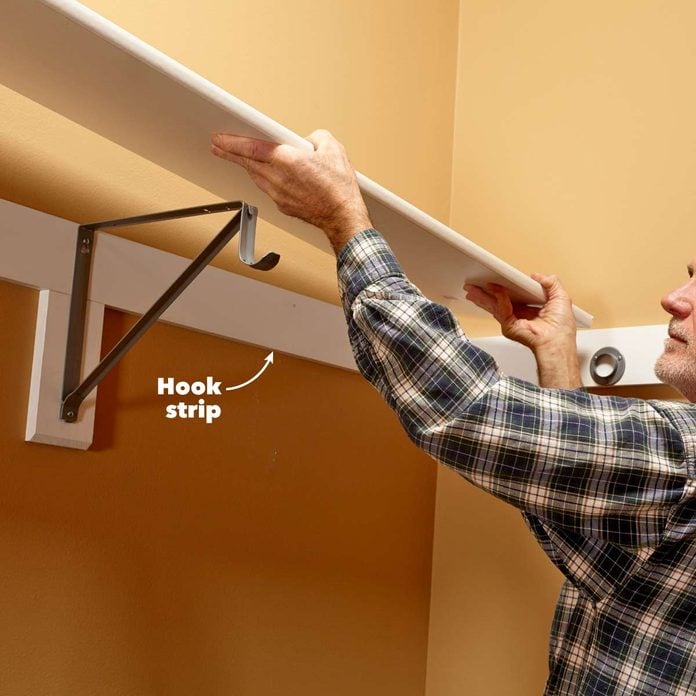
Attach the brackets to the wall using screws. Make sure the brackets are tight and stable. Place the shelf on the brackets and secure it with screws if needed. Double-check that the shelf is level and firmly fixed before placing any items on it.
Styling And Arranging Items
Styling and arranging items on your shelves can transform a simple storage solution into a statement piece. The key is to mix practicality with beauty, so your shelves don’t just hold things—they showcase them. Think about how each item interacts with the space and what story you want your shelves to tell.
Balancing Function And Aesthetics
Start by deciding what you need the shelves to do. Are they for books, collectibles, or everyday items? Prioritize frequently used items at eye level for easy access, while decorative pieces can fill the less reachable spots.
Mix different shapes and sizes to keep the arrangement interesting. Group similar items but avoid overcrowding; empty space can be just as powerful as objects. Ask yourself: does this arrangement make me want to use and enjoy the shelf, or does it feel cluttered?
Using Decorative Elements
Adding decorative touches like plants, candles, or art pieces brings personality to your shelves. Use items with different textures and colors to create contrast and draw the eye. Small frames or vases can break up rows of books and add visual interest.
Try layering by placing some objects in front of others. This adds depth and makes the display feel more dynamic. Don’t be afraid to rotate your decorations seasonally or whenever you want to refresh the look.
Maintaining Shelf Stability
Heavy items belong on the bottom shelves to keep everything stable and safe. Make sure your shelves are securely anchored to the wall, especially if you plan to display valuable or fragile objects. Check the weight limits of your shelves and distribute weight evenly.
If you have kids or pets, stability becomes even more important. Consider adding brackets or using wall anchors for extra support. Safety and style can go hand in hand when you plan carefully.
Common Mistakes To Avoid
Positioning shelves on a wall requires careful planning. Many people make mistakes that cause problems later. These errors can lead to unstable shelves or a cluttered look. Avoiding common mistakes helps keep shelves safe and attractive. Below are key errors to watch out for.
Ignoring Weight Limits
Each shelf has a weight limit. Overloading shelves can cause them to fall. Check the shelf’s maximum weight before placing items on it. Use strong brackets and anchors for heavy items. Proper weight distribution prevents damage to walls and shelves.
Poor Leveling
Uneven shelves look unprofessional and cause items to slide off. Use a level tool to keep shelves straight. Double-check measurements before drilling holes. Small mistakes in leveling can create big problems later. Always measure twice and adjust carefully.
Overcrowding Shelves
Too many items on a shelf create clutter and stress. Overcrowding hides the shelf’s design and makes cleaning hard. Leave space between objects for a neat appearance. Group items by size or theme to improve visual balance. A well-spaced shelf looks tidy and inviting.
Maintaining Shelves Over Time
Maintaining shelves over time ensures they remain both functional and visually appealing. Shelves often bear the weight of your favorite books, decor, or everyday items, so regular care is essential. Neglecting maintenance can lead to sagging, damage, or even accidents that could have been avoided.
Regular Checks
Take a moment every few months to inspect your shelves. Look for any signs of loosening screws, warping wood, or shifting brackets. Catching small issues early prevents bigger problems later.
Ask yourself: Are the shelves still level? Are the supports holding steady under the weight? Addressing these questions helps keep your shelves safe and sturdy.
Cleaning Tips
Dust and dirt can accumulate quickly, especially if your shelves hold decorative items. Use a soft cloth or microfiber duster to gently wipe surfaces without scratching.
For wooden shelves, a damp cloth with mild soap works well, but avoid soaking the wood. Glass shelves benefit from a standard glass cleaner to keep them sparkling clear.
Try to clean regularly to avoid buildup that can attract pests or cause discoloration over time.
Addressing Wear And Tear
Scratches, dents, and chipped paint are common on shelves exposed to daily use. Small damages can be fixed with wood filler or touch-up paint to keep the shelf looking fresh.
If you notice sagging, consider adding extra brackets or replacing worn supports. This prevents shelves from collapsing and protects your belongings.
Think about how you use your shelves daily—could rearranging heavy items reduce strain? Adjusting your setup might extend the life of your shelves significantly.

Credit: www.hgtv.com
Credit: dressyourhome.in
Frequently Asked Questions
How High Should Shelves Be Placed On A Wall?
Shelves should be placed at eye level or slightly above for easy access. Typically, 57 to 60 inches from the floor is ideal. Adjust height based on shelf purpose and user comfort to maximize usability and aesthetics.
What Tools Are Needed To Position Shelves On A Wall?
You need a level, measuring tape, pencil, drill, wall anchors, and screws. These tools ensure shelves are straight, secure, and properly aligned on the wall.
How To Find Studs For Secure Shelf Installation?
Use a stud finder to locate studs behind drywall. Mark stud positions with a pencil to anchor shelves safely. Attaching shelves to studs prevents damage and increases weight support.
Can Shelves Be Positioned Without Drilling Into Studs?
Yes, use heavy-duty wall anchors designed for drywall. These provide support for light to medium loads. Avoid placing heavy items without stud support to prevent shelf failure.
Conclusion
Proper shelf placement can change any room’s look and feel. Choose the right height for easy reach and good balance. Use a level to keep shelves straight and sturdy. Space shelves evenly to avoid clutter and make items stand out.
With simple steps and a bit of care, walls can become both useful and stylish. Try different layouts until the shelves feel just right. Small changes make a big difference in your home’s style and function.



