
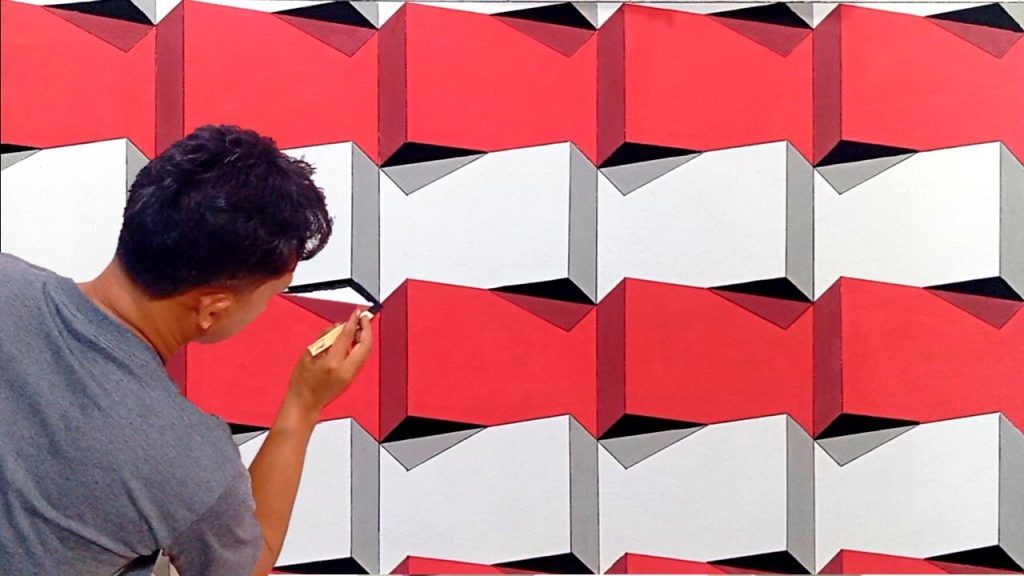
Are you looking to transform your space without spending a fortune? Painting 3D wall panels is one of the easiest and most effective ways to add depth and style to any room.
But if you’ve never done it before, you might wonder where to start or how to get that perfect finish. Don’t worry—this guide will walk you through each simple step, helping you bring your walls to life with color. By the end, you’ll have the confidence and know-how to turn your plain panels into a stunning feature that grabs attention.
Ready to make your walls pop? Let’s dive in!
Choosing The Right Paint
Choosing the right paint for your 3D wall panels is crucial for achieving the perfect look and durability. The texture and depth of these panels demand paint that not only adheres well but also highlights their unique design. Picking the wrong paint can lead to peeling, uneven coverage, or dull finishes that ruin the effect you want.
Types Of Paint For 3d Panels
Latex paint is a popular choice because it dries quickly and cleans up easily with water. It’s flexible enough to cover the contours of 3D panels without cracking.
For a more durable finish, especially in high-traffic areas, consider acrylic paint. It offers better adhesion and resistance to moisture. Oil-based paints give a smooth, glossy finish but take longer to dry and require solvents for cleanup.
Have you checked if your panels are made from materials like MDF or PVC? Some paints work better on specific surfaces, so always match your paint type with the panel material for the best results.
Color Selection Tips
Think about the room’s lighting before picking your color. Natural light will show true colors, but artificial lighting can change how shades appear on your 3D texture.
Neutral shades often enhance the shadows and highlights of 3D panels, creating a sophisticated look. Bold colors can make a statement but might overwhelm the space if the panel design is intricate.
Consider testing your chosen color on a small section first. Does it bring out the panel’s details or flatten them? Your walls should invite you in, not push you away.
Finish Options And Effects
Matte finishes hide imperfections but may dull the 3D effect. Satin or eggshell finishes strike a balance, offering subtle shine that emphasizes texture without glare.
High-gloss paint reflects a lot of light, making your panels pop dramatically. However, it can also highlight any surface flaws.
Want to add dimension? Try layering different finishes or using metallic paints on raised areas. This approach adds depth and interest, making your panels a focal point in the room.

Credit: www.youtube.com
Preparing The Surface
Preparing the surface is a vital part of painting 3D wall panels. A clean, smooth base helps paint stick better and last longer. Taking time to prepare ensures your work looks professional and vibrant.
Cleaning And Dust Removal
Start by wiping the panels with a dry cloth to remove loose dust. Use a damp cloth for stubborn dirt. Avoid soaking the panels with water. Let the surface dry completely before moving on.
Priming The Panels
Apply a primer designed for 3D wall panels. Primer helps paint adhere evenly and prevents peeling. Use a brush or roller for a smooth coat. Allow the primer to dry fully before painting.
Repairing Imperfections
Check the panels for cracks or dents. Fill small holes with spackle or filler. Sand the patched areas gently to create a flat surface. Clean off any dust before painting.
Essential Tools And Materials
Having the right tools and materials can make your experience painting 3D wall panels smoother and more enjoyable. It’s not just about slapping paint on the surface; you need equipment that allows you to reach every nook and cranny of those textured designs. Choosing the right brushes, rollers, and protective gear sets the stage for a professional-looking finish.
Brushes And Rollers
For 3D wall panels, standard brushes might not cut it. You’ll want a variety of brush sizes, especially angled and detail brushes, to reach deep grooves and edges. A small foam roller can help cover flat areas quickly without leaving brush marks.
Using a stiff-bristle brush helps push paint into textured areas, while a softer brush smooths out surfaces. Have you tried switching between brush types mid-project? It can save you time and improve coverage dramatically.
Spray Paint Equipment
Spray painting is a game-changer for 3D panels. It ensures even coverage without missing tiny crevices, something brushes or rollers struggle with. You can use an air compressor with a spray gun or a simple aerosol spray paint designed for textured surfaces.
Make sure to test spray paint on a small panel section first. This helps you adjust pressure and distance, preventing drips or uneven coats. Are you ready to try spray paint to speed up your project and get that flawless finish?
Protective Gear
Painting textured panels means paint particles can go everywhere. Always wear a good quality mask to avoid inhaling fumes or dust. Gloves protect your hands, and safety goggles keep your eyes safe from splashes or airborne paint.
Cover your floors and nearby furniture with drop cloths or plastic sheeting. This simple step saves cleanup time and keeps your space tidy. Have you ever skipped protective gear and regretted it? Taking these precautions makes the whole process safer and more comfortable.
Painting Techniques
Mastering painting techniques is key to making your 3D wall panels truly stand out. The way you apply paint can either enhance the depth and texture or flatten the entire effect. Let’s dive into practical ways to bring your panels to life through thoughtful painting approaches.
Base Coating Methods
Start with a solid base coat to create a uniform surface for further painting. Use a roller for larger panels to cover quickly and evenly, but switch to a brush for hard-to-reach corners or intricate designs.
Choose a primer suitable for the material of your panels—whether it’s wood, plastic, or MDF. This step ensures better paint adhesion and durability.
Highlighting 3d Textures
To emphasize the raised parts of your panels, apply a lighter shade or metallic paint using a dry brush technique. Lightly drag a nearly dry brush across the surface so only the tops catch the paint.
This subtle highlighting creates contrast and makes the textures pop, drawing attention to the panel’s details without overwhelming the design.
Blending And Layering Colors
Layering multiple colors can add dimension and interest. Start with a mid-tone base, then add darker shades in crevices and lighter colors on protrusions.
Blend the edges of each layer with a soft brush or sponge while the paint is still wet to avoid harsh lines. This technique gives your panels a natural, rich look that changes with the light.
Drying And Curing
Drying and curing are crucial steps when painting 3D wall panels. Proper drying ensures the paint adheres well and the panels maintain their look. Curing strengthens the paint, making it durable over time. Both processes need attention to avoid damage or uneven finishes.
Optimal Drying Conditions
Choose a well-ventilated room with moderate temperature. Ideal temperatures range from 60°F to 75°F (15°C to 24°C). Avoid extreme heat or cold, as they slow down drying or cause cracks.
Keep humidity low, around 40-50%. High humidity makes drying longer and can cause paint to peel. Use fans or air conditioning to improve airflow but avoid direct air on the panels.
Avoiding Common Drying Issues
- Do not touch the panels until fully dry. Touching causes smudges and marks.
- Avoid thick paint layers. Thick coats take longer to dry and may crack.
- Prevent dust or dirt from settling on wet paint. Cover the area if needed.
- Do not rush drying with heaters or direct sunlight. It leads to uneven drying and bubbles.
Maintenance And Touch-ups
Keeping your 3D wall panels vibrant requires regular maintenance and touch-ups. Proper care ensures their longevity and aesthetic appeal. Let’s explore easy ways to maintain and refresh your painted panels.
Cleaning Painted Panels
Dust your panels with a soft, dry cloth weekly. For deeper cleaning, use a mild soap and water solution. Gently wipe with a soft sponge, then dry with a clean towel. Avoid harsh chemicals or abrasive tools. These can damage the paint and texture.
Fixing Chips And Scratches
Small chips and scratches are common. First, clean the affected area with a damp cloth. Lightly sand the edges of the chip with fine sandpaper. Choose a matching paint color for touch-up. Apply a thin layer with a small brush. Allow it to dry completely before applying a second coat, if necessary.
Creative Ideas For 3d Panels
3D wall panels transform plain walls into stunning visual displays. Creative painting ideas can enhance their depth and texture. Bright colors, metallic shades, and lighting effects bring these panels to life. Explore ways to make your 3D panels a focal point in any room.
Accent Walls With Bold Colors
Bold colors highlight the three-dimensional shapes on your panels. Choose vibrant reds, blues, or greens to create a strong statement. Paint one wall with 3D panels and a bright color for an accent wall. This draws attention and adds energy to the room. Use contrasting colors to emphasize the panel patterns.
Metallic And Textured Finishes
Metallic paints add a modern, shiny look to 3D panels. Silver, gold, or copper tones reflect light and enhance texture. Use textured paint or add a glaze for extra depth. These finishes make panels appear more dynamic and interesting. They work well in living rooms, offices, or hallways.
Combining Paint With Lighting
Lighting changes how painted 3D panels look throughout the day. Position spotlights or LED strips to cast shadows on the panels. Shadows increase the sense of depth and shape. Use soft, warm lights for a cozy feel or bright lights for a bold effect. Experiment with different angles to find the best look.

Credit: www.youtube.com

Credit: commomy.com
Frequently Asked Questions
How Do I Prepare 3d Wall Panels For Painting?
Clean the panels thoroughly to remove dust and grease. Lightly sand the surface to improve paint adhesion. Use a primer suitable for the panel material. Allow the primer to dry completely before painting.
What Type Of Paint Works Best On 3d Wall Panels?
Use water-based acrylic or latex paint for flexibility and durability. These paints dry quickly and resist cracking. Avoid oil-based paints as they may damage some panel materials. Choose a finish that complements your room’s style.
Can I Paint 3d Wall Panels Without Removing Them?
Yes, you can paint panels while installed. Use painter’s tape to protect edges and surrounding walls. Apply primer and paint with a brush or roller carefully. Ensure even coverage on all panel surfaces and grooves.
How Many Coats Of Paint Do 3d Panels Need?
Typically, two coats provide full coverage and vibrant color. The first coat acts as a base, and the second enhances the finish. Allow each coat to dry fully before applying the next. This prevents peeling and uneven color.
Conclusion
Painting 3D wall panels can change any room’s look. Choose the right paint and tools for best results. Take your time and paint carefully for a smooth finish. Remember to let each coat dry fully before adding another. Small steps make a big difference in the end.
Enjoy the new texture and style your walls bring. This simple project adds depth and color easily. Try it yourself and see how much it improves your space.



