
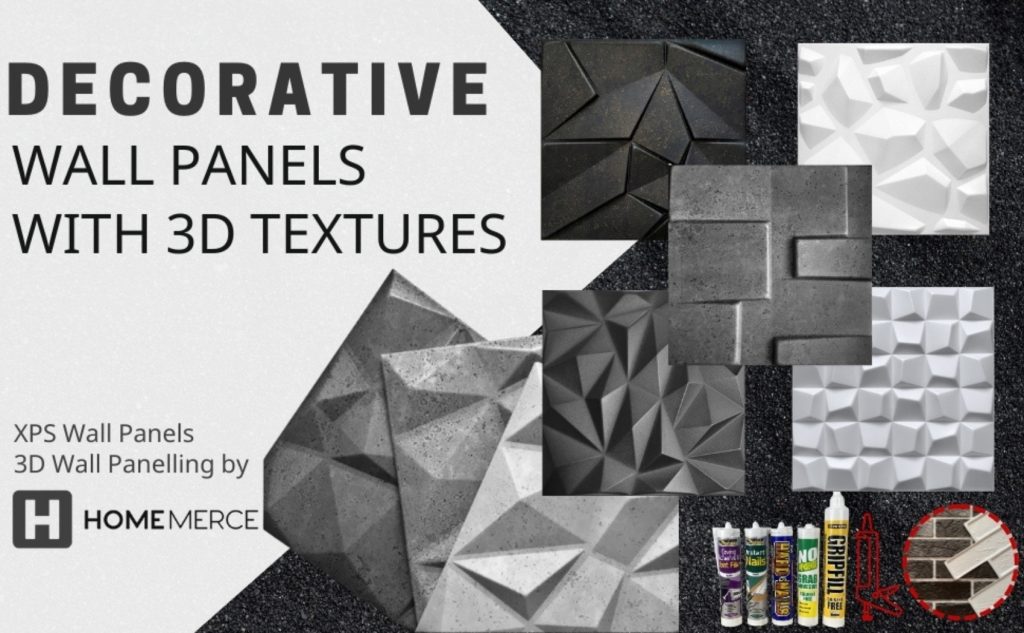
Are you curious about what gives 3D wall panels their unique look and feel? Understanding what these panels are made of can help you choose the right style and material for your space.
Whether you’re thinking about upgrading your home or office walls, knowing the basics behind these panels will make your decision easier and more confident. Keep reading to discover the materials that bring these eye-catching designs to life and how they can transform your environment.

Credit: www.ebay.ca
Popular Materials For 3d Wall Panels
Choosing the right material for 3D wall panels can dramatically change the look and feel of your space. Each material offers unique textures, durability, and aesthetic appeal that can suit different rooms and styles. Understanding popular options helps you make a choice that fits both your design vision and practical needs.
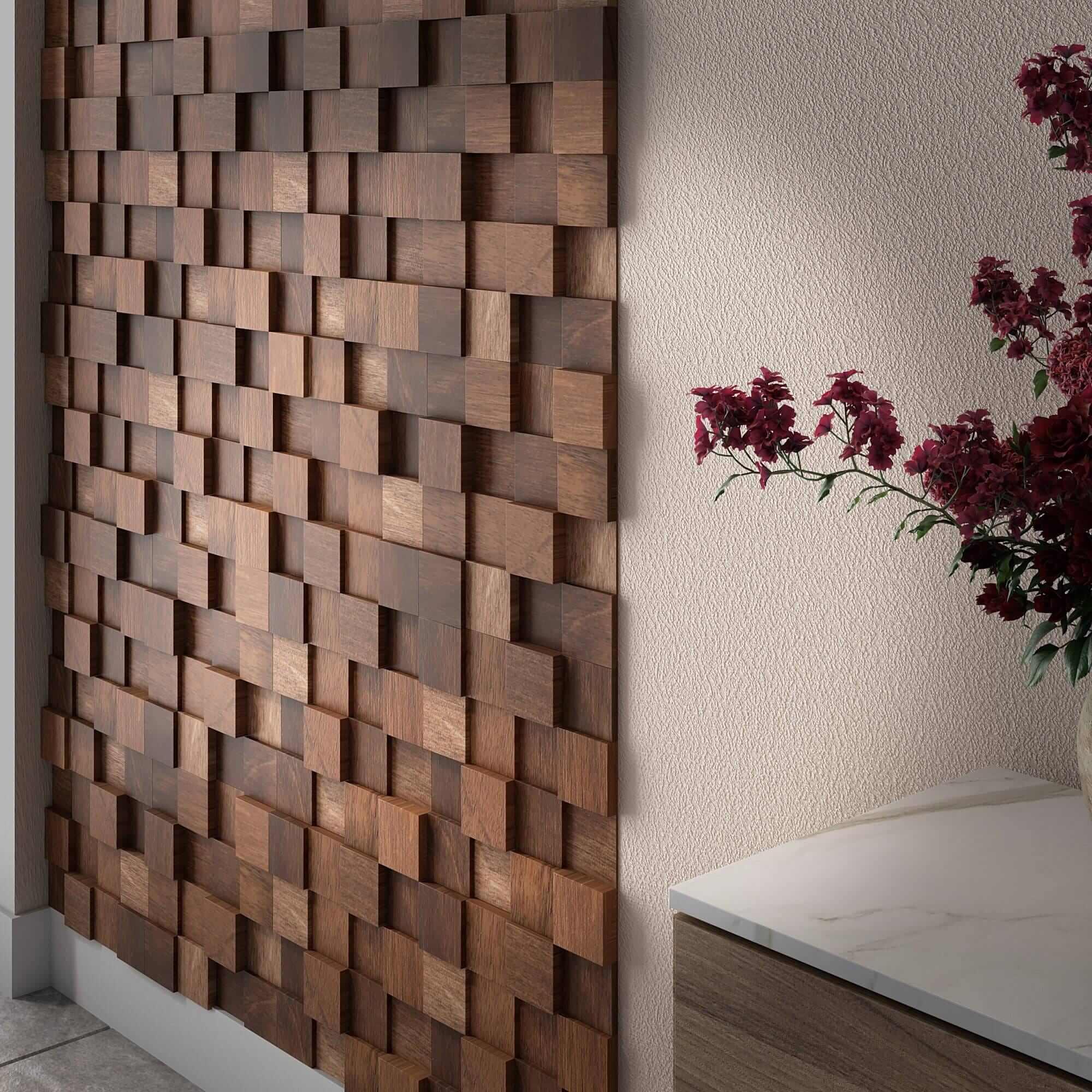
Mdf And Wood Variants
MDF (Medium-Density Fiberboard) and wood panels bring warmth and natural texture to any room. They are easy to paint, allowing you to customize colors and finishes effortlessly. Many homeowners appreciate the eco-friendly aspect when using sustainably sourced wood.
Wood panels can be carved or shaped into intricate patterns, giving you a rustic or modern look depending on the grain and stain. Have you considered how the natural variations in wood grain might add character to your walls?
Pvc And Plastic Options
PVC and other plastic-based 3D panels are lightweight and moisture-resistant, making them perfect for kitchens and bathrooms. They often come in a wide variety of styles and finishes, including glossy and matte surfaces. Their easy installation can save you time and effort during renovation.
One perk is their durability against humidity and stains, which means less maintenance over time. Would you prefer a material that stands up well to everyday wear and tear in busy areas?
Natural Stone And Minerals
Stone panels add a timeless, luxurious feel that can elevate any space instantly. Materials like slate, marble, or travertine provide natural color variations and textures that catch the eye. These panels are robust and offer excellent longevity.
Stone is heavier and requires professional installation, but the impact it creates is worth the effort. How might a stone accent wall change the atmosphere in your living room or entryway?
Metallic Finishes
Metal 3D panels introduce a sleek, industrial edge to your interior design. Options include aluminum, stainless steel, and copper, each offering reflective qualities and distinct colors. These panels often suit modern or urban-style spaces.
They are easy to clean and resist damage but can feel cold if overused. Could combining metallic panels with softer materials balance your room’s vibe?
Fabric And Textile Panels
Fabric-covered 3D panels bring softness and acoustic benefits to your walls. They come in various textures, from velvet to linen, adding depth and warmth to your décor. These panels can also help reduce noise, ideal for home theaters or bedrooms.
Installing fabric panels allows you to mix color and comfort in a unique way. Have you thought about how sound absorption might improve your space’s comfort?

Credit: commomy.com
Benefits Of Different Materials
Choosing the right material for 3D wall panels can change everything about your space. Each material brings unique benefits that affect how long your walls last, how they look, and even how much you spend. Understanding these differences helps you make smarter choices that fit your style and budget.
Durability And Maintenance
Some materials like PVC and fiberglass stand up well to moisture and scratches, making them ideal for busy areas or kitchens. Wood panels offer natural strength but might need regular sealing to avoid damage from humidity. Think about how much effort you want to put into cleaning and upkeep—do you prefer something low-maintenance or don’t mind a bit of care to keep the look fresh?
Aesthetic Appeal
Your choice of material can dramatically change the vibe of your room. MDF and gypsum panels provide smooth, crisp designs perfect for modern and minimalist interiors. If warmth and texture matter most, wood or bamboo panels add natural beauty and depth that you can’t get from synthetic options.
Cost Considerations
Budget plays a big role in what material you pick. MDF and PVC panels tend to be budget-friendly and widely available, making them great for large projects. More premium materials like natural wood or metal can cost more but offer a distinct look that might be worth the investment for focal walls.
Environmental Impact
Are you concerned about your environmental footprint? Natural materials like wood and bamboo are renewable and biodegradable, but they depend on responsible sourcing. Synthetic panels often use recycled materials but may not break down easily. Choosing eco-friendly options lets you align your home style with your values.
Choosing The Right Material For Your Space
Choosing the right material for your 3D wall panels can dramatically impact both the aesthetics and functionality of your space. The material you choose should align with your design goals while ensuring durability and ease of maintenance. It’s essential to consider factors like the environment where the panels will be installed and the level of customization you desire.
Indoor Vs Outdoor Use
3D wall panels are available for both indoor and outdoor applications, but not all materials are suitable for both environments. Indoor panels might be made of materials like MDF (Medium-Density Fiberboard) or gypsum, which are ideal for controlled environments. For outdoor use, opt for materials like PVC or metal, which can withstand weather elements.
Moisture And Temperature Resistance
If you’re planning to install panels in areas prone to moisture, such as bathrooms or kitchens, moisture-resistant materials like PVC or fiberglass are excellent choices. These materials prevent damage and maintain their appearance despite humidity. Consider temperature fluctuations as well; materials like metal panels can handle temperature changes better than wood.
Installation Techniques
The ease of installation can vary significantly depending on the material. Some panels come with interlocking edges, making DIY installation a breeze, while others may require professional help. Always ensure that the installation method suits your skill level and the time you can dedicate to the project.
Customization Possibilities
One of the exciting aspects of 3D wall panels is the ability to customize them to fit your design vision. Materials like MDF can be easily painted or finished to match your decor. On the other hand, metal panels might offer fewer customization options but provide a sleek, modern look.
Credit: www.craftivaart.com
Emerging Trends In 3d Wall Panel Materials
3D wall panels have evolved beyond basic materials. New trends focus on style, function, and sustainability. These innovations bring fresh options to modern interiors.
Eco-friendly Innovations
Many 3D wall panels now use recycled or natural materials. Bamboo, cork, and reclaimed wood are popular choices. These options reduce waste and lower environmental impact. Some panels also use biodegradable composites. They offer a green alternative without sacrificing durability.
Smart And Functional Panels
Panels with built-in technology are gaining traction. Some include sound-absorbing features for quieter rooms. Others have moisture-resistant coatings for bathrooms and kitchens. LED-integrated panels create ambient lighting effects. Smart panels combine design with practical benefits.
Mixed Material Designs
Combining different materials creates unique textures and depth. Designers mix wood with metal or stone with resin. This blend adds visual interest and tactile variety. Mixed materials allow for endless creative possibilities. They suit both rustic and modern decor styles.
Frequently Asked Questions
What Materials Are Used To Make 3d Wall Panels?
3D wall panels are made from various materials like PVC, gypsum, MDF, and plant fibers. Each material offers unique texture and durability, suitable for different interior designs and budgets.
Are 3d Wall Panels Eco-friendly?
Many 3D wall panels are eco-friendly, especially those made from natural fibers and recycled materials. They contribute to sustainable interior decor by reducing waste and using renewable resources.
Can 3d Wall Panels Be Painted Or Customized?
Yes, most 3D wall panels can be painted with suitable paint types. This allows customization to match any room’s color scheme and personal style preferences.
How Durable Are 3d Wall Panels?
3D wall panels are generally durable, resistant to impact and moisture depending on their material. Proper installation and maintenance enhance their lifespan significantly.
Conclusion
3D wall panels come in many materials like PVC, wood, and gypsum. Each type offers unique looks and benefits for your space. They add texture and style without much effort. Choosing the right material depends on your needs and budget.
These panels can transform plain walls into eye-catching features. Easy to install and maintain, they fit many rooms and styles. Think about durability, cost, and design before deciding. 3D wall panels bring depth and character to any room simply.



