
Are you looking for a fun and creative way to personalize your space? Making your own wall stickers is easier than you might think, and it gives you complete control over the design and style.
Imagine having unique decorations that reflect your personality and brighten up any room. In this guide, you’ll discover simple steps and handy tips to create wall stickers that stick perfectly and look amazing. Keep reading, and you’ll soon be turning your walls into your own personal art gallery.
Materials Needed
Before you dive into creating your own wall stickers, gathering the right materials is crucial. Having everything at hand makes the process smooth and enjoyable. It also helps you avoid those frustrating moments when you realize you’re missing a key supply halfway through.
Essential Supplies
- Adhesive vinyl sheets:This is the main material for your stickers. Choose vinyl that is easy to cut and sticks well to walls but peels off without damage.
- Cutting tool:A sharp craft knife or scissors works well to cut your designs precisely.
- Transfer tape:This helps you move your cut stickers from the backing paper to your wall without losing shape or alignment.
- Cutting mat:Protect your surfaces and keep your blade sharp by using a self-healing cutting mat.
- Design templates or stencils:Print or draw your designs beforehand. This guides your cutting and ensures your stickers look professional.
- Ruler and pencil:These basic tools help you measure and mark your designs accurately before cutting.
Optional Tools For Precision
- Vinyl cutter machine:If you want super clean edges and intricate designs, a vinyl cutter saves time and effort.
- Weeding tools:These are small picks and tweezers used to remove excess vinyl pieces from your design.
- Application squeegee:This flat, smooth tool helps you apply stickers evenly without bubbles or wrinkles.
- Cutting software:Programs like Cricut Design Space or Silhouette Studio can turn your digital designs into perfect cutting guides.
- Spray bottle with soapy water:Some people use this to apply stickers with a wet method, allowing easier repositioning.
Have you ever started a project only to realize you didn’t have the right blade or tape? Gathering these materials first will save you time and keep your creative momentum going. What design will you bring to life with your stickers?
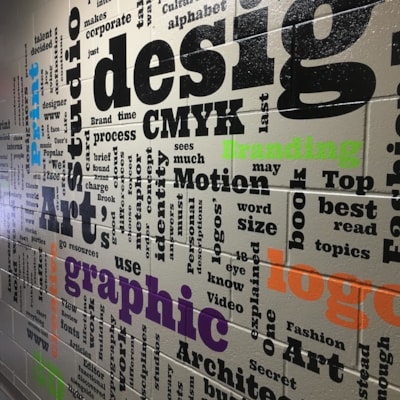
Credit: image360.com
Design Ideas
Design ideas set the tone for your wall stickers. A strong design makes your stickers stand out. It reflects your style and fits your space. Creativity plays a big role in creating unique wall art. Planning your design helps you produce stickers that you love.
Choosing Themes
Themes give your wall stickers a clear focus. Pick themes that match your room’s mood. Nature themes bring calm and freshness. Geometric patterns offer a modern and clean look. Kids’ themes add fun and color to play areas. Consider seasons or holidays for timely designs.
- Floral and botanical
- Animals and wildlife
- Abstract shapes and lines
- Inspirational quotes and words
- Cartoon characters and icons
Creating Custom Graphics
Custom graphics make your wall stickers truly personal. Use simple tools like drawing apps or graphic software. Start with basic shapes and add details slowly. Keep designs clear and bold for easy cutting. Use bright colors for eye-catching stickers. Scan hand-drawn sketches for a unique touch. Save designs in high resolution to keep quality.
Preparing Your Design
Choose a simple design that fits your wall space. Use clear lines and bold shapes for easy cutting. Make sure your design matches the style you want.
Preparing your design is an exciting phase in creating your own wall stickers. It’s the moment when your creativity takes the lead, and your ideas start to take shape. Whether you prefer digital methods or the tactile feel of hand-drawing, each approach offers unique benefits and can bring your vision to life.Using Software Tools
Digital tools like Adobe Illustrator or Canva can be your best friends. They allow you to experiment with colors, shapes, and sizes effortlessly. You can zoom in for details and quickly undo mistakes without leaving a trace. These tools offer a vast library of templates and elements. Perfect if you’re not confident in starting from scratch. Plus, they provide precision, ensuring your design is just right before printing.Hand-drawing Techniques
Prefer the old-school vibe? Hand-drawing your design can add a personal touch that digital tools can’t replicate. Grab your favorite sketchbook and start doodling. Use pencils for initial drafts, and switch to markers or pens for bold outlines. Consider using tracing paper to layer and refine your design. This method allows you to feel the texture of your creation, adding a unique dimension to your wall sticker. Which method resonates with you more? The digital precision or the personal touch of hand-drawing?
Credit: www.youtube.com
Printing Your Stickers
Printing your own wall stickers is where your creative design turns into a tangible product. The quality of your print directly affects how vibrant and durable your stickers will be. Paying attention to the right paper and printer settings can make a big difference in the final outcome.
Selecting Paper Types
Choosing the right paper is crucial for stickers that stick well and look professional. Vinyl sticker paper is a popular choice because it’s waterproof and flexible, perfect for smooth surfaces like walls. If you want a more eco-friendly option, look for biodegradable or recyclable sticker papers that still offer good print quality.
Glossy paper can make colors pop, but matte paper reduces glare and looks more subtle. Think about where you’ll place your stickers—glossy might work great in a bright room, while matte suits a cozy, low-light area. Don’t forget to check if your paper is compatible with your printer type, be it inkjet or laser.
Printer Settings Tips
Adjusting your printer settings can save you from wasted materials and disappointing results. Set your printer to the highest quality or photo print mode to get sharp details and vibrant colors. Also, select the correct paper type in your printer’s preferences to ensure the ink adheres properly.
Try printing a test sticker first to see how colors and edges look. If your design has fine lines, increase the print resolution to avoid blurry edges. Avoid using draft mode—it might save ink but will result in dull colors and poor adhesion.
Have you ever printed something and found the colors completely off? Sometimes, calibrating your monitor and printer can help match the colors better. This small step can save frustration and make sure your stickers look exactly how you imagined.
Cutting And Shaping
Cutting and shaping wall stickers is a key step in creating your own unique designs. This process defines the final look and fit of your stickers. Precise cuts make stickers look professional and neat. You can choose from simple manual tools or advanced cutting machines. Both methods work well depending on your budget and design complexity.
Manual Cutting Methods
Manual cutting uses basic tools like scissors and craft knives. It works best for simple shapes and small projects. Use a sharp blade for clean edges. A cutting mat protects your work surface and helps with accuracy. For curved lines, try slow and steady cutting. You can also use stencils to trace shapes before cutting. Manual cutting gives full control but takes more time.
- Use sharp scissors or craft knives
- Cut on a safe, flat surface with a mat
- Trace shapes with stencils for accuracy
- Work slowly for clean edges
Using Cutting Machines
Cutting machines offer speed and precision. These devices use digital designs to cut stickers automatically. They handle complex shapes and repeated patterns easily. Machines like Cricut or Silhouette are popular choices. Upload your design file, set the machine, and start cutting. They save time and reduce errors. Some machines also print and cut in one step. Perfect for larger projects or intricate designs.
- Choose a reliable cutting machine
- Prepare your design file digitally
- Load sticker material into the machine
- Adjust settings for material thickness
- Start cutting and watch the machine work
Credit: www.etsy.com
Applying Wall Stickers
Applying your own wall stickers can transform a space instantly. The key to a flawless look lies in how you prepare the surface and apply the stickers smoothly. Taking a little time with these steps saves you from peeling edges and air bubbles later.
Surface Preparation
Start by cleaning the wall thoroughly. Use a mild soap and water solution to remove dust, grease, or any residue that could prevent the sticker from sticking well.
After washing, make sure the wall is completely dry before you move on. Even a tiny bit of moisture can cause the sticker to lose adhesion over time.
If your wall has rough patches or old paint flakes, gently sand those areas. A smooth surface ensures the sticker lays flat without wrinkles or bubbles.
Smooth Application Techniques
Peel the backing paper off slowly, but don’t pull the sticker away from the wall too quickly. This helps you keep control and avoid stretching or tearing the design.
Start applying from one edge or corner, pressing the sticker down firmly with a flat tool like a credit card. Move gradually across the sticker, pushing out air bubbles as you go.
- If bubbles appear, use a pin to prick them gently and smooth the air out.
- Don’t rush this step—taking your time prevents mistakes that are hard to fix later.
Have you noticed how a bit of patience during application can make a huge difference in the final look? It’s worth slowing down for perfect results.
Removing And Reusing
Removing and reusing wall stickers lets you change your decor without waste. It saves money and keeps your walls fresh. Careful removal protects both the sticker and the wall surface. Proper storage keeps stickers ready for their next use.
Safe Removal Tips
- Peel slowly from one corner to avoid tearing.
- Use a hairdryer on low heat to soften the adhesive.
- Pull the sticker back gently at a 45-degree angle.
- Do not rush; quick removal can damage the sticker.
- Use a plastic scraper to lift edges if needed.
- Clean the wall with mild soap after removal.
Storage For Reuse
- Place stickers on wax paper or parchment to keep stickiness.
- Store in a flat, cool, and dry place to avoid warping.
- Use resealable plastic bags to protect from dust.
- Label each sticker for easy identification later.
- Avoid folding stickers to prevent creases.
- Check stickers before reuse to ensure they still stick well.
Troubleshooting Common Issues
Creating your own wall stickers can be a fun and rewarding project, but you might encounter a few hiccups along the way. Small problems like bubbles, wrinkles, or peeling edges can ruin the look of your sticker and test your patience. Don’t worry—these issues are common, and you can fix or even avoid them with some simple tips.
Avoiding Bubbles And Wrinkles
Bubbles and wrinkles often appear when the sticker isn’t applied smoothly. Make sure your wall surface is clean and dry before you start. Dust, grease, or moisture can cause the sticker to lift or trap air underneath.
Use a flat tool like a credit card or a squeegee to press the sticker down slowly. Start from one edge and move across to push out any air. If you notice a bubble forming, gently lift the sticker back up to that point and reapply.
Have you tried using a pin to poke tiny holes in stubborn bubbles? This trick lets trapped air escape without damaging your design. Just press the area flat again afterward.
Fixing Peeling Edges
Peeling edges usually happen because the sticker didn’t stick properly or the surface isn’t ideal. Check if your wall paint is glossy or textured—these surfaces can cause poor adhesion. If you face peeling, try pressing the edges down firmly with your fingers or a flat tool.
If the edges keep lifting, applying a small amount of clear craft glue underneath can help. Use a fine brush to avoid excess glue, then press the sticker back down. This little step can save your hard work from peeling away.
Have you noticed that temperature affects sticker adhesion? Applying stickers when the room is too cold or too hot can weaken the glue. Aim for a moderate room temperature to help the sticker stick better and last longer.
Frequently Asked Questions
How Do I Choose Materials For Wall Stickers?
Select vinyl sheets or adhesive paper for durability and easy application. Use printable vinyl if printing at home. Choose non-toxic, removable adhesives to protect walls and allow easy removal without damage.
What Tools Do I Need To Create Wall Stickers?
You need a cutting machine or craft knife, printable vinyl or adhesive paper, transfer tape, and a printer. Additional tools include a ruler, scissors, and a scraper for smooth application.
How Can I Design Custom Wall Stickers At Home?
Use graphic design software like Canva or Adobe Illustrator to create your design. Keep shapes simple and bold for easy cutting. Mirror your image if using iron-on vinyl.
How Do I Apply Homemade Wall Stickers Properly?
Clean the wall surface, peel off the backing carefully, and position the sticker. Use transfer tape to place the design smoothly. Press firmly and remove transfer tape slowly to avoid bubbles.
Conclusion
Making your own wall stickers is simple and fun. You need just a few materials and some creativity. Cut your designs carefully and use good adhesive paper. Try different shapes and colors to match your style. This project lets you decorate your space in a personal way.
Enjoy the process and see how your room changes. Start small, and soon you will have unique wall art. Making stickers yourself saves money and adds charm to any room. Give it a try and show your creativity!



