
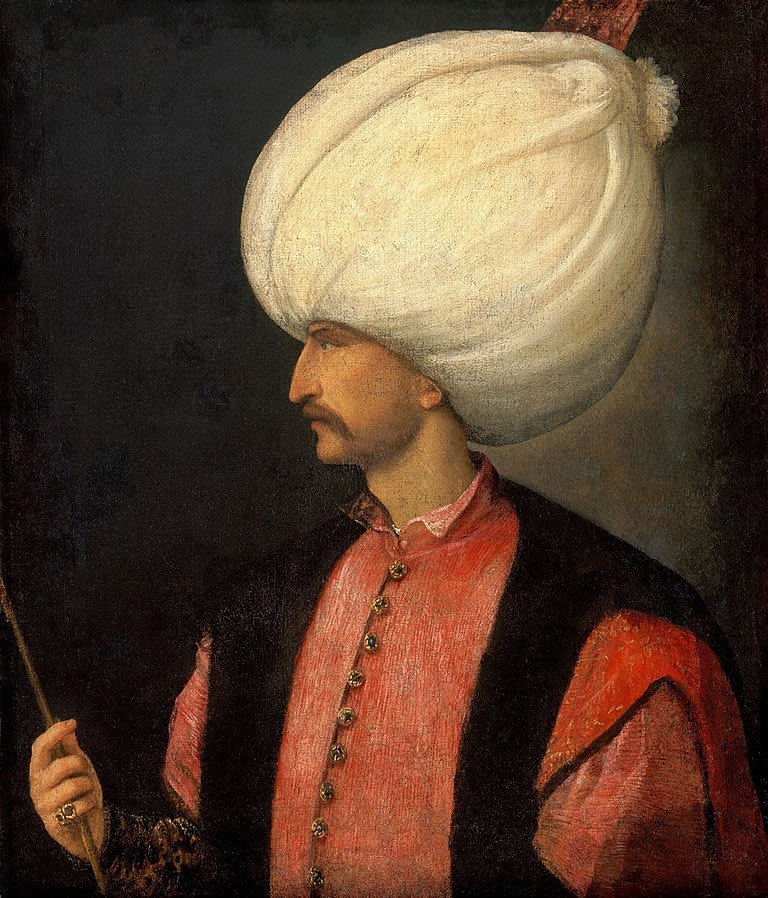
Have you ever wondered how one man could rule one of the largest empires in history with such skill and lasting impact? Suleiman the Magnificent wasn’t just a powerful leader; he was a master of governance.
If you want to understand the secrets behind his success and how he kept an empire thriving for decades, this article is for you. By exploring Suleiman’s unique approach to leadership, law, and administration, you’ll discover lessons that still matter today.
Keep reading to uncover how Suleiman governed the Ottoman Empire like no other ruler before him.
Credit: owlcation.com
Suleiman’s Rise To Power
Suleiman’s rise to power was a defining moment in the history of the Ottoman Empire. His journey from a prince to a ruler was marked by strategic moves and significant challenges. Understanding this rise helps you grasp how he set the stage for his long and impactful reign.
Early Life And Background
Suleiman was born in 1494 into the powerful Ottoman dynasty. His upbringing combined rigorous education with military training, preparing him for leadership from a young age. Growing up, he observed the workings of the empire closely, learning the importance of justice, culture, and military strength.
His early exposure to various cultures and languages gave him a broader perspective. This experience later helped him govern a diverse empire with many different peoples and traditions.
Path To The Throne
The path to becoming sultan was never straightforward. Suleiman had to navigate palace intrigues and family rivalries to claim the throne. His father, Selim I, was a strong leader who expanded the empire, and Suleiman inherited both the throne and high expectations.
What set Suleiman apart was his ability to combine military skill with political savvy. He quickly earned respect from his advisors and soldiers, showing he was ready to lead. This balance of strength and diplomacy made his claim to power more secure.
Consolidating Authority
Once on the throne, Suleiman focused on consolidating his authority. He reformed the legal system to ensure fairness and stability, which helped him gain the trust of his subjects. At the same time, he strengthened the military to defend the empire’s borders and expand its reach.
He also surrounded himself with capable advisors who helped manage the empire’s complexities. Have you ever thought about how important it is to build a strong team when stepping into a leadership role? Suleiman’s success shows that leadership is not just about power but also about collaboration and wise decision-making.
Administrative Structure
The administrative structure of the Ottoman Empire under Suleiman was highly organized. It allowed the empire to manage vast territories and diverse populations. The system balanced power between the central authority and local rulers. This ensured order and efficient governance across the empire.
Centralized Government
Suleiman strengthened the central government to control the empire tightly. The Sultan held supreme power but relied on a complex bureaucracy. This bureaucracy enforced laws, collected taxes, and maintained order. Centralized control helped unify the empire’s diverse regions under one rule.
Role Of The Grand Vizier
The Grand Vizier acted as the Sultan’s chief advisor and executive officer. He managed daily government affairs and led the imperial council. The Grand Vizier had authority to make decisions in the Sultan’s absence. This role was key to balancing power and ensuring smooth administration.
Provincial Governance
Provinces were governed by appointed officials called beys or pashas. They were responsible for local law enforcement, tax collection, and public order. These governors reported directly to the central government. This system kept local leaders accountable and tied to the Sultan’s authority.
Legal Reforms
Suleiman the Magnificent is often remembered not just for his military conquests but also for his profound impact on the legal framework of the Ottoman Empire. His legal reforms shaped the empire’s governance and justice system in ways that still resonate today. Understanding these changes reveals how he balanced tradition with innovation to maintain order and fairness.
Codifying Laws
Suleiman undertook the massive task of organizing and writing down laws, which helped reduce confusion and inconsistency. Before his reforms, many laws were based on oral traditions or scattered decrees, making enforcement unpredictable. By codifying laws, he created a clear and accessible legal code that judges and officials could rely on consistently.
This codification included both criminal and civil laws, covering everything from property rights to criminal punishments. Have you ever wondered how a legal system can keep so many diverse communities united? Suleiman’s approach shows the power of written laws in building trust and stability.
Balancing Sharia And Customary Laws
One of Suleiman’s key challenges was merging Islamic Sharia law with the empire’s various local customs and traditions. He respected Sharia as the religious foundation but understood that local customs needed room to function. This balance allowed people from different backgrounds to live under one system without feeling forced to abandon their traditions.
He introduced laws known as “Kanun” to address areas not covered by Sharia, such as taxation and criminal law. This dual system gave flexibility and helped prevent conflicts between religious leaders and local authorities. How do you think a legal system handles diversity in beliefs and practices effectively?
Impact On Justice System
Suleiman’s reforms made the justice system more transparent and fair, improving the lives of ordinary people. Courts became more organized, and judges had clear guidelines to follow, reducing corruption and arbitrary rulings. This boosted public confidence in the government and helped maintain peace across the empire.
His legal changes also empowered the state to act decisively in cases of crime and rebellion, protecting citizens and the empire’s stability. Imagine living in a society where laws are clear and fairly applied—how would that change your daily life? Suleiman’s legal reforms aimed to create just such a society.
Military Organization
Suleiman the Magnificent, often hailed as one of the greatest rulers of the Ottoman Empire, was known for his exceptional military organization. His reign saw the empire’s expansion to its zenith, thanks in part to a well-structured military system. Understanding the components of this system offers insights into how he maintained control and extended his reach across vast territories.
Janissary Corps
The Janissary Corps was the backbone of Suleiman’s military might. This elite group of soldiers was composed of conscripted Christian boys who were trained from a young age. Their loyalty was unwavering, as they were deeply integrated into the Ottoman system and had no ties to rival factions.
Imagine being a young boy taken from your homeland, trained rigorously, and transformed into a disciplined soldier. This was the life of a Janissary. They were a formidable force in battles, feared for their discipline and skill.
Naval Power
Suleiman’s naval power was another crucial aspect of his military organization. The Ottoman fleet played a vital role in controlling key maritime routes and securing the empire’s borders. The Mediterranean, known for its strategic importance, became a playground for Ottoman naval dominance.
Picture vast fleets, their sails billowing in the wind, navigating through important trade routes. This naval strength not only protected the empire but also facilitated trade and communication across regions. How might this have impacted global trade dynamics during Suleiman’s era?
Campaign Strategies
Suleiman was a master strategist, and his campaign strategies were carefully planned and executed. He understood the importance of timing, terrain, and psychological warfare. Each campaign was a calculated move, often surprising his adversaries and gaining the upper hand.
Consider the meticulous planning that went into each military campaign. From securing supply lines to gathering intelligence, every detail was crucial. Would you have the patience and foresight to plan such complex operations?
These elements of Suleiman’s military organization were not just about power but about maintaining a legacy. They highlight the importance of structure and foresight in governance. What can modern leaders learn from Suleiman’s approach to military organization?
Economic Policies
Suleiman the Magnificent’s economic policies played a key role in strengthening the Ottoman Empire. He focused on balancing state revenue with the empire’s growth. His approach helped create a stable and prosperous economy. Careful planning and wise management marked his rule.
Taxation System
Suleiman improved the taxation system to be fair and efficient. Taxes were collected based on land and production. Farmers paid taxes depending on what they grew. This system encouraged people to work hard and produce more. Officials checked tax collectors to prevent abuse. Tax revenues funded the empire’s needs without burdening citizens.
Trade And Commerce
The empire’s location made it a trade hub between East and West. Suleiman supported merchants and protected trade routes. Markets thrived under his rule, attracting traders from many lands. He encouraged the use of standardized weights and measures. This made trading easier and safer. Trade laws ensured fair business and reduced theft.
Public Works And Infrastructure
Suleiman invested in building roads, bridges, and ports. These projects improved travel and trade across the empire. He also built public baths, schools, and mosques. These structures served communities and boosted local economies. Water supply systems were expanded to support cities. Public works helped unify the empire and raise living standards.

Credit: medium.com
Cultural And Religious Policies
Suleiman the Magnificent didn’t just rule with military might—his cultural and religious policies shaped the heart of the Ottoman Empire. His approach balanced artistic growth, respect for diverse beliefs, and the solid grounding of Islamic law. This blend helped maintain harmony and inspired creativity throughout his reign.
Patronage Of Arts
Suleiman was a great supporter of the arts. He funded architects, poets, and painters, which led to a vibrant cultural scene. The famous architect Mimar Sinan designed stunning mosques and buildings that still stand today.
By investing in the arts, Suleiman made the empire a center for creativity. This support gave artists the freedom to innovate and express their culture. How might your own environment change if creativity was actively encouraged like this?
Religious Tolerance
The Ottoman Empire under Suleiman was home to many religions. He allowed Christians, Jews, and Muslims to practice their faith freely. This tolerance helped reduce conflict and kept the empire stable.
Suleiman’s policies ensured that non-Muslims could govern their own communities under their religious laws. This practical respect for diversity is a lesson in leadership for anyone managing different groups. How do you handle diversity in your community or workplace?
Promotion Of Islamic Law
Suleiman also strengthened Islamic law to unify the empire’s legal system. He updated laws to be fairer and clearer, which helped maintain order. His legal reforms affected daily life, from property rights to criminal justice.
This focus on justice helped people trust the government and follow the rules. When laws are clear and just, society runs smoother. What laws or rules in your life help you feel secure and treated fairly?
Legacy Of Suleiman’s Rule
Suleiman the Magnificent left a powerful legacy that shaped the Ottoman Empire for centuries. His rule blended military strength with wise governance. The empire grew rich in culture, law, and administration. Suleiman’s leadership set standards that influenced future rulers and the broader Islamic world.
Enduring Legal Code
Suleiman created a legal code known as the Kanun. It balanced religious law with state needs. This code covered criminal, civil, and financial rules. It helped keep order and justice across diverse lands. The Kanun remained a key legal foundation long after his reign ended.
Influence On Successors
Suleiman’s successors followed his model of strong, fair leadership. They kept expanding and governing the empire using his policies. Many rulers copied his methods in law and military. His reign became a benchmark for Ottoman sultans. This helped maintain the empire’s unity and power.
Historical Significance
Suleiman’s rule marked the peak of Ottoman power. His achievements in law, culture, and military strength are still studied today. Historians view him as one of the greatest Muslim leaders. His era brought peace and prosperity to many regions. The empire’s legacy under Suleiman continues to inspire worldwide.

Credit: en.wikipedia.org
Frequently Asked Questions
How Did Suleiman Structure The Ottoman Government?
Suleiman organized the government with a clear hierarchy. He appointed viziers and officials to manage provinces. The Sultan maintained ultimate authority. This system ensured efficient administration and control over the vast empire.
What Role Did Suleiman’s Legal Reforms Play?
Suleiman introduced the Kanun, a set of secular laws complementing Islamic Sharia. These reforms improved justice and governance. They standardized laws across the empire, promoting fairness and stability under his rule.
How Did Suleiman Manage Provincial Administration?
He appointed loyal governors called Beylerbeys to oversee provinces. These governors collected taxes, maintained order, and enforced laws. Suleiman ensured they remained accountable to central authority, strengthening imperial control.
What Was Suleiman’s Approach To Military Governance?
Suleiman maintained a strong, disciplined army with elite Janissaries. He combined military prowess with administrative skill. This balance helped him expand the empire and secure internal stability.
Conclusion
Suleiman led the Ottoman Empire with strong laws and clear rules. He balanced power and justice to keep the land united. His leadership helped the empire grow rich and safe. People respected his fairness and vision. Suleiman’s way of governing still teaches us about good leadership today.
His legacy lives on in history and culture. A ruler who combined wisdom with strength. A story worth remembering.



