
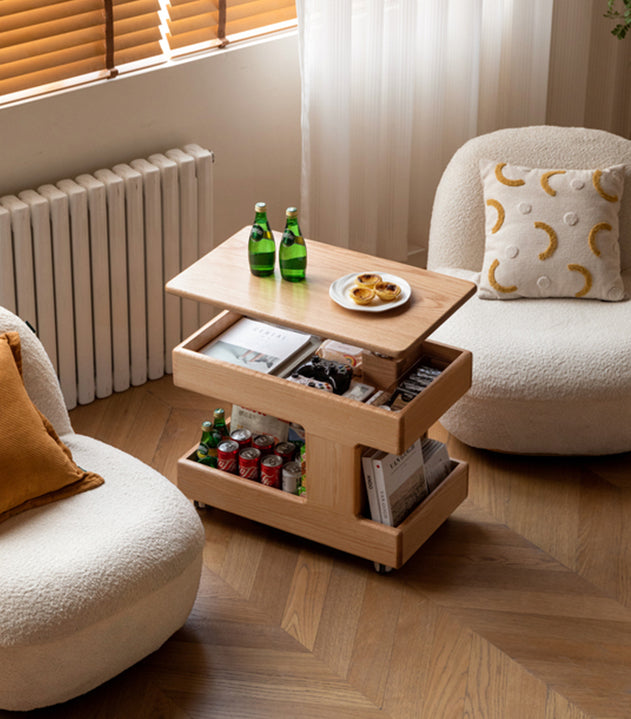
Are you wondering if your coffee table and end tables need to match perfectly? You’re not alone.
Many people struggle with this question when decorating their living rooms. The good news is, your space doesn’t have to look boring or overly planned. In fact, mixing things up can bring a fresh, stylish vibe to your home. But how do you make sure different tables work well together without clashing?
Keep reading, and you’ll discover simple tips to create a balanced, eye-catching look that feels just right for you.

Credit: www.castlery.com
Benefits Of Mixing Coffee And End Tables
Mixing coffee and end tables offers many benefits for any living space. It breaks the uniform look and adds character to your room. Combining different styles or materials can create a fresh and inviting atmosphere.
Choosing mismatched tables also allows you to express your creativity. It makes your space feel more relaxed and personal. This approach works well with various interior designs, from modern to rustic.
Creating Visual Interest
Using different coffee and end tables draws the eye around the room. It stops the space from looking flat or boring. Variety in shapes, colors, and textures creates a lively and dynamic feel. This keeps your living area engaging and stylish without much effort.
Showcasing Personal Style
Mixing tables shows your unique taste and personality. You can combine vintage pieces with modern ones or use bold colors and patterns. This makes your home truly yours. It reflects your story and adds warmth to the space.
Flexibility In Room Design
Different tables offer more options for arranging your furniture. You can easily swap or move pieces to fit your needs. This flexibility works well in small or large rooms. It also helps when updating your style without buying all new furniture.
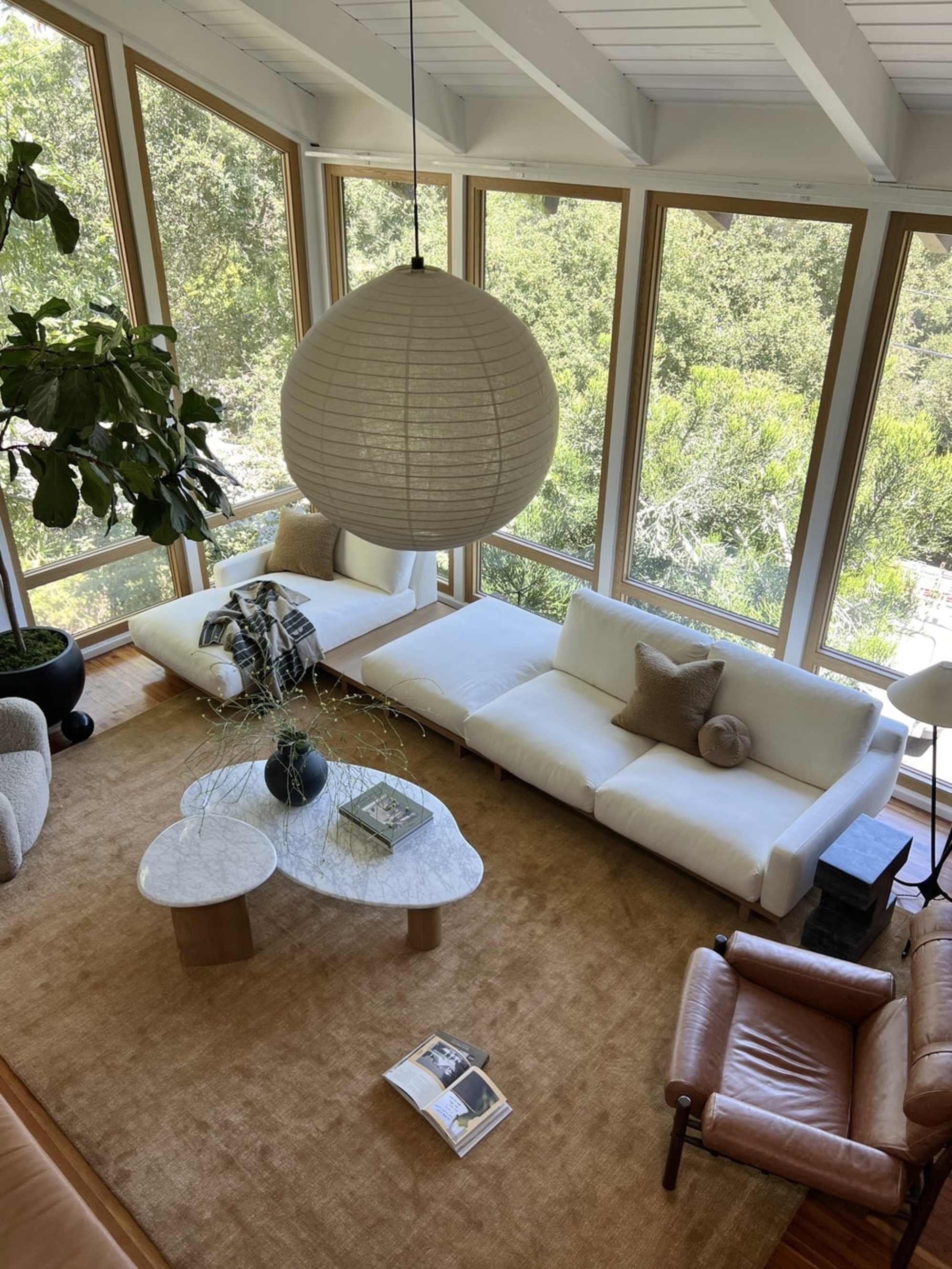
Credit: www.castlery.com
Choosing Complementary Styles
Choosing complementary styles for coffee and end tables creates a balanced and inviting space. Matching does not mean identical. It means blending pieces that work well together. This approach adds charm and personality to your room. Mixing styles, materials, and colors can make your furniture stand out while still feeling connected.
Mixing Modern And Traditional
Combining modern and traditional tables adds interest and depth. Modern tables have clean lines and simple shapes. Traditional tables often feature curves and decorative details. Pairing these styles creates a unique look that feels fresh yet cozy. Choose one style as the main theme and use the other as an accent. This contrast highlights each piece’s best features.
Combining Different Materials
Mixing materials adds texture and variety to your space. Wood, metal, glass, and stone each bring different qualities. A wooden coffee table paired with metal end tables creates a warm yet industrial vibe. Glass tops can lighten heavy pieces and add elegance. Combining materials prevents a dull or matchy look. Aim for harmony by choosing materials that share a color tone or finish.
Balancing Colors And Finishes
Colors and finishes set the mood of your furniture grouping. Matching exact colors is not necessary. Instead, find colors that complement each other. Dark wood with light upholstery creates contrast and balance. Matte finishes soften shiny surfaces. Try to repeat one color or finish between tables to create flow. This subtle connection pulls the whole look together without feeling forced.
Proportion And Scale Tips
When arranging your living room, considering the proportion and scale of your coffee and end tables can make all the difference. These elements work together to create a harmonious and functional space. The right balance ensures your room feels inviting and visually appealing without any piece overshadowing another.
Matching Heights
Height consistency between your coffee and end tables contributes significantly to the room’s overall flow. Imagine trying to reach for your coffee on a table that’s a foot lower than your sofa armrest—it disrupts the ease of movement and interaction in your space. Aim for tables that align closely with the height of your seating to maintain comfort and accessibility.
Considering Table Sizes
Think about how table sizes relate to the furniture and space around them. A massive coffee table might dominate a room, making it feel cramped, while tiny end tables could appear lost next to a large sofa. Choose sizes that complement your furniture and allow for easy movement around the room.
Maintaining Room Balance
Balance is key in any room design. It’s not just about matching styles; it’s about creating a cohesive look that feels natural. If you have a bulky coffee table, lighter end tables can prevent the room from feeling heavy.
Consider how different shapes and materials contribute to the room’s dynamics. Would a round table soften the lines of a square room? Could a glass tabletop add lightness to a dark space?
Remember, the goal is to create a space where you feel at ease. How do your tables contribute to that sense of comfort?
Using Patterns And Textures
Using patterns and textures is a smart way to add depth and interest to your living space without forcing your coffee and end tables to match perfectly. This approach lets you express your style while creating a cohesive look that feels balanced and inviting. Understanding how to mix these elements can transform your room into a stylish haven.
Incorporating Textured Surfaces
Textured surfaces add a tactile element that draws attention and breaks up monotony. Think about a woven rattan coffee table paired with a smooth lacquered end table. The contrast feels intentional and adds warmth.
You can also try a rough-hewn wood end table alongside a sleek glass coffee table. This mix keeps things visually interesting without overwhelming the space. Have you noticed how texture invites you to touch and explore the furniture?
Playing With Patterns
Patterns don’t have to match exactly to work together. Stripes, geometric shapes, or subtle floral prints on table surfaces or accessories can complement each other beautifully. The key is to keep the colors in the same family or use neutral tones to tie everything together.
For example, a chevron pattern on a rug under a plain coffee table can look stunning next to an end table with a small-scale dotted pattern. This creates a playful dynamic that keeps your space lively. Could your room benefit from a little pattern play?
Avoiding Visual Clutter
While mixing textures and patterns is exciting, too much can feel chaotic. Keep the overall look balanced by limiting the number of bold patterns and mixing in solid colors. This helps each piece shine without competing for attention.
Try spacing patterned items apart and using neutral tones to give the eye a place to rest. Have you ever felt overwhelmed by a room that’s too busy? Careful choices in patterns and textures prevent that feeling and make your space more relaxing.
Practical Tips For Placement
Placing coffee and end tables in your living space isn’t just about matching styles; it’s about making the room work for you. Practical placement can improve your daily comfort and how guests interact with the space. Let’s look at ways you can arrange these pieces to suit your needs and lifestyle.
Arranging For Functionality
Think about how you use your living room. Are you often reaching for a drink or a book? Position your coffee table within easy arm’s reach of your seating. End tables should be close enough to hold essentials but not crowd the seating area.
Consider table height too. A coffee table that’s too low or high can make placing items awkward. Matching or slightly varying heights between coffee and end tables can create a harmonious look while boosting usability.
Creating Conversation Areas
Do you want your space to encourage chatting? Arrange your tables so they help bring people together. Place the coffee table in the center with end tables flanking chairs or sofas to create a cozy circle.
Try grouping tables in a way that invites everyone to reach shared snacks or drinks easily. This setup can transform an ordinary room into a warm, inviting spot where conversations flow naturally.
Optimizing Traffic Flow
Can people move freely without bumping into furniture? Leave at least 18 inches of walking space around tables to keep paths clear. Too tight a setup feels cramped and uncomfortable.
Think about entryways and how often you walk past the seating area. Sometimes, it’s better to sacrifice a bit of symmetry for smoother movement. Your space should welcome you, not block you.
Popular Mixing Styles
Mixing coffee and end tables can create a unique look in any room. Popular mixing styles offer ways to blend different shapes, colors, and materials. These styles add personality and charm without needing perfect matches. Explore some popular ways to mix and match tables for a fresh, stylish space.
Eclectic Mix
The eclectic mix style combines various table designs and finishes. You might pair a vintage coffee table with a modern end table. This style embraces diversity and creativity. It allows freedom to showcase personal taste. Different textures and colors make the space lively and interesting.
Rustic Meets Modern
Rustic meets modern blends rough, natural wood with sleek metal or glass. A wooden coffee table with a metal end table adds contrast. This mix balances warmth and coolness in the room. It creates a cozy yet contemporary atmosphere. Simple lines and natural materials work well together.
Minimalist Contrast
Minimalist contrast uses clean, simple tables in different colors or shapes. For example, a white coffee table with a black end table. This style focuses on form and function. It keeps the space neat but visually appealing. The contrast highlights each piece without clutter.
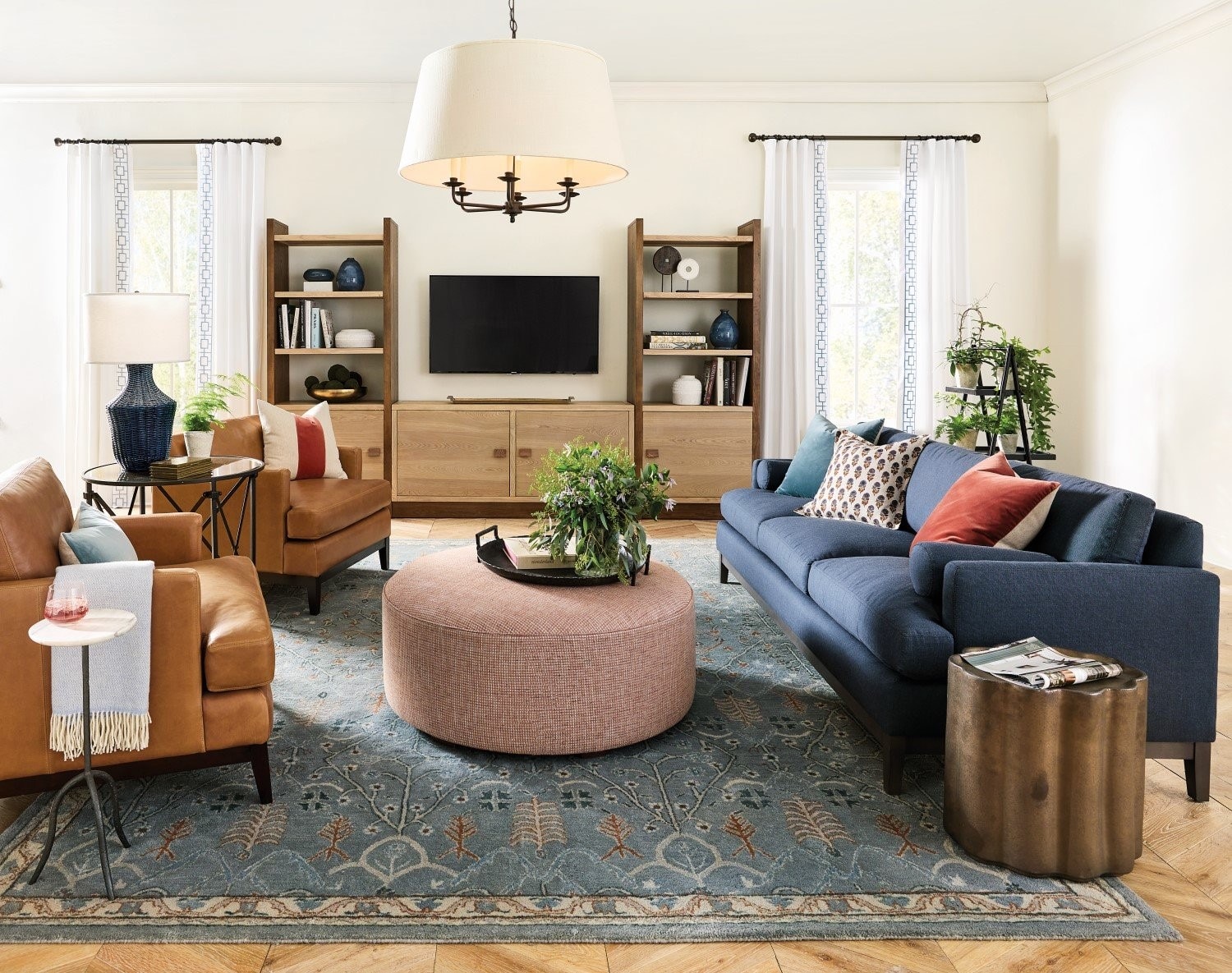
Credit: www.ballarddesigns.com
Frequently Asked Questions
Do Coffee And End Tables Need To Match Exactly?
No, coffee and end tables do not need to match exactly. Coordinating styles or colors create harmony without being identical. Mixing materials or finishes can add visual interest and personality to your living space.
Can Mismatched Tables Still Look Stylish Together?
Yes, mismatched tables can look stylish when balanced well. Use complementary colors, shapes, or textures to unify the pieces. Intentional contrast can create a unique and appealing room design.
What Styles Work Best For Matching Tables?
Matching tables work best in traditional, contemporary, or minimalist styles. Consistency in design elements like wood tone or metal finish ensures cohesion. Choose styles that reflect your room’s overall theme for a polished look.
How To Choose End Tables That Complement A Coffee Table?
Choose end tables with similar colors, materials, or design lines to complement a coffee table. Size proportion and shape should also harmonize with the coffee table for balanced aesthetics.
Conclusion
Coffee and end tables do not have to match perfectly. Mixing styles can create a unique look. Choose pieces that balance each other in size and color. A matching set is nice but not required. Personal taste and room style matter most.
Trust your eyes and enjoy the process. Your space should feel comfortable and inviting. Experiment with different combinations to find what fits. Style is about what makes you happy.



