
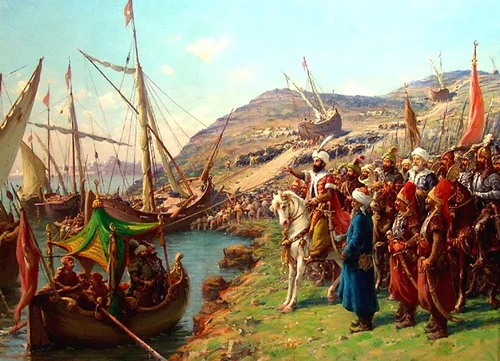
Have you ever wondered how one of history’s greatest cities, Constantinople, fell after standing strong for over a thousand years? The year 1453 marked a turning point that changed the course of history forever.
You’re about to discover the surprising strategies and powerful forces the Ottomans used to conquer this mighty city. By the end of this article, you’ll understand the key moments and clever tactics that made the impossible possible. Ready to unlock the story behind the fall of Constantinople?
Let’s dive in.

Credit: medium.com
Ottoman Rise Before The Siege
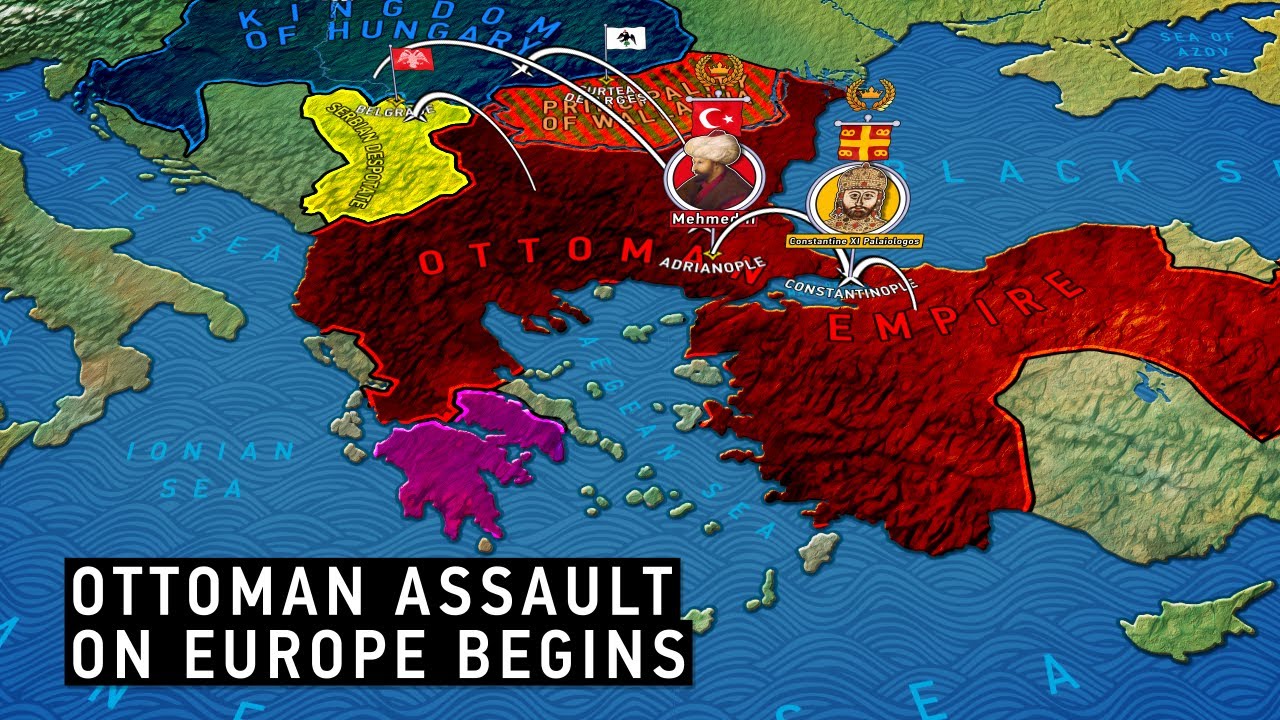
The rise of the Ottoman Empire set the stage for the historic conquest of Constantinople in 1453. Before the siege, the Ottomans grew from a small principality into a powerful empire. Their steady expansion and strategic moves made them a dominant force in the region. Understanding their rise helps explain how they managed to capture such a fortified city.
Expansion In The Balkans
The Ottomans expanded quickly into the Balkans during the 14th and 15th centuries. They captured key cities and defeated local rulers. This expansion gave them control over important trade routes and military positions. Their growing army became stronger and better organized. The Ottomans used both diplomacy and force to gain allies and weaken enemies. Their success in the Balkans boosted their confidence for larger campaigns.
Strategic Importance Of Constantinople
Constantinople was a vital city for trade and military power. It sat at the crossroads of Europe and Asia. Controlling it meant controlling access to the Black Sea and Mediterranean. The city’s walls made it very hard to conquer. Still, its location made it a tempting prize for the Ottomans. Taking Constantinople would link their empire and open new opportunities for expansion.
Constantinople’s Defenses
Constantinople’s defenses were legendary and played a crucial role in the city’s resilience against numerous sieges. Understanding these defenses helps you grasp why the Ottoman conquest in 1453 was such a monumental event. The city’s walls, military forces, and geographic location all worked together to create a formidable barrier.
The Walls And Fortifications
The Theodosian Walls were the backbone of Constantinople’s defense. These walls stretched nearly 14 kilometers and consisted of a double-layered structure with a moat in front, making it difficult for attackers to breach.
The walls were up to 12 meters high and 5 meters thick, built to withstand both siege engines and artillery. You might be surprised to learn that these walls had held strong for over a thousand years, repelling countless invasions before 1453.
Byzantine Military Strength
The Byzantine military defending Constantinople was smaller than the Ottoman forces but highly skilled. They relied on a mix of archers, infantry, and the famous elite Varangian Guard.
Despite their numbers, the defenders used strategic tactics and the city’s fortifications to maximize their advantage. This raises an interesting question: How much can skill and strategy compensate for being outnumbered?
Role Of The City’s Geography
Constantinople’s location was a natural defense. Surrounded by water on three sides—the Golden Horn, the Sea of Marmara, and the Bosphorus Strait—it limited the directions from which an enemy could attack.
The narrow entrance to the Golden Horn was protected by a massive chain that prevented enemy ships from sailing into the harbor. This geographic setup forced attackers to concentrate their efforts on the land walls, which were heavily fortified.
Preparations For The Siege
Ottoman leaders gathered a large army and built strong cannons to break Constantinople’s walls. They also planned to block the city’s sea routes to cut off supplies. Careful planning made their attack more powerful and organized.
Preparing for the siege of Constantinople in 1453 was a colossal task that demanded strategic brilliance and meticulous planning. The Ottomans, under Sultan Mehmed II, were determined to capture the city, which had long been a symbol of wealth and power. To achieve this, they left no stone unturned, crafting a comprehensive plan that encompassed assembling a formidable army, establishing a naval blockade, and developing innovative siege weapons.Assembling The Ottoman Army
The Ottomans gathered an impressive force, estimated to be between 80,000 to 100,000 soldiers. This army was a diverse mix of skilled archers, seasoned infantry, and elite Janissaries. Each group played a crucial role in the plan, ensuring that the Ottomans were ready for any challenge. Imagine the logistical effort required to feed and manage such a large number of troops. The Ottomans relied on well-organized supply lines, showcasing their strategic foresight.Naval Blockade Plans
Blocking naval access to Constantinople was pivotal. The Ottomans devised plans to control the Bosporus Strait, effectively cutting off aid and supplies to the city. A fleet of over 100 ships was assembled, encompassing both large warships and smaller vessels. This naval blockade was a masterstroke, isolating the city and weakening its defenses. Have you ever wondered how important controlling the seas can be in warfare? The Ottomans demonstrated this with their strategic naval planning.Siege Weapon Innovations
The Ottomans introduced groundbreaking siege weapons, most notably the massive cannon known as the “Basilica.” This formidable cannon could fire huge stone balls, capable of shattering the city’s ancient walls. Sultan Mehmed II hired expert engineers to design and operate these innovations, which became a game-changer in siege warfare. These innovations highlight the importance of technology in military success. Do you think the outcome would have been different without these siege engines? The meticulous preparations laid the foundation for the eventual fall of Constantinople. The Ottomans’ strategic planning and use of technology proved decisive in their historic conquest. What lessons can you draw from their approach to preparation?
Credit: kashmirreader.com
Key Figures In The Siege
The siege of Constantinople in 1453 was not just a monumental military event but also a clash of strong personalities whose decisions shaped history. Understanding the key figures involved helps you grasp how leadership, courage, and strategy intertwined to bring down one of the most fortified cities of its time. These individuals played critical roles, each influencing the outcome through their vision and actions.
Sultan Mehmed Ii’s Leadership
Sultan Mehmed II, known as Mehmed the Conqueror, was only 21 when he led the Ottoman forces. His determination to capture Constantinople was relentless, driving him to innovate military tactics and invest heavily in artillery, including massive cannons that could break through the city’s walls.
Mehmed’s leadership combined boldness with patience. He carefully coordinated land and sea attacks, showing you how effective planning and adaptability can overcome even the toughest defenses. His vision extended beyond conquest—he aimed to turn the city into a thriving capital for his empire.
Byzantine Emperor Constantine Xi
Constantine XI Palaiologos was the last Byzantine emperor, embodying resilience and defiance. Despite having far fewer soldiers and resources, he refused to surrender, inspiring his people to defend their city against overwhelming odds.
His leadership was marked by a deep sense of duty and sacrifice. Facing inevitable defeat, Constantine’s courage prompts you to consider what it means to stand firm when everything is at stake. His final stand symbolizes the end of an era but also highlights the human spirit’s strength in adversity.
Influential Commanders
- Giovanni Giustiniani:A Genoese captain who led the defense of the city’s most vulnerable walls. His tactical expertise and leadership helped prolong the siege significantly.
- Zaganos Pasha:One of Mehmed’s trusted generals, known for his fierce fighting and loyalty. He played a key role in organizing the Ottoman assault forces.
- Urban:A Hungarian engineer hired by the Ottomans to build the giant cannons. His skill in artillery construction was crucial for breaking the city’s formidable defenses.
Each commander brought unique skills that influenced the siege’s course. Their stories remind you that success in complex situations often depends on the right mix of talent and teamwork.
Siege Tactics And Strategies
The Ottomans used smart siege tactics and strategies to capture Constantinople. They combined new technology with careful planning. Their methods broke the city’s strong defenses. Each approach played a key role in their victory.
Use Of Massive Cannons
The Ottomans used huge cannons to smash the city walls. These guns fired large stone balls that cracked the walls. The most famous cannon was called the “Basilica.” It weighed several tons and needed many men to operate.
The cannons fired from a distance, making the walls weaker over time. This forced the defenders to repair constantly. It also lowered their morale. The sound and power of the cannons shocked the city’s people.
Mining And Sapping Techniques
The Ottomans dug tunnels under the walls to cause collapses. These tunnels were called saps or mines. Soldiers worked in secret at night to avoid detection. They placed explosives or removed earth to weaken foundations.
Once the tunnels collapsed, parts of the wall fell. This created gaps for soldiers to enter. The defenders tried to dig counter-tunnels to stop them. A battle underground often happened between both sides.
Naval Engagements And Blockades
The Ottoman navy blocked supply routes by sea. They used warships to control the waters around Constantinople. This stopped food and reinforcements from reaching the city. The navy also attacked the city’s smaller ports.
The defenders had a small fleet but could not break the blockade. The Ottomans even dragged ships over land to bypass chain defenses. This surprise move helped them control the Golden Horn. The naval efforts tightened the siege from all sides.
Challenges During The Siege
The siege of Constantinople in 1453 was not just a battle of armies but a test of endurance, strategy, and willpower. The Ottomans faced numerous obstacles that pushed their limits and shaped the outcome of this historic conquest. Understanding these challenges helps you appreciate the complexity behind this pivotal moment in history.
Harsh Weather Conditions
The siege took place during late spring, but the weather was far from kind. Heavy rains turned the ground into a muddy mess, making it difficult for the Ottoman troops and their massive cannons to move efficiently.
Imagine trying to maneuver huge artillery pieces through thick mud while under constant threat from defenders. This slowed down the Ottoman assault and tested their patience and resourcefulness.
Defender’s Resistance
The defenders of Constantinople were fiercely determined to protect their city. Led by Emperor Constantine XI, they used every available weapon, from massive walls to Greek fire, to repel the attackers.
This resistance forced the Ottomans to rethink their tactics constantly. You can see how a well-prepared defense can challenge even the most powerful siege, making every inch of progress hard-earned.
Supply Shortages
Both sides struggled with supply shortages, but the Ottomans had the added challenge of maintaining a long supply chain far from their base. Food, ammunition, and reinforcements were not always reliable.
Shortages tested morale and forced commanders to make tough decisions about when and where to strike. It’s a reminder of how crucial logistics are in any military campaign—and how easily they can be a deciding factor in victory or defeat.
Turning Points In The Battle
The Battle of Constantinople in 1453 was a defining moment in history, marked by key turning points that shaped its outcome. Understanding these pivotal moments helps you grasp how the Ottomans managed to capture one of the most fortified cities of the time. Each phase of the battle brought new challenges and strategies that turned the tide in favor of the Ottomans.
Breaking The Walls
The massive Theodosian Walls had protected Constantinople for centuries, but the Ottomans had a plan to break through. They used huge cannons, including the famous Basilica cannon, to bombard the walls relentlessly. This constant bombardment weakened the defenses and created breaches.
But it wasn’t just firepower. The Ottomans also dug tunnels to undermine the walls and tried to cut off supplies to the city. Their combination of technology and tactics made the walls less of a barrier than ever before.
Final Assault On The City
After weeks of siege and damage to the walls, the Ottomans launched their final assault. They attacked from multiple points to stretch the defenders thin and used specialized troops like the Janissaries to lead the charge. This surprise and pressure overwhelmed the defenders.
Imagine being inside the city, facing attacks from all sides while knowing your walls were crumbling. The defenders fought bravely, but fatigue and dwindling resources made it hard to hold the line. The Ottomans’ coordination and persistence proved crucial.
Fall Of Constantinople
Once the Ottomans breached the walls, the fall of Constantinople became inevitable. The city’s defenders lost control of key areas, and the Ottoman forces flooded in. The capture marked the end of the Byzantine Empire and a major shift in world history.
Have you ever wondered what it feels like when a seemingly invincible fortress finally falls? This event reminds us that even the strongest defenses can be overcome with the right strategy and determination. What lessons can you take from this about persistence and adaptability in your own challenges?
Credit: www.youtube.com
Aftermath And Impact
The fall of Constantinople in 1453 marked a major turning point in world history. The Ottoman Empire’s victory reshaped the political, cultural, and religious landscape of the region. The event’s effects were felt far beyond the city walls, influencing Europe and Asia for centuries.
Changes In Regional Power
After conquering Constantinople, the Ottomans became the dominant power in Southeast Europe and the Eastern Mediterranean. The Byzantine Empire ended, and the Ottomans expanded their territory quickly. This victory gave them control over key trade routes between Europe and Asia. European kingdoms had to find new paths for trade, which eventually led to the Age of Exploration.
Cultural And Religious Effects
The city was renamed Istanbul and transformed into an Ottoman capital. The Ottomans converted many churches into mosques, including the famous Hagia Sophia. The mix of Christian and Islamic cultures created a unique atmosphere. Religious tolerance was practiced but with Islamic influence as dominant. The conquest helped spread Islam deeper into Europe.
Legacy Of The Conquest
The capture of Constantinople inspired fear and respect across Europe. It shifted the balance of power for centuries. Ottoman rule lasted nearly 500 years, influencing art, architecture, and administration. The event is often seen as the end of the medieval period and the start of the modern age. Its impact is still studied and remembered today.
Frequently Asked Questions
How Did The Ottomans Breach Constantinople’s Walls?
The Ottomans used massive cannons to break the ancient walls. They combined artillery with infantry assaults to overwhelm defenders. This strategic use of gunpowder technology was crucial in their successful breach.
What Role Did Sultan Mehmed Ii Play In The Conquest?
Sultan Mehmed II led the Ottoman forces with great strategy. He personally organized attacks and boosted troop morale. His leadership was key to capturing Constantinople in 1453.
Why Was Constantinople’s Location Important For The Ottomans?
Constantinople controlled key trade routes between Europe and Asia. Its capture gave the Ottomans control over the Bosporus Strait. This strategic position helped expand their empire’s influence.
How Did The Byzantine Defenders Resist The Ottoman Siege?
Byzantine defenders used thick walls and fortifications to hold off attacks. They also employed chain barriers in the harbor to block ships. Despite their efforts, they lacked enough troops and supplies.
Conclusion
The Ottomans won by using smart strategies and strong weapons. Their army worked well together and never gave up. The fall of Constantinople changed history forever. It showed how new technology can change battles. This event also marked the start of a new era.
Understanding this helps us see how empires rise and fall. The story of 1453 remains important and interesting today.



