
Have you ever wondered what makes the Ottoman Empire stand out in history? This powerful empire shaped much of the world you know today.
From stunning architecture to rich culture, the Ottoman Empire left a mark that still fascinates people everywhere. If you want to uncover the secrets behind its lasting influence, keep reading. You’ll discover surprising facts that might change the way you see history forever.
Credit: owlcation.com
Rise Of The Empire
The rise of the Ottoman Empire is a story of strategic vision and relentless ambition. It began as a small principality and grew into one of the most powerful empires in history. Understanding its early growth offers insights into how leadership, military tactics, and timing shape empires.
Founding And Early Expansion
The Ottoman Empire was founded around 1299 by Osman I, a leader who united several Turkish tribes. His leadership was marked by careful alliances and swift military campaigns. The early Ottomans capitalized on the weakening Byzantine Empire and the decline of the Seljuk Turks to expand their territory.
During the 14th century, the empire grew through both conquest and diplomacy. The Ottomans used a mix of flexible governance and military strength, which helped them control diverse populations. Their ability to absorb different cultures made their expansion more sustainable than many other empires.
Conquest Of Constantinople
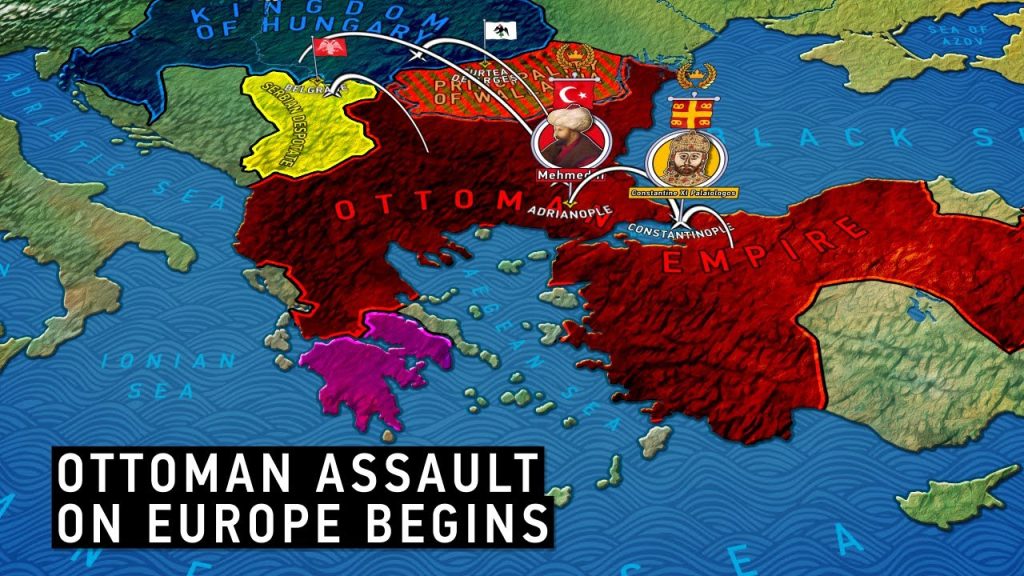
The conquest of Constantinople in 1453 was a turning point in Ottoman history. Led by Sultan Mehmed II, this victory ended the Byzantine Empire and established Ottoman control over a key trade and cultural center. This strategic win gave the empire access to both Europe and Asia, boosting its influence dramatically.
Capturing Constantinople required advanced military tactics and innovative use of technology, including massive cannons. The city’s fall shocked the world and reshaped trade routes for centuries. Imagine what it would have been like to witness those moments—how would your perception of power change?
Military Achievements
The Ottoman Empire is famous for its strong military achievements that shaped history. Its army was well-organized and powerful. This strength helped the empire expand across three continents. The military was known for advanced strategies and elite troops.
Elite Janissary Corps
The Janissaries were the empire’s most skilled soldiers. They started as young boys taken from Christian families. Trained strictly, they became loyal and disciplined warriors. Their weapons and tactics were advanced for their time. The Janissaries played a key role in many Ottoman victories. They also served as the sultan’s personal guards and advisors.
Naval Power And Campaigns
The Ottoman navy controlled important sea routes in the Mediterranean. They built strong ships and used skilled sailors. Their fleet defeated rival powers like Venice and Spain. Naval campaigns helped the empire secure islands and coastal regions. This power protected trade and expanded Ottoman influence overseas.
Cultural Contributions
The Ottoman Empire is known for its rich cultural heritage, blending art, architecture, and music. Its stunning mosques and intricate calligraphy highlight its artistic achievements. This empire also influenced cuisine and traditions across three continents.
The Ottoman Empire, a formidable force in history, is renowned not just for its military might and expansive reach, but also for its profound cultural contributions. These contributions have left an indelible mark on the world, influencing art, architecture, literature, and calligraphy. As you explore the cultural legacy of the Ottomans, you’ll uncover a fascinating blend of tradition and innovation that continues to inspire today.Architecture And Art
Ottoman architecture is a stunning amalgamation of Byzantine, Persian, and Islamic influences. The grandeur of structures like the Hagia Sophia and the Blue Mosque showcases their architectural prowess. These monumental buildings are not just places of worship but also symbols of the empire’s artistic and cultural zenith. In art, the Ottomans excelled in intricate tile work and lavishly decorated manuscripts. Their use of vibrant colors and delicate patterns is a testament to their artistic ingenuity. Have you ever wondered how these artists achieved such precision without modern tools?Literature And Calligraphy
Ottoman literature is a rich tapestry of poetry and prose, reflecting the empire’s diverse cultural interactions. Famous poets like Rumi and Yunus Emre penned works that still resonate with readers worldwide. Their poems often explore themes of love, spirituality, and human connection, inviting you to ponder life’s deeper meanings. Calligraphy, considered the highest form of art in the Ottoman Empire, transcended mere writing. Scribes transformed the Arabic script into breathtaking works of art, often seen in religious texts and official documents. Imagine the dedication and patience required to master this delicate art form.Administrative Innovations
The Ottoman Empire stood out for its smart administrative innovations that helped manage a vast and diverse territory. These innovations created a system that balanced control and flexibility, which kept the empire stable for centuries. Understanding these systems gives you insight into how they handled complex governance challenges that many states today still face.
Legal System And Governance
The Ottomans created a legal system combining Islamic law with practical administrative rules. This dual system allowed them to rule over various peoples while maintaining order. They appointed judges called qadiswho dealt with civil and criminal cases, ensuring laws were applied fairly.
Governance was highly organized, with provinces called eyaletsgoverned by officials who reported directly to the Sultan. This setup allowed local issues to be handled quickly without losing sight of central authority. Have you ever wondered how such a large empire could avoid chaos for so long? Their administrative system was a key reason.
Religious Tolerance And Millet System
The Ottoman Empire is also known for its policy of religious tolerance through the Millet System. This system allowed religious communities like Christians, Jews, and Muslims to govern themselves in matters like marriage, education, and worship.
Each millet had its own leaders who liaised with the Ottoman government, allowing diverse groups to coexist peacefully. This arrangement reduced conflicts and built loyalty among different populations. Could modern states learn from this approach to managing diversity and promoting harmony?
Economic Influence
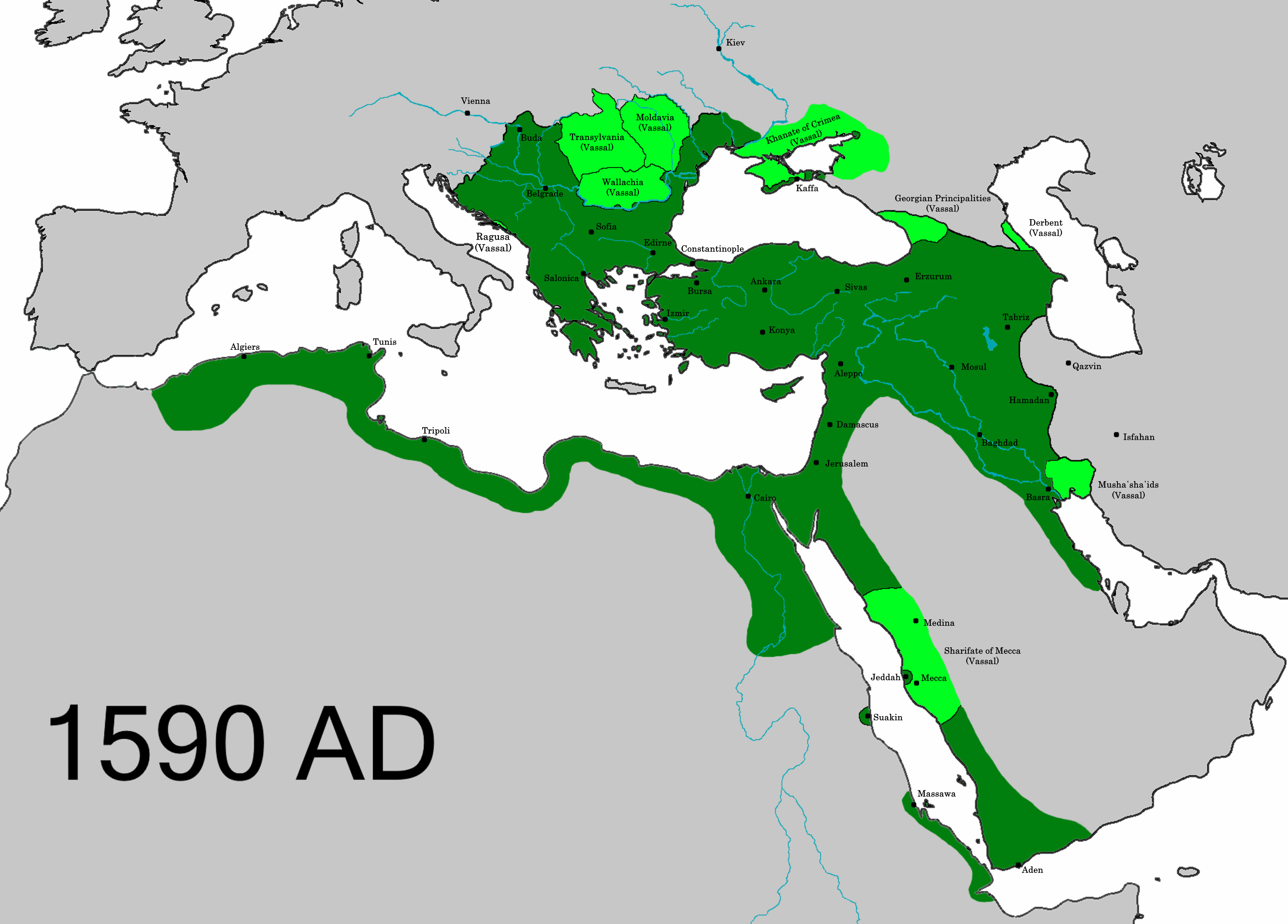
The Ottoman Empire held a strong economic influence across three continents. Its power came from controlling key trade routes and developing rich agriculture and craftsmanship. These factors helped the empire grow wealthy and stable for centuries.
Trade Routes And Commerce
The empire controlled important trade routes connecting Europe, Asia, and Africa. Cities like Istanbul became major trade hubs. Merchants traded silk, spices, coffee, and precious metals. The Ottoman government supported trade by building roads and markets.
Trade brought wealth to the empire and allowed cultural exchange. It also helped spread Ottoman goods and influence worldwide.
Agriculture And Craftsmanship
Agriculture formed the backbone of the Ottoman economy. Farmers grew wheat, barley, fruits, and cotton. The empire used advanced irrigation and farming tools to boost production.
Craftsmanship thrived with skilled artisans making textiles, ceramics, metalwork, and carpets. Ottoman goods were known for quality and beauty. These crafts supported local markets and exports.
Credit: owlcation.com
Legacy In Modern Times
The Ottoman Empire’s legacy still shapes many aspects of the modern world. Its influence extends beyond history books into the borders we see today and the cultural treasures people visit. Understanding this legacy helps you appreciate how past empires continue to impact present-day societies.
Impact On Middle Eastern Borders
The Ottoman Empire controlled vast territories for centuries, and its administrative divisions influenced the modern borders in the Middle East. Many current countries, like Turkey, Syria, Iraq, and Lebanon, trace their origins to Ottoman provinces.
After the empire’s collapse, new nations emerged, but the borders often reflected Ottoman administrative lines rather than ethnic or tribal boundaries. This has led to ongoing challenges and conflicts in the region.
Have you ever wondered how historical borders affect current political tensions? The Ottoman legacy is a key part of that story.
Cultural Heritage And Tourism
The Ottoman Empire left behind an incredible wealth of cultural heritage. From stunning architecture like the Hagia Sophia and Topkapi Palace to vibrant traditions in music, cuisine, and art, its influence is visible across several countries.
Millions of tourists visit these sites every year, eager to experience the empire’s rich history firsthand. This not only helps preserve these treasures but also supports local economies.
Next time you explore a historic Ottoman mosque or try Turkish coffee, consider how these experiences connect you directly to a legacy that continues to shape culture and identity today.

Credit: uk.news.yahoo.com
Frequently Asked Questions
What Is The Ottoman Empire Famous For?
The Ottoman Empire is famous for its vast territory spanning three continents. It was known for military prowess, cultural achievements, and architectural marvels like the Hagia Sophia. The empire also played a key role in trade and diplomacy between East and West.
How Did The Ottoman Empire Influence Art And Culture?
The empire influenced art and culture through its unique blend of Islamic, Byzantine, and Persian traditions. It excelled in calligraphy, ceramics, textiles, and architecture. Ottoman culture also contributed to music, literature, and culinary arts, enriching the regions it ruled.
Why Is The Ottoman Empire Important In World History?
The Ottoman Empire shaped world history by connecting Europe, Asia, and Africa. It controlled key trade routes and influenced politics, religion, and culture for over 600 years. Its legacy impacts modern Middle Eastern and Balkan countries.
What Were The Key Achievements Of The Ottoman Empire?
Key achievements include the conquest of Constantinople in 1453, establishing Istanbul as a cultural hub. The empire developed advanced military technology, a sophisticated legal system, and a flourishing economy based on trade and agriculture.
Conclusion
The Ottoman Empire shaped history in many ways. It built strong cities and lasting art. Its rulers brought people together from different lands. Trade and culture grew under its rule. Its legacy still affects the world today. Learning about it helps us understand the past better.
The empire’s story shows power, culture, and change. It remains a key part of world history.



