
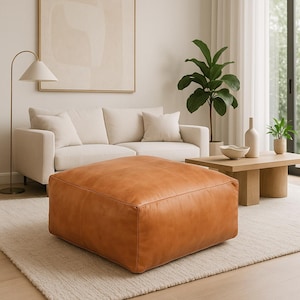
Are you looking to add a stylish and functional piece to your living space? Making your own pouf square leather ottoman is easier than you think—and it can completely transform the look of your room.
Imagine having a unique ottoman that matches your style perfectly, while also giving you extra seating or a cozy footrest. In this guide, you’ll discover simple steps to create a beautiful leather ottoman that lasts. Ready to turn your home into a cozy, chic haven?
Let’s get started!
Materials Needed
Gathering the right materials is the foundation of creating a durable and stylish pouf square leather ottoman. Each component plays a vital role in how your ottoman looks and feels. Knowing exactly what to get can save you time and ensure your project turns out just as you imagine.
Leather Selection
Choosing the right leather is crucial. You want something that feels soft but is tough enough to handle daily use. Full-grain leather offers great durability and ages beautifully, while bonded leather is more budget-friendly but less long-lasting.
Think about the color and texture too. Do you want a smooth finish or a pebbled look? Your choice will impact both style and maintenance.
Wood And Frame Supplies
The frame supports your ottoman, so solid wood like pine or oak works best. These woods provide strength without being overly heavy. You’ll also need wood screws, corner brackets, and wood glue to keep everything securely in place.
Don’t forget a sturdy plywood base for the seat. It adds stability and ensures your ottoman holds its shape over time.
Foam And Padding
Comfort comes from the right foam and padding. High-density foam offers good support and retains shape well. You might also want to add a layer of batting for a softer, plush feel.
Thickness matters too—usually 3 to 4 inches of foam works nicely for a pouf ottoman. Too thin, and it feels hard; too thick, and it might look bulky.
Tools Required
- Electric drill with screwdriver bits
- Staple gun and plenty of staples
- Measuring tape and pencil
- Scissors or utility knife for cutting leather and foam
- Sandpaper to smooth wood edges
- Clamps to hold pieces while gluing
Having these tools ready will make your work smoother. Missing just one can slow you down or affect the quality of your ottoman.
Preparing The Frame
Preparing the frame is a crucial step in making a pouf square leather ottoman. A well-built frame guarantees your ottoman will be sturdy and durable. Taking time here saves you from problems later, like wobbling or weak spots.
Measuring And Cutting Wood
Start by measuring the dimensions you want for your ottoman. Precision matters, so use a tape measure and mark your wood carefully.
Choose solid wood like pine or plywood for strength. Cut the wood into pieces for the base and sides using a saw—make sure edges are smooth to avoid splinters.
Assembling The Base
Lay out your cut pieces on a flat surface to visualize the frame. The base should be a solid square that supports the weight evenly.
Use wood glue between the joints for extra hold before you nail or screw the pieces together. This small step improves the frame’s overall strength.
Securing The Structure
Fasten the frame with screws rather than nails—they hold better over time. Drill pilot holes first to prevent the wood from splitting.
Check the frame’s corners with a carpenter’s square to keep everything perfectly aligned. A crooked frame can throw off the entire ottoman.
Have you noticed how a small misalignment can affect the final product? Taking time to secure the structure properly will pay off when you start upholstering your pouf.
Cutting And Shaping Foam
Cut foam carefully using a sharp knife to get clean edges for your ottoman. Shape the foam to fit the square frame perfectly for a smooth finish.
Cutting and shaping foam is a crucial step in making your pouf square leather ottoman both stylish and comfortable. Whether you’re a seasoned DIY enthusiast or just starting, the right techniques can make a world of difference. Imagine sinking into a perfectly cushioned ottoman that you’ve crafted yourself. Sounds satisfying, right? Let’s dive into how you can achieve that.Choosing The Right Foam Thickness
Selecting the right foam thickness is essential for comfort and durability. Typically, a thickness of 3 to 5 inches works well for ottomans. It provides sufficient cushioning without making the ottoman too bulky. Think about who will use the ottoman and how often. For frequent use, slightly thicker foam can prevent wear and tear over time.Cutting Foam To Size
Cutting foam accurately ensures a snug fit within your leather covering. Use a marker to outline the dimensions on the foam. A sharp knife or an electric carving knife can make the task easier and more precise. Make sure to cut on a stable surface to avoid uneven edges. Always double-check your measurements before cutting to avoid costly mistakes.Shaping For Comfort
Once the foam is cut, it’s time to shape it for optimal comfort. Consider rounding the edges slightly for a softer look and feel. This not only enhances comfort but also gives a polished appearance to your ottoman. Test the foam by pressing down to ensure it springs back into shape. Adjust as needed until it meets your comfort standards. Think of it as creating a custom seating experience. What level of comfort are you aiming for? Tailor the foam to meet your specific needs, ensuring every sit is a pleasant one.
Credit: www.tresorselmamoun.com
Leather Cutting And Stitching
Leather cutting and stitching are the backbone of making a pouf square leather ottoman. Precision in measuring and cutting ensures your pieces fit perfectly, while strong stitching holds everything together beautifully. If your cuts are uneven or stitches weak, the ottoman won’t look or last as you want.
Measuring Leather Panels
Start by measuring the dimensions of your ottoman frame or stuffing. Remember to add extra inches for seam allowances—typically about 1 inch on all sides. Use a flexible tape measure for accuracy, especially around corners.
Mark your measurements clearly on the leather using a chalk pencil or a fine-tip marker. Double-check each panel’s size before cutting to avoid costly mistakes. Think about how the panels will come together: will you need separate pieces for the top, sides, and bottom?
Cutting Leather Pieces
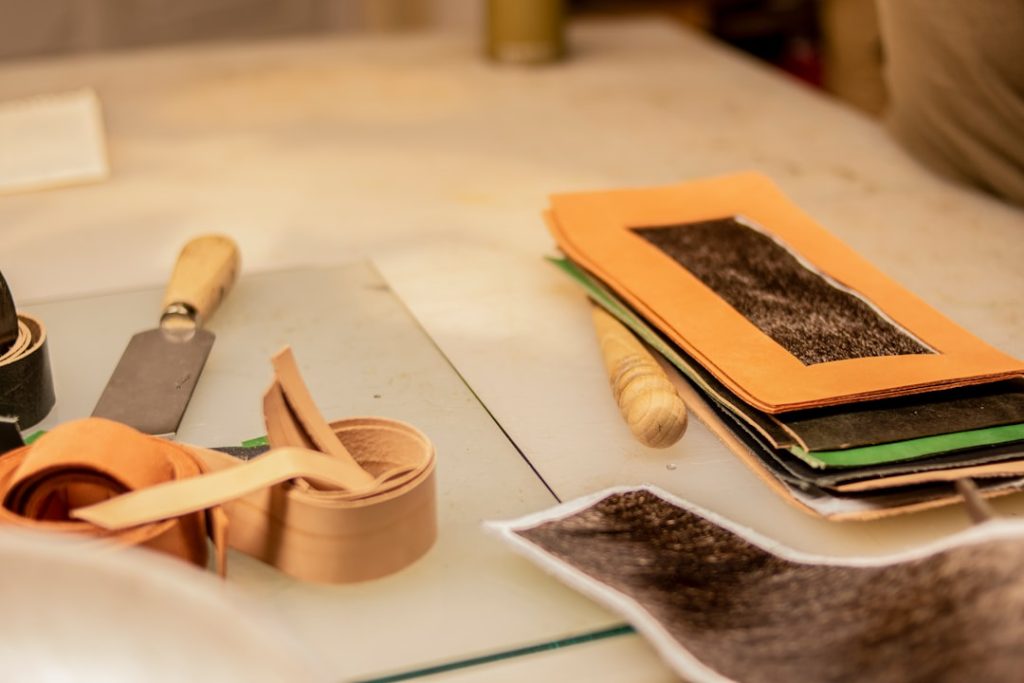
Use a sharp rotary cutter or a leather knife for clean, straight edges. Avoid dull blades—they can tear the leather and ruin your work. Place the leather on a cutting mat and cut slowly following your marked lines.
Cut one panel at a time to maintain control. If you want uniformity, consider stacking leather pieces and cutting them together—but only if the thickness allows it without slipping. Keep your hands steady and take breaks if your arms get tired.
Basic Stitching Techniques
Strong stitching keeps your ottoman durable and attractive. Use a heavy-duty needle and thick thread designed for leatherwork. Waxed polyester thread is a reliable choice because it resists fraying.
Saddle stitching is a simple technique that you can do by hand for a professional finish. It involves passing two needles through each hole from opposite sides, creating a strong and even seam. If you’re using a sewing machine, make sure it’s capable of handling leather thickness.
Have you considered how the stitching style impacts your ottoman’s look? A visible stitch can add charm, while hidden seams give a sleek finish. Choose what fits your style and skill level.
Assembling The Ottoman
Assembling your pouf square leather ottoman is where all your preparation comes to life. This phase requires patience and precision to ensure that the final piece is both sturdy and visually appealing. Let’s break down the essential steps to help you create a comfortable, stylish ottoman that you’ll be proud to show off.
Attaching Foam To Frame
Start by cutting your foam to perfectly fit the wooden frame. Use a spray adhesive to attach the foam securely, preventing any shifting when you sit on the ottoman. Make sure to press firmly and smooth out any bubbles or wrinkles in the foam for a flat, even surface.
Have you ever noticed how a poorly attached foam can ruin the comfort of a seat? Take your time here—it’s worth it.
Covering With Leather
Place your leather carefully over the foam, ensuring the grain runs in the direction you want for the best look. Pull the leather tight to avoid any sagging or wrinkles, but don’t overstretch it, as leather can tear or lose its shape. Check all sides to confirm the leather covers the frame evenly.
Leather can be tricky to handle if you’re new to it, but working slowly and adjusting as you go helps you avoid costly mistakes.
Securing Leather With Staples
Use a heavy-duty staple gun to attach the leather to the underside of the frame. Start in the center of one side and work your way out to the corners, pulling the leather taut as you staple. Don’t forget to fold the corners neatly to maintain a clean, professional finish.
Stapling may seem straightforward, but the key is in the tension and placement of each staple. Poor stapling can lead to loose areas or leather damage later on.
Adding Decorative Details
Adding decorative details transforms a simple leather ottoman into a stylish piece. These details give personality and enhance its look. Small touches create a big impact on your pouf’s design.
Focus on texture, shape, and finishing to make your ottoman stand out. Decorative elements can also improve comfort and durability. Choose details that match your room’s style and your personal taste.
Button Tufting Tips
Button tufting adds depth and a classic look to the ottoman. Use strong thread to secure buttons firmly in place. Mark button positions evenly before starting to keep the pattern balanced.
Use a long needle to push through the leather and padding. Pull tight to create a neat, deep tuft. Cover buttons with matching leather for a seamless finish or use contrasting fabric for a bold look.
Adding Legs Or Feet
Legs or feet lift the ottoman off the floor and add style. Choose wood or metal legs that suit your room’s decor. Attach legs securely with screws or bolts for stability.
Consider the height and shape of legs to maintain balance. Round, square, or tapered legs all create different effects. Adding protective pads to feet can prevent floor scratches.
Finishing Touches
Finishing touches polish the overall look and protect the ottoman. Apply leather conditioner to keep the material soft and shiny. Use a matching or decorative trim around edges for a clean finish.
Check seams and corners for any loose threads or gaps. Add small decorative elements like studs or nailhead trim for extra flair. These final details elevate your pouf to a unique accent piece.
Maintenance Tips
Maintaining your pouf square leather ottoman keeps it looking fresh and lasting longer. Proper care protects the leather and preserves its texture and color. Regular upkeep prevents damage and maintains the ottoman’s charm.
Cleaning Leather
Use a soft cloth to dust the leather surface weekly. Wipe spills immediately with a dry cloth to avoid stains. For deeper cleaning, use a damp cloth with mild soap, then dry with a clean towel. Avoid harsh chemicals that can damage leather. Leather cleaner products designed for furniture can also be used carefully.
Preventing Wear And Tear
- Place the ottoman away from direct sunlight to prevent fading.
- Keep it away from heat sources to avoid drying and cracking.
- Rotate the ottoman occasionally to distribute wear evenly.
- Avoid placing sharp objects on it to prevent scratches.
- Use leather conditioner every 3-6 months to keep it soft and supple.
Repairing Minor Damages
Small scratches can be gently rubbed with your fingers to blend them in. Use a leather repair kit for minor cracks or tears, following the product instructions. For loose stitching, sew carefully with a needle and matching thread. Avoid DIY fixes that may worsen the damage. Prompt repair keeps the ottoman looking neat and extends its life.
Credit: www.etsy.com

Credit: waysouk.com
Frequently Asked Questions
What Materials Are Needed To Make A Leather Pouf Ottoman?
To make a leather pouf ottoman, you need leather fabric, high-density foam, plywood, sewing tools, strong thread, and upholstery nails. These materials ensure durability, comfort, and a stylish finish for your square ottoman.
How Do You Sew Leather For A Pouf Ottoman?
Use a heavy-duty sewing machine with a leather needle. Sew slowly to avoid damaging the leather. Double stitch seams for extra strength and neat appearance.
What Is The Best Foam For A Pouf Ottoman?
High-density foam is ideal for pouf ottomans. It offers firm support and maintains shape over time. Avoid low-density foam as it compresses quickly and wears out.
How Do You Assemble A Square Leather Pouf Ottoman?
Attach foam to plywood base, then wrap leather around it. Sew leather pieces together, secure edges with upholstery nails. Ensure tight fitting for a neat, professional look.
Conclusion
Making a pouf square leather ottoman can be simple and fun. You just need basic tools and some patience. Each step builds your skills and confidence. This project adds style and comfort to any room. Plus, it saves money compared to store-bought options.
Try it yourself and enjoy a cozy, handmade piece. Small efforts bring great rewards. Why not start today?



