
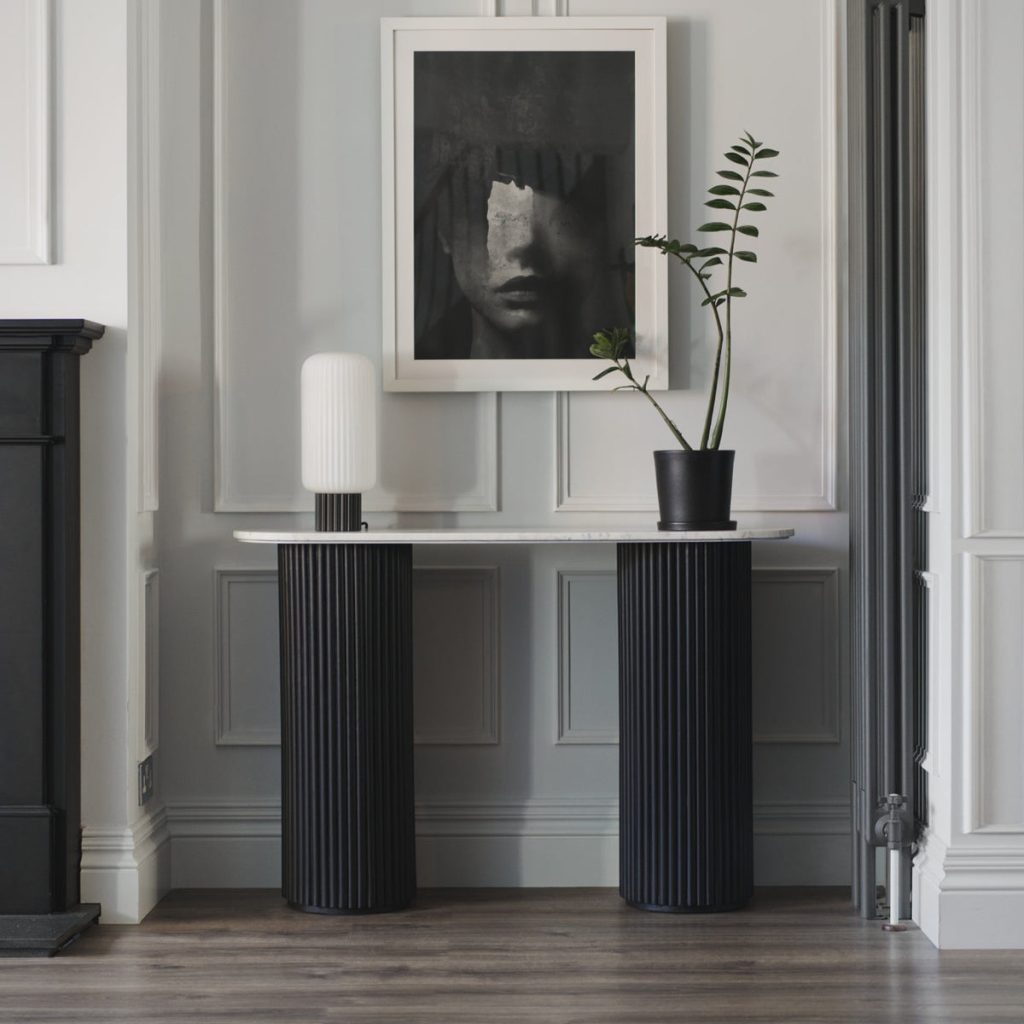
Are you wondering what the perfect height for your entryway table should be? Choosing the right height can make a big difference in how your space looks and feels.
Too tall or too short, and your table might look awkward or even make daily tasks harder. You’ll discover the average height for entryway tables and why it matters for your home’s style and functionality. Keep reading to find out how to pick the ideal size that fits your space and needs perfectly.

Credit: petalwoodinteriors.co.uk
Standard Entryway Table Heights
Standard entryway table heights offer a balance between style and function. Choosing the right height helps keep your space organized and welcoming. Entryway tables serve many roles, from holding keys to displaying decor. Their height affects how easy they are to use and how well they fit your space.
Common Height Ranges
Most entryway tables fall within a specific height range. This range suits most people and spaces. Common heights include:
- 28 to 32 inches (71 to 81 cm)
- 30 inches (76 cm) is the most popular height
- Shorter tables around 24 inches (61 cm) fit smaller areas
- Taller tables up to 36 inches (91 cm) work for standing use
The standard height matches well with sofa arms and chairs nearby. It also keeps items like lamps and bowls easy to reach.
Factors Influencing Height Choices
Several factors affect the ideal height of your entryway table. Consider these points before buying:
- Space size:Small entryways need shorter tables.
- Function:Use for storage or just decoration?
- User height:Tables should feel comfortable for daily use.
- Style:Modern, rustic, or traditional designs may vary in height.
- Other furniture:Match table height with nearby pieces.
Choosing the right height improves both comfort and room flow. It helps your entryway look neat and inviting.

Credit: petalwoodinteriors.co.uk
Matching Table Height To Entryway Size
Matching the height of an entryway table to the size of your space ensures balance and style. A well-proportioned table fits the room without crowding it. It also makes the area more functional and welcoming.
Choosing the right height depends on your entryway’s width, ceiling height, and furniture around it. The goal is a seamless blend that feels natural to anyone entering the home.
Small Entryways
In small entryways, a lower table height works best. It keeps the space open and avoids overwhelming the area.
- Choose tables about 28 to 30 inches tall.
- Keep the table slim and narrow to save space.
- Use light colors to make the area feel bigger.
A lower table makes it easier to place items like keys or mail without blocking the view. It also helps maintain a clear path in tight spaces.
Large Entryways
Large entryways allow for taller and wider tables. These tables can become a focal point of the room.
- Tables between 30 and 36 inches tall suit bigger spaces well.
- Choose tables with storage or decorative features.
- Consider matching the table height to nearby furniture like chairs or sofas.
Taller tables fill the space and create a welcoming feel. They offer more surface area for decorations or functional items.
Height Considerations For Functionality
Choosing the right height for your entryway table is crucial for both style and functionality. It’s not just about aesthetics; it’s about making your space practical and welcoming. So, how do you determine the perfect height for your needs?
Ease Of Use
An entryway table that’s too high or too low can be a daily annoyance. Ideally, your table should be at a comfortable height for placing and retrieving items. Most people find a height between 28 to 32 inches works best for ease of use.
Imagine coming home with groceries or a stack of mail. You want a surface that’s easy to reach without bending too much. This small detail can make your daily routine smoother and more pleasant.
Storage Needs
Consider how much storage you need. If you’re someone who likes to keep keys, mail, or decorative items on the table, a higher table might offer more space underneath. Options like drawers or shelves can be handy for storing smaller items.
Think about what you’ll primarily use the table for. Will it be a spot for your favorite decorative pieces or a catch-all for daily essentials? Your storage needs can influence the height and style of the table.
Have you ever struggled to find something because it was buried under clutter? A well-considered entryway table height can help keep your space organized and functional, enhancing your home’s first impression.
Styling Tips Based On Table Height
Styling your entryway table based on its height can dramatically change the vibe of your space. The height influences not only what items fit best but also how those items interact with the rest of your decor. Understanding the right styling approach for low versus tall tables helps you create a balanced and inviting entryway.
Decor Ideas For Low Tables
Low entryway tables work well when you keep the decor light and simple. Consider placing a shallow bowl for keys or a small stack of favorite books to avoid overcrowding.
Adding a low-profile lamp or a row of small potted plants brings life without overwhelming the space. Try using mirrors or art above the table to draw the eye upward and balance the table’s height.
Have you thought about using trays to organize smaller items? They keep things tidy and add a stylish touch without taking up much vertical space.
Decor Ideas For Tall Tables
Tall entryway tables invite you to play with vertical space and larger decor pieces. A tall vase with fresh flowers or branches can add height and drama effectively.
Stacking decorative boxes or adding a sculpture can create interesting layers without clutter. Also, consider hanging a statement mirror or artwork right above to complement the table’s stature.
What if you use the extra height to add functional elements like hooks or a small shelf underneath? This can maximize your entryway’s utility without compromising style.
Customizing Entryway Table Heights
Customizing the height of your entryway table can transform how it fits into your space and how you use it daily. The right height makes it easier to drop your keys, place your mail, or show off your favorite decor without straining. Think about your habits and who uses the table most often—this will guide your choices effectively.
Adjustable Tables
Adjustable tables offer flexibility that fixed-height tables simply can’t match. Many come with legs that can be extended or shortened, letting you find the perfect height whether you’re standing or sitting nearby. This adaptability is especially useful if your entryway serves multiple purposes, like a mini workspace or a spot for your kids to drop backpacks.
Imagine switching from a taller height for when you’re grabbing things quickly to a lower setting for when you want to sit and sort through mail. These tables often feature easy-to-use mechanisms, so changing height is quick and hassle-free. If you live in a small apartment or frequently rearrange your furniture, adjustable tables can be a game-changer.
Diy Modifications
If you already own an entryway table but find the height off, simple DIY modifications can help tailor it to your needs. Adding risers or stacking sturdy blocks under the legs can raise a table to a more comfortable level. Conversely, shortening the legs by cutting or removing sections can bring a tall table down to size.
Think about your tools and skills before starting: sanding, drilling, or painting might be needed to finish the look neatly. I once raised a plain wooden table by attaching thick wooden blocks underneath. It was cheap, quick, and gave me the perfect height for my entryway without buying a new piece.
Would you prefer a quick fix or a more permanent adjustment? Your decision will impact both the table’s stability and appearance, so plan accordingly. Customizing your entryway table height is about making the space work better for you, not just fitting standard measurements.
Comparing Entryway Tables With Other Furniture
Entryway tables often get compared to other similar furniture pieces, but understanding their height differences can help you choose the right fit for your space. Knowing how entryway tables stack up against console and sofa tables clarifies their unique purpose and design. This comparison also guides you in matching your table to the room’s flow and your daily needs.
Console Tables
Console tables and entryway tables are very similar, which can cause confusion. Typically, console tables stand around 30 to 36 inches tall, aligning closely with entryway table heights. This height works well for placing keys, mail, or decorative items just at arm’s reach.
However, console tables tend to be slightly narrower and longer, designed to fit against a wall in hallways or living rooms. If you want a table that doesn’t take up much space but still offers a surface for essentials, a console table might be your answer.
Sofa Tables
Sofa tables usually have a height between 28 and 32 inches, which is slightly lower than many entryway tables. Their height matches the back of most sofas, making them perfect for placing behind a couch without obstructing views or movement.
If you’ve ever struggled to find a spot for drinks or lamps in your living room, a sofa table’s height can be a practical solution. Think about where you’ll use your table most: entryway tables are ideal for quick drop-offs near the door, while sofa tables serve as handy surfaces in seating areas.
Expert Recommendations
Experts suggest that the ideal height for an entryway table ranges between 28 to 36 inches. This height fits most average door handles and mirrors, making the table practical and stylish. Choosing the right height ensures the table feels balanced in your space.
Designers recommend measuring nearby furniture and door handles before selecting a table. The table should be slightly lower than the door handle or mirror for a neat look. Comfort and usability matter most in this choice.
Designer Tips
- Pick a height between 30 and 32 inches for most homes.
- Match the table height to nearby furniture like sofas or chairs.
- Choose a slim profile to avoid crowding the entryway.
- Consider a height that allows easy access to keys and mail.
- Use the table height to complement wall decor like mirrors or art.
Popular Brands And Models
| Brand | Model | Height (inches) | Style |
|---|---|---|---|
| IKEA | HEMNES Console Table | 32 | Classic |
| West Elm | Mid-Century Entryway Table | 30 | Modern |
| Wayfair | Simple Rustic Console | 34 | Rustic |
| CB2 | Peekaboo Acrylic Table | 28 | Contemporary |
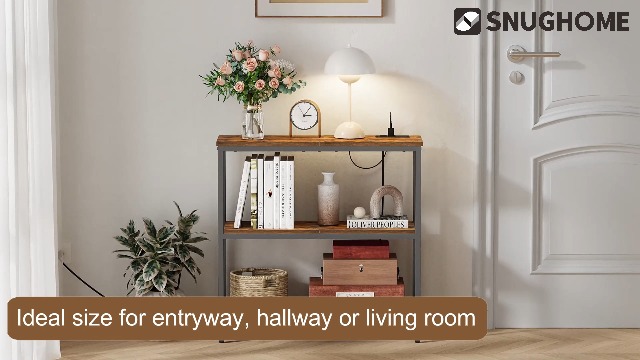
Credit: www.amazon.com
Frequently Asked Questions
What Is The Typical Height Of An Entryway Table?
The average height of an entryway table is usually between 28 to 32 inches. This height fits well under most mirrors and is comfortable for placing keys or decor items.
How To Choose Entryway Table Height For Your Space?
Measure the wall space and consider the nearby furniture height. Aim for a table height that complements your entryway without overwhelming the space.
Does Entryway Table Height Affect Room Aesthetics?
Yes, the right height balances the room’s proportions and enhances visual appeal. A properly sized table creates a welcoming and functional entryway.
Can Entryway Table Height Vary By Style?
Yes, modern tables might be lower, while traditional ones tend to be taller. Choose a height that matches your design theme and functional needs.
Conclusion
Entryway tables usually stand between 28 and 36 inches tall. This height fits most people comfortably and matches common furniture sizes. Choosing the right height helps keep your space functional and neat. Remember to consider your door height and wall space too.
A well-sized table adds style and convenience to your entryway. Keep these points in mind when picking your table. This way, your entryway looks balanced and feels welcoming every day.



