
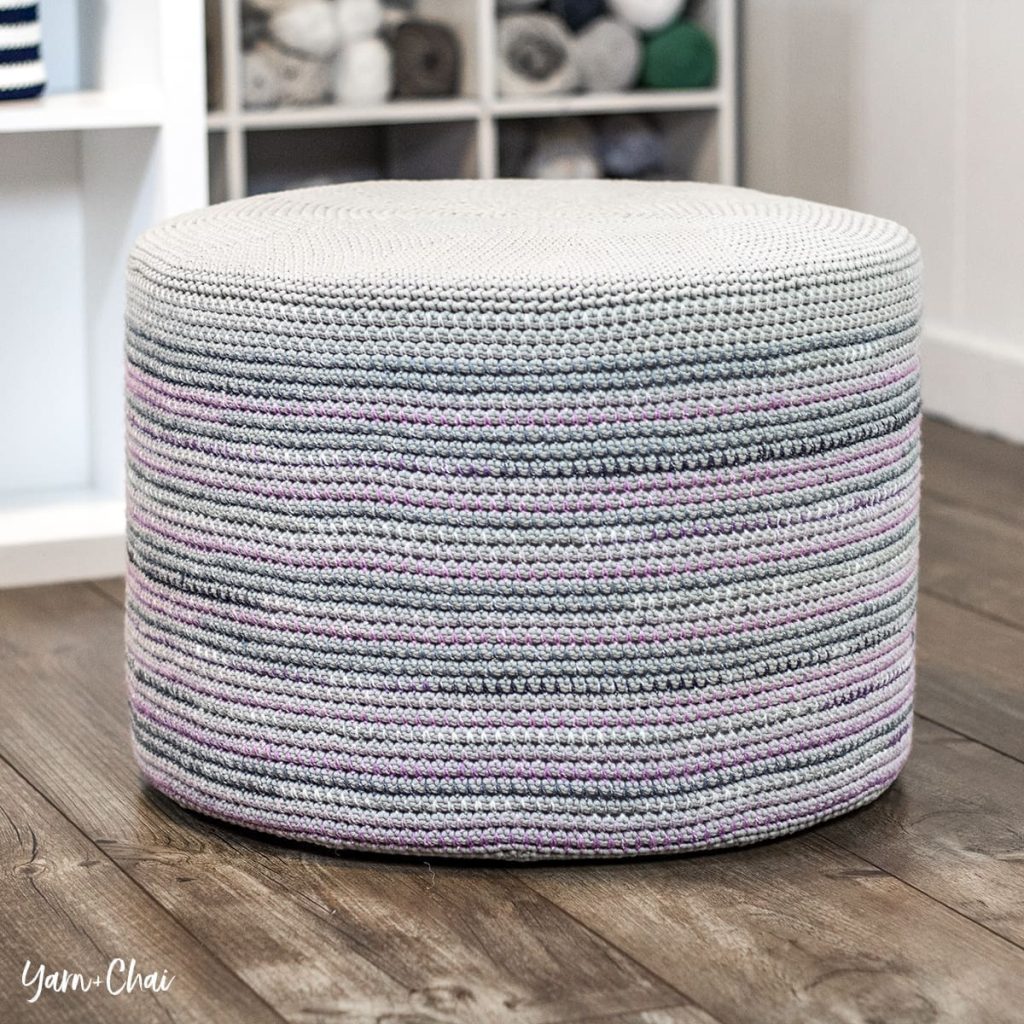
Looking to add a cozy and stylish touch to your living space without spending a fortune? Making a pouf at home is easier than you think, and it’s a fun project you can customize to fit your style perfectly.
Imagine having a unique piece that not only looks great but also offers extra seating or a comfy footrest. In this guide, you’ll discover simple steps to create your own pouf, even if you’re new to DIY. Ready to transform your room with something handmade and personal?
Let’s dive in and make your very own pouf today!
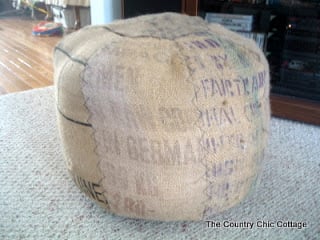
Credit: www.thecountrychiccottage.net
Materials Needed
Gathering the right materials is the first step to making a pouf at home. Your choice of fabric, filling, and tools will impact both the look and comfort of your finished pouf. Knowing what to use helps you avoid surprises and keeps the project smooth.
Fabric Choices
Pick a fabric that fits your style and durability needs. Cotton and linen are great for a casual look and easy to clean. If you want something more robust, consider canvas or denim—they stand up well to heavy use.
Don’t overlook texture. Velvet or faux leather can add a touch of luxury, but they might require more careful maintenance. Think about where your pouf will live and how much wear it will get before choosing your fabric.
Filling Options
Your pouf’s comfort depends largely on the filling you choose. Polystyrene beads are lightweight and moldable, making your pouf easy to move around. Alternatively, foam pieces provide firmer support but can be heavier.
Another option is recycled fabric scraps, which offer an eco-friendly and budget-friendly choice. Have you ever tried filling a cushion with old t-shirts or sweaters? It’s a clever way to reuse materials and create a unique feel.
Tools And Accessories
Having the right tools makes the assembly easier and more precise. You’ll need a sewing machine or a strong needle and thread if you prefer hand stitching. Scissors, pins, and a tape measure are essentials to cut and fit your fabric accurately.
Consider adding a zipper or buttons to your pouf cover for easy removal and cleaning. Don’t forget a fabric marker or chalk to mark your cutting lines. These small tools save time and prevent mistakes during the project.
Choosing The Right Size
Choosing the right size for your pouf is key to making it fit well in your room. A pouf that is too big can crowd the space, while one that is too small may look out of place. Taking the time to measure and decide on the right dimensions helps create a balanced and functional piece.
Measuring Your Space
Start by measuring the area where you want to place the pouf. Use a tape measure to find the length and width of the spot. Note any nearby furniture or pathways that need space to move freely.
Consider how much room you want around the pouf. Leave enough space for walking or sitting comfortably. Write down these measurements to guide your pouf size choice.
Deciding Pouf Dimensions
Think about the purpose of your pouf. Will it serve as extra seating, a footrest, or a side table? This helps determine the best height and width.
Common pouf sizes range from 14 to 20 inches in height and diameter. Choose a size that matches your space and use. Small rooms often need smaller poufs to avoid crowding.
Use this quick table to compare common pouf sizes:
| Size (inches) | Use | Room Type |
|---|---|---|
| 14-16 | Footrest, small seat | Small rooms, corners |
| 17-20 | Extra seating, side table | Living rooms, larger spaces |
Cutting The Fabric
Choose a sturdy fabric and lay it flat on a clean surface. Carefully cut the fabric pieces according to your pouf pattern for a perfect fit. Ensure smooth, even edges to make sewing easier.
Cutting the fabric is a crucial step in making a pouf at home. It sets the foundation for the entire project. The right cut ensures that your pouf will have the perfect shape and fit. Precision in cutting will lead to a professional-looking finish.Pattern Templates
Using pattern templates is essential for cutting fabric accurately. Templates help maintain consistency in shape and size. You can create your own templates from cardboard or heavy paper. This makes it easy to trace the design on the fabric. Ensure the template is the same size as your desired pouf panels. This step prevents any uneven seams or fabric waste.Tips For Accurate Cutting
Accurate cutting requires the right tools and techniques. Use sharp fabric scissors for clean cuts. Dull scissors can fray the fabric and cause uneven edges. Place the fabric on a flat, stable surface before cutting. This prevents it from slipping and ensures even lines. Mark your fabric with tailor’s chalk or a fabric marker. This ensures you follow the pattern lines precisely. Double-check measurements before making any cuts. This simple step avoids mistakes and saves fabric.Sewing The Pouf Cover
Sewing the pouf cover is a key step in making your pouf at home. This process shapes the fabric into a neat, durable cover that fits your pouf perfectly. Careful stitching ensures the cover holds up well with use. The cover must be both functional and attractive.
Start by preparing your fabric pieces according to the pouf pattern. Pin the pieces together to keep them aligned. Using the right sewing techniques will make your pouf look professional and last longer. Below are important tips to guide you through sewing the cover.
Basic Stitching Techniques
Use a straight stitch for most seams. It is strong and easy to sew. Keep your stitches even and tight to avoid gaps.
Backstitch at the start and end of each seam. This locks the stitches in place.
For curved edges, sew slowly and adjust the fabric as you go. This helps keep the shape smooth.
Use a sewing machine if available. It makes stitching faster and more consistent.
Adding Zippers Or Closures
A zipper allows easy removal of the cover for washing. Choose a zipper length that fits the pouf’s opening.
Pin the zipper to the fabric edges carefully. Sew close to the zipper teeth for a neat finish.
Try different closures like buttons or Velcro for a simple alternative. Sew them securely to hold the cover closed.
Test the zipper or closure several times before finishing. It should open and close smoothly without catching fabric.
Filling The Pouf
Filling your pouf correctly is key to making it both comfortable and durable. The right filling affects how your pouf holds its shape and how it feels when you sit or rest your feet on it. Choosing the right material and filling it evenly will ensure your homemade pouf looks great and lasts long.
Using Foam Or Beans
Foam and beans are two popular choices for filling a pouf. Foam provides firm support and keeps the pouf’s shape well over time. It’s great if you want a pouf that feels solid and supportive.
Beans, like polystyrene beads, offer a softer and more flexible feel. They let the pouf mold to your body, giving a cozy and relaxed vibe. However, beans might compress faster and need occasional refilling.
Think about how you want to use your pouf. Would you prefer it to be firm and structured or soft and squishy? This will guide your choice between foam and beans.
Ensuring Even Filling
Even filling is crucial to avoid lumps and uneven surfaces. Start by adding small amounts of filling at a time. Press and shape the pouf as you go to spread the filling evenly inside.
Use your hands to push the filling into corners and edges, making sure no spots are left empty or overly packed. Sitting on the pouf during filling helps you feel where more material is needed.
Would you rather have a pouf that’s perfectly balanced or one that’s a little loose and soft? Your personal comfort preference will guide how tightly you fill it.
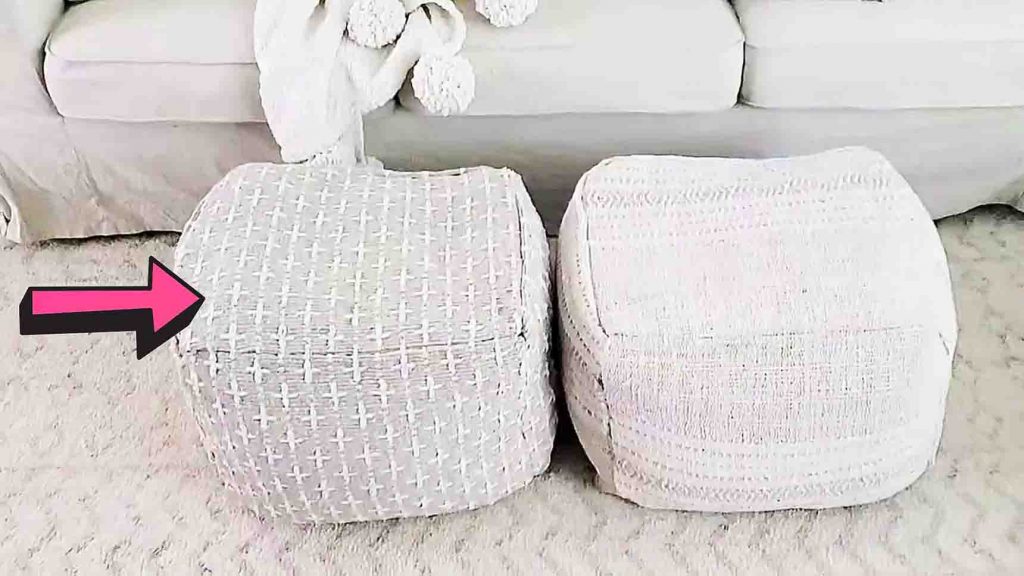
Credit: diyjoy.com
Finishing Touches
The finishing touches on your homemade pouf can transform it from a simple seat into a statement piece. These final details reflect your style and protect your handiwork, ensuring your pouf looks great and lasts long. Small additions can make a big difference, so think about how you want your pouf to feel and function in your space.
Decorative Elements
Adding decorative elements lets you personalize your pouf. You might sew on colorful buttons or use fabric paint to create patterns that match your room’s vibe. Think about attaching tassels or piping around the edges for a polished look.
Choosing the right decorations can also affect comfort. For example, soft, plush trims can make your pouf cozier, while leather patches add a rugged touch. What style speaks to you? Bold colors or subtle textures?
Maintaining Your Pouf
Keeping your pouf clean and in good shape is easier than you might think. Regularly vacuum or brush off dust and crumbs to prevent buildup. Spot clean stains immediately with mild soap and water to avoid permanent marks.
If your pouf has a removable cover, wash it according to the fabric’s instructions. Fluff the filling occasionally to maintain its shape and comfort. How often do you refresh your living space’s soft furnishings? Your pouf deserves that attention too.
Styling Tips
Styling a homemade pouf can enhance any room’s atmosphere. It adds comfort and a unique touch. Choosing the right style ensures the pouf blends well and stands out.
Matching With Room Decor
Pick colors that complement your room’s palette. Soft tones work well in calm spaces. Bright colors add a fun, lively vibe. Consider patterns that echo curtains or cushions. Texture matters—knitted poufs offer warmth, while leather adds sleekness. Keep size proportional to avoid overcrowding the room.
Creative Placement Ideas
Place poufs near sofas for extra seating. Use them as footrests in front of chairs. Create a cozy reading nook with a pouf and a small lamp. Group multiple poufs for a casual, inviting feel. A pouf can also serve as a low table for trays or books. Try placing one by a window to enjoy sunlight while relaxing.
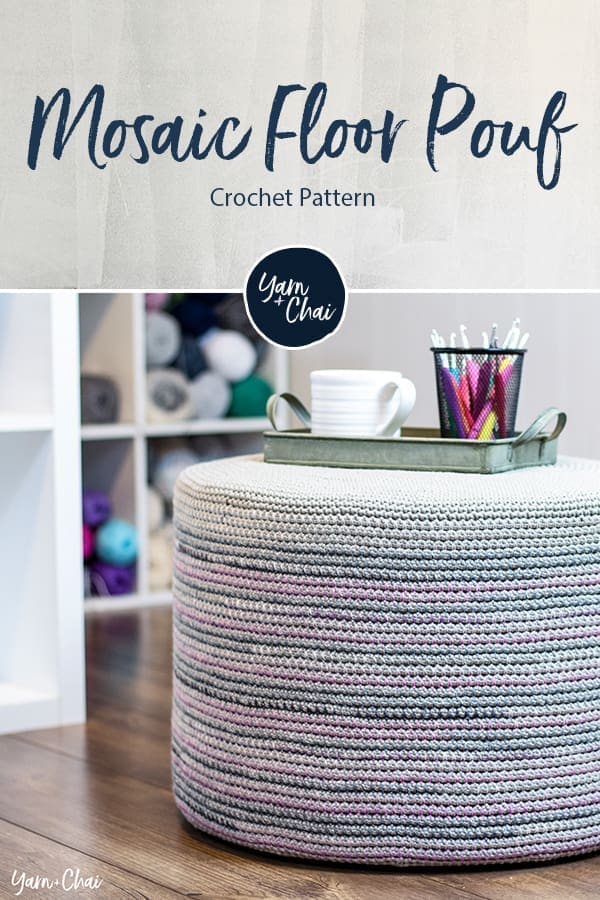
Credit: yarnandchai.com
Frequently Asked Questions
What Materials Do I Need To Make A Pouf At Home?
To make a pouf, gather fabric, stuffing, thread, and a sewing machine. You can also use old clothes or foam for filling. These materials are affordable and easy to find in craft stores or online.
How Long Does It Take To Make A Homemade Pouf?
Making a pouf typically takes 2 to 4 hours. This depends on your sewing skills and the pouf’s size. Simple designs are faster, while detailed patterns may require extra time.
Can I Customize The Size And Shape Of My Pouf?
Yes, you can customize your pouf’s size and shape. Use your preferred fabric and adjust measurements to fit your space and style. Customization makes your pouf unique and functional.
Is Sewing Experience Required To Make A Pouf?
Basic sewing skills are helpful but not mandatory. Many pouf patterns are beginner-friendly. You can also use fabric glue or no-sew methods for easier pouf creation.
Conclusion
Making a pouf at home is a fun and simple project. You can use old clothes or fabric scraps to save money. This craft adds a cozy touch to any room. Plus, it lets you choose colors and patterns you like.
Sit back and enjoy your new, comfy pouf. Try it today and see how easy it is!



