
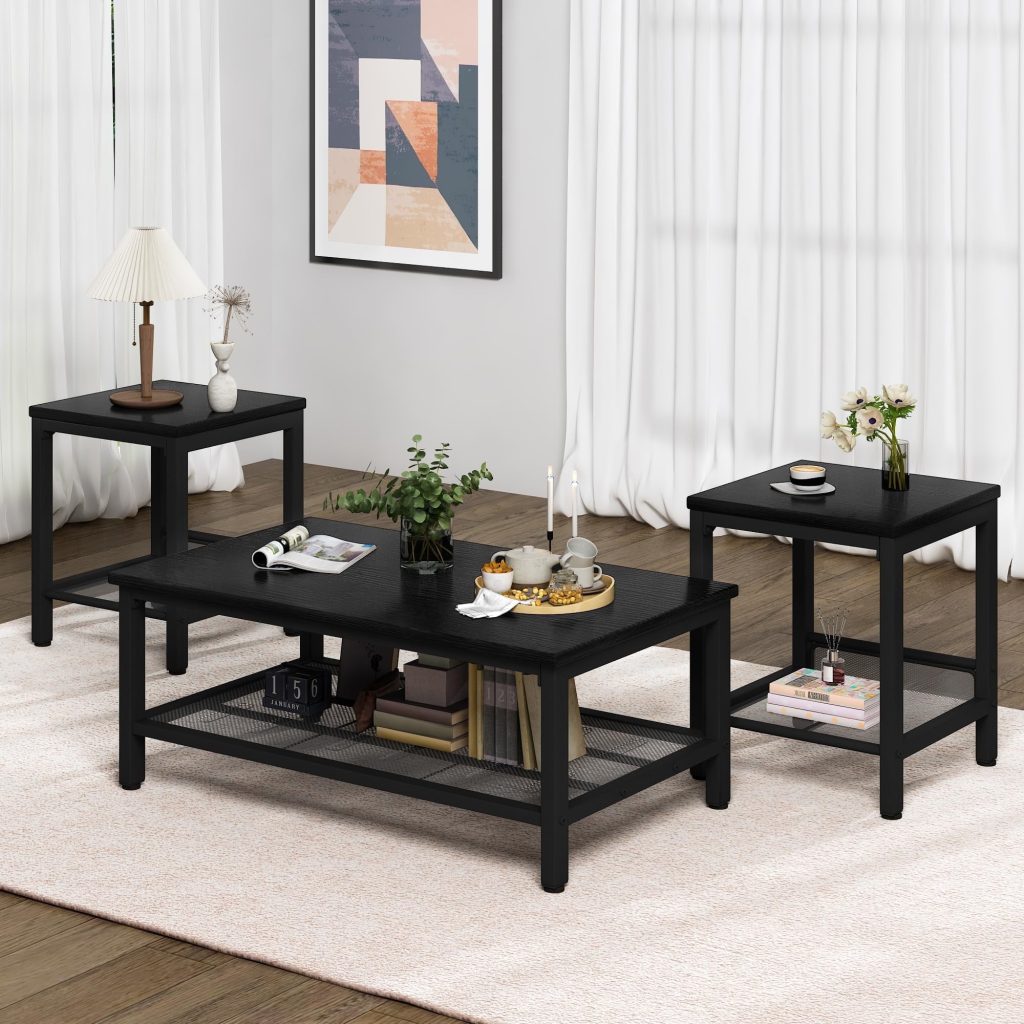
Choosing the right color for your coffee table and end tables can completely change the feel of your living space. You might wonder how to pick a shade that matches your style and makes your room look inviting.
Whether you want something bold that stands out or a neutral tone that blends in, the color you choose matters more than you think. You’ll discover simple tips to find the perfect color for your tables that will bring harmony and charm to your home.
Keep reading to unlock the secrets of creating a space you’ll love to relax in.

Credit: www.amazon.ca
Choosing Colors For Coffee Tables
Choosing the right color for your coffee table sets the tone for your living space. It affects how the room feels and looks. The color should blend well with other furniture and decor. It also needs to fit your style and daily use. Careful color selection can enhance your room’s comfort and style.
Neutral Shades For Versatility
Neutral colors like beige, gray, and white offer great flexibility. They easily match different decor styles. These shades create a calm and balanced look. Neutral tables work well with bold or soft colors in the room. They also help to keep the space light and open.
Bold Colors To Make A Statement
Bright colors like red, blue, or green add energy and focus. They become the room’s centerpiece. Bold coffee tables express personality and creativity. Use them in simple rooms to add a pop of color. This choice suits those who like unique and lively spaces.
Wood Tones And Natural Finishes
Wood tones bring warmth and natural beauty to your room. Light woods like oak create a fresh and airy feel. Dark woods like walnut add richness and depth. Natural finishes highlight the grain and texture of wood. These colors blend well with many furniture types and styles.
Matching End Tables To Your Decor
Matching end tables to your decor enhances your room’s style and balance. These small pieces can blend or stand out. Choosing the right color creates harmony or adds a pop of interest. Consider your room’s palette and mood before selecting a color. Think about the effect you want: calm and unified or bold and lively.
Complementary Colors For Harmony
Choose colors close to your main furniture tones. Soft shades like beige, cream, or light gray match many styles. They create a calm and cozy space. Using similar colors avoids clashing and keeps the look smooth. Wood tones also work well for a warm, natural feel.
Contrasting Colors For Visual Interest
Pick colors opposite your main decor for a striking look. Dark tables near light sofas create drama. Bright colors like red or blue add energy to neutral rooms. Contrast draws the eye and adds personality. This choice works well in modern or eclectic spaces.
Metallic Finishes For Modern Looks
Metallic end tables bring shine and style. Gold, silver, or bronze add a sleek touch. These finishes fit well with modern or industrial decor. They reflect light and brighten the space. Pair metals with glass or marble tops for extra elegance.
Color Tips For Different Interior Styles
Choosing the right color for coffee and end tables depends on your interior style. Neutral tones suit modern spaces, while warm shades complement rustic rooms. Bright colors work well in eclectic designs to add a fun touch.
Choosing the right color for your coffee table and end tables can dramatically influence the vibe of your living space. It’s not just about matching furniture; it’s about creating harmony and enhancing your chosen interior style. Dive into these color tips to ensure your tables complement your decor effortlessly.Minimalist And Scandinavian
In minimalist and Scandinavian interiors, simplicity reigns supreme. Opt for muted tones like whites, soft grays, or light woods. These colors maintain a clean and airy feel, allowing the space to breathe. Consider the use of materials like birch or pine, which naturally offer lighter shades. This can enhance the minimalist aesthetic without feeling stark. Do you prefer a splash of color? Subtle pastels can add interest without overwhelming the space.Rustic And Farmhouse
For rustic and farmhouse styles, warmth and coziness are key. Rich browns, deep greens, and earthy tones work beautifully here. These colors can evoke a sense of nostalgia and comfort. Imagine a reclaimed wood coffee table with a warm walnut finish. It immediately brings a touch of nature indoors. To balance, pair it with lighter end tables in distressed white or cream shades.Industrial And Urban
Industrial interiors thrive on edgy, raw aesthetics. Think of colors like blacks, grays, and metallics. These hues complement the exposed structures and unfinished surfaces typical of this style. A steel-framed coffee table with a dark wood top can be the centerpiece. You might also consider concrete surfaces for a unique texture. Does your space need a touch of warmth? Incorporating warm leather or rust hues can soften the industrial vibe.Bohemian And Eclectic
Bohemian and eclectic styles celebrate color and pattern. Vibrant hues and unexpected combinations bring life to these spaces. Think of jewel tones, rich blues, and lush greens. A colorful mosaic-topped table or a hand-painted piece can become a focal point. Don’t shy away from mixing and matching different colors and materials. Which color speaks to your soul? Trust your instincts and let your personality shine through.Mixing And Matching Table Colors
Mixing and matching table colors can create a lively and inviting space. It adds character and depth to your room. Choosing the right combinations helps your coffee table and end tables stand out. It also ties the furniture together with the rest of your décor. The key is to find harmony between different colors and styles.
Balancing Multiple Hues
Start with a base color that complements your room’s palette. Use this color for one of the tables to anchor the look. Introduce another color for the second table to add contrast. Choose shades that are either lighter or darker than the base. This creates a balanced, layered effect. Avoid using colors that are too similar to prevent a flat look.
Using Patterns And Textures
Patterns and textures add interest without overwhelming the space. Consider a wood grain finish for one table and a smooth painted surface for another. Textured surfaces like wicker or metal can bring variety. Patterns can be subtle, such as a distressed paint look or a carved design. These details make each piece unique while still working together.
Avoiding Color Clashes
Choose colors that share a common undertone. Warm tones like reds and browns usually blend well. Cool tones such as blues and grays also pair nicely. Steer clear of pairing colors that fight for attention. For example, bright red and neon green may clash. Use neutral colors like white, black, or beige to soften bold choices.
Practical Considerations For Table Colors
Choosing the right color for your coffee table and end tables goes beyond just matching your decor. You need to think about how the color will hold up over time, how it interacts with your room’s lighting, and how it affects the perception of space. These practical considerations ensure your tables stay both beautiful and functional.
Maintenance And Durability
Dark-colored tables often hide stains and scratches better than light ones, which can save you time on cleaning. However, lighter colors can reveal dust and dirt quickly, prompting more frequent upkeep. If you have kids or pets, think about choosing colors that mask wear and tear to keep your furniture looking fresh longer.
Materials also influence durability alongside color. A glossy white table might look stunning but could show fingerprints and spills easily. On the other hand, a matte or textured finish in a medium tone can be forgiving and easier to maintain.
Lighting Impact On Color
Natural and artificial light change how colors appear in your space. A table color that looks warm and inviting in daylight might feel dull or harsh under artificial lighting. Try viewing paint or stain samples in different lighting throughout the day before deciding.
Have you noticed how a dark table can absorb light, making a room feel cozier? Conversely, lighter tables reflect light and can brighten a space. Keep in mind how your lighting setup interacts with your table color to create the mood you want.
Room Size And Color Choices
Small rooms benefit from lighter table colors since they create an illusion of more space. Conversely, in larger rooms, darker tables can add depth and anchor the furniture arrangement. Your choice can subtly influence how spacious or intimate the room feels.
Think about the balance between your tables and other elements like rugs, sofas, and walls. A dark coffee table in a small, light-colored room might become a striking focal point, but too many dark pieces can overwhelm the space. Would a medium-tone table offer the best compromise?
Credit: www.costco.com

Credit: infrakraft.com
Frequently Asked Questions
What Color Matches Best With Wooden Coffee Tables?
Neutral tones like beige, gray, and white complement wooden coffee tables well. These colors highlight the wood’s natural beauty and create a balanced look.
How To Choose End Table Colors For Small Spaces?
Opt for light colors like white or pastel shades. These colors make small spaces feel larger and more open while adding brightness.
Can Dark Coffee Tables Work In Light Rooms?
Yes, dark coffee tables create contrast and add depth in light rooms. They serve as focal points and enhance room elegance.
Should Coffee And End Tables Match In Color?
Matching colors create a cohesive and harmonious look. However, complementary colors can add interest and style when chosen carefully.
Conclusion
Choosing the right color for coffee and end tables sets the room’s mood. Neutral shades fit many styles and keep spaces calm. Bold colors add energy and draw attention. Wood tones bring warmth and a natural feel. Match table colors with your walls and furniture for balance.
Think about light and size too. The best color fits your taste and room’s purpose. Simple choices make your space look fresh and inviting. Enjoy picking colors that make your home feel just right.



