
Looking for a stylish and cozy addition to your living space without the hassle of sewing? You’re in the right place!
Making a no sew pouf is easier than you think, and it’s a perfect project even if you’ve never crafted before. Imagine having a comfy, handmade pouf that adds charm and extra seating to your room—all made by you, with simple materials and no needles or thread needed.
Keep reading, and you’ll discover step-by-step how to create your own pouf quickly and effortlessly. Your home makeover starts here!
Credit: fallfordiy.com
Materials Needed
Gathering the right materials is key to making a no-sew pouf. Choosing the best fabric and filling affects its look and comfort. You also need a few extra supplies to complete your project smoothly.
Fabric Choices
- Choose sturdy fabrics like canvas or denim for durability.
- Soft fabrics such as fleece or cotton add comfort.
- Patterned or solid colors can match your room decor.
- Make sure the fabric is thick enough to hold shape.
- Consider washable materials for easy cleaning.
Filling Options
- Polyester fiberfill is light and fluffy for a soft pouf.
- Foam beads provide good support and shape.
- Old clothes or fabric scraps work as eco-friendly fillers.
- Use shredded foam or pillow stuffing for extra comfort.
- Choose filling based on firmness and budget.
Additional Supplies
- Fabric glue or strong double-sided tape for assembling.
- Measuring tape to get accurate fabric sizes.
- Scissors sharp enough to cut fabric cleanly.
- Clips or heavy objects to hold fabric in place.
- Marker or chalk to mark cutting lines on fabric.
Preparing The Fabric
Preparing the fabric is an important part of making a no sew pouf. It sets the foundation for a neat and sturdy final product. Choose fabric that feels strong and easy to work with. Cotton and fleece work well because they don’t fray easily. Wash and dry the fabric before starting to remove any shrinkage.
Cutting the fabric accurately ensures your pouf pieces fit together perfectly. Take your time and use a ruler and fabric scissors for clean edges. Precise measurements keep the pouf balanced and attractive.
Measuring And Cutting
Begin by measuring the size of your pouf. Use a tape measure or ruler to mark the fabric. Draw straight lines with a fabric marker or chalk. Cut along the lines carefully to avoid jagged edges. Make sure to cut two large squares or circles depending on your pouf shape. Double-check your measurements before cutting to save fabric and effort.
Creating Fabric Strips
Fabric strips will tie your pouf pieces together securely. Cut strips about 1 to 2 inches wide and 6 to 8 inches long. Keep the edges straight for easy tying. Use the same fabric or a matching color for a clean look. Lay the strips flat to avoid twisting when you tie them. Prepare enough strips to go around the entire pouf edge.
Assembling The Pouf
Cut fabric strips and wrap them tightly around a soft filling. Tie knots to secure the shape without sewing. Arrange evenly to form a round, cushioned pouf.
Assembling the pouf is where the magic happens. It’s the moment when those fabric strips transform into a cozy and functional piece of furniture. This process is not only straightforward but also incredibly satisfying. Imagine creating a beautiful pouf without the need for a needle or thread. Let’s dive into the details of assembling this unique piece.Laying Out The Strips
Start by laying out all your fabric strips on a flat surface. Ensure they are of even length for a uniform look. You might be surprised at how the colors and patterns start to blend into a cohesive design. Arrange the strips in a crisscross pattern. This layout forms the base structure of the pouf. It’s like creating a simple yet intricate puzzle with fabric. Organize the strips in layers, alternating directions. This not only adds stability but also enhances the aesthetic appeal of your pouf.Weaving Techniques
Begin weaving the fabric strips over and under each other. This process is similar to braiding hair, requiring a rhythm and flow. Ensure each strip is snugly woven to maintain the pouf’s shape. Experiment with different weaving techniques for varied textures. Try a simple basket weave for a classic look, or mix it up with a diagonal weave for added flair. As you weave, adjust the strips to prevent any gaps. This attention to detail will result in a polished and professional finish. Have you considered the impact of color combinations while weaving? The interplay of hues can dramatically change the pouf’s overall appearance. Once the weaving is complete, tuck the ends of the strips neatly. This step secures the weave and keeps your pouf looking tidy. Remember, the devil is in the details, and a clean finish makes all the difference.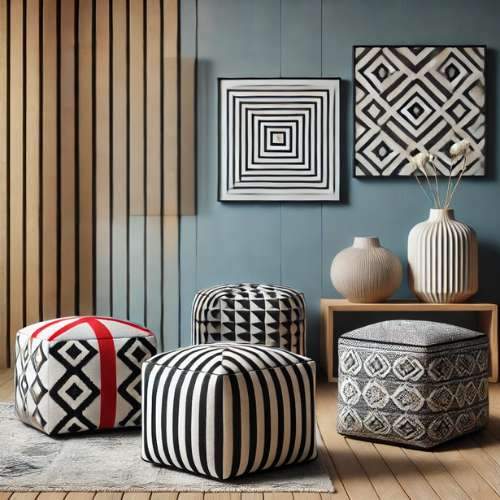
Credit: www.reasonstoskipthehousework.com
Securing The Pouf
Securing the pouf is a key step in this no sew project. It ensures the pouf holds its shape and lasts longer. A well-secured pouf looks neat and feels sturdy. The edges must be tightly bound. Small details make a big difference.
Binding The Edges
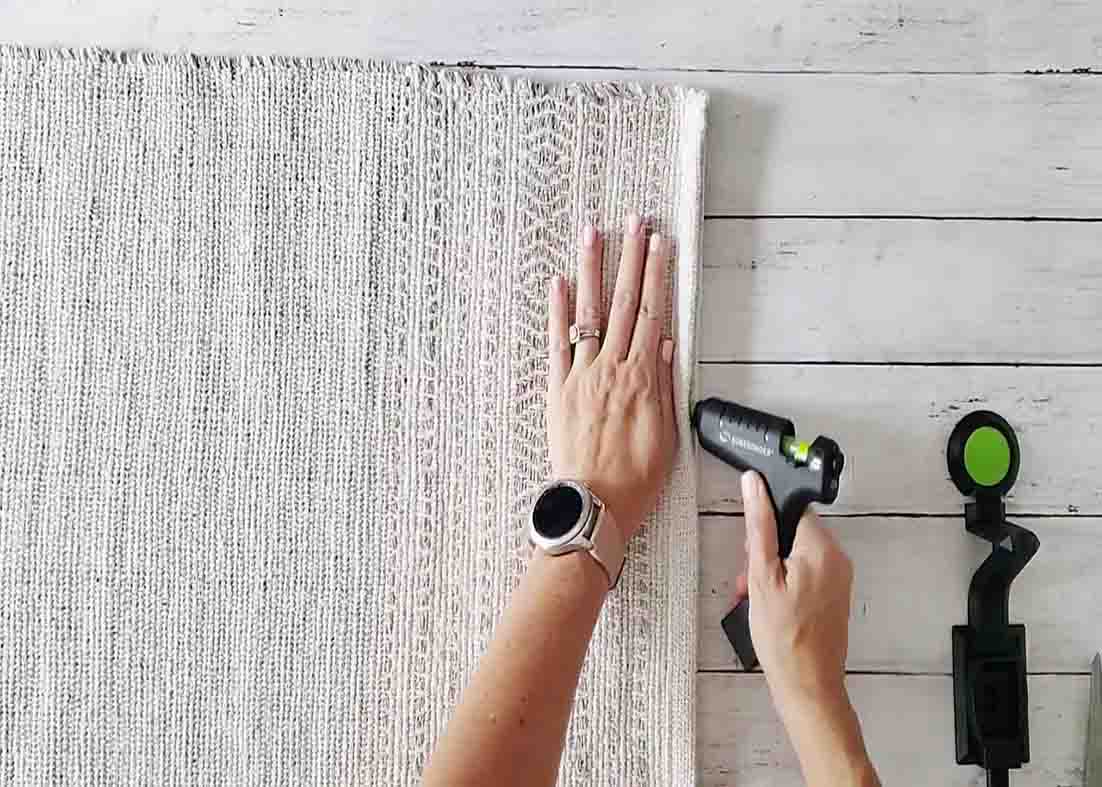
Start by folding the edges inward to hide raw fabric. Use strong fabric glue along the folds for a clean hold. Press edges firmly and hold for a few minutes. Clothespins or clips help keep edges in place while drying.
Wrap a thick ribbon or twine around the pouf’s middle. Tie it tightly to support the shape. This binding keeps the fabric from loosening or fraying over time.
Adding Finishing Touches
Attach decorative buttons or fabric patches at seams. Use glue or hot glue for a firm hold. These small additions cover any gaps and add style.
Check all sides for loose fabric or weak spots. Apply more glue if needed. Let the pouf dry completely before use. This step ensures durability and a polished look.
Filling The Pouf
Filling the pouf correctly is essential to achieve the perfect balance between comfort and shape. It’s not just about stuffing it full; the type and amount of filling can change how your pouf feels and looks. Let’s dive into how to pick the right stuffing and how to fill your pouf for the best results.
Choosing The Right Stuffing
Picking the right stuffing depends on how you plan to use your pouf. If you want something soft and cushy, polyester fiberfill is a popular choice. It’s lightweight, easy to work with, and gives a plush feel.
For a firmer pouf, consider using foam chunks or even old pillows cut into pieces. These provide more structure and can support weight better. Another option is to use recycled materials like fabric scraps or plastic pellets, which add weight and durability.
Think about whether the pouf will be mainly decorative or if it will get heavy use. This will help you decide if you want it soft enough to sink into or firm enough to sit on comfortably.
Filling Tips For Shape And Comfort
Start filling your pouf gradually to control its shape. Adding stuffing little by little lets you adjust firmness as you go. Don’t rush to stuff it completely full at once.
Distribute the filling evenly by pushing it into the corners and edges to avoid lumps. If you want a squishy pouf, keep the filling looser. For a pouf that holds its shape, stuff it tighter but be careful not to overfill, or the seams may strain.
Ask yourself: How do you want your pouf to feel after hours of use? Soft and relaxing, or firm and supportive? Adjust your stuffing accordingly. Remember, you can always add or remove stuffing to find the perfect balance.
Styling Your Pouf
Styling your no sew pouf is where your creativity truly shines. It’s not just about making a functional piece but turning it into a statement that reflects your personality. Let’s look at how you can choose colors and patterns that pop, and find the perfect spot in your home to showcase your handiwork.
Color And Pattern Ideas
Think about the mood you want to create. Bright colors like mustard yellow or coral instantly energize a room. If you prefer calm and cozy, soft pastels or earthy tones work beautifully.
Mixing patterns can add depth and interest. Stripes paired with florals or geometric shapes can make your pouf a focal point. Don’t be afraid to try contrasting colors; sometimes unexpected combos bring the best results.
- Use bold patterns if your room has mostly solid colors.
- Choose subtle prints if your space is already busy.
- Consider the texture of the fabric—it affects how the color appears.
Placing In Your Home
Placement changes how your pouf interacts with the space. Near a sofa, it acts as extra seating or a footrest. In a bedroom corner, it can create a cozy reading nook.
Think about traffic flow—your pouf should be easy to move but not in the way. Try placing it by a window or beside a coffee table to add functionality and style.
Have you noticed how a well-placed pouf invites you to relax? That’s the kind of subtle charm you want to achieve in your home setup.
Maintenance And Care
Keeping your no sew pouf clean and intact helps it last longer. Simple care steps prevent damage and maintain its look. Regular attention keeps your pouf fresh and cozy.
Cleaning Tips
Spot clean stains quickly with a damp cloth. Use mild soap mixed with water for tougher spots. Avoid soaking the fabric to prevent damage. Let the pouf air dry fully before use. Vacuum the pouf regularly to remove dust and dirt. Use a soft brush attachment to protect the fabric.
Repairing Wear And Tear
Check the pouf often for loose fabric or stuffing. Use fabric glue or double-sided tape to fix small tears. Patch larger holes with matching fabric pieces. Reinforce weak seams with extra glue or tape. Replace stuffing when it becomes flat or lumpy. Keep an extra bag of stuffing handy for quick fixes.
Credit: diyjoy.com
Frequently Asked Questions
What Materials Do I Need To Make A No Sew Pouf?
You need fabric, stuffing like foam or polyester, scissors, and fabric glue. Optional items include a measuring tape and a marker for precision.
How Long Does It Take To Make A No Sew Pouf?
Making a no sew pouf typically takes 1 to 2 hours. Time varies with fabric type and your crafting experience.
Can I Customize The Size Of The No Sew Pouf?
Yes, you can easily customize the pouf size. Adjust fabric dimensions and stuffing amount to fit your space and needs.
Is No Sew Pouf Durable For Regular Use?
Yes, with quality fabric and strong glue, no sew poufs hold up well. Avoid overstuffing for longer durability.
Conclusion
Making a no sew pouf is simple and fun. You only need a few materials and some patience. This project suits any skill level and adds style to your room. Try different fabrics to match your home decor. Enjoy a cozy and unique pouf without sewing skills.
Start your no sew pouf today and see how easy crafting can be!



