
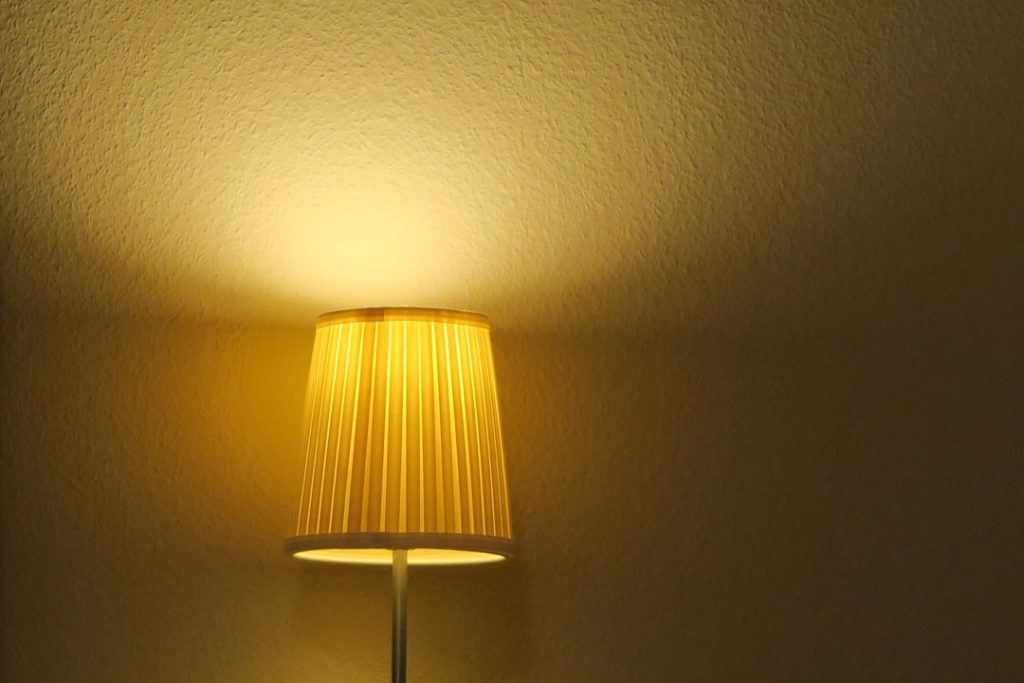
Choosing the perfect floor lamp can change the entire feel of your room. But with so many styles, sizes, and features, it’s easy to feel overwhelmed.
You want a lamp that not only lights up your space but also fits your style and needs. Imagine finding that one lamp that makes your room cozy, bright, and inviting—all at once. Keep reading, and you’ll discover simple tips to pick the ideal floor lamp for your home without any stress.
Your perfect lighting solution is closer than you think.
Credit: homeyfad.com
Types Of Floor Lamps
Floor lamps come in many styles and designs. Each type offers unique lighting and suits different rooms and needs. Choosing the right one can change the mood and look of your space.
Understanding the main types of floor lamps helps you pick the best fit. Here are some popular styles to consider.
Torchiere Lamps
Torchiere lamps direct light upward to brighten a whole room. They have a tall, slim shape with a bowl-shaped shade. These lamps create soft, indirect light that reduces shadows.
They work well in living rooms and bedrooms. Torchiere lamps add height and elegance to any corner.
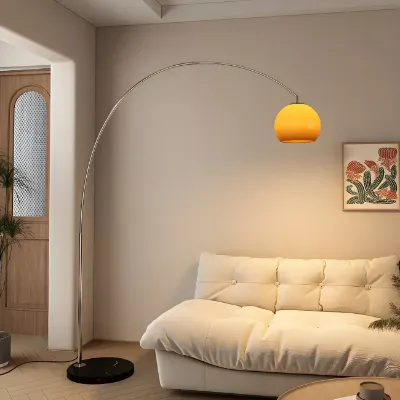
Arc Lamps
Arc lamps have a long, curved arm that extends over furniture. The light hangs down, perfect for reading or task lighting. These lamps bring a modern, stylish look.
Use arc lamps near sofas or chairs to create a cozy spot. They save floor space and add visual interest.
Tree Lamps
Tree lamps feature multiple branches with several light sources. They offer layered lighting, great for large rooms. Each bulb can often be adjusted or turned on separately.
Tree lamps brighten a whole area and add a decorative touch. They suit living rooms and offices well.
Adjustable Lamps
Adjustable floor lamps have movable parts for directing light where needed. They are practical for reading, crafting, or workspaces. You can change the height, angle, or position easily.
These lamps fit small spaces and provide focused light. They combine function and style effectively.
Assessing Your Lighting Needs
Choosing the right floor lamp starts with understanding how you want to use the light in your space. Assessing your lighting needs helps you decide the style, brightness, and placement that will work best for you. Think about what activities will happen around the lamp and how the light can support those moments.
Ambient Lighting
Ambient lighting provides overall illumination to a room. It creates a comfortable level of brightness without glare. If you want a floor lamp to brighten up your living room or bedroom evenly, look for one with a soft, diffused light source.
Consider lamps with fabric shades or frosted glass to spread light gently. Ask yourself, do you need a lamp that fills the entire room with light or just a cozy glow in one corner? Your answer will guide the lamp’s brightness and design.
Task Lighting
Task lighting focuses on specific activities like reading, working, or cooking. You need a brighter, more directed light to avoid eye strain. A floor lamp with an adjustable arm or a focused beam works great for this purpose.
I once struggled to find a reading lamp that didn’t cast shadows on my book. Choosing a lamp with a flexible neck made a huge difference. What tasks will you use your floor lamp for? Pinpointing this can help you pick a lamp that meets your exact needs.
Accent Lighting
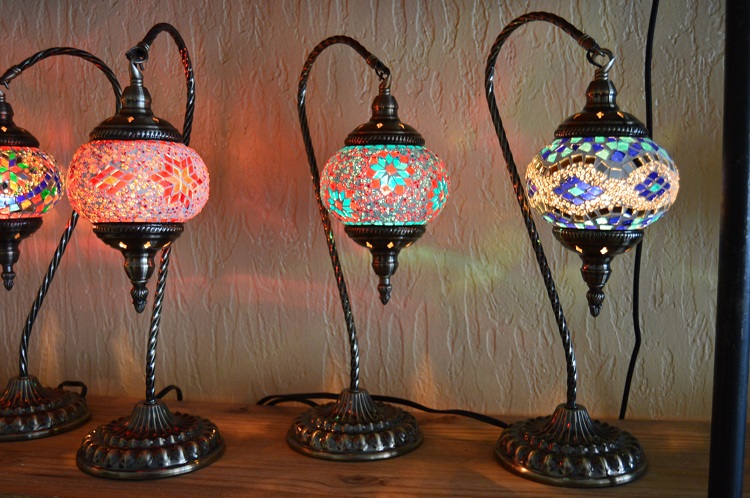
Accent lighting highlights certain features or adds visual interest to a space. It’s less about brightness and more about creating mood or drawing attention. Floor lamps with colored bulbs or unique designs can serve as stunning accent pieces.
Think about whether you want to highlight artwork, plants, or architectural details. Would a warm glow or a bold splash of color fit better in your room? This decision shapes both the style and function of your floor lamp.
Considering Room Size And Layout
Choosing the right floor lamp involves considering room size and layout. A lamp should complement the space without overwhelming it. Ensure the lamp’s height and style fit the room’s design.
Considering the size and layout of your room is essential. It can guide your choice of floor lamp. A lamp that fits well enhances both aesthetics and functionality. Let’s explore different room scenarios.Small Spaces
In small spaces, size matters. A slim floor lamp can save space. Choose a lamp with a narrow base. This avoids clutter. Consider a lamp with multiple functions. Some lamps offer shelves or a table. This adds storage without taking extra space. Light color lamps can make the room feel larger. Avoid bulky designs in compact areas.Large Rooms
Large rooms need more light. A floor lamp with adjustable arms works well. It can direct light to different spots. A tall lamp can fill vertical space. This adds balance to the room. Choose a lamp with a wide base for stability. In big rooms, bold designs can become a focal point. This adds character to the room.Furniture Placement
Furniture placement affects light distribution. A lamp near a sofa or reading chair is useful. It provides focused light for reading. Place lamps at varying heights for interest. Avoid placing lamps where they block pathways. Consider lamp size relative to furniture. A large lamp beside a small chair can look awkward. Balance is key for a cohesive look.Choosing The Right Style
Choosing the right style for your floor lamp can change the entire vibe of your space. It’s not just about lighting; it’s about matching your personality and the room’s character. Think about how the lamp will complement your furniture and decor before making a choice.
Modern Designs
Modern floor lamps often feature clean lines and sleek finishes like chrome or matte black. They work well in spaces that feel open and uncluttered. If you want a statement piece that doubles as art, look for designs with geometric shapes or bold colors.
Consider a lamp with adjustable arms or dimmable features to add versatility. Have you noticed how a modern lamp can instantly make your living room feel more current and stylish?
Traditional Looks
Traditional floor lamps bring warmth with classic shapes and rich materials like wood or brass. They often have fabric shades that soften the light, creating a cozy atmosphere. This style suits rooms filled with antiques, plush sofas, or vintage rugs.
If you want your lamp to blend seamlessly with an old-world charm, pick one with ornate details or a curved silhouette. Does your space call for a touch of elegance and timelessness?
Industrial And Rustic
Industrial and rustic floor lamps showcase raw materials like metal, wood, and exposed bulbs. They add a rugged, authentic feel to spaces that embrace loft-style or farmhouse decor. Look for lamps with visible screws, distressed finishes, or pulley mechanisms.
These lamps are perfect if you want to add texture and character without overwhelming the room. Could a rugged, handcrafted look be the finishing touch your room needs?
Minimalist Options
Minimalist floor lamps focus on simplicity and function, often with slim profiles and neutral colors. They don’t draw attention but quietly enhance the space. Choose a lamp with a single color and minimal detailing to maintain a clean, uncluttered look.
Minimalist lamps are ideal if you prefer a calm, distraction-free environment. How much does your room benefit from less visual noise and more practical lighting?
Selecting The Ideal Bulb
Choosing the right bulb for your floor lamp affects both the look and feel of your room. The bulb type impacts energy use, light quality, and lifespan. Picking the perfect bulb brightens your space and saves money on electricity. Consider key factors like bulb type, color temperature, and brightness to find the ideal match for your needs.
Led Vs. Incandescent
LED bulbs use less energy than incandescent ones. They last much longer, reducing the need for frequent replacements. Incandescent bulbs produce a warm light but waste more energy. LED bulbs are cooler to the touch, making them safer for floor lamps. Choose LED for efficiency and savings. Incandescent may suit a cozy, traditional feel but costs more over time.
Color Temperature
Color temperature describes the light’s warmth or coolness. Measured in Kelvins (K), it ranges from warm yellow to cool white. Warm light (2700K–3000K) creates a relaxing, inviting atmosphere. Cool light (4000K–5000K) helps with focus and clarity. Match color temperature to your room’s purpose. Living rooms benefit from warm tones. Work areas need cooler, bright light.
Brightness Levels
Brightness is measured in lumens, not watts. Higher lumens mean brighter light. Choose a bulb with enough brightness for your tasks. Reading requires more light than ambient lighting. Adjustable brightness bulbs offer flexibility for different moods. Check your lamp’s maximum wattage to avoid damage. Balance brightness for comfort and function in your space.
Material And Finish Choices
Choosing the right material and finish for your floor lamp can dramatically affect the overall vibe of your space. These choices impact not only the lamp’s durability but also how well it blends with your existing decor. Think about where you’ll place the lamp and what kind of atmosphere you want to create.
Metal Finishes
Metal floor lamps come in a variety of finishes that can add a sleek or industrial touch to your room. Popular finishes include brushed nickel, matte black, and antique brass. Each finish reflects light differently, which can brighten up your corner or add subtle sophistication.
Consider how a shiny chrome lamp might stand out in a minimalist room versus a warm bronze finish that complements rustic decor. Metal lamps are usually sturdy and easy to clean, making them a practical choice if you want something long-lasting.
Wood Elements
Wood floor lamps bring warmth and a natural feel into any space. Whether you pick light oak, dark walnut, or bamboo, the grain and tone of the wood create unique patterns that catch the eye. Wood also pairs wonderfully with soft lighting, making your room feel inviting.
Think about the existing wood tones in your furniture or flooring. Matching or contrasting these can either create harmony or a bold statement. Wood lamps might require more care to avoid scratches or moisture damage, but their charm is worth it.
Glass And Fabric Shades
The shade material affects the quality and color of light your lamp emits. Glass shades offer a clean, modern look and can range from clear to frosted or colored glass, allowing you to control brightness and ambiance. Fabric shades, on the other hand, soften the light and create a cozy atmosphere.
Choosing between glass and fabric often depends on your lifestyle. Glass is easier to wipe clean, ideal if you have pets or kids. Fabric shades come in countless colors and patterns, giving you the chance to add personality to your lamp and the room.
Placement Tips For Best Lighting
Choosing the right spot for a floor lamp makes a big difference in your room’s look and feel. Good placement ensures your space feels warm and inviting. It also helps you see clearly without straining your eyes. Consider these tips to place your floor lamp where it works best.
Near Seating Areas
Place a floor lamp close to sofas or chairs. It creates a cozy spot for reading or relaxing. Make sure the light falls on your lap or book without glare. Position the lamp so it does not block foot traffic or view lines.
Corners And Dark Spots
Use floor lamps to brighten corners and shadowy areas. These spots often feel cold and empty without light. A lamp here adds warmth and opens up the room. Choose a lamp with adjustable brightness for flexible lighting.
Near Workspaces
Light near desks or craft tables improves focus and reduces eye strain. Place a lamp so the light hits your work surface directly. Avoid placing the lamp behind you to prevent shadows. Select lamps with focused beams for task lighting.

Credit: vakkerlight.com
Budgeting For Your Floor Lamp
Setting a budget for your floor lamp helps narrow down choices and prevents overspending on features you may not need. Knowing how much you want to invest allows you to focus on styles and qualities that fit your space and lifestyle. Have you ever bought something expensive only to realize a simpler version would have worked just as well? Budgeting upfront saves that regret.
Affordable Options
You can find stylish and functional floor lamps without breaking the bank. Stores like IKEA and Target offer lamps starting around $30 to $70 that provide good lighting and modern designs. These options often use standard bulbs and simple materials but don’t sacrifice usefulness.
Look for lamps with adjustable arms or dimmers even in this price range. These features increase versatility without adding much cost. If you’re furnishing a rental or temporary space, affordable lamps can be a smart choice.
Mid-range Picks
Spending between $70 and $200 opens up more design variety and better build quality. You’ll find lamps made from durable metals and wood, with more sophisticated finishes. Brands like West Elm and Wayfair have mid-range selections that balance style and longevity.
Mid-range lamps often come with energy-efficient LED bulbs and multiple brightness settings. This range suits people who want a statement piece that also performs well every day. Think about what features matter most—like height, light direction, or smart controls—and look for those here.
High-end Selections
High-end floor lamps cost $200 and up, often exceeding $500 for designer or artisan pieces. At this level, craftsmanship and unique designs stand out. You might find handcrafted bases, premium materials like brass or marble, and innovative lighting technologies.
Consider this range if your lamp is a focal point in a living room or office. Quality matters more here because the lamp becomes part of your home’s personality. Ask yourself if the lamp’s style and durability justify the price for your space.
Maintenance And Longevity
Choosing a floor lamp is not just about style and light. Maintenance and longevity play a big role. A lamp that is easy to maintain and lasts long saves money and effort. Knowing how to care for your lamp helps keep it bright and beautiful. This section covers simple tips on cleaning, replacing bulbs, and understanding durability factors.
Cleaning Tips
Dust and dirt can dull your floor lamp’s shine. Clean regularly with a soft cloth to remove dust. Avoid using harsh chemicals that may damage finishes. For fabric shades, use a vacuum with a brush attachment gently. Metal and glass parts can be wiped with a damp cloth. Dry all parts well to avoid water spots or rust.
Replacing Bulbs
Choose the right bulb type and wattage for your lamp. Check the lamp’s label for recommended bulbs. Turn off and unplug the lamp before changing bulbs. Use a cloth or gloves to handle bulbs to avoid fingerprints. Replace bulbs promptly to prevent strain on the lamp’s wiring. LED bulbs last longer and use less energy.
Durability Factors
Material quality affects how long your floor lamp lasts. Metal frames often last longer than plastic ones. Look for sturdy bases to prevent tipping. Check the lamp’s joints and switches for smooth operation. Avoid lamps with loose parts or weak connections. A well-built lamp stands up to daily use and lasts for years.
Credit: www.paykocimports.com
Frequently Asked Questions
What Factors To Consider When Choosing A Floor Lamp?
Consider room size, lighting needs, style, and bulb type. Match the lamp’s height to furniture and space. Choose dimmable options for flexibility. Ensure the lamp complements your décor and provides sufficient light.
How To Select The Right Floor Lamp Style?
Pick a style that matches your room’s décor. Modern, traditional, and industrial styles are popular. Consider the lamp’s base, shade, and finish. Choose a design that enhances your room’s ambiance and functionality.
Which Bulb Type Is Best For Floor Lamps?
LED bulbs are energy-efficient and long-lasting. They produce bright, adjustable light with low heat. CFL bulbs save energy but contain mercury. Incandescent bulbs offer warm light but use more energy. Choose bulbs based on brightness and energy use.
Where Should I Place A Floor Lamp For Best Lighting?
Place near seating areas for reading or tasks. Position in corners to brighten dark spaces. Avoid blocking walkways or creating glare. Adjust placement based on the lamp’s purpose and room layout.
Conclusion
Choosing the right floor lamp can brighten any room nicely. Think about the size, style, and light you need. Match the lamp to your space and personal taste. Pick a lamp that fits your budget and lasts long. A good floor lamp adds comfort and style easily.
Take your time to find one that feels right. Your perfect lamp is out there, waiting to shine.



