
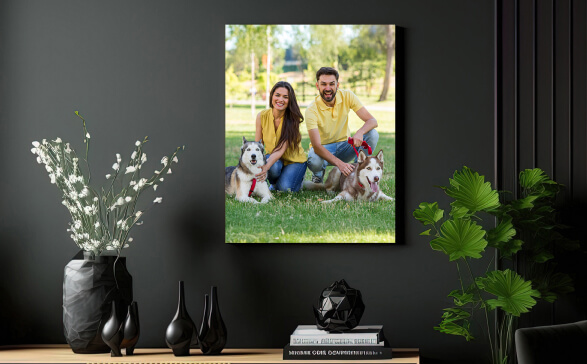
Have you ever wanted to turn your favorite photo or design into a beautiful canvas print? Printing on canvas is a great way to bring your memories and creativity to life with a professional touch.
Whether you’re decorating your home or creating a personalized gift, knowing how to print something on canvas can make all the difference. In this guide, you’ll discover simple steps and insider tips that make the process easy and fun. Ready to transform your ideas into stunning artwork?
Let’s dive in and get started!
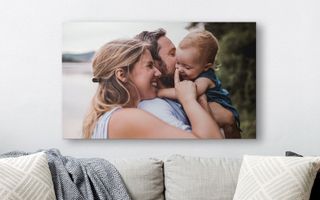
Credit: www.canvaspeople.com
Choosing The Right Canvas
Choosing the right canvas is essential for printing projects. It affects the final look and durability of your artwork. Different canvases offer unique textures and qualities. Understanding these options helps you achieve the best result for your prints.
Types Of Canvas Materials
Canvases come in various materials, each with distinct features. Cotton canvases are popular for their affordability and texture. They absorb ink well and provide a classic look. Polyester canvases offer a smooth surface, which is ideal for vibrant colors and detailed images. Blended canvases combine cotton and polyester, balancing texture and smoothness. Each material offers unique benefits, so choose based on your artwork’s style and requirements.
Canvas Sizes And Formats
Canvas sizes vary to suit different needs. Common sizes include 8×10, 16×20, and 24×36 inches. Custom sizes are available for unique projects. Consider the aspect ratio of your image when selecting a size. It ensures your artwork fits perfectly without cropping. Formats include stretched canvases, which are ready to hang, and rolled canvases, which require framing. Choose based on your display preferences.
Preparing The Canvas Surface
Proper preparation ensures the best print quality. Inspect the canvas for any imperfections. Clean the surface to remove dust or debris. Priming the canvas enhances ink absorption and color vibrancy. Use gesso or a similar primer, applying it evenly. Allow it to dry completely before printing. This step ensures a smooth and professional finish for your printed artwork.
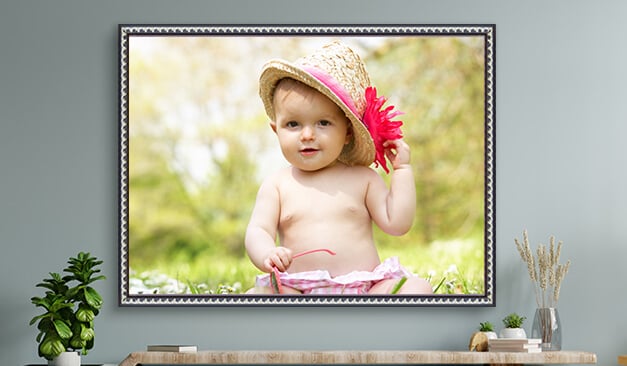
Credit: www.canvaschamp.com
Selecting Your Image
Choosing the right image is the foundation of a successful canvas print. The quality and appearance of your final product heavily depend on the image you select. Paying attention to details like resolution, size, and color can save you from disappointment later.
High-quality Image Requirements
Your image needs to be sharp and clear to look good on canvas. Aim for a resolution of at least 300 DPI (dots per inch) to avoid pixelation. Low-resolution images may appear blurry or grainy when printed large.
Check the image size in pixels before uploading it for printing. For example, a 16×20 inch canvas requires an image around 4800×6000 pixels. If your image is smaller, it might lose detail when stretched to fit.
Using images taken by modern smartphones or digital cameras usually works well. However, downloading images from the web often means lower quality, so be cautious. Have you ever printed a photo that looked good on screen but poor on canvas? That’s usually the resolution at fault.
Editing And Resizing Tips
Before printing, adjust your image to fit the canvas size perfectly. Use photo editing software to crop or resize without distorting the image. Keeping the original aspect ratio prevents unwanted stretching.
If your image is too small, avoid enlarging it excessively as this reduces quality. Instead, try to find a higher-resolution version or choose a smaller canvas size. You can also sharpen the image slightly, but don’t overdo it—too much sharpening creates unnatural edges.
Remember to save your edited image in a high-quality format like TIFF or PNG. These formats preserve details better than JPEG, which compresses the image and may introduce artifacts. Do you have a favorite photo editing tool? Getting familiar with its resizing features can make this step easier.
Color Correction Basics
Colors on your screen may look different from the final printed canvas. Adjust brightness, contrast, and saturation to make your image pop without overdoing it. Balanced colors keep the print looking natural and vibrant.
Try to view your image on multiple devices to check how colors appear. If possible, use a calibrated monitor for the most accurate results. Simple tweaks like increasing contrast or correcting white balance can drastically improve your print.
Don’t forget to consider the canvas texture—it can slightly mute colors compared to glossy photo paper. Ask your printer for a proof or sample if you want to see how colors will translate. How much time do you spend tweaking your images before printing?
Printing Methods For Canvas
Choosing the right printing method for your canvas project can make all the difference in the final look and feel. Each technique offers unique qualities that affect color vibrancy, durability, and texture. Understanding these options helps you pick the best approach for your art or photos.
Inkjet Printing
Inkjet printing uses tiny droplets of ink sprayed directly onto the canvas. This method is widely accessible and perfect for detailed images with smooth color transitions.
It works well for personal projects because you can print at home with a compatible printer. However, inkjet prints may fade faster if not properly sealed or protected from sunlight.
Have you ever tried printing a photo on canvas at home? You might notice the difference in texture compared to professional methods.
Giclée Printing
Giclée printing is a high-quality form of inkjet printing that uses archival inks and specialized printers. It produces vibrant colors and long-lasting results ideal for fine art reproductions.
This method is favored by artists and photographers who want their work to maintain its beauty over time. The fine pigment inks resist fading and the canvas texture adds depth to the image.
If you want a museum-quality print, giclée is often the best choice. Would you invest in this level of quality for your favorite artwork?
Screen Printing Options
Screen printing involves pushing ink through a mesh stencil onto the canvas. It’s great for bold colors and graphic designs with solid areas of ink.
This method works well for multiple copies because it can be faster and more cost-effective at scale. However, it’s less suited for photos or highly detailed images.
Consider screen printing if you want a strong, tactile feel on your canvas with vivid, flat color blocks. Have you seen screen printed art and wondered how that texture is created?
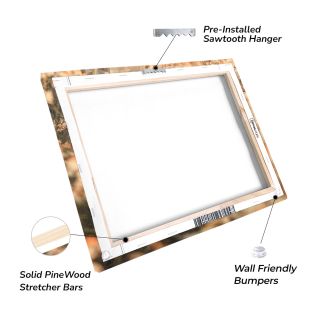
Credit: www.canvaspeople.com
Setting Up Your Printer
Setting up your printer correctly is key to getting great canvas prints. It ensures your images come out clear and vibrant. This section covers printer compatibility, ink choice, and proper settings to prepare your printer for canvas printing.
Printer Compatibility
Not all printers can print on canvas. Check if your printer supports thick or textured media. Inkjet printers are usually best for canvas printing. Laser printers often do not work well because their toner may not adhere properly.
Look for printers with a rear feed tray. This tray helps feed thick canvas sheets smoothly. Some printers have a manual feed option for specialty papers like canvas. Confirm your printer manual or website for supported media types.
Choosing The Right Ink
Use pigment-based inks for long-lasting prints. They resist fading and water better than dye-based inks. Dye inks may blur or wash out when on canvas.
Check if your printer’s ink cartridges are compatible with canvas printing. Some printers offer specialty ink sets designed for fine art or photo printing. These inks produce richer colors and better detail.
Printer Settings For Canvas
Adjust your printer settings before printing on canvas. Select a media type closest to canvas, like “canvas” or “matte photo paper.” This tells the printer to use the right ink amount and drying time.
Set the print quality to high or best. This ensures sharp images and smooth color transitions. Avoid draft or fast modes, which reduce print quality.
Disable any automatic color correction or enhancements. These can distort your image colors on canvas. Instead, use color profiles designed for your printer and canvas type.
Step-by-step Printing Process
Printing on canvas can transform your favorite photos or artwork into stunning wall décor. The process might seem tricky at first, but breaking it down into clear steps makes it manageable. Let’s walk through the essential actions to get your canvas print looking perfect.
Preparing The Printer And Canvas
Start by checking your printer’s specifications. Make sure it supports canvas printing and can handle the thickness of your material.
Clean the printer heads if they haven’t been used for a while. This helps avoid streaks or color issues on your print.
Choose the right type of canvas designed for inkjet or laser printers, depending on your machine. Not all canvases are made equal, and picking the right one affects the final image quality.
Loading The Canvas Correctly
Loading your canvas properly prevents jams and ensures the print is aligned.
Check your printer manual for guidance on how to feed thicker materials. Often, you’ll need to use a straight paper path or a special tray.
Make sure the canvas is flat and not curled. You can gently flatten it with light weights before loading.
Align the edges evenly to avoid crooked prints. Small adjustments here save a lot of frustration later.
Executing The Print
Before printing the final image, test with a smaller or less important print to check colors and alignment.
Use your printer’s highest quality setting for canvas prints. This enhances detail and color richness.
After printing, let the canvas dry completely on a flat surface. Handling it too soon can smudge the ink.
Have you noticed how one small misstep in loading or setting quality can ruin hours of work? Paying attention to these details makes the difference between a good print and a gallery-worthy piece.
Post-printing Care
After printing your design on canvas, caring for it properly ensures long-lasting beauty. Post-printing care helps protect colors and texture. It also keeps the canvas safe from dust and damage. Follow these simple tips to maintain your canvas print’s quality.
Drying And Curing Times
Allow the canvas to dry completely before touching it. This can take 24 to 48 hours depending on the ink and environment. Avoid placing the canvas in direct sunlight during drying. Let the print cure for up to a week for best results. Curing strengthens the ink’s bond to the canvas fibers.
Applying Protective Coatings
Use a clear protective spray to shield the canvas surface. Choose a coating designed for canvas prints or fine art. Spray evenly from 10 to 12 inches away to avoid drips. Protective coatings guard against UV light, moisture, and dirt. Reapply the coating every few years to maintain protection.
Framing And Display Tips
Stretch the canvas tightly on a wooden frame for a clean look. Consider using a shadow box frame to protect edges. Avoid hanging canvas prints in humid or very bright areas. Use hooks that support the canvas weight safely. Keep the display away from heat sources and moisture to prevent warping.
Troubleshooting Common Issues
Printing on canvas can bring unique challenges. Troubleshooting common issues helps achieve the best results. Understanding these problems saves time and materials.
Ink Smudging And Bleeding
Ink smudging occurs when the ink stays wet too long. Use quick-dry ink designed for canvas to reduce smudging. Avoid touching the canvas surface immediately after printing. Adjust the printer settings to lower ink saturation. This prevents ink from spreading and bleeding. Keep the canvas flat and stable during printing to avoid smears.
Color Fading Problems
Colors may fade due to poor ink quality or exposure to sunlight. Use pigment-based inks for longer-lasting colors. Store printed canvases away from direct sunlight and heat. Applying a clear UV-protective spray can help maintain color vibrancy. Avoid using low-quality canvas materials that absorb ink unevenly.
Handling Canvas Wrinkles
Wrinkles in canvas affect print quality and appearance. Stretch the canvas tightly before printing to prevent wrinkles. Use a flat, clean surface during printing to keep the canvas smooth. If wrinkles appear after printing, lightly steaming the canvas can relax the fabric. Avoid excessive moisture, which can damage the print and material.
Creative Ideas For Canvas Art
Printing on canvas offers a fantastic way to transform your ideas into lasting art. It’s not just about transferring images; it’s about creating pieces that tell a story, fit your style, or even spark joy in someone else’s life. Let’s look at some creative ideas that can make your canvas prints truly unique and meaningful.
Personalized Gifts
Personalized canvas prints make gifts unforgettable. You can print a cherished photo, a meaningful quote, or even a custom design that reflects the recipient’s personality. Think about printing a special moment from a trip or a family portrait that turns a simple photo into a heartfelt keepsake.
Adding a personal touch to gifts shows you care. What memory or message would you want to see on a canvas hanging in your loved one’s home?
Home Decor Enhancements
Your walls are a blank canvas waiting for your style. Printing custom art on canvas lets you match colors, themes, and moods in any room. Whether you want calming nature scenes for your bedroom or bold abstract art for your living room, canvas prints give you endless options.
Try grouping multiple canvases with related images or varying sizes to create a gallery wall. This simple change can elevate your home’s atmosphere without a full redesign. What kind of vibe do you want your space to give off?
Mixed Media Techniques
Canvas prints don’t have to stay flat and simple. You can combine printed canvas with hand-painted details, textures, or even fabric elements. This approach adds depth and individuality to your artwork, making it stand out in ways a regular print can’t.
Experiment by adding brushstrokes or layering materials over your printed image. It’s a chance to blend digital precision with hands-on creativity. What textures or colors would you add to make your canvas pop?
Frequently Asked Questions
What Materials Do I Need To Print On Canvas?
You need canvas fabric, a high-quality printer, special canvas ink, and photo editing software. Also, have a protective spray for durability.
Can I Use A Regular Printer For Canvas Printing?
Regular printers often can’t handle thick canvas paper. Use an inkjet printer designed for heavy media for better results.
How Do I Prepare An Image For Canvas Printing?
Edit your image to the correct size and resolution (300 dpi). Convert it to CMYK color mode for accurate printing.
What Is The Best Method To Print On Canvas?
Inkjet printing with pigment-based inks offers vibrant colors and longevity. It’s the preferred method for professional canvas prints.
Conclusion
Printing on canvas can add a personal touch to any space. Choose your image carefully for the best results. Use quality materials to ensure your print lasts long. Follow simple steps to prepare your file and printer. Take your time stretching the canvas for a smooth finish.
Enjoy the creative process and the unique art you make. Canvas prints make great gifts or home decorations. Keep practicing to improve your skills over time. Try different images and sizes to find what suits you. Printing on canvas is easy and fun to do.



