
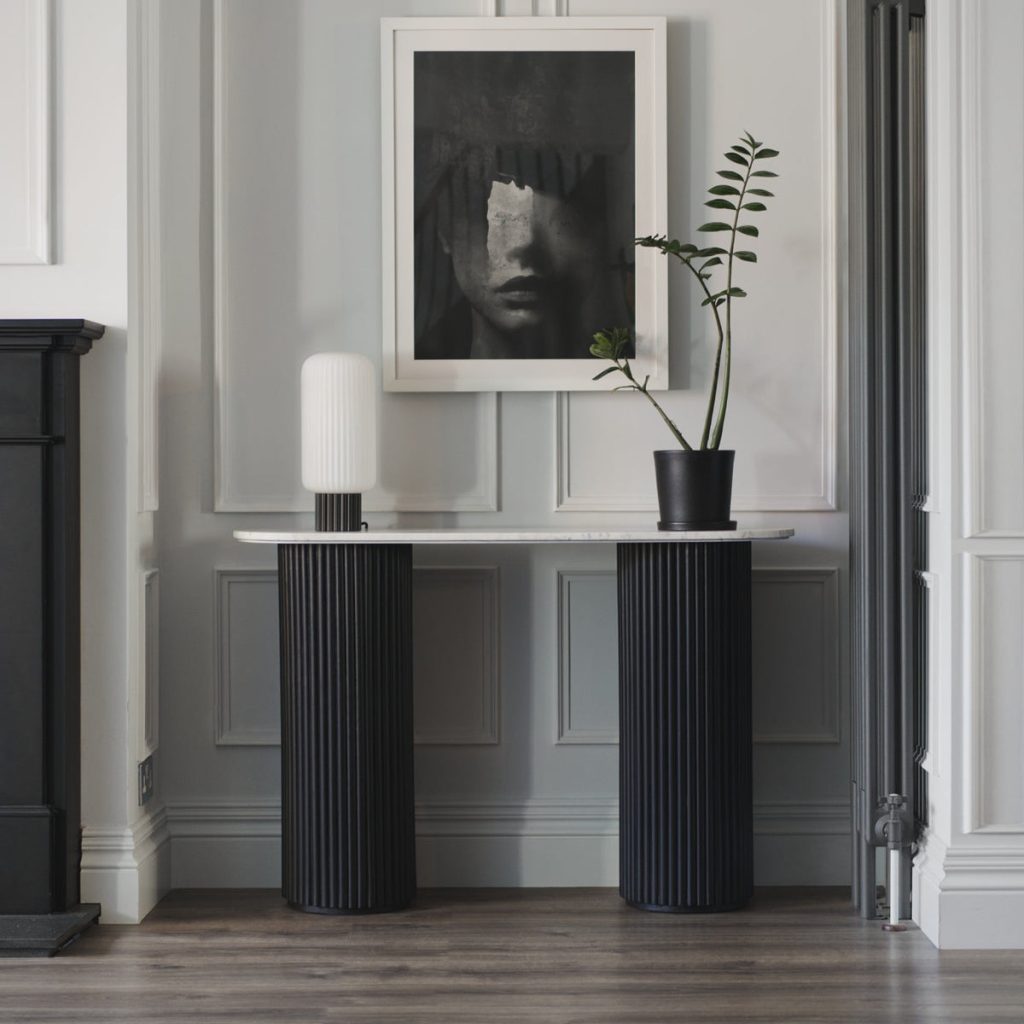
Are you wondering how tall your console table should be to fit perfectly in your space? Choosing the right height can make a big difference in both style and function.
Whether you want a table that complements your entryway, holds your favorite decor, or fits seamlessly behind your sofa, getting the height just right is key. Keep reading, and you’ll discover simple tips to find the perfect console table height that suits your needs and enhances your home’s look.
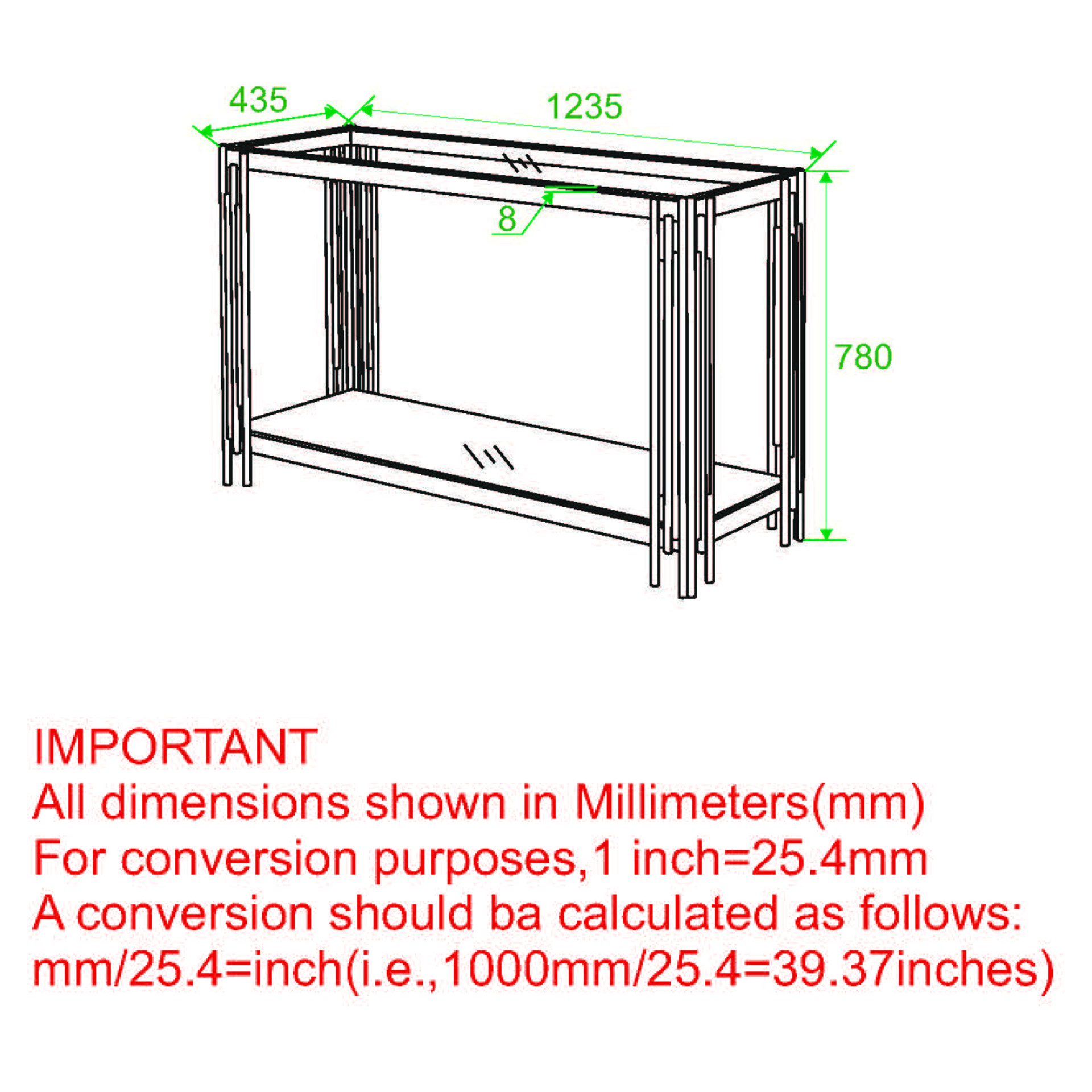
Credit: www.tanguay.ca
Choosing Console Table Height
Choosing the right height for a console table impacts both style and function. The table should fit well with nearby furniture and the room’s layout. Proper height makes the space look balanced and feels comfortable to use. Consider where the table will go and what it will hold. The right height helps keep the room neat and inviting.
Matching Table Height To Sofa
The console table height should align with the sofa’s back. This usually means the table is about 2 to 4 inches lower than the sofa’s backrest. This keeps the look smooth and connected. A table too tall or short can feel awkward. It should not block the sofa’s lines or look out of place. Measure your sofa’s height first to find the perfect table height.
Considering Wall Space
Think about the wall space behind the table. If the wall is narrow, choose a slim and shorter table. This prevents the area from feeling cramped. For wide walls, a taller or longer table fits well and adds presence. The table height should not hide artwork or mirrors hung above it. Leave some space so both the table and wall decor stand out.
Adjusting For Room Function
The room’s purpose affects the table height choice. In hallways, a narrow and standard-height table works best. In living rooms, the table might hold lamps or decorations, so consider height for easy reach. For dining rooms, use a taller console to double as a serving space. Adjust the height to match how you use the room and the table’s role.
Standard Console Table Heights
Choosing the right height for a console table is more than just a measurement—it shapes how your space feels and functions. Standard console table heights give you a solid starting point, but understanding the typical ranges and how design styles affect these can make your choice smarter. Let’s look closer at what these heights usually are and why they matter.
Typical Height Ranges
Most console tables stand between 28 to 36 inchestall. This range fits well behind sofas, in entryways, or along hallways, making it easy to place decorative items or essentials like keys and mail.
Think about your own furniture: if your sofa seat is around 18 inches high, a console table at about 30 inches will complement it nicely. This height difference allows easy access without blocking the view or creating awkward gaps.
Have you ever struggled with a console table that felt too low or too high? Staying within these typical heights avoids those common issues.
Variations By Design Style
Design style plays a big role in console table height. For example, modern or minimalist tables often lean toward the lower end of the height range, around 28 to 30 inches, keeping lines sleek and furniture unobtrusive.
Traditional or ornate styles might be taller, closer to 34-36 inches, to add presence and balance with other classic furniture pieces.
Consider a rustic farmhouse console table—it might vary even more, sometimes featuring thicker legs or a bulkier top that can affect overall height. This means you should measure carefully and think about how the table’s proportions will work with your existing décor.
Height Tips For Different Uses
Choosing the right height for your console table can make all the difference in its functionality and aesthetic appeal. Whether you’re placing it in an entryway, living room, or hallway, understanding how height impacts its use is crucial. Let’s dive into some height tips tailored for different uses to help you make the best choice.
Entryway Tables
Entryway tables often serve as the first impression of your home. They should be tall enough to easily place keys, mail, or decorative items like a vase. A standard height of around 30 to 36 inches works well, allowing for easy access without bending down.
Consider the space available and the height of nearby fixtures or wall décor. If you have a mirror or artwork above, ensure the table height complements these elements. Remember, your entryway should welcome guests with style and functionality.
Living Room Consoles
In the living room, console tables typically sit behind sofas or against a wall. They should align with the back of the sofa, usually around 30 inches, creating a seamless look. This height is perfect for holding lamps, photo frames, or even a couple of books.
Think about how you’ll use the table: Will it be a focal point with decorative items or a practical space for everyday essentials? Adjust the height accordingly to meet your needs and enhance your living room’s layout.
Hallway Solutions
Hallways can be tricky spaces to furnish, often narrow and needing careful consideration. A console table in a hallway should be on the slimmer side, both in width and height, generally about 28 to 32 inches high.
This height allows for easy navigation without overwhelming the space. Use it to display slim lamps or art pieces, creating interest and utility in an otherwise overlooked area. Are you maximizing your hallway’s potential with the right console table height?
Measuring For The Perfect Fit
Measuring the perfect height for a console table ensures it fits well in your space. Accurate measurements help the table look balanced and serve its purpose comfortably. Taking time to measure carefully avoids costly mistakes and saves effort later.
Tools You Need
- Tape measure for precise length and height
- Level to check horizontal alignment
- Notebook to record your measurements
- Pencil for marking points on the wall or floor
Key Measurement Points
- Measure the height from the floor to your desired tabletop level.
- Check the width of the wall or space where the table will sit.
- Measure the depth to ensure it won’t stick out too much.
- Note the height of nearby furniture for a harmonious look.
- Consider the height of items you plan to place on the table.
Customizing Console Table Height
Customizing the height of a console table helps fit your space and style perfectly. Standard heights may not suit every room or need. Adjusting the height lets you create a table that feels just right for you. It improves comfort and functionality. You can tailor your console table for tasks, decor, or storage needs.
Adjustable Legs And Options
Adjustable legs offer flexible height settings for console tables. These legs can be raised or lowered to match your preferences. Many adjustable legs use screws or telescoping designs. They fit various flooring types and room heights. Some tables come with pre-installed adjustable legs. Others allow you to swap original legs for adjustable ones.
- Easy to change without special tools
- Allows quick height adjustments
- Suitable for uneven floors
- Helps balance table stability
Choosing adjustable legs means your console can grow or shrink with your needs. It is ideal for flexible spaces or multi-use rooms.
Diy Modifications
DIY modifications let you customize your console table height at home. Simple changes include adding risers or trimming legs. Risers are blocks placed under legs to raise the table. Trimming legs shortens them for a lower height. You can also replace legs with new ones of a different size.
- Use wood blocks or metal risers
- Sand or saw legs carefully
- Measure twice before cutting
- Ensure stability after modification
DIY changes give you control over height and style. They help create a unique console table that fits your space perfectly.

Credit: petalwoodinteriors.co.uk
Common Height Mistakes To Avoid
Choosing the right height for a console table seems simple but often leads to common mistakes. These errors can affect the room’s flow and look awkward. Avoiding these pitfalls makes your space more comfortable and stylish.
Too High Or Too Low
A console table that is too high feels bulky and hard to use. It may block views or make items on it hard to reach. A table too low looks out of place and can cause neck strain when used. Aim for a height close to your sofa or chair seat height. This ensures easy access and a balanced look.
Ignoring Surrounding Furniture
Not considering nearby furniture leads to poor room harmony. A console table too tall or short compared to other pieces looks odd. It may crowd the space or leave too much empty room. Match the table height with adjacent furniture for a smooth visual flow. This creates a cozy and inviting atmosphere.

Credit: petalwoodinteriors.co.uk
Frequently Asked Questions
What Is The Ideal Height For A Console Table?
The ideal height for a console table is between 28 to 36 inches. This range suits most sofas and chairs, providing comfortable access and aesthetic balance in your room.
How To Choose Console Table Height For Different Rooms?
Match the console table height with nearby furniture. For hallways, 30 to 34 inches works well. In living rooms, align it with sofa arm height for harmony.
Can Console Table Height Affect Room Decor?
Yes, console table height impacts visual balance and function. Proper height enhances room flow and usability, making your space look stylish and organized.
Should Console Tables Be Taller Or Shorter Than Sofas?
Console tables should be slightly taller than sofas, usually 2 to 4 inches higher. This ensures ease of use and maintains proportional room design.
Conclusion
Choosing the right height for a console table makes a big difference. Most tables stand between 28 and 36 inches tall. Match the table height to nearby furniture for balance and ease. Think about how you will use the table each day.
A well-sized console table fits your space and style perfectly. Keep these tips in mind to pick a table that feels just right. Simple steps bring comfort and beauty to your home.



