
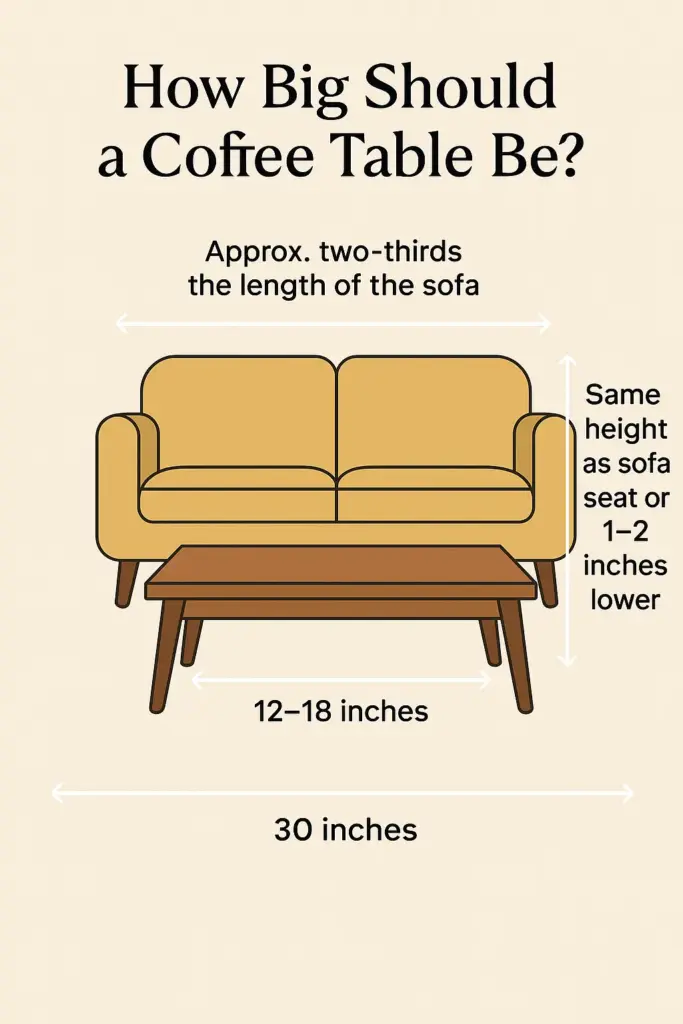
Are you wondering what size coffee table will fit perfectly in your living room? Choosing the right coffee table isn’t just about style—it’s about finding the perfect balance between function and space.
If your table is too big, your room feels cramped. Too small, and it looks out of place. You’ll discover the average size of a coffee table and how to pick one that suits your space and lifestyle. Keep reading to make your living area both comfortable and stylish.
Standard Coffee Table Sizes
Standard coffee table sizes help balance style and function in living spaces. Choosing the right size ensures comfort and easy movement around the room. Coffee tables come in various shapes, but their sizes often follow common measurements. These sizes fit well with most sofas and seating arrangements.
Typical Length And Width
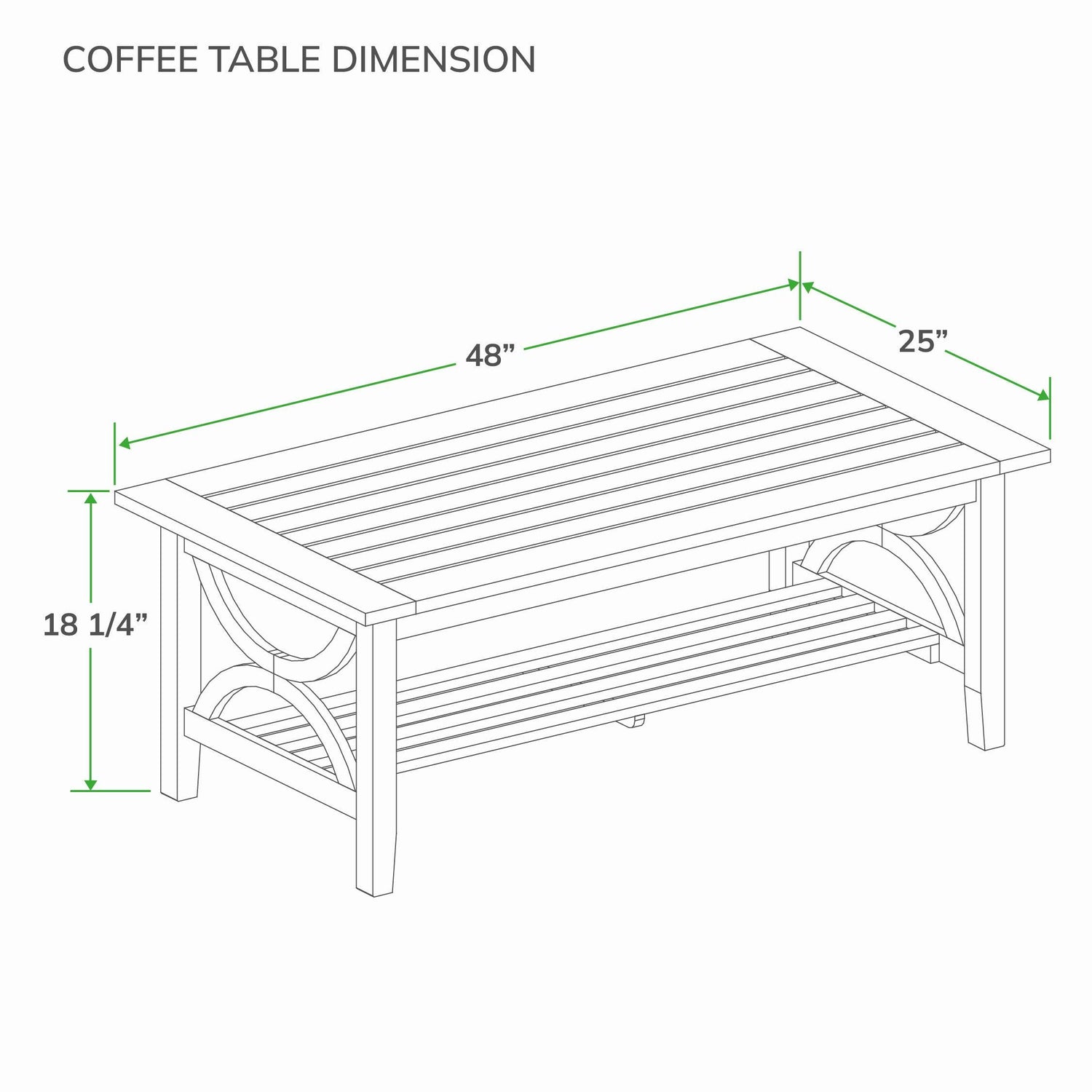
Most coffee tables measure between 36 and 48 inches long. The width usually ranges from 18 to 24 inches. Rectangular tables fall within this range and suit most living rooms. Square tables typically measure about 36 inches on each side. Round coffee tables vary but often have a diameter between 30 and 36 inches.
Common Height Measurements
Standard coffee table height is usually 16 to 18 inches tall. This height matches well with the seat height of most sofas. Taller tables can reach up to 20 inches but may feel less comfortable. Lower tables create a relaxed, casual look but might be less practical. The right height makes reaching the table easy without strain.
Credit: cambridge-casual.com
Factors Influencing Coffee Table Size
Choosing the right size for a coffee table depends on several key factors. These factors help create a balanced and functional space. Understanding them makes it easier to pick a table that fits well in your room.
Room Dimensions
The size of the room sets the foundation for your coffee table choice. Small rooms need compact tables to avoid crowding. Large rooms allow for bigger tables that fill space nicely. Measure your room carefully before selecting a table size.
Seating Arrangement
The way you arrange your seating affects the coffee table size. Tables should be close enough to reach from all seats. There should be enough space to move around comfortably. Consider the number of seats and their layout to find a suitable table size.
Table Shape
Table shape influences both size and fit. Round tables fit well in tight spaces and avoid sharp corners. Rectangular tables suit long seating areas and offer more surface space. Square tables work for symmetrical seating arrangements. Choose a shape that complements your room and seating style.
Choosing The Right Size For Different Spaces
Choosing the right coffee table size depends on your room’s space and furniture layout. A table that fits well keeps the area balanced and comfortable. Average sizes help guide your choice for small or large rooms.
Choosing the right size for a coffee table is crucial in creating a harmonious living space. Whether you’re working with a compact apartment or a sprawling open-plan home, the size of your coffee table can influence the flow and functionality of your room. Let’s dive into how you can select the perfect coffee table size for different spaces.Small Living Rooms
In small living rooms, every inch counts. Opt for a coffee table that maintains balance without crowding the space. Ideally, your coffee table should be no more than two-thirds the length of your sofa. Consider a round or oval-shaped table. These shapes can help soften the room’s look and allow for easier movement around the table. A table with built-in storage can also be a game-changer, offering space to tuck away remotes or magazines.Large Living Areas
A large living area gives you the flexibility to choose a more substantial coffee table. Here, you can consider an oversized table that serves as a focal point. Just ensure it complements the other furniture pieces. Think about using multiple smaller tables or a modular design. This arrangement can add versatility, allowing you to rearrange as needed for social gatherings or cozy nights in.Open-plan Layouts
Open-plan layouts often require careful planning to define spaces. A coffee table can serve as a visual anchor in an open living area. Choose a table that harmonizes with both the living and dining areas. Consider the flow of the room. Ensure there’s enough space to walk around the table comfortably. A rectangular or square table might work best, offering clear lines that can help delineate spaces. Are you making the most out of your living space with the right coffee table? Reflect on your current setup and consider if a change could enhance your room’s functionality and aesthetics.Popular Coffee Table Shapes And Their Sizes
Coffee tables come in various shapes, each with its own size range. Choosing the right shape affects room flow and style. Understanding popular coffee table shapes helps in picking the perfect fit.
Rectangular Tables
Rectangular coffee tables are common in living rooms. They fit well in front of sofas. Typical sizes range from 40 to 60 inches in length. Width often falls between 20 and 30 inches. Height usually stays between 16 and 18 inches.
Square Tables
Square tables suit smaller spaces or seating areas. These tables offer a balanced look. They commonly measure 30 to 40 inches on each side. Heights are similar to rectangular tables, around 16 to 18 inches.
Round And Oval Tables
Round and oval tables create soft, inviting spaces. Round tables often have a diameter between 30 and 48 inches. Oval tables tend to be longer, about 40 to 60 inches in length. Both shapes usually stand 16 to 18 inches tall.
Height Considerations For Comfort And Style
Height plays a crucial role in choosing the right coffee table. It affects both comfort and the overall style of your living space. The perfect height ensures your coffee table feels natural to use, whether you’re sipping coffee, working on a laptop, or chatting with friends.
Matching Sofa Heights
Your coffee table should complement the height of your sofa for easy reach and visual balance. Typically, a coffee table sits about 2 to 4 inches lower than the sofa seat. This height difference lets you comfortably place and grab items without stretching or bending awkwardly.
Imagine sitting on your sofa and needing to lean forward too much just to reach your drink. That’s a clear sign your coffee table is either too low or too high. Measuring your sofa’s seat height before buying a coffee table can save you from this common mistake.
Adjustable And Nesting Tables
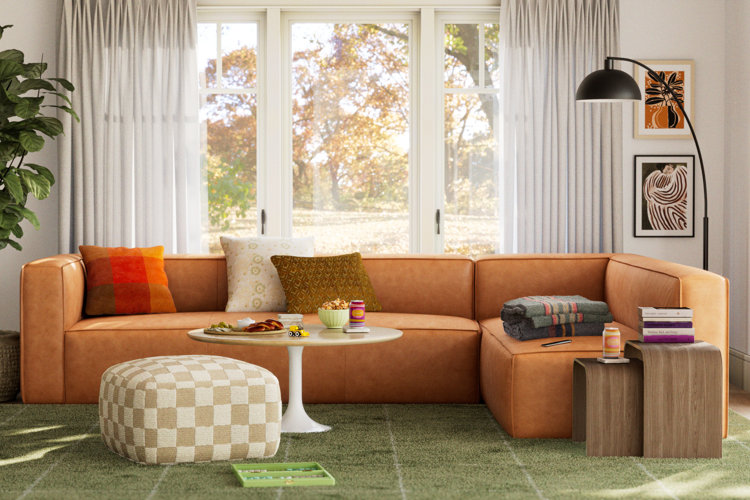
If your living room serves multiple purposes, adjustable or nesting coffee tables offer a smart solution. Adjustable tables let you change the height based on activity—lower for lounging, higher for working or dining. Nesting tables provide flexibility with separate surfaces that can be moved around as needed.
These options give you control over both comfort and style. You can tailor your setup to your lifestyle, making your coffee table a dynamic part of your room rather than a fixed piece of furniture. Have you tried using nesting tables to create more space during gatherings?
Credit: www.wayfair.com
Materials And Their Impact On Size Choices
Choosing the right material for your coffee table plays a big role in deciding its size. Different materials have unique strengths and weaknesses that affect how large or small your table can be without compromising stability or style. Understanding these differences helps you pick a coffee table that fits your space and meets your needs.
Wood
Wood is a popular choice because it offers a warm, classic look. It supports larger sizes well, especially hardwoods like oak or maple, which are sturdy and durable. However, very large wooden tables can become heavy and difficult to move, so think about your room layout before picking a big wooden piece.
Wood also allows for various shapes and thicknesses, giving you flexibility in size and design. If you want a bigger table, wood can handle it, but make sure your floor can support the weight.
Glass
Glass coffee tables often appear lighter and airier, making them perfect for smaller spaces. Because glass tops usually need strong frames, the size is often limited by the frame’s material and design. Large glass tables can be elegant but may require thicker, tempered glass for safety.
Since glass is fragile, oversized tables might feel less practical if you have pets or kids. Would you prefer a sleek look that keeps the room open, or do you need a table that can handle rough use?
Metal
Metal frames offer strength without bulk, allowing for slim, modern designs that can still support sizable tops. This means you can get a larger table without the heavy appearance of wood. However, metal surfaces can feel cold, so consider pairing them with warmer materials for comfort.
Metal tables often come in modular or minimalistic styles, making them easy to fit in tight spaces. If you want a sturdy table that won’t overwhelm your room, metal could be a smart choice.
Trends In Coffee Table Sizes For 2025
Trends in coffee table sizes for 2025 focus on balance between style and function. Spaces are smaller, so tables adapt with clever designs. Size matters, but so does how the table fits daily life. Many designs blend minimalism with practical features. This keeps rooms open yet useful.
Minimalist Designs
Minimalist coffee tables are smaller and sleek. They often measure around 36 to 42 inches in length. Heights stay near 16 to 18 inches for easy reach. Clean lines and simple shapes create a calm feel. These tables avoid extra bulk, perfect for tiny rooms. They keep living spaces feeling light and airy.
Multi-functional Tables
Tables with extra functions grow in popularity. Sizes vary but stay compact, usually under 40 inches long. Many include storage drawers or shelves below. Some tables convert into desks or dining spots. This dual use saves space and adds value. Multi-functional tables suit small apartments and busy homes well.

Credit: www.amazon.com
Tips For Measuring Your Space Accurately
Measuring your space accurately is key to choosing the perfect coffee table size. A well-measured area ensures the table fits well and looks balanced. It also helps avoid crowded or empty spaces.
Take your time and be precise. Small errors can lead to big problems in furniture placement. Use the right tools and follow some simple guidelines for the best results.
Use A Measuring Tape And Note Dimensions
Start with a flexible measuring tape. Measure the width, length, and height of the area. Write down each measurement clearly. Double-check numbers to avoid mistakes.
Consider Clearance Around The Table
Leave enough space between the table and other furniture. Aim for at least 18 inches of clearance for easy movement. This keeps the room comfortable and safe.
Sketch Your Space On Paper
Draw a simple floor plan to visualize the room. Mark walls, doors, and existing furniture. Add your measurements to see how the coffee table fits.
Measure Furniture Heights And Alignments
Check the height of nearby sofas and chairs. Your coffee table should be similar or slightly lower. This keeps the setup functional and pleasing to the eye.
Use Online Room Planner Tools
Try free room planner apps to create a digital layout. These tools help test different table sizes and shapes. They save time and reduce guesswork.
Frequently Asked Questions
What Is The Standard Coffee Table Size?
The standard coffee table size is usually 48 inches long, 24 inches wide, and 18 inches high. This fits well in most living rooms and complements sofas effectively.
How Tall Should A Coffee Table Be?
A coffee table should be about 16 to 18 inches tall. This height matches most sofa seat heights, ensuring comfort and easy access.
What Size Coffee Table Fits A Small Living Room?
For a small living room, choose a coffee table around 36 inches long and 18 inches wide. Compact sizes maintain space and flow without crowding.
How To Measure Coffee Table Size Correctly?
Measure your sofa length first, then select a coffee table two-thirds its length. Keep 18 inches of clearance around the table for movement.
Conclusion
Choosing the right coffee table size helps your room feel balanced. Most tables range from 36 to 48 inches long and 18 to 24 inches wide. Height usually matches the sofa seat, around 16 to 18 inches. Remember to leave space around the table for easy movement.
A well-sized coffee table adds comfort and style to your living space. Think about your room size and how you use the table. Simple steps like these make your home more inviting and functional.



