
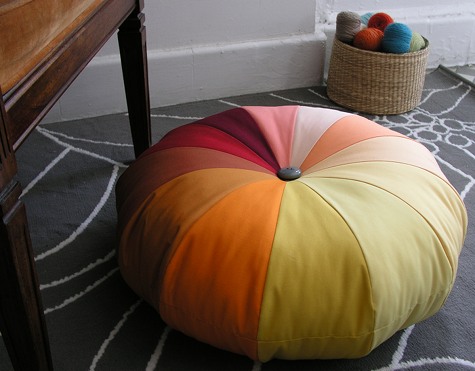
Looking to add a cozy, stylish touch to your living space? Making your own floor cushion pouf is easier than you think—and it’s a fun project you’ll be proud of.
Imagine sinking into a soft, comfy pouf that matches your style perfectly. You don’t need fancy skills or expensive materials to create one. In this guide, you’ll discover simple steps that turn basic fabric and stuffing into a beautiful, functional piece for your home.
Ready to transform your room and enjoy a comfy new seat? Let’s get started!
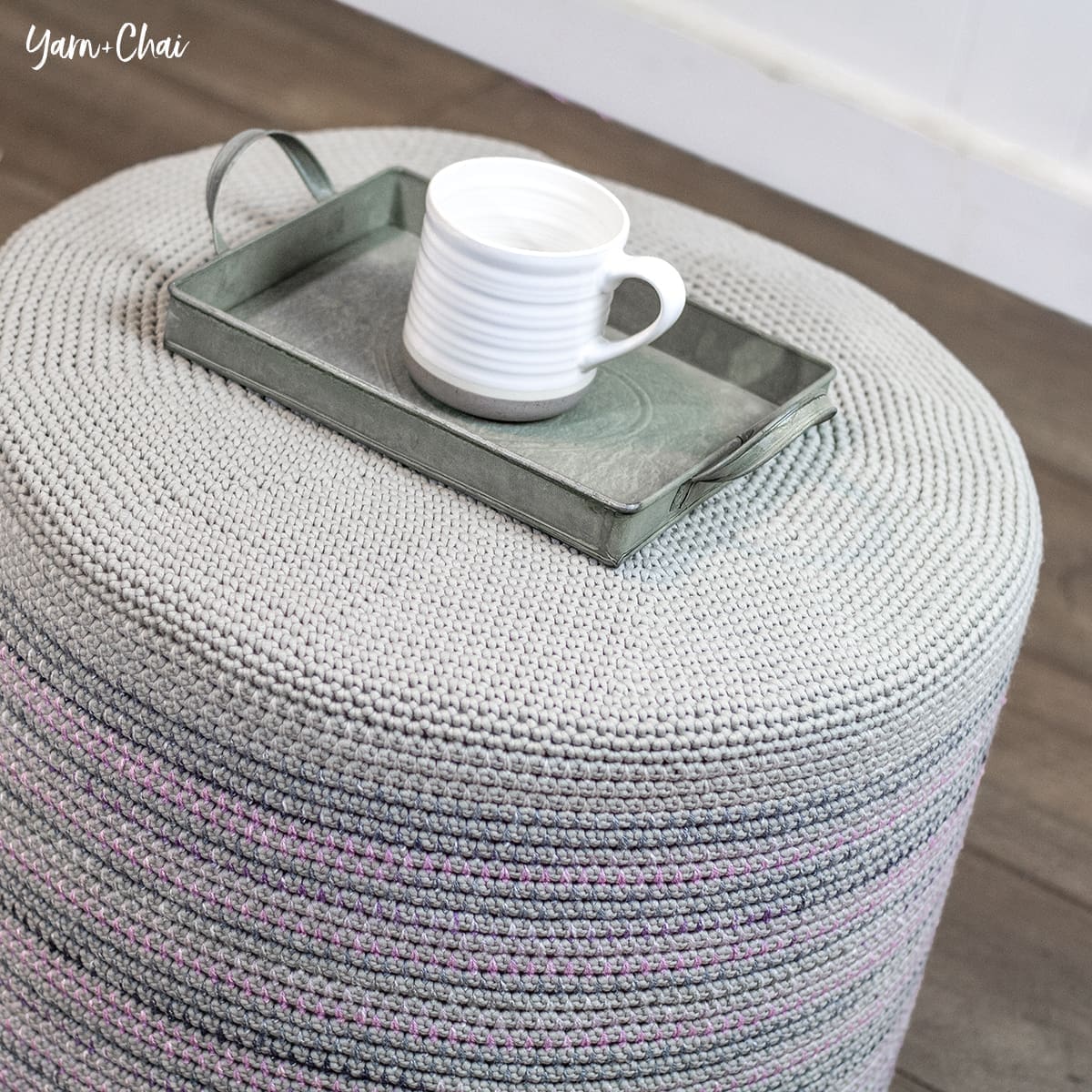
Credit: yarnandchai.com
Materials Needed
Creating a floor cushion pouf requires gathering the right materials first. Choosing the correct fabric, filling, and tools ensures your project goes smoothly. The materials you pick affect the pouf’s look, feel, and durability.
Below are the essentials needed to make a comfortable and stylish floor cushion pouf.
Fabric Choices
- Cotton: Soft, breathable, and easy to sew.
- Linen: Durable with a natural texture.
- Canvas: Strong and perfect for heavy use.
- Velvet: Plush and luxurious for indoor use.
- Outdoor fabric: Weather-resistant for patios or decks.
Filling Options
- Polyester fiberfill: Lightweight and fluffy.
- Foam: Provides firm support and shape.
- Old clothes or fabric scraps: Eco-friendly and budget-friendly.
- Bean bag pellets: Moldable and comfortable.
- Cotton batting: Soft and natural option.
Tools Required
- Sewing machine: Speeds up stitching.
- Scissors: Sharp for cutting fabric.
- Measuring tape: Accurate sizing.
- Pins or clips: Hold fabric pieces together.
- Needle and thread: For hand-sewing details.
- Fabric marker or chalk: Marks cutting lines.
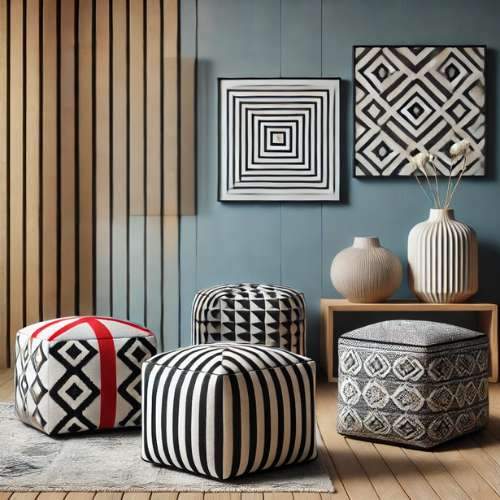
Credit: www.reasonstoskipthehousework.com
Measuring And Cutting Fabric
Measuring and cutting fabric is a vital part of making a floor cushion pouf. Precise measurements ensure the pouf fits well and looks neat. Cutting fabric carefully saves material and reduces errors. This step sets the foundation for the entire project.
Start by deciding how big your pouf will be. Then, mark and cut the fabric according to the patterns you choose. Taking time here helps your pouf turn out just right.
Determining Pouf Size
Choose a size that fits your space and use. Common poufs range from 16 to 24 inches in diameter. Height usually matches the diameter for a balanced look.
Consider who will use the pouf. Kids might need smaller sizes. Adults often prefer larger, sturdier cushions. Think about comfort and style together.
Measure twice before marking fabric. Use a tape measure and a marker for accuracy. Draw clear outlines of the pouf shape on the fabric.
Cutting Patterns
Patterns guide your fabric cutting and sewing. Basic poufs often use circles and rectangles. You can make a simple round top and a side band.
Use a ruler and chalk or fabric pen for marking. Cut slowly along the lines with sharp fabric scissors. Keep edges smooth to avoid fraying.
- Cut two circles for the top and bottom
- Cut a long rectangle for the side panel
- Allow extra fabric for seams, usually ½ inch
Lay out all pieces before sewing. Check measurements again to avoid mistakes. Proper cutting makes sewing easier and results neater.
Sewing The Pouf Cover
Sewing the pouf cover is a rewarding part of creating a floor cushion pouf. It’s where your fabric choice truly shines. This step involves using basic sewing techniques. You’ll also add a closure for easy filling access. Get ready to bring your cushion to life!
Basic Stitching Techniques
Start by cutting fabric pieces to your desired dimensions. Use a sewing machine for straight, even stitches. A straight stitch works best for seams. Sew the fabric pieces together, leaving one side open for filling. Remember to backstitch at the beginning and end. This strengthens your seams.
Creating A Zipper Or Closure
A zipper or closure lets you access the inside of the pouf. For a zipper, sew it into one side of your fabric. Ensure it aligns perfectly with the seam. If a zipper feels challenging, consider a button closure. Sew buttons and loops on the open side. This offers a simple and effective alternative.
Stuffing The Pouf
Stuffing the pouf is a key step in creating a comfy and durable floor cushion. The right filling gives the pouf its shape and comfort. It affects how soft or firm the pouf feels. Choosing the right stuffing material ensures it lasts long and stays cozy.
Choosing The Right Filling
Select a filling that suits your comfort needs and budget. Common options include:
- Polyester fiberfill – soft and lightweight
- Foam pieces – firm and supportive
- Old clothes or fabric scraps – eco-friendly and affordable
- Bean bag beads – moldable and fun
Each filling type changes the pouf’s feel. Polyester is soft but may flatten over time. Foam keeps shape but can be heavy. Fabric scraps add thickness and are budget-friendly. Bean bag beads offer a flexible sit.
Filling Tips For Comfort
Fill the pouf in small amounts for better control. Add stuffing gradually and test firmness often. Avoid overstuffing, which makes the pouf hard and uncomfortable. Understuffing leads to a flat and unsupportive cushion.
Fluff the filling as you go to prevent lumps. Distribute stuffing evenly to keep a balanced shape. Leave a little room for the pouf to compress when sat on. This creates a soft but supportive seat.
Finishing Touches
Finishing touches give your floor cushion pouf a polished and unique look. This stage lets your creativity shine. Small details can make a big difference. They improve both style and function of your pouf.
Adding Decorative Elements
Choose decorations that match your room’s style. Use fabric paint to create patterns or designs. Sew on buttons or tassels for texture and charm. Consider adding piping around edges for a neat finish. Embroidery can also add a personal touch. Make sure decorations are securely attached. This keeps your pouf safe and durable.
Maintaining Your Pouf
Keep your pouf clean to extend its life. Vacuum regularly to remove dust and dirt. Spot clean spills immediately with a mild detergent. Avoid harsh chemicals that can damage fabric. Rotate your pouf often to prevent uneven wear. Store it in a dry place when not in use. These simple steps keep your pouf looking fresh and new.
Troubleshooting Common Issues
Troubleshooting common issues helps keep your floor cushion pouf in great shape. Simple fixes can make your pouf last longer and feel more comfortable. Address problems early to avoid bigger repairs later.
Fixing Loose Seams
Loose seams may cause stuffing to escape and weaken the pouf. Use a needle and strong thread to sew loose areas. Stitch close to the fabric edge for a clean look. Double stitch for extra strength. Avoid pulling too hard to prevent fabric damage.
Adjusting Cushion Firmness
The cushion may feel too soft or too hard. Open the zipper or seam carefully to add or remove filling. Use polyester fiberfill for softness or foam pieces for firmness. Adjust the amount gradually and test the comfort. Close the opening securely to keep filling inside.
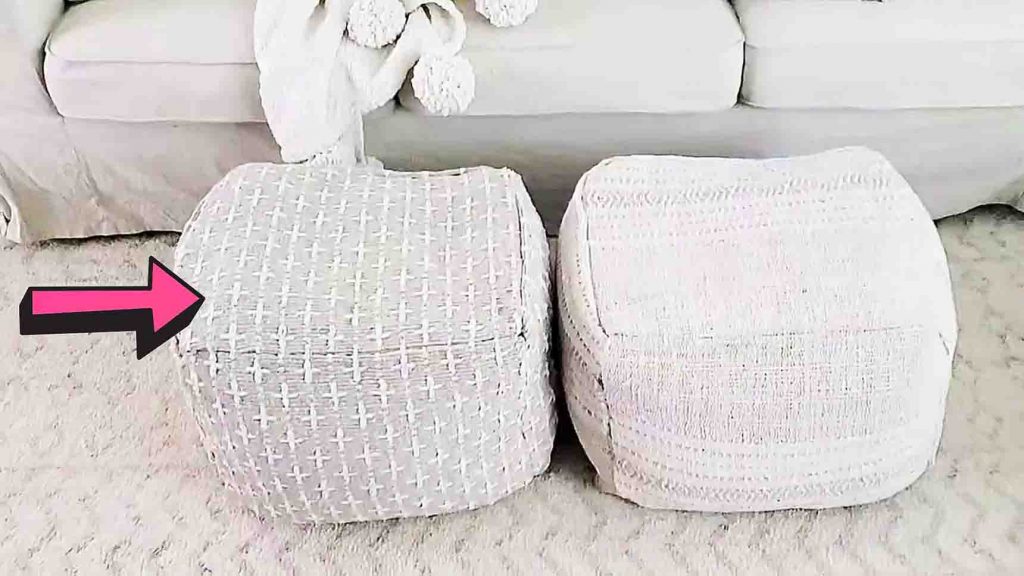
Credit: diyjoy.com
Frequently Asked Questions
What Materials Do I Need To Make A Floor Cushion Pouf?
You need fabric, stuffing (like foam or polyester), thread, a zipper, scissors, and a sewing machine or needle. Choose durable fabric for long-lasting use. These materials help create a comfortable, stylish floor cushion pouf.
How Do I Sew A Floor Cushion Pouf Step-by-step?
Cut fabric pieces, sew them inside out, leaving an opening for stuffing. Turn it right side out, stuff firmly, then sew the opening closed. This process ensures a neat, durable pouf.
Can I Customize The Size And Shape Of The Pouf?
Yes, you can customize any size or shape by adjusting fabric dimensions. Square, round, or rectangular poufs are possible. Personalizing size fits your space and style preferences perfectly.
What Type Of Stuffing Is Best For Floor Cushion Poufs?
High-density foam or polyester fiberfill offers the best support and comfort. Foam keeps shape longer, while fiberfill feels softer. Choose based on preferred firmness and budget.
Conclusion
Making a floor cushion pouf is fun and simple. You can choose colors and fabrics you like. It adds comfort and style to any room. Use basic sewing skills to create your pouf. This project saves money and lets you be creative.
Try making one for your home today. Enjoy a cozy spot to sit or relax. Your handmade pouf will bring warmth and charm. Give it a try—comfort is just a stitch away.



