
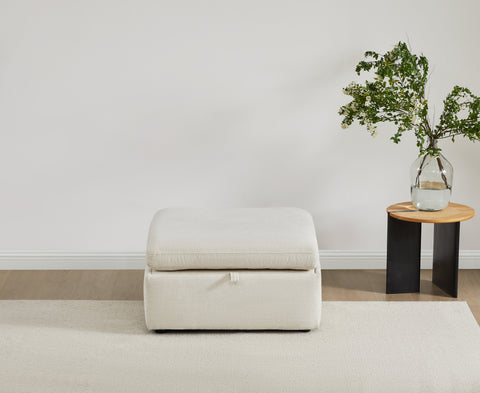
Choosing the right ottoman or pouf shape can completely change the look and feel of your living space. You might be wondering which shape fits best with your furniture and lifestyle.
Should you go for a round, square, or rectangular design? The shape you pick affects comfort, style, and how well it fits in your room. Keep reading, and you’ll discover simple tips to find the perfect ottoman or pouf that matches your space and makes your home more inviting.
Choosing The Right Shape
Choosing the right shape for your ottoman or pouf can transform your living space. The shape affects both the functionality and the style of the piece. Think about how you plan to use it and the space you have available before making a decision.
Square Ottomans
Square ottomans offer a balanced look that fits well in most rooms. They provide ample surface area for resting your feet, placing trays, or even extra seating. If you want a versatile piece that works with sofas or sectional couches, a square ottoman might be your best bet.
Consider pairing a square ottoman with a matching rug or coffee table to create a cohesive look. Have you noticed how square shapes often make spaces feel more organized and grounded?
Round Ottomans
Round ottomans bring softness to a room, breaking up sharp edges and adding flow. They work well in smaller spaces because they’re easy to move around and don’t create tight corners. Their shape encourages conversation by inviting people to gather around them.
If you want to soften a room filled with angular furniture, a round ottoman can be an unexpected but effective choice. Think about how this shape might influence the movement around your seating area.
Rectangular Ottomans
Rectangular ottomans are great for longer spaces or when you want to double as a coffee table. Their elongated shape complements sectional sofas and can define a seating area. They often offer extra storage space inside, making them practical for keeping blankets or magazines.
Ask yourself if you need a piece that can serve multiple purposes. Rectangular ottomans can be a stylish solution to maximize functionality without crowding the room.
Poufs With Unique Shapes
Poufs come in various shapes beyond the traditional ones, such as hexagonal, oval, or even asymmetrical designs. These unique shapes can become a focal point or conversation starter in your space. They’re perfect if you want to add personality and a touch of creativity.
Think about how a distinctive pouf shape might complement your existing décor. Are you ready to experiment and make a bold statement that reflects your style?

Credit: www.mcgeeandco.com
Matching Shapes To Room Styles
Choosing the right ottoman or pouf shape can transform your space more than you might expect. Matching shapes to your room style helps create harmony and balance, making the furniture feel like a natural part of your decor. Think about the vibe you want—sleek and simple, cozy and traditional, or bold and artistic—and let that guide your choice.
Modern And Minimalist Spaces
In modern and minimalist rooms, clean lines and simple shapes work best. Rectangular or square ottomans with sharp edges keep the look streamlined. Avoid overly ornate details that can clutter the space.
Consider poufs in geometric shapes like cubes or low-profile rectangles. Their straightforward design fits well under a sleek coffee table or beside a modern sofa. You want pieces that add function without drawing too much attention.
Traditional And Classic Rooms
Traditional spaces often call for ottomans with rounded or tufted shapes. Think about classic round or oval poufs covered in rich fabrics like velvet or leather. These shapes add softness and elegance, balancing heavier furniture.
Try an ottoman with detailed legs or ornate stitching to complement your room’s refined style. A plush, rounded shape invites comfort and warmth, perfect for family gatherings or quiet reading corners.
Bohemian And Eclectic Decor
Bohemian rooms welcome unusual shapes and vibrant patterns. Don’t hesitate to pick a pouf with an irregular or asymmetrical form to add character. Mix and match shapes like round, square, or even hexagonal poufs to create a playful, relaxed atmosphere.
Look for ottomans with colorful embroidery or patchwork details. These add a personal touch and become conversation starters. How can you use shape and pattern to reflect your personality in your space?
Scandinavian Inspired Interiors
Scandinavian design favors simplicity with a touch of warmth. Choose ottomans and poufs in soft, rounded shapes—think gentle curves over sharp angles. Natural materials like wool or linen in neutral colors enhance this cozy style.
A simple, round pouf in a muted tone can serve as both extra seating and a footrest without overwhelming the room. The goal is to keep things inviting yet understated. What shapes help your space feel calm and balanced?
Functionality And Shape
Choosing the right shape for ottomans and poufs can significantly impact their functionality in your living space. The shape you choose should harmonize with your room’s layout and meet your needs, whether it’s for seating, storage, or simply enhancing comfort. Let’s dive into the different functionalities that each shape can offer.
Ottomans For Extra Seating
Round or rectangular ottomans are excellent choices if you’re looking for additional seating options. They can easily be pulled into the center of a room during gatherings, providing a cozy seating arrangement. Consider lightweight designs that are easy to move around, making it simple to reconfigure your space as needed.
Storage-friendly Poufs
Poufs with built-in storage are perfect for decluttering your space. Opt for cube-shaped poufs that offer a neat and tidy look while hiding away toys, magazines, or blankets. They not only provide a stylish seating option but also keep your living area organized.
Coffee Table Alternatives
An ottoman can double as a coffee table, especially if you choose a large, flat-topped design. A rectangular or square shape works best for this purpose, allowing you to place trays or books on top. This dual functionality can be a lifesaver in small spaces where every piece of furniture needs to earn its keep.
Footrests And Comfort
If ultimate relaxation is your goal, a round or oval-shaped pouf can serve as an ideal footrest. Position it near your favorite chair or sofa to enhance your lounging experience. You’ll appreciate the ergonomic benefits of elevating your feet, leading to better comfort and circulation.
Have you considered how the shape of your ottoman or pouf could transform your space? By aligning form with function, you can make a choice that elevates both style and utility in your home.
Material Choices And Shape Impact
Choosing the right material and shape for your ottoman or pouf affects both style and function. The material impacts durability, comfort, and ease of cleaning. The shape influences how the piece fits your space and serves your needs. Combining the right material with the best shape creates a balanced look and practical use.
Leather And Faux Leather
Leather ottomans offer a classic, sleek look. They are durable and easy to wipe clean. Faux leather mimics real leather but costs less. Both materials suit modern and traditional rooms. Round or square shapes work well with leather for a polished feel.
Fabric And Textiles
Fabric ottomans come in many colors and patterns. They add softness and warmth to a room. Cotton and linen are common choices. Fabric covers may require more care to avoid stains. Square or rectangular shapes provide a cozy, inviting vibe.
Woven And Natural Fibers
Woven ottomans use materials like rattan, jute, or seagrass. They bring a natural, earthy touch to your decor. These ottomans are lightweight and breathable. Round shapes emphasize the natural texture and casual style. Perfect for boho or coastal themes.
Velvet And Plush Options
Velvet ottomans feel soft and luxurious. They add a rich texture to any room. Velvet attracts dust but looks elegant in living areas. Poufs in oval or round shapes enhance the plush appeal. Ideal for adding a touch of glamour or comfort.
Color And Pattern Tips
Choosing the right colors and patterns for ottomans and poufs can change your room’s look. These choices affect mood, style, and how well pieces fit with your decor. Simple tips can help you pick colors and patterns that enhance your space beautifully.
Solid Colors For Versatility
Solid colors work well in almost any room. They create a calm, balanced feel. Choose neutral shades like beige, gray, or navy for easy matching. Bright solids can add a pop of color without overwhelming the space. Solid-colored ottomans and poufs are easy to move around and blend with different styles.
Bold Patterns For Statement Pieces
Patterns bring energy and personality to your space. Large floral or geometric designs catch the eye instantly. Use bold patterns on ottomans or poufs to create a focal point. Keep the rest of the room simple to avoid clutter. Patterned pieces can reflect your style and make the room unique.
Mixing And Matching Shapes And Colors
Mixing shapes adds interest and depth. Round poufs pair nicely with square ottomans. Combine colors that complement each other for a harmonious look. Use a color wheel to find matching or contrasting shades. Start with one patterned piece and add solid-colored items to balance the look.
Seasonal Trends And Updates
Change colors and patterns to refresh your room each season. Soft pastels work well in spring and summer. Warm earth tones suit fall and winter. Choose poufs and ottomans with removable covers for easy updates. Small changes keep your space fresh without a full makeover.
Sizing Ottomans And Poufs
Choosing the right size ottoman or pouf can transform your space, making it feel cozy and well put together. Size affects both function and flow, so it’s important to think about how much room you have and how you want to use the piece. Let’s break down how to size these versatile furniture items for different spaces and styles.
Small Spaces Solutions
In tight areas, size matters more than ever. Opt for smaller ottomans or poufs that don’t overpower the room but still offer extra seating or a footrest. Round or square shapes under 18 inches in diameter or width often work best here.
Look for lightweight options you can move easily to keep the space flexible. A compact pouf tucked next to a chair can add comfort without crowding your path. Can you imagine how much more open your room feels with a petite, functional piece instead of bulky furniture?
Large Room Anchors
Big rooms call for larger ottomans that can hold their own visually and functionally. A sizable ottoman, say 30 inches or more across, can serve as a coffee table or a statement seat in the center of your layout.
Don’t be afraid to choose bold shapes or multiple ottomans to fill the space. A large, square ottoman paired with a few poufs can create zones for conversation or relaxation. How might a central anchor piece change your room’s dynamic?
Proportions And Balance
Match ottoman and pouf sizes to your existing furniture to maintain balance. If your sofa is low and long, a low-profile ottoman of similar length can complement it perfectly.
Consider the height and width of your seating when choosing shapes. Avoid pieces that are too tall, which can disrupt sightlines, or too small, which might look lost. Have you measured your furniture to see what size ottoman fits naturally?
Layering Multiple Pieces
Using several smaller poufs or ottomans can add texture and function to your room. Clustered poufs in different shapes and sizes create a playful, inviting vibe and offer flexible seating.
Layering allows you to adjust seating as needed and makes the room feel more dynamic. Think about mixing shapes—round with square—to add visual interest without clutter. Could layering be your secret to a more versatile living space?
Caring For Your Ottomans And Poufs
Taking good care of your ottomans and poufs ensures they stay attractive and functional for years. These pieces often serve as extra seating, footrests, or even coffee tables, so maintaining their look and comfort matters. You’ll want to treat each material and shape with the right care to avoid damage and keep them inviting.
Cleaning Different Materials
Each ottoman or pouf fabric needs a unique cleaning approach. For leather, use a damp cloth and a mild soap designed for leather surfaces. Avoid harsh chemicals that can dry out or crack the leather over time.
Fabric ottomans often benefit from regular vacuuming to remove dust and crumbs. Spot clean stains immediately with a fabric-safe cleaner or a simple mix of water and mild detergent. Always test a small hidden area first to check for color fading.
For velvet or delicate materials, use a soft brush to gently lift dirt without damaging the fibers. Don’t soak these fabrics; instead, use minimal moisture and let them air dry.
Maintaining Shape And Structure
Stuffing inside ottomans and poufs can compress with use, leading to a flattened look. Fluff cushions and padding regularly to keep them plump and comfortable. Rotate your pouf or ottoman to distribute wear evenly and prevent one side from sagging.
If your ottoman has removable covers, washing them periodically helps maintain their fresh look. Consider using fabric protectors to repel stains and spills, especially if the piece gets heavy use.
Handling Wear And Tear
Small tears or loose threads can quickly worsen if not addressed. Trim loose threads carefully and repair minor tears with fabric glue or patches before they spread. For leather, apply a conditioner every few months to prevent cracking and maintain suppleness.
Ask yourself: Does your ottoman face rough use from kids or pets? If so, choose durable materials next time and use washable covers that can handle heavy wear. Regular checks catch damage early, saving you from costly replacements.
Storage Tips
If you need to store your ottoman or pouf, keep it in a cool, dry place away from direct sunlight to avoid fading and warping. Cover it with a breathable cloth to protect from dust without trapping moisture.
Avoid stacking heavy items on top, which can crush the shape. If possible, store cushions separately to maintain their fluffiness and extend the life of your furniture.

Credit: www.amazon.ca

Credit: mustsociete.com
Frequently Asked Questions
What Shape Ottoman Fits Small Living Rooms Best?
Round ottomans work well in small rooms. Their curved edges create smooth flow and prevent crowding. They add style without overwhelming the space. Consider compact round poufs for extra seating or footrests.
Are Square Ottomans Good For Storage Purposes?
Yes, square ottomans offer ample storage space. Their flat surface is perfect for trays or decor. They fit well against sofas or walls. Choose a square ottoman to combine function and style.
Which Pouf Shapes Complement Modern Decor Styles?
Geometric shapes like hexagons or cubes suit modern interiors. These shapes add visual interest and clean lines. Opt for poufs with sleek fabric or leather finishes for a contemporary look.
How To Choose Ottoman Shape For Multifunctional Use?
Choose shapes that suit multiple needs. Rectangular ottomans can serve as coffee tables and seating. Round ottomans offer flexibility and easy movement. Think about your room’s layout and uses before buying.
Conclusion
Choosing the right ottoman or pouf shape can change your room’s feel. Round shapes add softness and flow well in small spaces. Square or rectangular ottomans offer extra seating or storage. Consider your room size and how you want to use it.
Don’t forget comfort and style matter too. Pick a shape that matches your furniture and space. This simple choice can make your home more cozy and inviting. Take your time and enjoy creating a space you love.



