
Have you ever wondered how long the Ottoman Empire lasted and why it left such a big mark on history? Understanding the length of this empire can give you surprising insights into how powerful and influential it really was.
You’ll discover the timeline of the Ottoman Empire and learn what made it stand the test of time for centuries. Keep reading to unlock the story behind one of the longest-lasting empires in history—you won’t want to miss these fascinating facts!
Origins Of The Empire
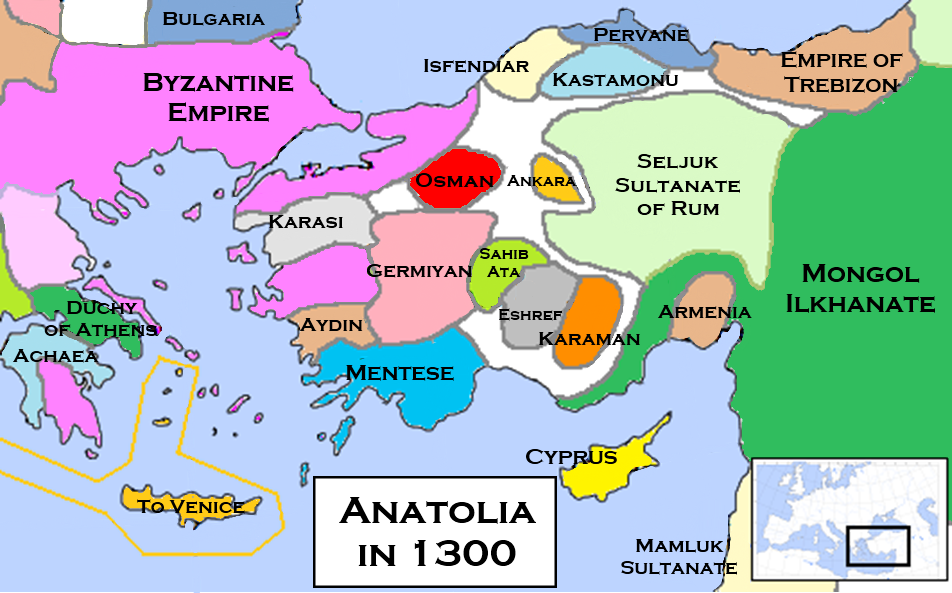
The origins of the Ottoman Empire trace back to a small principality in Anatolia during the late 13th century. Understanding how this empire began helps you grasp the foundation of one of history’s longest-lasting powers. Its story started with a determined leader and a series of strategic moves that set the stage for centuries of expansion.
Rise Of Osman I
Osman I was a tribal leader who founded the Ottoman dynasty around 1299. His leadership marked the beginning of a new political entity that eventually grew beyond a simple frontier principality. Osman’s ability to unite various Turkic tribes under his rule gave him a strong base for future conquests.
Osman’s name actually inspired the term “Ottoman.” This shows how individual leadership can leave a lasting legacy. Have you ever thought about how one person’s vision can shape an entire empire?
Early Expansion
After establishing his rule, Osman and his successors expanded their territory by capturing key Byzantine towns in northwest Anatolia. This early expansion was driven by both military skill and strategic alliances. The Ottomans used a mix of diplomacy and warfare to secure crucial trade routes and fortify their borders.
The early conquests didn’t just enlarge the empire—they also helped build a diverse and resilient society. This approach allowed the Ottomans to absorb different cultures and skills, which strengthened their rule. What lessons can you take from this about growing influence through cooperation as well as conflict?
Credit: owlcation.com
Golden Age
The Golden Age of the Ottoman Empire marks a time of great power and achievement. This period spanned the 16th century and early 17th century. The empire grew stronger and richer. It became a center for art, culture, and politics. Many great leaders shaped this era. Their rule brought lasting changes to the empire and the world.
Suleiman The Magnificent
Suleiman the Magnificent ruled from 1520 to 1566. He is one of the most famous Ottoman sultans. His leadership expanded the empire’s land greatly. He controlled parts of Europe, Asia, and Africa. Suleiman was also a lawmaker. He improved the empire’s legal system. His laws helped keep peace and order.
Under Suleiman, the empire’s military was very strong. He led many successful battles. His navy protected trade routes. His reign is often called the empire’s peak. Many historians see him as the empire’s greatest ruler.
Cultural And Economic Growth
The Golden Age was also a time of art and culture. The empire became a hub for architecture, literature, and music. Many beautiful mosques and buildings were constructed. Artists and poets enjoyed royal support. Their work still inspires people today.
Trade and economy flourished during this period. The empire controlled key trade routes between continents. Markets were busy with goods from all over the world. Craftsmen produced fine textiles, ceramics, and metalwork. Wealth from trade made cities grow and prosper.
- Strong economy boosted the empire’s power.
- Cultural achievements shaped Ottoman identity.
- Trade connected the empire globally.
Military Campaigns
The Ottoman Empire lasted over 600 years, from 1299 to 1922. Its military campaigns helped expand and protect its vast territory across three continents. This long-lasting empire shaped history with powerful battles and strategic conquests.
The Ottoman Empire’s military campaigns were pivotal in shaping its vast territorial expanse. Spanning several centuries, these campaigns were marked by strategic brilliance and fierce determination. They not only expanded the empire’s borders but also left an indelible mark on history. As you explore the empire’s military conquests, you’ll discover tales of valor and strategic genius that continue to captivate historians and enthusiasts alike.Conquests In Europe
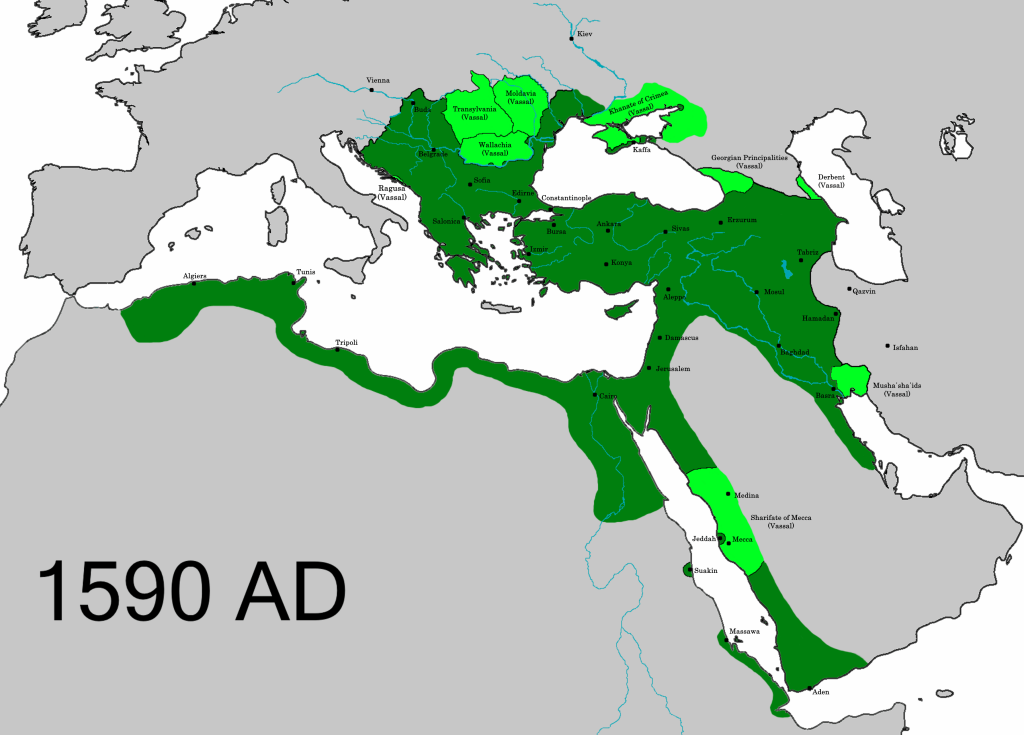
The Ottoman Empire’s European conquests were both ambitious and transformative. They extended their reach into the Balkans, with significant victories in regions like Hungary and the capture of Constantinople in 1453. This conquest marked a turning point, making the Ottomans a dominant power in Eastern Europe. These campaigns were not just about expanding territory but also about asserting power. The Ottomans established a strong presence in Southeastern Europe, influencing culture, politics, and trade. Imagine the challenges faced by soldiers traversing unfamiliar terrains, yet their resolve reshaped the continent’s political landscape. What would your thoughts be if you were a soldier in such a campaign?Battles In The Middle East
The Middle East was another crucial theater for Ottoman military endeavors. They sought control over key trade routes and religious sites. The empire’s campaigns in this region included battles for territories such as Egypt and Syria. These battles were more than mere territorial disputes; they were about securing strategic and economic advantages. Control over the Middle East meant access to valuable resources and influence over trade networks. Think about the strategic planning that went into these campaigns. How did the Ottomans manage to maintain control over such diverse and challenging regions? Reflect on the enduring legacy of these military campaigns and how they continue to influence modern geopolitical dynamics.Political Structure
The political structure of the Ottoman Empire was a complex and highly organized system that allowed it to last for over six centuries. Understanding how power was distributed and exercised provides insight into its remarkable endurance and adaptability. Let’s dive into the key elements that shaped the governance of this vast empire.
Sultanate And Governance
The Sultan was the absolute ruler, combining political, military, and religious authority in one person. This concentration of power meant decisions could be made swiftly, which was crucial during times of war or internal strife.
Yet, the Sultan didn’t govern alone. He relied on a council called the Divan, which included viziers and other high officials who advised him and helped manage different parts of the empire. This blend of autocracy and consultation kept the system balanced.
Have you ever wondered how a single ruler managed such a vast territory without constant rebellion? The Sultan’s role as Caliph also gave him religious legitimacy, which helped maintain loyalty among diverse populations.
Administrative Systems
The empire was divided into provinces called “eyalets” or later “vilayets,” each governed by officials appointed by the Sultan. This delegation allowed for local management while keeping ultimate control centralized.
Officials like the Beylerbey and the Pasha were responsible for tax collection, law enforcement, and military recruitment in their regions. They reported directly to the central government, ensuring that policies were implemented uniformly.
- Taxation was structured and often based on land surveys, which helped maintain a steady flow of revenue.
- The legal system combined Islamic law with local customs, adapting to the needs of different communities.
- A merit-based system, including the famous devshirme, recruited talented individuals into the bureaucracy and military, promoting efficiency and loyalty.
Imagine the challenge of governing millions of people across three continents. The Ottomans managed this through an intricate network of officials and a flexible administrative system that adjusted over time. Could your organization benefit from such a balance between central control and local autonomy?
Decline And Challenges
The decline of the Ottoman Empire was not sudden; it was a slow and complicated process shaped by many challenges. Understanding these difficulties helps you see why such a powerful empire eventually weakened. Both internal issues and external pressures played a key role in its downfall.
Internal Struggles
Inside the empire, power struggles were constant. Rival factions fought for control, weakening the government’s ability to make strong decisions. Corruption grew, and the system became less efficient, which affected daily life and the military.
Economic troubles also worsened the situation. The empire struggled with outdated tax systems and inflation. This made it harder to fund the army and public services, leaving the empire vulnerable.
Have you ever seen how internal conflicts can drain an organization’s strength? The Ottoman Empire is a clear example of how internal divisions can lead to decline.
External Threats
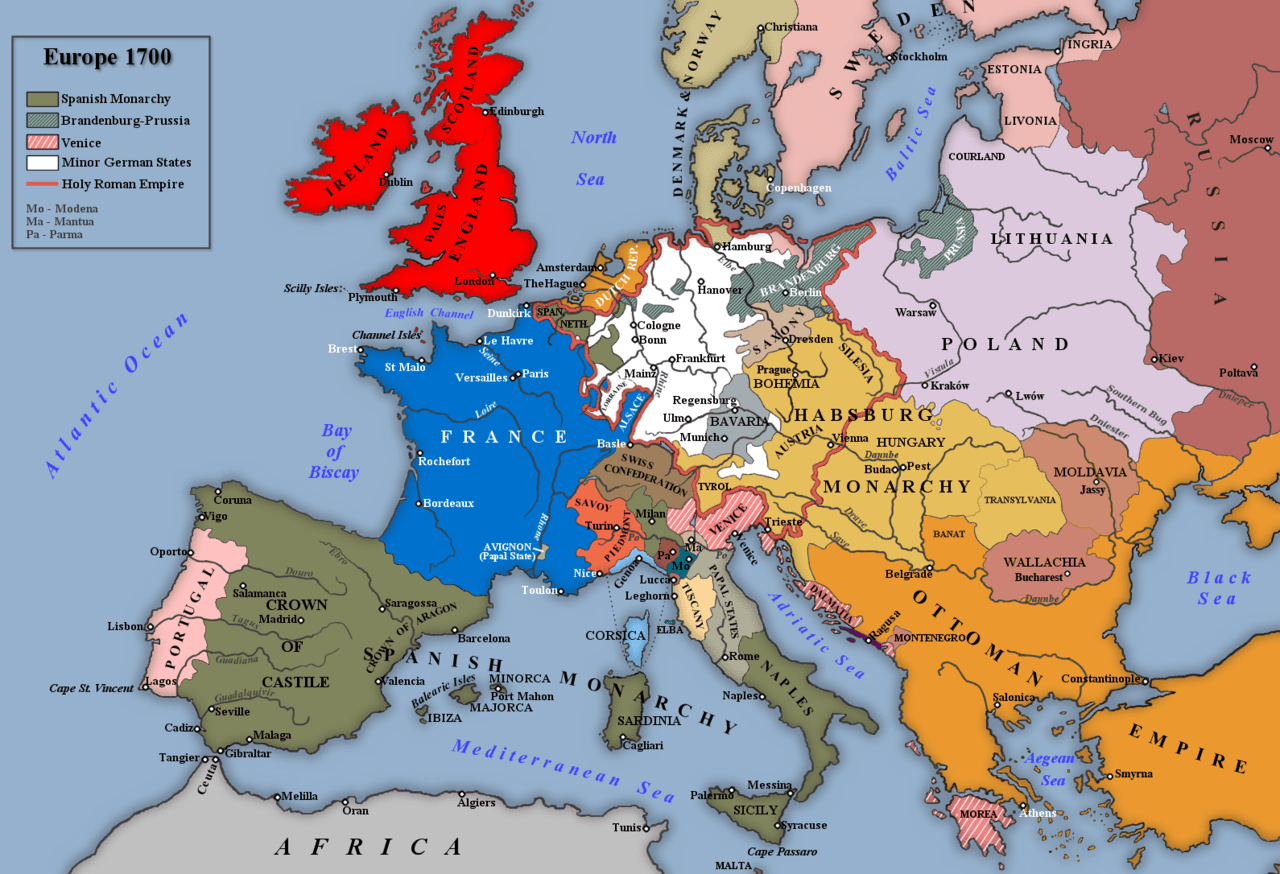
The empire faced many enemies at its borders. European powers like Austria and Russia pushed to take Ottoman lands. These repeated wars drained resources and morale.
New military technologies from Europe gave the empire’s enemies an edge. The Ottomans found it difficult to keep up with modern weapons and tactics. This technological gap accelerated their losses.
Additionally, nationalist movements inside the empire’s diverse population challenged Ottoman rule. Groups seeking independence weakened the empire from within while enemies attacked from outside.
How do you think external pressures affect a nation’s stability? The Ottoman Empire’s experience shows that without adapting to external threats, even great powers can fall.
Credit: owlcation.com
Reforms And Modernization
The Ottoman Empire faced many challenges in the 19th century. To survive, it needed to change fast. Reforms and modernization became a key focus. These efforts aimed to strengthen the empire’s power and improve its systems. The changes touched many parts of life, from law to the military. They helped the empire adjust to new realities and keep its place in the world.
Tanzimat Reforms
The Tanzimat Reforms began in 1839 and lasted until 1876. They aimed to modernize the Ottoman state and society. The government introduced new laws to protect all citizens, regardless of religion. Equality became a main idea. The reforms improved education, tax systems, and administration. They also tried to reduce corruption and improve public order. These changes helped build a more organized and fair society.
Military And Legal Changes
The Ottoman military was updated to meet European standards. New training, weapons, and tactics were introduced. Military schools were established to train officers better. The legal system also changed. The empire adopted new laws based on European models. Courts became more independent and fair. These reforms aimed to create a stronger state with clear rules and a powerful army. They helped the empire face threats from inside and outside.
Final Years
The final years of the Ottoman Empire marked a period of decline and major change. The empire faced internal struggles and external pressures. These challenges weakened its power and influence. The once vast empire began to crumble under the weight of war and political shifts.
World War I Impact
The Ottoman Empire joined World War I on the side of the Central Powers. This decision led to severe consequences. The empire suffered heavy military losses and economic hardship. Battles on multiple fronts drained resources and soldiers.
Territorial losses grew as enemies advanced. The empire’s control over its lands weakened. Civilian populations faced hunger and displacement. The war exposed the empire’s fragile state.
Dissolution Of The Empire
After World War I, the empire’s collapse accelerated. The Treaty of Sèvres in 1920 carved up Ottoman lands. Many regions were handed to Allied powers and new states. Nationalist movements rose, seeking independence and reform.
Mustafa Kemal Atatürk led the Turkish War of Independence. This movement ended the Ottoman rule and founded modern Turkey. In 1924, the Ottoman sultanate was officially abolished. The empire, which lasted over 600 years, came to an end.

Credit: uk.news.yahoo.com
Legacy Of The Ottoman Empire
The Ottoman Empire left a deep and lasting impact on the world. Its legacy shapes many cultures, laws, and societies today. The empire connected East and West for centuries. Its influence goes beyond history books. It lives on in art, architecture, language, and politics.
Cultural Influences
The empire blended many cultures and traditions. It brought together people from Europe, Asia, and Africa. This mix created unique art and music styles. Ottoman architecture stands as a symbol of beauty and strength. Mosques, palaces, and bridges showcase intricate designs.
The empire also influenced cuisine. Spices, cooking methods, and dishes spread across continents. Language borrowed words from Turkish, Arabic, and Persian. These cultural exchanges enriched many societies.
Modern-day Relevance
Many countries today feel the Ottoman Empire’s impact. Turkey, the empire’s heart, carries Ottoman traditions and laws. Borders of modern states reflect old Ottoman territories. The empire’s legal and administrative systems inspired present governments.
Tourism thrives on Ottoman heritage sites. Millions visit to see ancient cities and monuments. People study Ottoman history to understand regional politics and cultures. The empire’s legacy helps explain today’s global connections and conflicts.
Frequently Asked Questions
How Many Years Did The Ottoman Empire Last?
The Ottoman Empire lasted approximately 623 years. It was established in 1299 and ended in 1922, making it one of the longest-lasting empires in history.
When Did The Ottoman Empire Officially Begin?
The Ottoman Empire officially began in 1299 under the leadership of Osman I. This marked the start of its expansion across three continents.
What Year Did The Ottoman Empire Collapse?
The empire collapsed in 1922 after World War I. The Turkish Republic was founded shortly after, marking the end of Ottoman rule.
How Long Was The Ottoman Empire’s Peak Period?
The peak period lasted about 150 years, mainly during the 16th and 17th centuries. This era was marked by significant territorial expansion and cultural achievements.
Conclusion
The Ottoman Empire lasted for over 600 years. It began in the late 13th century and ended in the early 20th century. This long history shows its strength and influence. Many cultures and lands were part of the empire. Its legacy still affects the world today.
Understanding its duration helps us learn about world history. The Ottoman Empire’s story is both rich and complex. It teaches us about change and endurance over time. A fascinating chapter in human history, indeed.



