
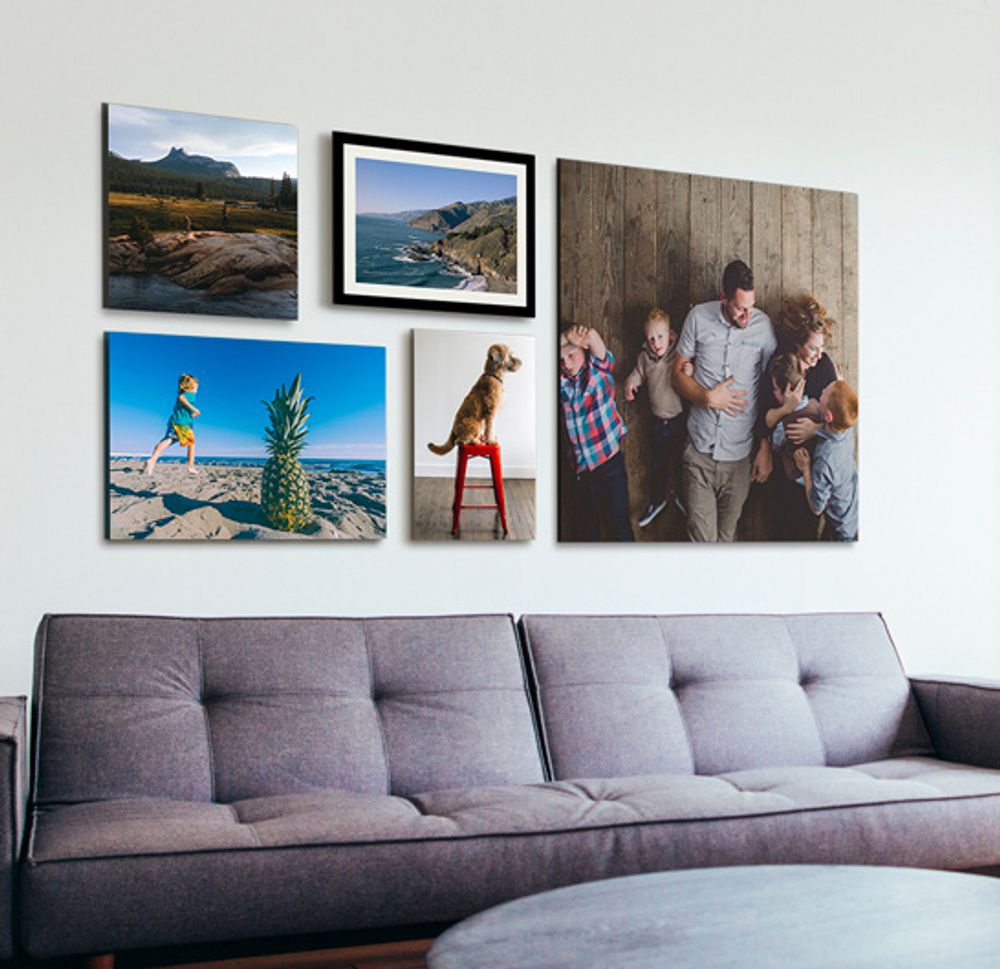
Are you looking to give your canvas print a polished, professional look? Framing your canvas can transform it from a simple piece of art into a stunning centerpiece for any room.
But how do you frame a canvas print without damaging it or spending a fortune? You’ll discover easy, step-by-step tips that anyone can follow—whether you’re a beginner or just want to save money. By the end, you’ll have the confidence to frame your canvas like a pro and make your artwork truly stand out.
Keep reading to learn how!
Choosing The Right Frame
Choosing a frame that complements your canvas print enhances its beauty and protects the artwork. Consider the style, color, and size to match your room’s decor and the print’s theme. Simple frames often work best for a clean, timeless look.
Choosing the right frame for your canvas print can dramatically enhance its appearance. The frame serves as more than just a border; it complements the artwork and ties it to the space it occupies. Picking the right frame involves understanding various styles and materials that will best suit your canvas.Types Of Frames
Frames come in a variety of styles to suit different aesthetics. – Floating Frames: These are popular for canvas prints because they give the illusion that the artwork is floating within the frame, adding depth and focus. – Traditional Frames: These are more ornate and often used for classical art styles. They can add a touch of elegance and are perfect for timeless pieces. – Box Frames: Ideal for modern art, these frames provide a clean and minimalist look, allowing the artwork to stand out without distraction. Selecting the right type of frame depends on the message you want your art to convey.Materials And Finishes
The material and finish of a frame can significantly impact the overall look of your canvas print. – Wooden Frames: These are versatile and offer a warm, natural look. They come in various finishes like oak, walnut, or painted colors. – Metal Frames: These provide a sleek, contemporary feel. They are durable and come in finishes like matte black, shiny silver, or brushed gold. – Acrylic Frames: Perfect for a modern or minimalist style, these frames are lightweight and can give a clean, unobtrusive look. Consider the room’s decor and the frame’s durability when choosing materials.Matching Frame To Canvas Style
Aligning your frame with the style of your canvas is crucial for a cohesive look. – Abstract Art: Often pairs well with minimalist frames, like simple black or white, which don’t detract from the artwork’s complex designs. – Landscape or Nature Art: Wooden frames can enhance the natural elements depicted in such canvases. – Portraits: Ornate or classic frames can add a touch of sophistication to portraits, drawing attention to the subject. Ask yourself: What feeling do you want to evoke when someone looks at your art? The frame should enhance, not overshadow, the canvas.
Credit: canvasframing.co.za
Gathering Your Supplies
Before you start framing your canvas print, gathering the right supplies is crucial. Having everything at hand saves time and keeps your project smooth and enjoyable. Think about what tools and materials will make your work easier and the final result professional.
Essential Tools
- Canvas frame or stretcher bars:These form the base to stretch your canvas.
- Staple gun and staples:Secure the canvas tightly to the frame.
- Measuring tape or ruler:Measure accurately to avoid uneven edges.
- Scissors or utility knife:Trim excess canvas neatly.
- Hammer:Useful if you’re using tacks instead of staples.
These tools are the foundation of your project. Without them, you risk damaging your canvas or ending up with a crooked frame.
Optional Accessories
- Corner braces or brackets:Add extra stability to the frame.
- Wood glue:Strengthens joints if you build the frame yourself.
- Protective gloves:Keep your hands safe while handling sharp tools.
- Frame hanging hardware:Ready your canvas for display right after framing.
- Decorative frame moulding:Enhance the look with an outer frame if desired.
Including some of these extras can elevate your project, but they aren’t mandatory. Which accessories could make your process easier?
Preparing Your Workspace
Choose a clean, flat surface large enough to spread out your canvas and tools. A sturdy table or workbench works best to avoid accidents. Good lighting is essential to spot any wrinkles or misalignments as you stretch the canvas.
Clear away clutter to keep your supplies organized and within reach. Consider laying down a drop cloth to protect your workspace from glue or staple marks. How might a well-prepared workspace change your framing experience?
Preparing The Canvas
Preparing the canvas is a key part of framing your print. It sets the stage for a neat and lasting finish. Taking time to prepare ensures the frame fits well and the print looks great.
Cleaning The Surface
Start by gently wiping the canvas surface. Use a soft, dry cloth to remove dust and dirt. Avoid using water or cleaners that can damage the print. Clean edges too, as dirt can affect glue or tape adhesion.
Checking For Damage
Inspect the canvas carefully for tears, dents, or loose areas. Small damages can worsen if not fixed before framing. Use clear tape on the back to secure loose threads or corners. Replace or repair the canvas if damage is severe.
Measuring Canvas Dimensions
Measure the width, height, and depth of the canvas accurately. Use a ruler or tape measure for precise numbers. Note the measurements to choose the correct frame size. Double-check to avoid buying a frame that is too big or small.

Credit: sunbeltmfg.com
Attaching The Canvas To The Frame
Attaching the canvas to the frame is a key step in framing a canvas print. It holds the artwork firmly and ensures a clean look. Proper attachment prevents the canvas from sagging or shifting over time.
Positioning The Canvas
Place the canvas face down on a clean surface. Center the frame over the back of the canvas. Make sure the canvas edges extend evenly beyond the frame sides. This allows enough material to stretch and wrap around the frame.
Check that the artwork is straight and aligned. Adjust the canvas to avoid crooked or uneven edges. The canvas should cover the entire frame back without gaps.
Using Staples Or Nails
Staples or small nails work well to attach the canvas. Use a staple gun or hammer for this task. Start in the middle of one side and add staples or nails every few inches.
- Keep the tension tight while stapling to avoid wrinkles.
- Place staples or nails close to the frame edge but not too close.
- Move to the opposite side and repeat the process.
This method keeps the canvas secure and flat against the frame.
Securing Corners Neatly
Fold the canvas corners carefully for a clean finish. Create a simple diagonal fold and tuck it under the frame edge. Avoid bulky folds that can look messy.
Add extra staples or nails to hold the folds in place. Check that the canvas is smooth and tight around the corners. Neat corners improve the overall appearance of the framed print.
Adding Finishing Touches
Adding finishing touches to your canvas print framing project can make all the difference between a basic look and a professionally finished piece. These final steps ensure your artwork is not only secure but also protected and visually appealing. Paying attention to these details shows your care and respect for the art.
Installing Hanging Hardware
Choosing the right hanging hardware depends on the size and weight of your canvas. For lightweight canvases, simple D-rings or sawtooth hangers work well. Heavier pieces may need sturdy wire stretched between two D-rings for better support.
Make sure to attach the hardware evenly and securely to avoid tilting. You might want to measure twice before drilling to keep your canvas perfectly balanced. Have you ever hung a picture only to find it crooked? Proper hardware installation helps you avoid that frustration.
Protective Coatings
Applying a protective coating can shield your canvas from dust, moisture, and UV damage. A clear acrylic spray or varnish designed for canvas works best. Spray in thin, even layers, allowing each coat to dry completely before applying the next.
This step preserves the colors and extends the lifespan of your print. Consider your room’s lighting and environment—do you need extra UV protection in a sunlit space? Adding this layer can keep your artwork vibrant for years.
Cleaning And Display Tips
Regular cleaning keeps your framed canvas looking fresh without risking damage. Use a soft, dry cloth or a gentle brush to remove dust. Avoid harsh chemicals or water, which can harm the canvas and frame.
Think about where you place your canvas. Avoid direct sunlight and humid areas like bathrooms. Hanging your print at eye level in a spot with controlled lighting can enhance its impact and your enjoyment.

Credit: stridecoastal.com
Frequently Asked Questions
How Do I Choose The Right Frame Size For My Canvas Print?
Select a frame slightly larger than your canvas. It should complement the print without overpowering it. Measure your canvas edges before buying a frame.
What Materials Are Best For Framing A Canvas Print?
Wood and metal are popular frame materials. Wood offers a classic look, while metal provides modern style. Both protect and enhance your canvas art.
Can I Frame A Stretched Canvas Without Removing It?
Yes, you can frame a stretched canvas as is. Use floating frames to showcase the canvas edges without removal. This preserves the print’s integrity.
How Do I Secure A Canvas Print Inside The Frame?
Use frame clips or glazing points to hold the canvas. Ensure the canvas fits snugly inside the frame for stability and protection.
Conclusion
Framing a canvas print adds style and protects your art. Choose the right frame size and material for your piece. Measure carefully to avoid mistakes. Use proper tools to keep the canvas safe. Take your time and enjoy the process.
A well-framed canvas looks great in any room. Try different frame styles to find what fits best. Your artwork will feel complete and ready to display. Simple steps make a big difference in presentation. Now, your canvas print is ready to shine.



