
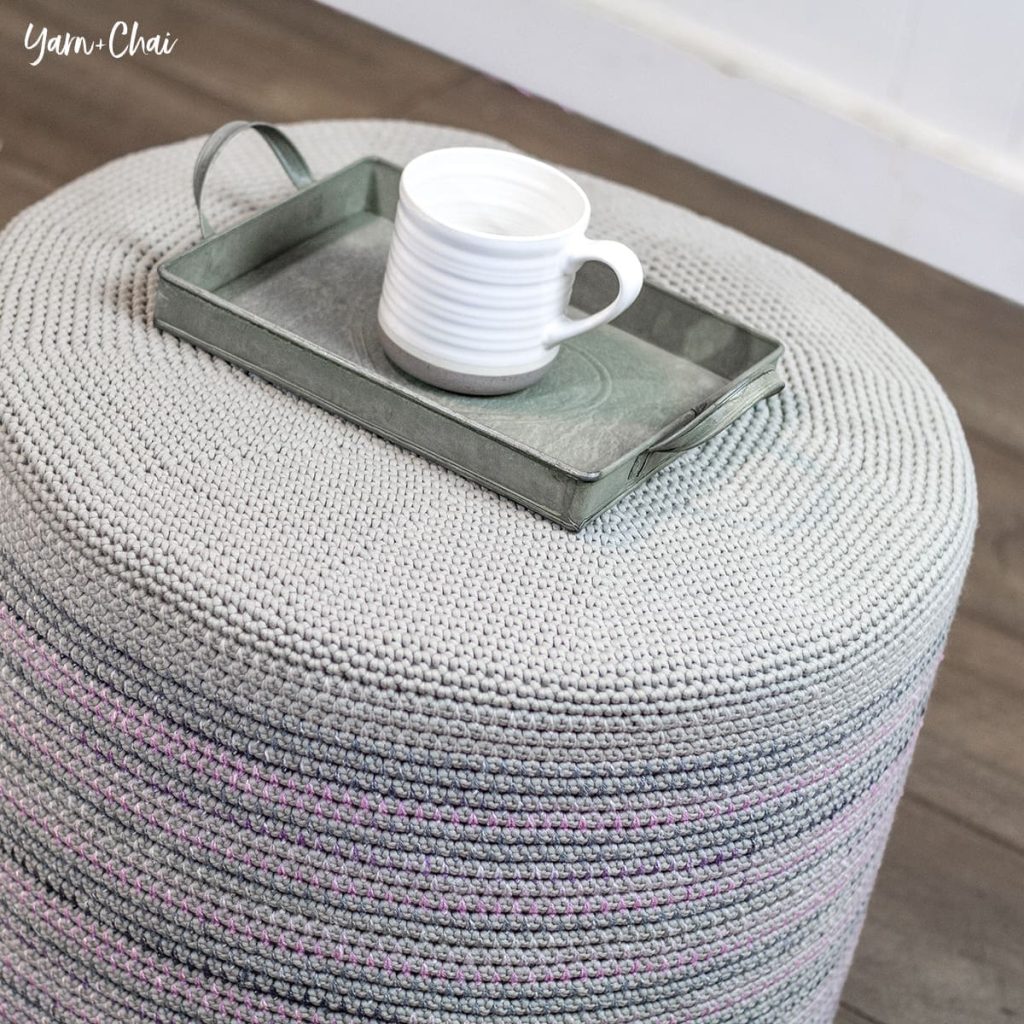
Are you wondering what to stuff your floor pouf with to make it comfortable and durable? Choosing the right filling can change the way your pouf feels and looks.
Whether you want it soft and squishy or firm and supportive, the stuffing matters a lot. You’ll discover easy and effective options to fill your floor pouf, helping you create the perfect piece for your home. Keep reading to find the best stuffing ideas that suit your style and needs.
Types Of Floor Pouf Fillings
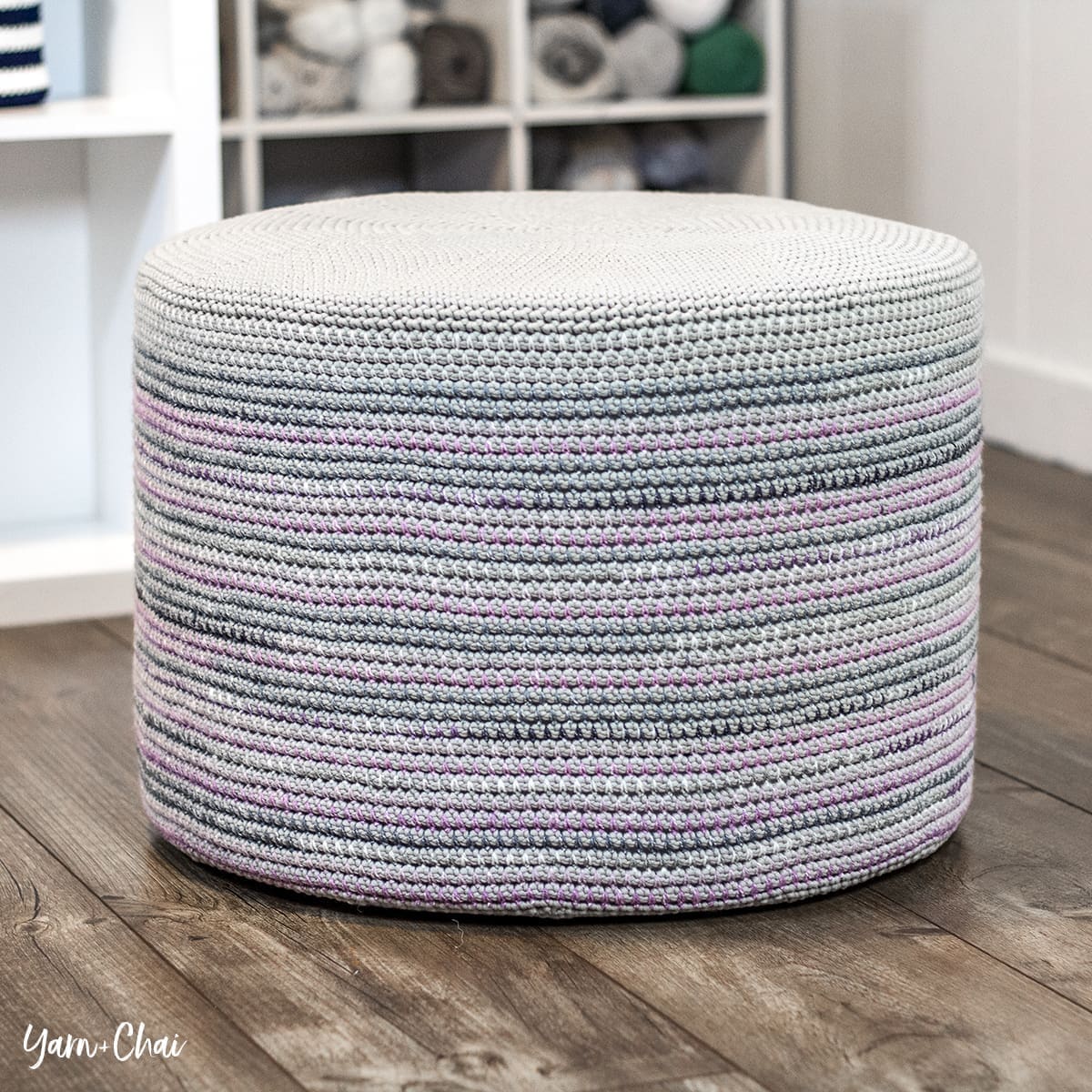
Choosing the right filling for a floor pouf affects its comfort, shape, and durability. Different materials offer unique benefits. Some are soft and moldable, while others provide firm support. This section explores popular types of floor pouf fillings.
Bean Bag Fillers
Bean bag fillers are small, lightweight beads. They conform easily to body shape for comfort. These beads create a soft, squishy feel. They allow the pouf to mold and return to shape quickly. However, they may compress over time and need refilling.
Foam Options
Foam comes in various densities and types. Memory foam offers great support and comfort. High-density foam keeps the pouf firm and retains shape longer. Foam fillings are durable and ideal for heavy use. They provide a stable seating surface.
Natural Fillings
Natural fillings include materials like cotton, wool, or shredded fabric. These are eco-friendly and breathable. They give a soft, plush feel but may compress faster. Natural fillers need occasional fluffing to maintain shape. They suit those wanting sustainable options.
Synthetic Fibers
Synthetic fibers such as polyester are common pouf fillings. They are lightweight, durable, and resistant to moisture. These fibers offer a fluffy, cushiony texture. They hold their shape better than natural fillers. Synthetic fibers are easy to clean and maintain.
Credit: yarnandchai.com
Pros And Cons Of Each Filling
Choosing the right filling for your floor pouf affects how comfortable it is, how long it lasts, and how much effort you’ll spend maintaining it. Each type of stuffing has unique strengths and drawbacks that can change the overall feel and look of your pouf. Understanding these pros and cons helps you pick a filling that fits your lifestyle and space perfectly.
Comfort And Support
Memory foam offers excellent support by contouring to your body, making it a top choice if you want a pouf that feels like a cozy seat. However, some people find it too firm or warm after long use. On the other hand, polyester fiberfill creates a soft and squishy pouf, but it may lose shape quickly and provide less support.
Natural fillings like buckwheat hulls are firm and moldable, giving you control over the pouf’s shape. Yet, they can feel hard if you prefer a cushier surface. Think about how you plan to use your pouf—do you want something plush to lounge on or sturdy enough to support your posture?
Durability
Foam beads and shredded foam tend to hold up well over time without flattening, making them durable options for frequent use. Polyester fiberfill, while inexpensive, tends to clump and degrade faster, especially if the pouf gets heavy use. Natural fillers like buckwheat hulls are incredibly durable but may require occasional topping up as some hulls break down.
If you want a pouf that lasts through years of sitting and playing, durability should weigh heavily in your choice. Would you prefer a filling that maintains its shape or one that needs regular refreshing?
Maintenance
Polyester fiberfill is easy to fluff and wash, which makes it a low-maintenance option. Foam fillings are harder to clean and can trap odors, so they might need airing out or spot cleaning. Buckwheat hulls can attract pests or moisture if not stored properly, requiring more care to keep fresh.
Consider how much time you want to spend keeping your pouf in good shape. Are you ready to invest effort in maintenance, or do you prefer something more hassle-free?
Cost Considerations
| Filling Type | Average Cost | Value for Money |
|---|---|---|
| Polyester Fiberfill | Low | Affordable but may require frequent replacement |
| Memory Foam | High | Comfortable and durable, worth the investment |
| Buckwheat Hulls | Medium | Natural and long-lasting, but needs occasional topping |
Think about your budget and how much you value longevity and comfort. Sometimes spending a bit more upfront saves you from replacing the filling soon. What matters most to you: initial cost or lasting value?
Choosing The Right Filling For Your Pouf
Choosing the right filling affects your pouf’s comfort and shape. Common options include foam, beads, or recycled fabric for soft support and durability. Each filling type offers a different feel and firmness to suit your needs.
Choosing the right filling for your floor pouf can significantly impact not just its appearance, but also its functionality and comfort. Whether you’re looking for something plush and cozy or firm and supportive, the choice of filling plays a crucial role. It’s an opportunity to make your pouf align perfectly with your lifestyle and needs.Usage And Placement
Consider where and how you’ll use your pouf. Is it destined for a high-traffic living room or a quiet bedroom corner? If it’s going to be used as a footrest, softer fillings like polyester stuffing or old clothes might be ideal for that cushy feel. For a more structured support, especially if the pouf will double as extra seating, think about firmer options like buckwheat hulls or foam beads. Each filling material offers unique benefits, affecting how the pouf holds its shape and comfort level.Allergy Concerns
If you or anyone in your home suffers from allergies, choosing the right filling becomes crucial. Natural fillings such as wool or cotton can be hypoallergenic options, but ensure they are treated to avoid mold and dust mites. Synthetic alternatives like polyester fiberfill may be less likely to trigger allergies. Always check labels and product descriptions to ensure the filling material is safe and suitable for everyone in your household.Environmental Impact
Your choice of filling can also reflect your environmental values. Opt for eco-friendly materials like recycled cotton or repurposed fabric scraps to minimize waste. Natural materials such as buckwheat hulls are biodegradable, making them a sustainable choice. Consider how each option aligns with your commitment to the environment and the impact it has on our planet. What filling resonates with your needs and values? Make a choice that not only meets your practical needs but also aligns with your lifestyle philosophy.
Credit: makezine.com
Diy Filling Tips
Filling a floor pouf yourself can be a fun and rewarding project. Getting the right stuffing and learning how to pack it properly makes all the difference. Here are some practical tips to guide you through the process and ensure your pouf is comfortable, durable, and safe.
Where To Buy Fillings
You can find pouf fillings in many places, both online and in stores. Craft stores often carry foam beads, polyester fiberfill, or shredded memory foam, which are popular choices. Thrift shops or furniture stores sometimes sell leftover foam pieces, which can be a budget-friendly option.
Want to try something eco-friendly? Consider natural fillings like wool or cotton, available at specialty fabric shops. Just remember to check the quantity before you buy—most poufs need several pounds of filling for the right firmness.
How To Stuff The Pouf
Start by loosely filling the pouf to test the softness. Add small amounts at a time and press down to see how it feels. You want a pouf that’s supportive but still squishy enough to sit on comfortably.
Mixing different materials can improve comfort. For instance, combining foam beads with fiberfill creates a cushy yet structured feel. Make sure the filling is evenly distributed to avoid lumps or flat spots.
Safety Precautions
Always use fillings that are flame-retardant or treated for safety, especially if kids or pets will use the pouf. Avoid materials that easily shed or create dust, as these can cause allergies or breathing issues.
Seal the pouf cover tightly to prevent stuffing from escaping. Using a double zipper or sewing the opening securely can help. Have you checked the filling’s label for any safety warnings before purchasing?
Caring For Filled Floor Poufs
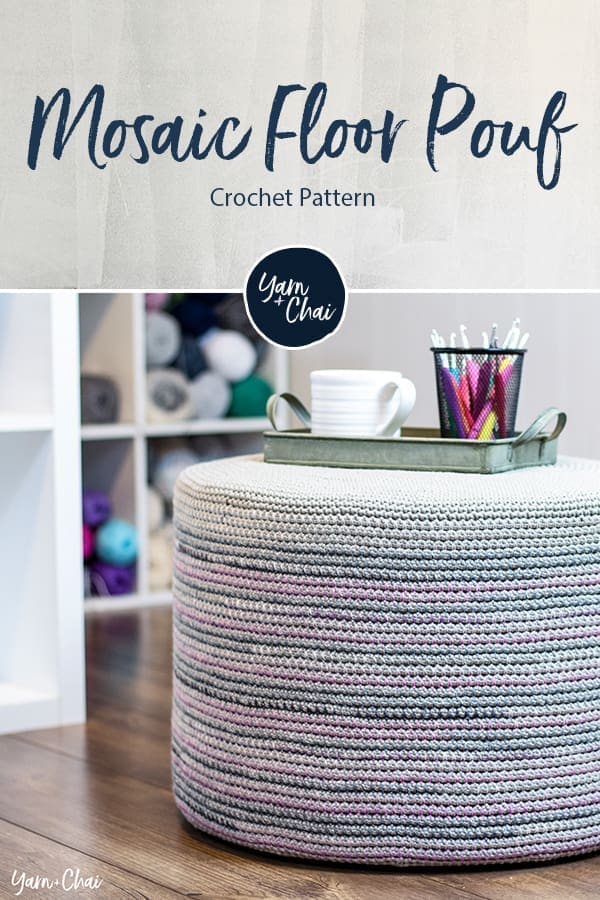
Caring for filled floor poufs helps keep them comfortable and looking great. Regular attention prevents wear and tear. Simple steps can refresh their look and extend their life. Understanding how to clean, refill, and maintain your pouf ensures long-lasting use.
Cleaning And Refreshing
Vacuum the pouf regularly to remove dust and dirt. Spot clean stains with a mild detergent and water. Avoid soaking the fabric to prevent damage. Let the pouf air dry completely before use. Use a fabric refresher spray for a pleasant smell. Fluff the pouf often to keep its shape and softness.
Refilling And Replacement
Check the filling for lumps or flattening regularly. Add more stuffing if the pouf feels too soft or thin. Common fillings include foam beads, polyester fiberfill, or shredded foam. Open the zipper or seam carefully to add stuffing. Seal the pouf tightly to avoid leaks. Replace old filling every 1-2 years for best comfort.
Extending Pouf Life
Rotate the pouf frequently to distribute wear evenly. Avoid placing it in direct sunlight to prevent fading. Keep it away from sharp objects to avoid tears. Use a protective cover if the pouf is in a high-traffic area. Store the pouf in a dry place during long periods of non-use. Regular care keeps your pouf soft and durable for years.
Credit: yarnandchai.com
Frequently Asked Questions
What Materials Are Best For Stuffing A Floor Pouf?
Common stuffing materials include polyester fiberfill, foam beads, and old clothes. Polyester fiberfill is soft and supportive. Foam beads provide a firmer shape. Using old clothes is eco-friendly and cost-effective. Choose based on comfort and desired firmness.
Can I Use Foam Beads To Stuff A Floor Pouf?
Yes, foam beads are popular for floor poufs. They offer lightweight support and mold to your body. Foam beads are durable and easy to refill. They help maintain the pouf’s shape over time.
How Do Polyester Fiberfill And Foam Compare For Poufs?
Polyester fiberfill is soft and plush, ideal for a cushy feel. Foam beads give a firmer, more structured support. Fiberfill may compress faster, while foam beads last longer. Your choice depends on comfort preferences and intended use.
Is It Safe To Stuff A Pouf With Recycled Clothes?
Yes, stuffing a pouf with recycled clothes is safe and eco-friendly. It provides good cushioning and reduces waste. Make sure clothes are clean and cut into small pieces for even filling.
Conclusion
Choosing the right filling makes your floor pouf comfy and durable. Common options include foam, old clothes, or polyester stuffing. Each material changes the feel and support of the pouf. Think about how you will use it and what feels best to you.
A well-stuffed pouf adds style and comfort to any room. Try different fillings to find your perfect match. Your floor pouf can be both cozy and practical with the right stuffing.



