
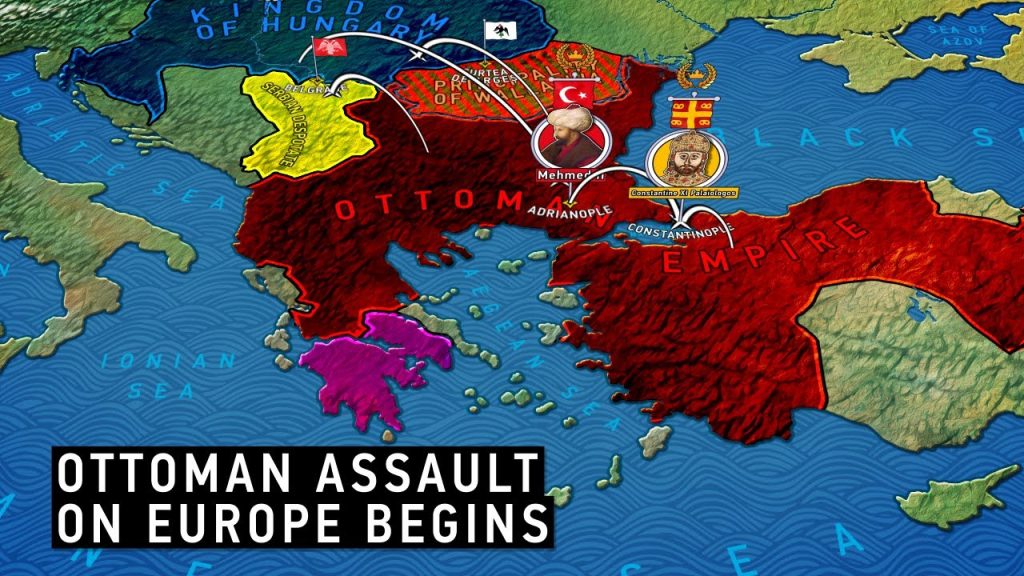
Have you ever wondered how one of history’s greatest empires got its start? The story of the Ottoman Empire’s beginning is full of ambition, strategy, and unexpected twists.
Understanding how it all began can change the way you see history and power. You’ll discover the key moments and people that sparked the rise of an empire that shaped the world for centuries. Keep reading, and you’ll uncover secrets that history books often overlook.

Credit: medium.com
Early Anatolian Context
The early Anatolian context shaped the rise of the Ottoman Empire. Anatolia, a land bridge between Asia and Europe, was a region of diverse cultures and powers. Small Turkish principalities, known as beyliks, controlled parts of the area. This mix of cultures and politics created a fertile ground for a new power to emerge.
Political Landscape Before The Ottomans
Before the Ottomans, Anatolia was fragmented. Many small states and tribes competed for power. The Mongol invasions weakened established empires. Local leaders ruled independently, often fighting each other. Trade routes crossed Anatolia, adding economic importance. This instability gave rise to new leaders seeking control.
Influence Of The Seljuk Turks
The Seljuk Turks were key players in Anatolia. They brought Islam and Turkish culture to the region. Their empire controlled large parts of Anatolia until the Mongols arrived. The Seljuks left behind strong military traditions and administrative systems. Many Turkish beyliks, including the Ottomans, grew from Seljuk roots.
Role Of The Byzantine Empire
The Byzantine Empire still held parts of Anatolia. It was a Christian stronghold with rich cities and forts. The empire struggled with internal problems and external threats. Byzantine weakness allowed Turkish beyliks to expand. The Ottomans initially clashed with Byzantines for control. This rivalry shaped early Ottoman strategies and growth.
Credit: owlcation.com
Rise Of Osman I
The rise of Osman I marks the beginning of the Ottoman Empire’s long history. Osman emerged as a strong leader during a time of change and conflict. His leadership laid the foundation for what would become a powerful empire. Osman’s story is one of courage, strategy, and determination.
Osman’s Background And Heritage
Osman I came from a Turkic tribal family. His father was Ertuğrul, a respected leader of the Kayı tribe. The tribe had roots in Central Asia and migrated to Anatolia. This region was a frontier between the Byzantine Empire and various Turkish states. Osman’s heritage combined nomadic traditions with Islamic faith. This mix shaped his leadership style and goals.
Initial Tribal Leadership
Osman became the leader of the Kayı tribe after his father’s death. He united several smaller tribes under his rule. His leadership was based on loyalty and military skill. Osman used alliances and marriages to strengthen his position. He focused on defending his people and expanding their territory. His leadership brought stability to the region.
Key Battles And Expansion
Osman led many battles against the Byzantine Empire. His success in these battles increased his tribe’s land and influence. He captured important towns and fortresses around Anatolia. These victories attracted more followers and warriors. Osman’s campaigns set the stage for a growing state. His efforts created the early structure of the Ottoman Empire.
Founding Principles And Governance
The Ottoman Empire began with strong leadership rooted in Islamic principles and tribal unity. Its governance blended traditional laws with flexible administration to build lasting power. This foundation helped the empire grow steadily across regions.
The Ottoman Empire’s foundation was built upon a unique blend of strategic governance and robust principles, laying a strong base for its future expansion. Understanding these founding principles helps us appreciate how a small state transformed into a vast empire. Let’s delve into its state formation, military prowess, and the cultural and religious aspects that were instrumental in its governance.Formation Of The Ottoman State
The Ottoman State emerged from the remnants of the Seljuk Empire, with its early roots in Anatolia around the late 13th century. It was Osman I, the empire’s namesake, who played a pivotal role in its initial formation. His leadership was characterized by pragmatic alliances and strategic conquests, which steadily expanded the Ottoman territories. Osman’s success lay in the incorporation of various Turkish tribes into a cohesive entity. This was achieved by promoting unity through shared goals and rewards. You might wonder, how did such a small state manage to rise so quickly? The answer lies in its leaders’ ability to adapt and innovate in governance.Military Organization
The Ottomans’ military organization was central to their rapid expansion and long-term success. The creation of the Janissary corps, an elite infantry unit, revolutionized their military approach. These troops were recruited through the devshirme system, where Christian boys were converted to Islam and trained as soldiers. This military innovation provided the Ottomans with a disciplined and loyal fighting force, crucial for their numerous victories. The empire’s strategy emphasized flexibility and adaptation, often incorporating new technologies and tactics. How did this impact their governance? By maintaining a powerful military, the Ottomans ensured their dominance and stability for centuries.Religious And Cultural Foundations
Religion and culture were cornerstones of Ottoman governance, influencing both policy and public life. The Ottomans were known for their religious tolerance, particularly towards Christians and Jews, which fostered a diverse and harmonious society. This approach not only stabilized internal affairs but also facilitated economic and cultural growth. The empire’s cultural policies promoted the flourishing of art, architecture, and science. This period saw the rise of iconic structures like the Blue Mosque, showcasing the Ottomans’ commitment to cultural excellence. So, what can we learn from their cultural governance? Embracing diversity and nurturing cultural heritage can lead to a thriving and resilient society. By exploring these elements of the Ottoman Empire’s founding principles and governance, we gain insights into how strategic planning and adaptability can build a legacy that withstands the test of time. How can these lessons from the past inspire your current challenges and future aspirations?Strategic Location And Economic Factors
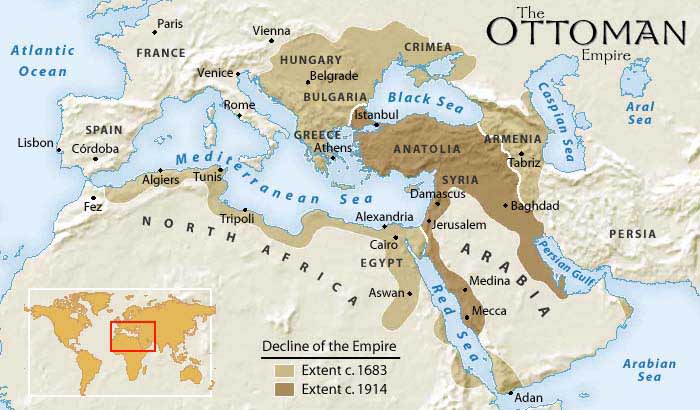
The rise of the Ottoman Empire was closely tied to its strategic location and economic strength. Positioned at the crossroads of continents, it controlled key routes for trade and travel. This gave the empire access to wealth and resources that fueled its growth. Understanding these factors helps explain how the Ottomans built a lasting empire.
Control Of Trade Routes
The Ottoman Empire sat on vital trade paths connecting Europe and Asia. These routes carried silk, spices, and other valuable goods. Controlling them allowed the Ottomans to regulate trade and collect taxes. This brought steady income and power. Cities like Bursa and Constantinople became wealthy trade hubs under Ottoman rule.
Geographical Advantages
The empire’s location between the Mediterranean and Black Seas offered natural defense and easy access to water routes. Mountain ranges and rivers created natural barriers against invaders. This geography helped the Ottomans protect their lands and expand safely. It also facilitated communication and movement within the empire.
Economic Growth And Resource Management
The Ottomans managed their resources wisely, promoting agriculture and crafts. They encouraged farming and controlled fertile lands to ensure food supply. Skilled artisans produced goods for local use and export. This balanced economy supported population growth and military strength. Efficient tax systems funded infrastructure and the army, securing the empire’s stability.
Relations With Neighboring Powers
The early Ottoman Empire grew in a complex neighborhood filled with many strong powers. Its relations with these neighbors shaped its rise and survival. The Ottomans dealt with wars, alliances, and clever diplomacy. These interactions helped them gain land and influence.
Conflicts With Byzantines
The Byzantines were the main rivals during the empire’s start. The Ottomans attacked Byzantine lands often. They aimed to capture key cities and forts. These battles weakened Byzantium and expanded Ottoman control. The fall of Bursa in 1326 was a major win.
Small raids and sieges marked their ongoing struggle. The Ottomans used fast, surprise attacks. This kept the Byzantines off balance and unable to recover fully.
Alliances And Rivalries
The Ottomans made alliances with some Turkish tribes and other neighbors. These partnerships gave them soldiers and resources. Some rivals also became temporary allies to fight common enemies.
At times, they competed with powerful neighbors like the Seljuks and Mongols. These rivalries pushed the Ottomans to grow stronger and smarter in war and politics.
Diplomatic Strategies
The Ottomans used diplomacy to avoid fights and gain power. They sent envoys and gifts to neighboring rulers. This created trust and opened doors for cooperation.
They arranged marriages and treaties to secure peace. These moves helped them focus on expanding territory peacefully. Clever diplomacy balanced their military actions well.

Credit: www.theproductiveteacher.com
Legacy Of The Empire’s Origins
The origins of the Ottoman Empire laid a strong foundation for its long-lasting influence. This legacy shaped many aspects of the empire’s growth and impact. Its beginnings were modest but powerful, setting patterns that echoed through centuries.
Understanding this legacy helps explain how the empire became a major force. The early structure, culture, and politics created a base for later success. This section explores key elements of that legacy.
Impact On Regional Politics
The Ottoman Empire’s start changed power dynamics in the region. It challenged existing states and shifted alliances. Small beyliks united under Ottoman rule, creating a new political order.
Strong leadership and military skill helped expand influence. The empire became a central player in trade and diplomacy. Neighboring regions adapted to Ottoman policies and growing power.
Cultural Contributions
The empire’s origins fostered rich cultural growth. Early Ottoman rulers supported art, architecture, and learning. They blended traditions from Turks, Arabs, and Byzantines.
This mix created unique styles in buildings, music, and literature. The empire became a center for scholars and artists. Cultural exchange helped spread ideas across continents.
Foundations For Future Expansion
Early Ottoman strategies set the stage for empire growth. Military organization and flexible governance allowed quick conquest of new lands. The use of local leaders helped maintain control.
Strong networks of trade and communication supported expansion. The empire built roads and cities to connect regions. These foundations made later territorial gains easier and more stable.
Frequently Asked Questions
How Did The Ottoman Empire Start?
The Ottoman Empire began in the late 13th century under Osman I. It started as a small principality in Anatolia. Osman united Turkish tribes and expanded territory. This foundation led to the powerful empire lasting over 600 years.
Who Founded The Ottoman Empire?
Osman I founded the Ottoman Empire around 1299. He was a leader of the Turkish tribes in Anatolia. Osman’s military success and leadership established the empire’s early power and expansion.
What Triggered The Ottoman Empire’s Rise?
The empire rose due to strong leadership, military skill, and strategic location. Control over trade routes and the decline of Byzantine power helped. The Ottomans also adapted new warfare techniques and governance methods.
Where Was The Ottoman Empire First Established?
The empire was first established in northwestern Anatolia, near Söüt. This region was strategically important for controlling trade and military movements. It served as the empire’s initial power base.
Conclusion
The Ottoman Empire began with small Turkish tribes uniting under Osman I. They grew by winning battles and forming strong alliances. Their location helped control key trade routes. Leaders balanced war and diplomacy well. This mix helped the empire expand quickly.
The start of the Ottoman Empire shows how unity and strategy build power. It reminds us that even small groups can change history. Understanding this beginning gives us insight into a vast and lasting empire.



