
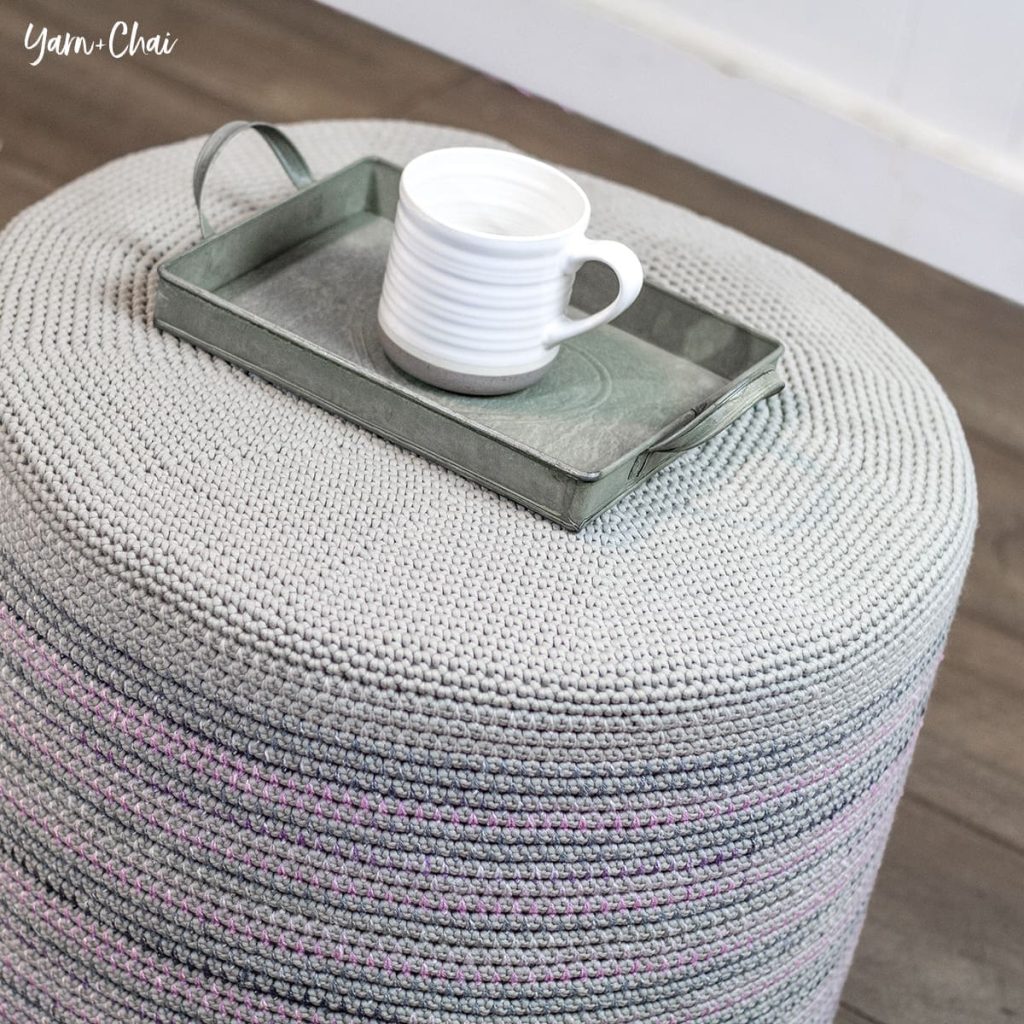
Are you looking to add a cozy, stylish touch to your living space without spending a fortune? Making a large pouf ottoman yourself is easier than you might think.
Imagine having a comfy spot to rest your feet, extra seating for guests, or even a unique statement piece—all crafted by your own hands. In this guide, you’ll discover simple steps and smart tips that anyone can follow, even if you’re new to DIY projects.
Ready to create something both beautiful and functional? Let’s get started!
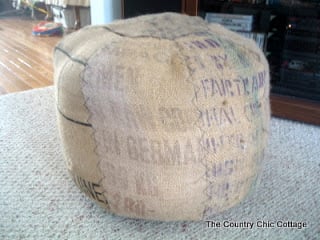
Credit: www.thecountrychiccottage.net
Materials Needed
Gathering the right materials is essential for making a large pouf ottoman. The choice of fabric, filling, and tools shapes the final look and comfort. Each material plays a specific role in durability and style. Preparing all items beforehand keeps the project smooth and enjoyable.
Fabric Choices
- Choose thick, durable fabric like canvas or denim.
- Consider soft materials such as cotton or linen for comfort.
- Pick a fabric that matches your room’s decor.
- Check fabric width and length to cover the pouf fully.
- Opt for patterned or plain fabric based on your style.
Filling Options
- Use foam pieces for firm and supportive filling.
- Polyester fiberfill offers a soft, cushy feel.
- Old clothes or fabric scraps can be eco-friendly fillers.
- Bean bag pellets add flexibility and shape.
- Combine fillings for a balanced texture and comfort.
Tools Required
- Sewing machine speeds up stitching and strengthens seams.
- Sharp fabric scissors ensure clean cuts.
- Measuring tape helps get accurate fabric sizes.
- Pins hold fabric pieces together while sewing.
- Needle and thread for hand sewing small parts.
- Marker or chalk to draw cutting lines on fabric.
Choosing The Right Size
Choosing the right size for a large pouf ottoman is key to making it fit perfectly in your space. The size affects both comfort and style. A pouf that is too big can crowd the room. Too small, and it may not serve its purpose well. Careful planning helps you pick the perfect dimensions.
Measuring Space
Start by measuring the area where you want to place the pouf. Use a tape measure to get the length and width of the spot. Note any nearby furniture or pathways. Leave enough space around the pouf for easy movement. Mark the measurements on paper or use a floor plan app. This helps visualize how the pouf will fit in the room.
Determining Dimensions
Decide on the ideal height, width, and depth for the pouf. Consider what you will use it for—extra seating, footrest, or decoration. For seating, make sure the height matches your chairs or sofa. Width and depth should allow comfortable use without blocking walkways. Common pouf sizes range from 18 to 24 inches in height. Adjust dimensions based on your space measurements and needs.
Cutting The Fabric
Cutting the fabric is a crucial step in making your large pouf ottoman. Precise cuts ensure your pieces fit together perfectly, giving the final product a polished look. Take your time here, as rushing can lead to wasted material or uneven seams.
Creating Patterns
Start by drafting your patterns on paper or cardboard. Use measurements from your ottoman design, including the top, sides, and bottom pieces. Having sturdy patterns helps you trace consistently and avoid mistakes.
Think about adding seam allowances—usually about 1/2 inch—to each edge. This extra space is essential for sewing the pieces together without making your pouf too small. I once skipped this step and ended up with a tighter cover that was hard to fit over the stuffing.
Double-check your measurements before moving on. Are the shapes symmetrical? Do all the side panels match in height and width? These small checks prevent frustrations later.
Marking And Cutting
Lay your fabric flat on a clean surface. Pin your patterns securely to prevent shifting. Use tailor’s chalk or a fabric marker to trace around each piece clearly.
Cut slowly and steadily with sharp fabric scissors. Dull scissors can cause jagged edges, making sewing difficult. If your fabric has a pattern or direction, pay attention to how you place the patterns to keep the design consistent.
After cutting, label each piece with a small fabric tag or pin a note. This helps you keep track during assembly. Have you ever mixed up pieces and spent extra time figuring out which is which? A little organization saves a lot of hassle.
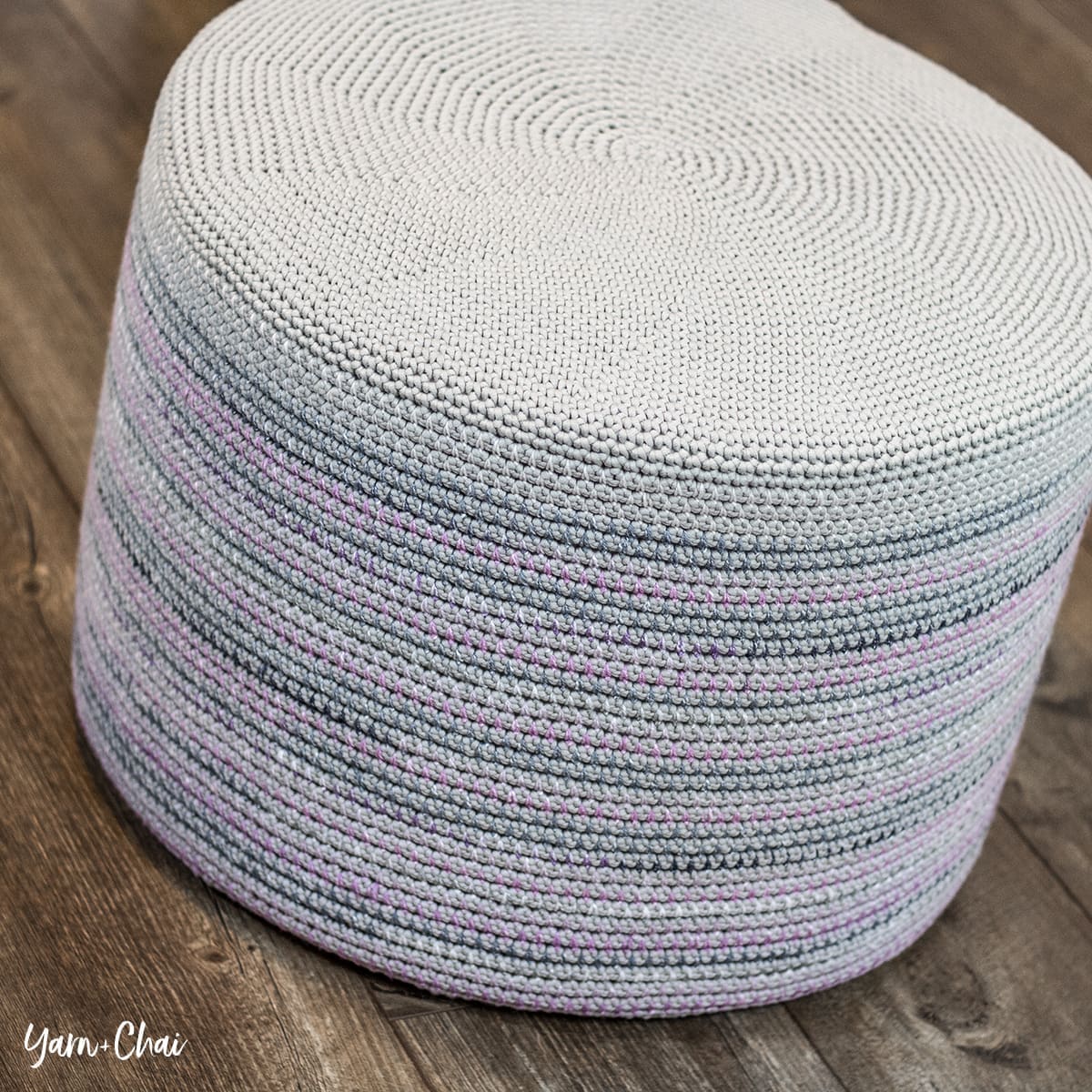
Credit: yarnandchai.com
Sewing The Pouf Cover
Cut fabric pieces carefully to fit the pouf shape. Sew edges together, leaving an opening for stuffing. Use strong thread and tight stitches for durability.
Sewing the pouf cover is an exciting step that brings your vision to life. It’s where creativity meets functionality, transforming fabric pieces into a cozy, stylish centerpiece for your living space. Whether you’re a seasoned seamstress or a beginner eager to learn, this part of the process promises satisfaction and a tangible sense of achievement.Stitching The Panels
Start by aligning your fabric panels carefully. Precision here ensures a smooth, professional finish. Use straight pins to hold the panels together, making sure they are aligned perfectly. Set your sewing machine to a straight stitch and begin sewing along the edges. Keep a consistent seam allowance, usually around 1/2 inch. This will give your pouf cover strength and durability. Don’t rush. Take your time to ensure each stitch is precise. If you find your panels are misaligned, stop and adjust them. A little patience goes a long way in achieving that polished look.Adding Zippers Or Closures
Deciding between a zipper or another closure can be a fun choice. Zippers offer a sleek finish, while buttons or Velcro can add a unique touch. If you choose a zipper, measure the length of your opening and select an appropriate zipper size. Pin the zipper in place and sew it carefully, ensuring it aligns well with the fabric’s edges. A zipper foot on your sewing machine can make this task easier. For button closures, select buttons that complement your fabric. Sew buttonholes first, then attach the buttons. Velcro is also an option for a quick and easy closure. Simply sew the strips to the fabric, and you’re done. What closure method will best suit your style and functional needs? Consider your room’s décor and how often you’ll need to remove the cover. This decision can enhance both the look and usability of your pouf ottoman.Filling The Pouf
Filling the pouf is a key step that affects comfort and shape. The right filling makes the pouf soft yet supportive. It should hold its form without feeling hard or flat. Choosing the proper material also impacts durability and ease of use. Some fillings need more maintenance than others. Understanding common filling options helps you pick what works best for your large pouf.
Using Foam Or Beads
Foam offers a firm and stable base for the pouf. It holds shape well and lasts longer. Choose high-density foam for better support. Cut the foam to fit the pouf size perfectly. This creates a smooth and even surface.
Beads, often polystyrene, are lightweight and moldable. They adjust to your body shape easily. Pour beads into a fabric liner before placing inside the pouf cover. This keeps beads from escaping and makes refilling simple. Beads give a softer feel but might compress over time.
Ensuring Proper Firmness
Firmness affects comfort and pouf lifespan. Too soft filling causes the pouf to lose shape quickly. Too firm filling feels hard and less cozy. Test firmness by pressing the pouf with your hands. It should give slightly but spring back.
- Add more foam or beads to increase firmness.
- Remove some filling if it feels too hard.
- Mix foam and beads for balanced comfort and support.
Check firmness regularly, especially if using beads. Over time, fillings settle and need topping up. A well-filled pouf stays inviting and holds its look longer.
Finishing Touches
Finishing touches are what turn your large pouf ottoman from a simple project into a stylish and polished piece. Paying attention to the small details ensures durability and adds a personal flair. These final steps can make all the difference in how your ottoman looks and feels.
Trimming Excess Threads
After sewing your pouf, take time to carefully trim any loose threads. Use sharp scissors to avoid pulling on the fabric and creating new snags. This small act cleans up the look and prevents threads from unraveling later.
Check both the inside and outside seams for stray threads. Sometimes, a thread that seems minor can catch on something and pull apart the stitching. Keeping your stitches tidy helps your ottoman last longer and look professional.
Adding Decorative Elements
Think about how you want your pouf to fit into your space. Adding buttons, tassels, or fabric paint can give it a unique touch that matches your style. These elements can also highlight the shape and texture of your ottoman.
If you want a boho vibe, try attaching colorful tassels at the corners. For a more classic look, sew on fabric-covered buttons in the center. You could even add a subtle fabric stencil pattern using fabric paint for a modern twist.
What small detail could make your pouf stand out in your room? Experimenting with decorations lets you customize your piece without much extra work. This is your chance to make the ottoman truly yours.
Care And Maintenance
Keeping your large pouf ottoman in great shape requires regular care and attention. How you clean and store it can make a big difference in its lifespan and appearance. Let’s look at simple ways to keep it looking fresh and inviting.
Cleaning Tips
Start by checking the fabric care label on your pouf. Some materials need gentle cleaning, while others can handle a bit more scrubbing.
- Vacuum regularly:Use a soft brush attachment to remove dust and crumbs. This prevents dirt from settling deep into the fabric.
- Spot clean stains:Blot spills immediately with a clean cloth. Avoid rubbing, which can push the stain further in.
- Use mild cleaners:Mix a small amount of gentle detergent with water for stubborn spots. Test on a hidden area first to prevent discoloration.
- Dry thoroughly:Let your pouf air dry completely after cleaning to avoid mold or mildew.
Have you ever noticed how one unnoticed spill can become a permanent mark? Taking quick action can save you from future headaches.
Storage Suggestions
Think about where you keep your pouf when not in use. The right storage can protect it from damage and dust buildup.
- Keep it covered:Use a breathable fabric cover to shield your pouf from dust without trapping moisture.
- Avoid damp areas:Store it in a dry spot to prevent mold growth, especially if your pouf has natural fibers like cotton or wool.
- Maintain shape:If possible, store your pouf off the floor on a shelf or a raised surface. This helps keep its form intact.
- Rotate regularly:If your pouf sits in one place for a long time, rotate it occasionally to avoid uneven wear.
Have you tried storing your pouf in a closet or under a bed? Sometimes, a little thought about storage location can make your pouf last much longer than expected.
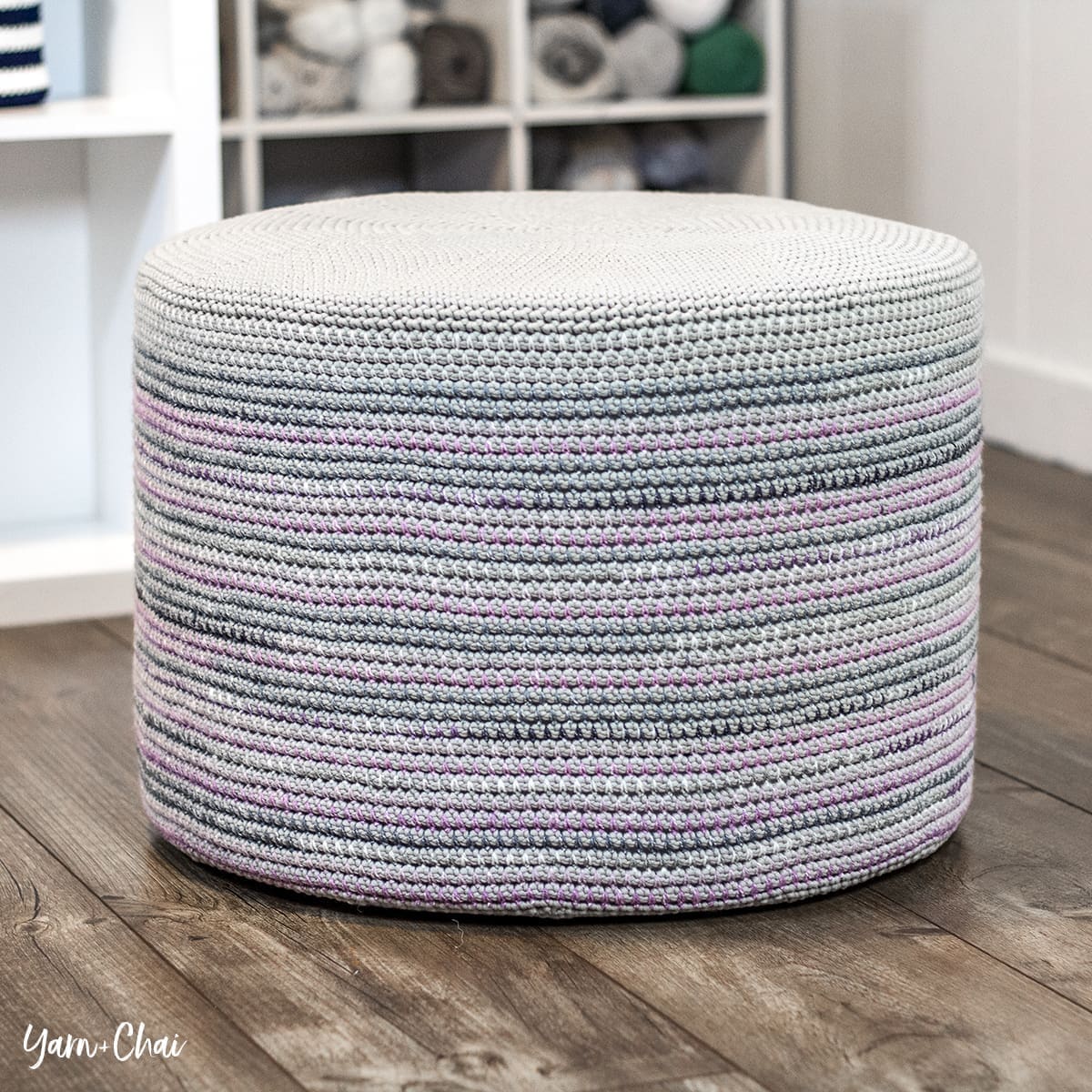
Credit: yarnandchai.com
Frequently Asked Questions
What Materials Are Needed To Make A Large Pouf Ottoman?
To make a large pouf ottoman, you need fabric, stuffing, thread, scissors, and a sewing machine. Optional materials include piping and decorative buttons. Choose durable fabric like canvas or upholstery material for strength and style.
How Long Does It Take To Make A Large Pouf Ottoman?
Making a large pouf ottoman typically takes 2 to 4 hours. Time varies based on your sewing skills and design complexity. Cutting fabric, sewing pieces, and stuffing the ottoman are the main tasks involved.
Can I Customize The Size And Shape Of The Pouf Ottoman?
Yes, you can customize the size and shape easily. Measure your space and adjust fabric dimensions accordingly. Common shapes include round, square, and cylindrical poufs. Customizing lets you fit your home decor perfectly.
What Stuffing Is Best For A Large Pouf Ottoman?
Polyester fiberfill or foam beads are the best stuffing options. They provide softness, durability, and maintain shape well. Avoid heavy or flat stuffing to ensure comfort and longevity of your pouf ottoman.
Conclusion
Making a large pouf ottoman is a fun and rewarding project. You can customize it to fit your space and style. Using simple materials keeps the process easy and affordable. This DIY piece adds comfort and charm to any room.
Enjoy the satisfaction of creating something useful with your own hands. Try different fabrics and colors to match your decor. Now, your living area feels cozier and more inviting. Why buy when you can make it yourself?



