
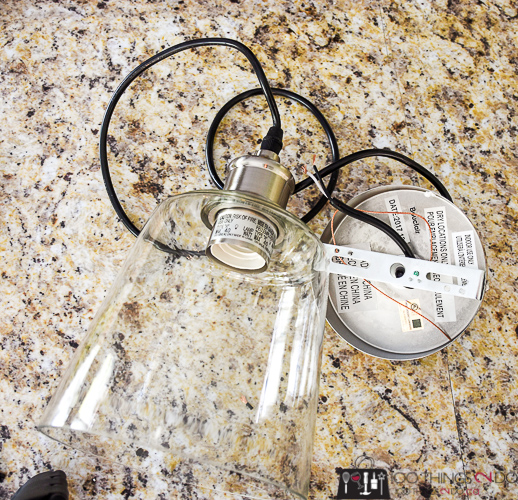
Thinking about adding a pendant light to your space but not sure where to start? You’re in the right place.
Hanging a pendant light might seem tricky, but with the right steps, you can do it yourself and transform your room instantly. Imagine the warm glow and style a perfectly hung pendant light can bring to your home. Keep reading, and you’ll discover simple tips and clear instructions to help you hang your pendant light safely and beautifully.
Let’s make your space shine!

Credit: 100things2do.ca
Choosing The Right Pendant Light
Choosing the right pendant light shapes the entire room’s look and feel. It sets the mood and adds style. Focus on size, style, ceiling height, and décor to find the perfect fit.
Selecting Size And Style
Pick a pendant light size that fits the space. Too big can overwhelm the room. Too small may get lost. Match the style to your room’s vibe—modern, rustic, or classic. The right style makes the light stand out nicely.
Considering Ceiling Height
Ceiling height affects the pendant light’s placement. High ceilings allow for longer drops. Low ceilings need shorter fixtures. Make sure the light hangs at a comfortable level, avoiding head bumps.
Matching Room Décor
Choose a pendant light that blends with your décor. Think about colors, shapes, and materials. A metal fixture suits industrial rooms. A glass pendant fits well in modern spaces. Harmony between light and décor creates a balanced look.
Gathering Essential Tools
Before you start hanging a pendant light, it’s important to gather all the tools and safety gear you need. Having everything ready keeps your work smooth and prevents last-minute trips to the store. It also helps you stay safe and confident during the installation process.
Tools Checklist
Make sure you have these essential tools on hand:
- Voltage tester:To check if the power is off before you start working.
- Screwdrivers:Both flathead and Phillips for different screws.
- Wire strippers:To remove insulation from electrical wires cleanly.
- Drill and bits:Needed if you have to make new holes or anchors.
- Measuring tape:For accurate placement and height adjustment of the pendant.
- Wire nuts:To safely connect wires together.
- Ladder or step stool:To reach the ceiling comfortably and securely.
I once tried to install a pendant without a wire stripper and ended up damaging the wires. It taught me that the right tools make a big difference in quality and safety. Have you ever had a project stall because a simple tool was missing?
Safety Equipment
Your safety should come first. Protect yourself by using:
- Insulated gloves:To prevent electric shocks.
- Safety goggles:To shield your eyes from dust and debris.
- Dust mask:Useful if you’re drilling into the ceiling.
- Non-slip shoes:To avoid slipping on ladders or floors.
Turning off the circuit breaker is critical, but wearing protective gear adds an extra layer of security. Have you ever skipped safety gear and regretted it later?
Preparing The Installation Area
Clear the ceiling area and turn off the power before starting. Check for a strong support beam to hold the pendant light securely. Measure and mark the spot carefully for perfect placement.
Preparing the installation area for a pendant light is crucial. It ensures safety and a professional appearance. Following the correct steps can make the process smooth and efficient. Below are key steps to prepare the area.Turning Off Power
Safety starts with turning off the power. Locate your home’s circuit breaker. Switch off the power to the area where you’ll work. This prevents electrical shocks. Double-check by using a voltage tester. Ensure the power is completely off.Locating Electrical Box
Find the existing electrical box in your ceiling. This is where the pendant light will connect. If there isn’t one, you might need to install it. A secure electrical box is vital. It supports the weight of the light fixture.Measuring Hanging Height
Decide on the right height for your pendant light. Use a measuring tape for accuracy. Consider the room’s ceiling height. Typically, lights hang 30-36 inches above surfaces. This ensures proper lighting and aesthetic appeal.
Credit: www.nospacelikehome.uk
Wiring The Pendant Light
Wiring your pendant light is a crucial part of the installation process. It ensures your light functions properly and stays safe over time. Paying close attention to each wire connection can save you from future electrical issues and give you confidence in your handiwork.
Connecting Wires Safely
First, turn off the power at the circuit breaker to avoid any risk of electric shock. Identify the wires coming from your ceiling and the pendant light—usually, you’ll see a black (live), white (neutral), and green or copper (ground) wire.
Match wires by color: black to black, white to white, and green or copper to ground. Twist the ends of the wires together firmly before securing them. A loose connection can cause flickering or short circuits, so take your time here.
Securing Wire Nuts
Once the wires are twisted together, place a wire nut over the exposed ends. Twist the wire nut clockwise until it feels tight and secure. Give each wire nut a gentle tug to ensure it won’t come loose.
Using the right size wire nut is important—too small won’t hold the wires, and too large can leave gaps. If you find your wires are too short to twist properly, carefully strip more insulation to get enough length for a solid connection.
Testing Connections
Before you fully secure the pendant light, turn the power back on and test the connection. Flip the wall switch to check if the light turns on without flickering or buzzing. If something seems off, turn the power off immediately and recheck your connections.
Testing early saves you from uninstalling the fixture later. Have a helper stand nearby to operate the switch while you observe the fixture. This small step can prevent frustration and ensure your pendant light works perfectly from the start.
Mounting The Fixture
Mounting the fixture is a crucial part of hanging a pendant light. It ensures the light stays secure and looks great. This process involves attaching the mounting bracket, securing the canopy, and adjusting the cord length. Each step helps to create a stable and stylish fixture.
Attaching Mounting Bracket
Start by fixing the mounting bracket to the ceiling box. Use screws that fit well to keep it strong. Make sure the bracket is level to avoid a tilted light. Check that it can hold the weight of your pendant light safely.
Securing Pendant Canopy
Slide the pendant canopy over the mounting bracket. Align it so the wires fit through the center hole. Push the canopy flush against the ceiling. Tighten any screws or locks to hold the canopy firmly in place.
Adjusting Cord Length
Set the cord to the height you want your pendant light to hang. Pull the cord through the canopy gently. Use the cord grip or set screws to keep it at the right length. Trim any excess cord if needed, but leave extra for future adjustments.
Final Touches
After securing your pendant light, the final touches bring your installation to life. These small but important steps ensure your fixture not only looks great but functions perfectly. Paying attention here can make a big difference in your lighting experience.
Installing Light Bulb
Choose a bulb that matches your fixture’s specifications and the ambiance you want. LED bulbs are energy-efficient and come in various colors and brightness levels. Screw the bulb in gently to avoid damaging the socket or the bulb itself.
Have you considered dimmable bulbs? They give you control over the lighting mood, which can transform your space instantly. Make sure the bulb fits comfortably without forcing it into the socket.
Cleaning The Fixture
Dust and fingerprints can dull the shine of your pendant light. Use a soft, dry cloth or a microfiber duster to clean the glass or metal parts carefully. Avoid harsh chemicals that might damage the finish.
If your fixture has delicate details or hard-to-reach spots, try a small paintbrush or compressed air for a gentle clean. A clean fixture not only looks better but also improves light output.
Turning Power Back On
Before flipping the switch, double-check all connections to avoid shorts or flickering. Turn the power back on at the breaker or fuse box, then test your new pendant light. If it doesn’t work, don’t panic—sometimes a loose wire or bulb can be the culprit.
Have you ever experienced the frustration of a light not turning on after installation? Taking a moment to verify connections before powering up can save you time and headaches. Your patience here ensures your pendant light shines as intended.
Troubleshooting Common Issues
Hanging a pendant light can sometimes lead to small problems. These issues might stop the light from working properly or affect its look. Knowing how to fix these common problems saves time and effort. Here are some easy ways to troubleshoot common pendant light issues.
Light Not Turning On
Check the power source first. Make sure the switch is on and the circuit breaker is not tripped. Confirm the bulb is screwed in tightly. Try replacing the bulb with a new one. Inspect the wiring connections inside the ceiling box. Loose wires can stop power flow. Turn off power before checking wires. Use a voltage tester to ensure power is reaching the fixture.
Pendant Hanging Unevenly
An uneven pendant looks off and may be unsafe. Check if the mounting bracket is level on the ceiling. Adjust the bracket screws to correct the angle. Ensure the chain or rod length is even on both sides. Sometimes the canopy might not sit flush. Loosen the canopy, adjust the wires, and tighten it back securely. Balance the weight by shifting the light fixture gently until it hangs straight.
Dealing With Flickering
Flickering can be annoying and signal a problem. Start by checking the bulb type. Some bulbs do not work well with dimmers. Replace the bulb with a compatible one. Tighten the bulb to avoid loose contact. Inspect the wiring for loose connections or corrosion. Worn switches can cause flickering. Try replacing the light switch if flickering continues. Use a stable power supply to avoid voltage fluctuations.

Credit: cometlighting.co.uk
Creative Pendant Light Ideas
Pendant lights offer more than just illumination. They bring style and character to any room. Creative ideas can make your pendant lights stand out. This section explores ways to enhance your space with pendant lighting.
Layering Multiple Pendants
Hanging several pendant lights together creates a stunning visual effect. Use different sizes or shapes to add depth. Arrange them at varied heights for a dynamic look. This technique works well over kitchen islands or dining tables. Grouping pendants draws attention and brightens the area evenly.
Using Dimmer Switches
Dimmer switches allow control over light brightness. Adjusting the pendant light mood suits different occasions. Soft light creates a cozy atmosphere for evenings. Bright light helps during tasks or reading. Installing a dimmer is simple and increases pendant light versatility.
Combining With Other Lighting
Mix pendant lights with other light sources for balance. Use wall sconces or floor lamps to complement pendants. Layering different lights prevents shadows and dark spots. This mix enhances room ambiance and functionality. It creates a well-lit space that feels inviting and complete.
Frequently Asked Questions
How High Should I Hang A Pendant Light?
Hang pendant lights 28 to 34 inches above a table or countertop. This height ensures proper illumination and avoids glare. Adjust based on ceiling height and room size for optimal lighting and aesthetics.
What Tools Do I Need To Hang A Pendant Light?
You need a drill, screwdriver, wire stripper, voltage tester, and ladder. These tools help safely install and secure the pendant light fixture. Always switch off power before starting.
Can I Hang Multiple Pendant Lights In One Room?
Yes, multiple pendants create stylish, layered lighting. Space them evenly for balanced illumination. Use consistent styles or varying sizes for a decorative effect.
How Do I Safely Wire A Pendant Light?
Turn off power at the breaker. Connect black (hot) wires, white (neutral) wires, and ground wires securely. Use wire nuts and electrical tape for safety.
Conclusion
Hanging a pendant light can change any room’s look quickly. Choose the right height and spot for best results. Always turn off power before starting the work. Use tools that fit the job well to stay safe. Follow the steps carefully, and take your time.
A well-hung pendant light adds style and good lighting. Try it yourself and enjoy a brighter space today!



