
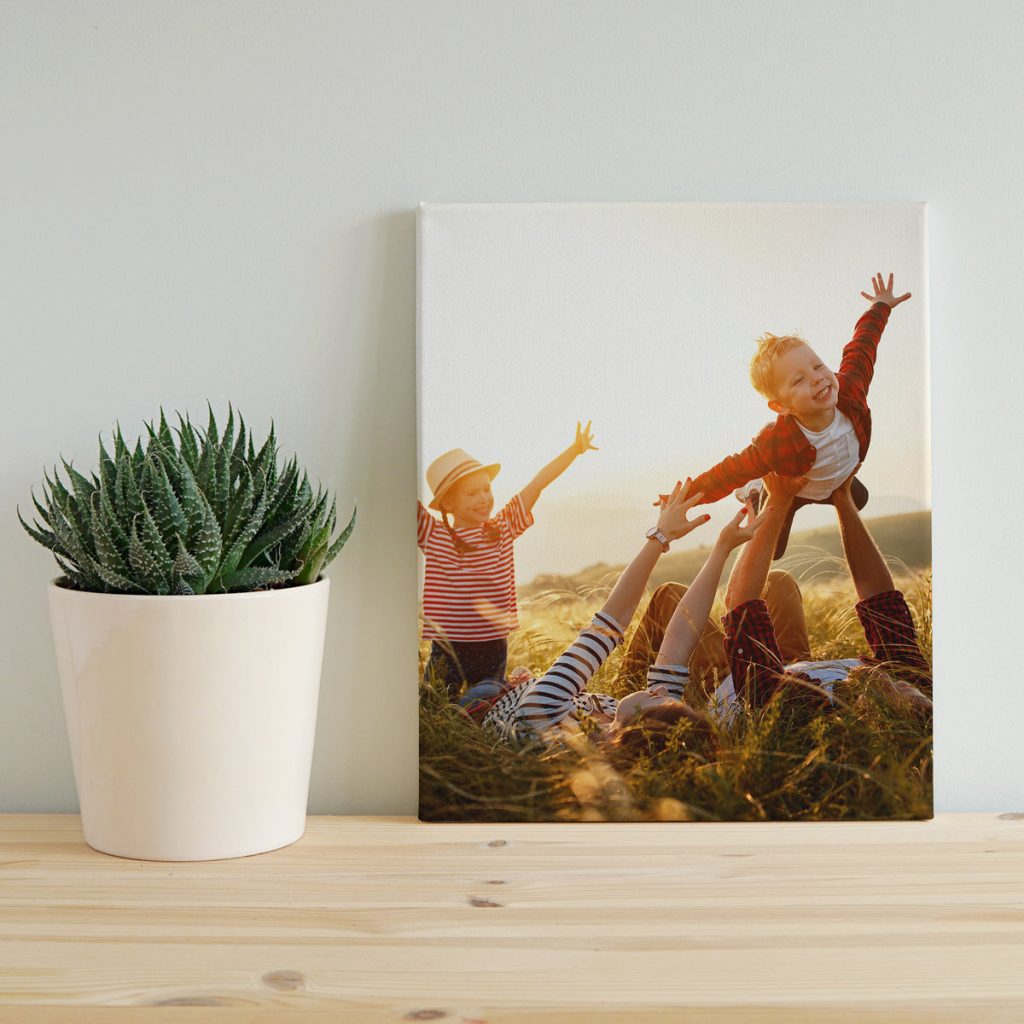
Are you looking to give your canvas prints a polished, professional look? Framing your canvas prints not only protects your artwork but also enhances its beauty, making your space feel more inviting.
But how do you frame canvas prints without damaging them or spending a fortune? You’ll discover simple, step-by-step tips to frame your canvas prints like a pro. Whether you want a sleek modern frame or a classic style, you’ll learn everything you need to know to make your art stand out.
Keep reading, and turn your canvas prints into stunning focal points in your home or office.
Choosing The Right Frame
Choosing a frame that matches your canvas print enhances its look and protects the artwork. Consider colors and styles that complement the image without overpowering it. Frames can add depth and make your print stand out on any wall.
Choosing the Right Frame Choosing the right frame for your canvas print can make all the difference in how your artwork is perceived. It’s not just about finding something that looks good; it’s about enhancing the art and creating a cohesive look in your space. The right frame can elevate a simple piece into a striking focal point in your room.Frame Styles For Canvas Prints
Frame style is a key aspect to consider. Do you prefer a classic or modern look? A floating frame gives an illusion that the canvas is levitating within the frame, offering a contemporary touch. On the other hand, ornate frames with intricate designs add a touch of elegance and are perfect for traditional settings.Materials And Finishes
Materials matter as much as style. Wood frames provide a warm, natural feel, while metal frames offer a sleek and modern appearance. Finish options like matte, glossy, or distressed can further refine the look. For a cohesive look, match the frame’s finish with other elements in your room, like furniture or fixtures.Matching Frame With Artwork
Consider the colors and mood of your artwork. A bold, colorful piece might benefit from a simple, understated frame to let the art shine. Conversely, a minimalistic canvas may need a more pronounced frame to add character. Ask yourself, does the frame complement or compete with the artwork? Aim for harmony to create a balanced presentation.
Credit: www.pictureframes.com
Measuring Canvas For Framing
Measuring your canvas accurately is the foundation of a well-framed artwork. Without precise measurements, your frame might not fit properly, leaving gaps or causing the canvas to warp. Taking the time to measure correctly ensures your canvas looks its best and stays protected.
Getting Accurate Dimensions
Start by measuring the width and height of your canvas with a reliable tape measure. Hold the tape firmly against the edges to avoid any slack or bending. Write down these numbers carefully and double-check them to avoid mistakes.
Remember to measure in inches or centimeters based on your frame’s specifications. Some people forget to measure twice and end up with frames that are either too tight or too loose. Have you ever bought a frame only to find it doesn’t fit? Avoid that frustration by being precise now.
Accounting For Canvas Depth
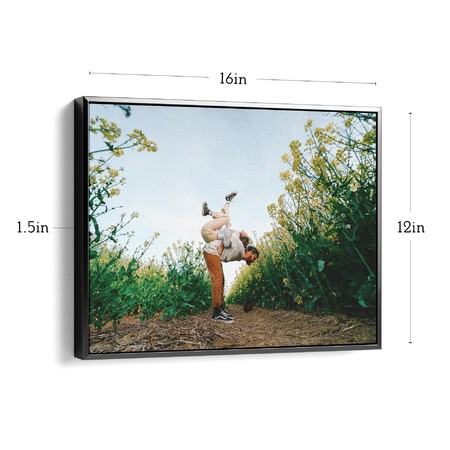
Canvas depth refers to the thickness of the wooden stretcher bars holding your canvas. Standard depths range from ¾ inch to 1.5 inches, but some canvases are even thicker. Knowing this measurement is crucial because it affects the type of frame you need.
If your frame isn’t deep enough, the canvas could stick out or not fit at all. Measure the depth by placing the tape measure along the side of the canvas, from front to back. This small detail can make a big difference in how professional your final piece looks.
Types Of Framing Techniques
Framing canvas prints enhances their look and protects the artwork. Different framing techniques offer unique styles and finishes. Choose a technique that fits your space and art style.
Gallery Wrap Method
The gallery wrap method stretches the canvas around thick wooden bars. The canvas edges are stapled or glued at the back. This creates a clean, frameless look with the image wrapping around sides. It gives a modern and minimalist feel. No additional frame is needed, making it popular for contemporary art.
Float Frame Approach
Float frames hold the canvas slightly away from the frame edges. This creates a gap or “floating” effect around the canvas. The frame does not touch the canvas edges, highlighting the artwork. It adds depth and a stylish border without covering any part of the image. Float frames come in many colors and materials for a custom look.
Traditional Framing Options
Traditional frames use a wooden or metal frame with glass or acrylic covering. The canvas is either mounted on a backing board or wrapped and secured inside the frame. This classic approach protects the canvas from dust and damage. It suits formal or vintage artwork styles. Matting can be added to enhance the presentation further.
Credit: pinholepress.com
Tools And Supplies Needed
Framing canvas prints needs specific tools and supplies. These help hold the canvas tight and protect the artwork. Choosing the right items makes framing easier and the final look better.
Using proper tools ensures a neat and secure frame. Quality supplies add durability and style. Prepare all materials before starting to avoid interruptions.
Essential Framing Tools
- Staple gun or tacker – to attach the canvas to the frame
- Measuring tape – for accurate frame and canvas size
- Scissors or craft knife – to trim excess canvas
- Hammer and small nails – for assembling wooden frames
- Wood glue – to secure frame joints
- Clamps – to hold glued parts together while drying
- Protective gloves – to keep hands safe during work
- Level – to ensure the frame is straight
Selecting Quality Supplies
- Wood or metal frame – choose sturdy, smooth materials
- Canvas pliers – to stretch the canvas evenly
- Acid-free backing board – to protect the print from damage
- UV-protective glass or acrylic – optional, shields art from sunlight
- Archival tape or framing tape – for neat and lasting attachment
- Mat board – adds a border and enhances appearance
Step-by-step Framing Process
Framing canvas prints enhances their beauty and protects them. The process is simple and rewarding. Follow clear steps to frame your canvas perfectly. This guide breaks down the framing process into easy parts.
Preparing The Canvas
Start by cleaning the canvas surface gently. Use a soft, dry cloth to remove dust. Check the canvas edges for any damage or loose threads. Trim any excess canvas if needed. Make sure the canvas is dry and flat before framing.
Attaching The Frame
Select a frame that fits your canvas size and style. Place the canvas face down on a clean surface. Align the frame pieces around the edges of the canvas. Use clamps or tape to hold the frame in place. Ensure the frame fits snugly without bending the canvas.
Securing The Artwork
Use small finishing nails or staples to attach the canvas to the frame. Drive nails or staples along the back edges evenly. Avoid placing nails too close to the canvas edge. Check that the canvas is tight and smooth on the frame. Add hanging hardware to the frame back for display.
Credit: www.shoppersphoto.ca
Hanging And Display Tips
Hanging and displaying your canvas prints effectively can transform a room and highlight your artwork’s beauty. Paying attention to placement, hardware, and lighting will make your prints stand out and ensure they stay secure. Let’s dive into some practical tips to help you showcase your canvas prints with confidence and style.
Choosing Wall Placement
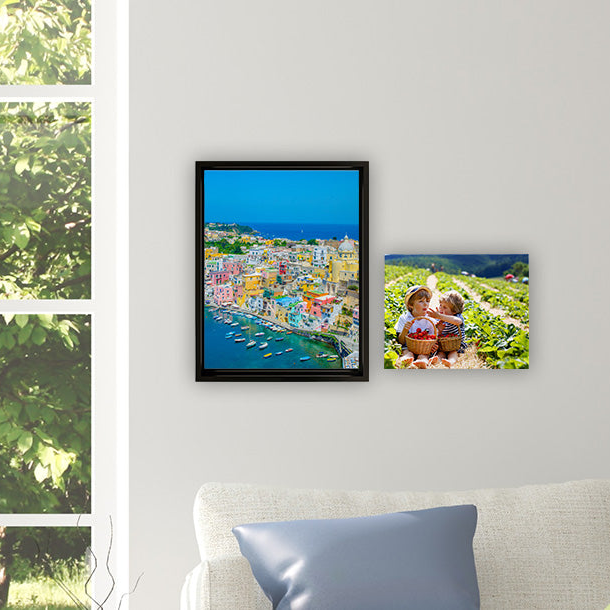
Think about the room’s purpose before deciding where to hang your canvas print. A lively living room might benefit from bold, large prints, while subtle, smaller pieces work better in a quiet bedroom or office.
Consider eye level as your starting point—most people find art most engaging when it’s about 57 to 60 inches from the floor. Don’t be afraid to experiment by temporarily taping the print to the wall and stepping back to see how it feels.
Is the wall space too cluttered? Sometimes less is more. Leave enough breathing room around your canvas to let it shine without competing with other décor.
Using Proper Hanging Hardware
Choosing the right hardware is crucial for keeping your canvas safe and level. Lightweight canvases can usually be hung with simple picture hooks or nails, but heavier or larger prints require sturdier solutions like wall anchors or brackets.
For canvases with a wooden frame, D-rings and wire are excellent for distributing weight evenly. If your print is gallery-wrapped without a frame, consider adhesive hooks designed specifically for canvas surfaces to avoid damage.
Have you checked the wall material? Drywall, brick, and plaster all need different types of anchors. Matching the hardware to the wall ensures your print won’t fall unexpectedly.
Lighting Considerations
Good lighting brings out the colors and details of your canvas print. Natural light is ideal, but direct sunlight can fade your artwork over time, so place prints where they get indirect light.
Using adjustable spotlights or picture lights allows you to highlight your print’s best features. Aim the light at a 30-degree angle to minimize glare and shadows.
Think about the room’s overall lighting mood. Soft, warm lights create a cozy feel, while brighter, cooler lights make colors pop. What kind of atmosphere do you want your print to help create?
Maintaining Framed Canvas Prints
Maintaining framed canvas prints ensures they stay vibrant and beautiful for years. A well-kept frame not only protects the artwork but also enhances its visual appeal. Taking simple steps to care for your canvas can make a big difference in preserving its quality and charm.
Cleaning And Care
Dust your framed canvas regularly using a soft, dry cloth or a feather duster. Avoid using water or cleaning sprays directly on the canvas as moisture can damage the fabric and paint.
If your frame has glass, use a gentle glass cleaner on the frame only, being careful not to let any liquid seep onto the canvas. For stubborn dirt on the frame, a slightly damp cloth can be effective, but always dry it immediately.
Have you noticed how even a small amount of dust can dull your canvas? Taking just a few minutes every week to clean your prints can keep them looking fresh without any special tools.
Protecting From Damage
Place your framed canvas prints away from direct sunlight to prevent fading over time. UV rays can break down the paint and fabric, causing irreversible damage.
Keep your artwork in a room with stable temperature and humidity. Excess moisture can lead to mold or warping, while extreme dryness might cause cracking.
Consider installing bumpers on the back of the frame to keep it slightly off the wall. This helps air circulate and prevents moisture buildup behind the canvas.
Have you ever thought about how small environmental changes can affect your canvas? Protecting your prints from these factors is key to making them last as long as possible.
Frequently Asked Questions
What Materials Do I Need To Frame Canvas Prints?
You need stretcher bars, canvas pliers, a staple gun, corner keys, and framing hardware. These tools help stretch and secure the canvas properly.
How Do I Stretch Canvas Before Framing?
Stretch the canvas evenly over the stretcher bars. Pull tightly and staple the edges at regular intervals for a smooth finish.
Can I Use Regular Frames For Canvas Prints?
Regular frames often don’t fit canvas thickness. Use deep or floater frames designed specifically for canvas prints.
How Long Does It Take To Frame A Canvas Print?
Framing usually takes about 30 to 60 minutes depending on size and your experience with the process.
Conclusion
Framing canvas prints adds style and protection to your art. Choose a frame that fits your space and taste. Stretch the canvas tightly for a neat look. Use the right tools to avoid damage. Take your time and work carefully.
A well-framed canvas makes your artwork stand out. Enjoy the process and show off your creativity. Simple steps bring great results every time. Your framed canvas will look beautiful and last long.



