
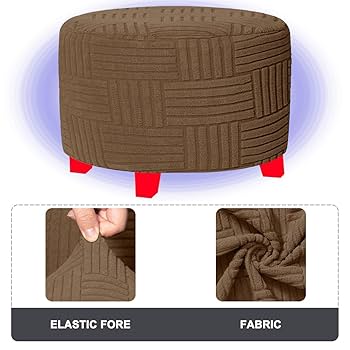
Are you planning to give your 36-inch pouf a fresh, new look? One of the first questions you might have is: how much fabric do you actually need to cover it?
Getting the right amount of fabric is crucial—it saves you money, time, and frustration. In this guide, you’ll discover a simple way to measure and calculate the exact fabric needed to make your pouf look perfect. Keep reading, and you’ll be ready to tackle your project with confidence and ease.
Measuring Your Pouf
Measuring your pouf accurately is the first step toward ensuring you buy the right amount of fabric. Without precise measurements, you risk running short or wasting material. Taking the time to measure carefully will save you frustration and extra expenses down the road.
Check Diameter And Height
Start by measuring the diameter of your pouf. Use a tape measure to get the distance straight across the widest part, from one edge to the other. Write down this number—it’s essential for calculating how much fabric you need for the top and bottom sections.
Next, measure the height of the pouf from its base to the top. This measurement helps determine the fabric needed for the sides. Remember to keep the tape measure snug but not tight, to get the most accurate reading.
Account For Seams And Allowances
Don’t forget to add extra fabric for seams and allowances. Usually, adding about 1 to 2 inches around each side is safe to accommodate sewing and any slight measurement errors. This small addition ensures your cover fits comfortably without being too tight or too loose.
Think about the fabric’s stretch and pattern direction, too. If the fabric has a pattern, you might need extra material to align designs correctly. Adding a little more fabric than you think you need is better than coming up short mid-project.
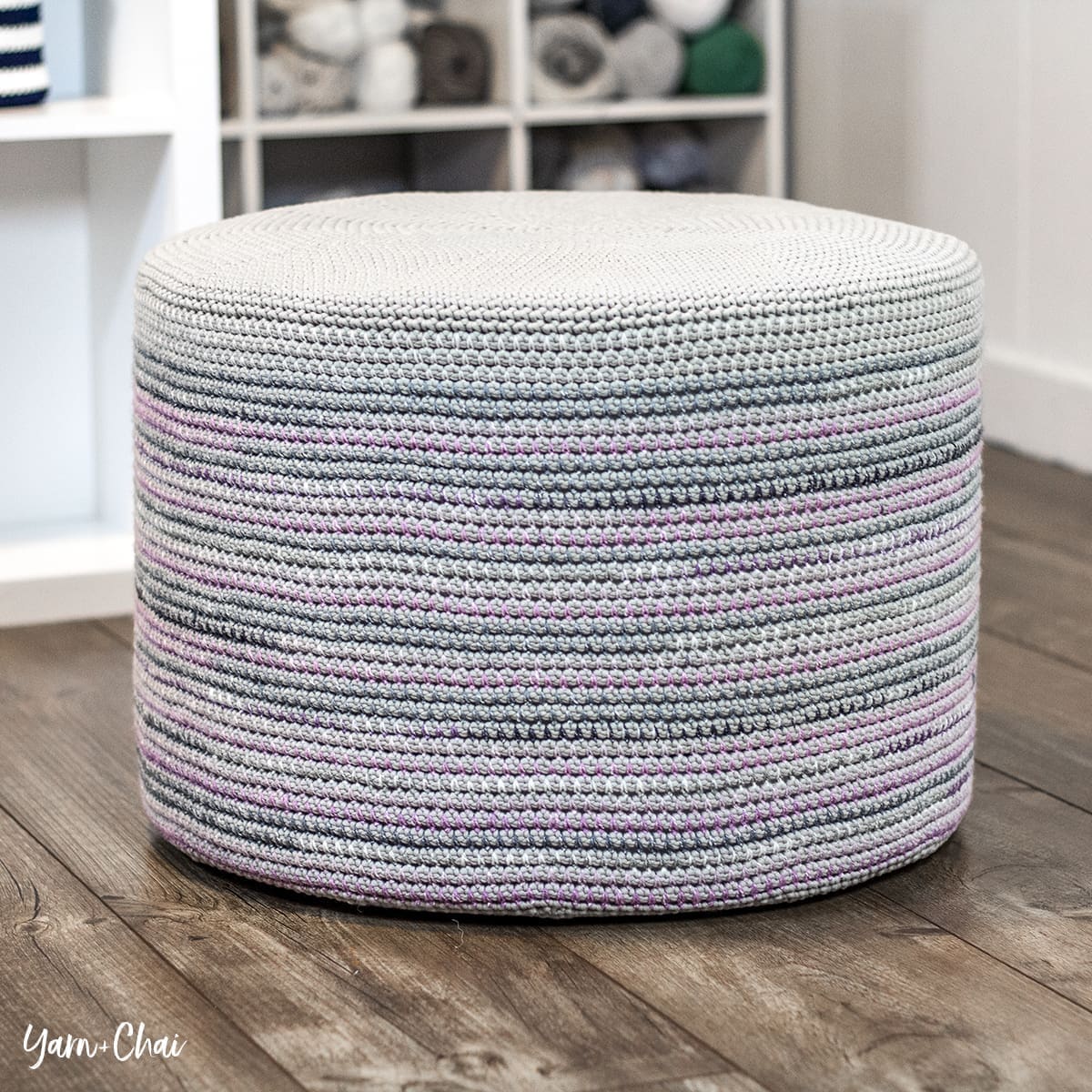
Credit: yarnandchai.com
Calculating Fabric Requirements
Calculating how much fabric you need to cover a 36-inch pouf requires precise measurements and a clear understanding of fabric dimensions. This ensures you buy the right amount without wasting material or running short. Let’s break down the process so you can confidently plan your project.
Determine Fabric Width
Fabric comes in different widths, commonly 44-45 inches or 54-60 inches. Knowing your fabric width helps you figure out how many panels you can cut across the width, which affects how much yardage you’ll need.
If your fabric is 54 inches wide, you can cut a single piece to cover the top of the pouf (which is 36 inches in diameter) plus the sides without seams. Narrower fabric means you might need extra panels sewn together. Ask yourself: is it better for your project to have seams or to buy wider fabric to avoid them?
Estimate Yardage Needed
To estimate yardage, consider the height of your pouf in addition to the 36-inch diameter of the top. Typically, poufs are about 18 inches tall, so you’ll need fabric for the top circle, the side panel, and possibly the bottom.
- Top panel: Cut a 38-inch circle (allowing 1 inch for seam allowance all around).
- Side panel: A strip about 18 inches tall and 120 inches long (the circumference of a 36-inch circle is roughly 113 inches, plus seam allowance).
- Bottom panel: Optional, same size as the top panel.
Adding these together, you’ll want approximately 2 yards of fabric if it is 54 inches wide. Narrower fabric will require more length. Have you measured your pouf’s height accurately? Even small differences can affect your fabric needs significantly.
Choosing The Right Fabric
Choosing a fabric with enough stretch and durability helps cover a 36-inch pouf neatly. Measure carefully to ensure enough material for wrapping and seams. Cotton or linen fabrics work well for a smooth, comfortable finish.
Choosing the right fabric to cover a 36-inch pouf is crucial for both aesthetics and functionality. The fabric you select can drastically alter the look and feel of the room. It’s not just about color or pattern; the type and durability of the fabric play significant roles.Fabric Types Suitable For Poufs
Different types of fabric can offer varied benefits for your pouf. Cotton and linen are popular due to their natural look and breathability. They are perfect for creating a relaxed, casual vibe in your living space. For a more luxurious touch, consider velvet or suede. These fabrics add a rich texture and can make your pouf the centerpiece of the room. However, they may require more maintenance to keep them looking pristine.Consider Durability And Texture
When choosing fabric, don’t overlook durability. If you have kids or pets, opt for a heavy-duty fabric like canvas or denim. These materials can withstand rough use and are easier to clean. Texture is equally important in creating a cozy atmosphere. Imagine sinking into a soft pouf after a long day—sounds inviting, right? A textured fabric can add warmth and depth to your room, making it feel more inviting. Ask yourself: Is the fabric easy to clean? Will it withstand daily use? Your answers can guide you to the perfect choice.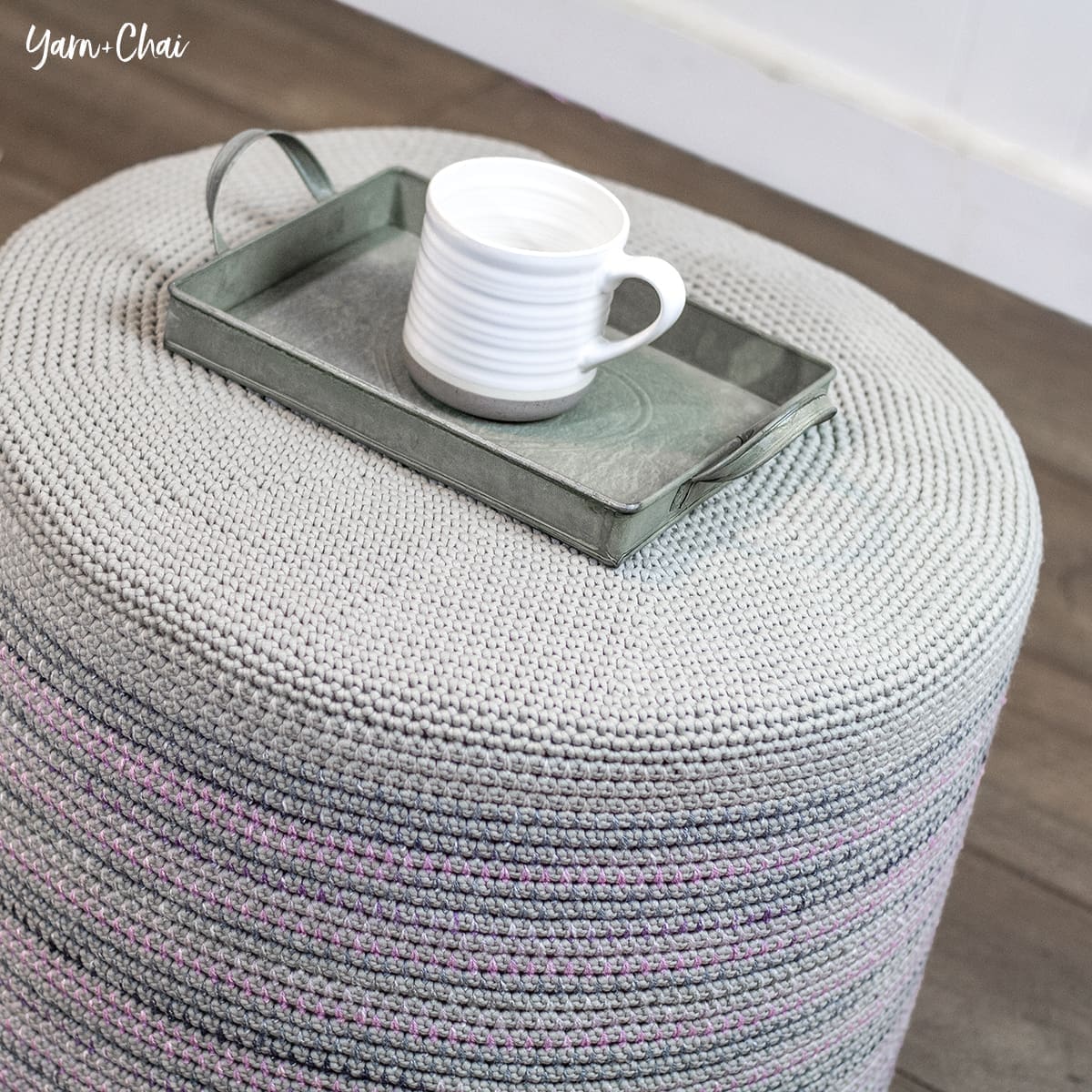
Credit: yarnandchai.com
Cutting And Sewing Tips
Cutting and sewing fabric for a 36-inch pouf needs careful attention. Proper preparation and stitching ensure a neat, durable cover. Follow simple tips to make the process easier and the result better.
Preparing Fabric Pieces
Measure your pouf accurately before cutting fabric pieces. Add an extra 1 to 2 inches for seams and ease. Use sharp fabric scissors to cut clean edges. Mark seam allowances with tailor’s chalk or a fabric pen. Cut panels for the sides, top, and bottom separately. Lay fabric flat and smooth to avoid wrinkles during cutting. Double-check all measurements before making final cuts.
Sewing Seams And Finishing Edges
Use a strong thread that matches your fabric color. Sew seams with a straight stitch for strength and neatness. Press seams open with an iron to reduce bulk. Finish raw edges with a zigzag stitch or use pinking shears to prevent fraying. Sew panels together carefully, aligning edges perfectly. Reinforce stress points like corners with extra stitching. Test the fit by placing sewn pieces on the pouf before final assembly.
Common Mistakes To Avoid
Knowing how much fabric to cover a 36-inch pouf is key to a smooth sewing project. However, many people stumble by making avoidable errors. These mistakes can lead to wasted fabric, extra costs, and frustration. Let’s look at the common pitfalls and how to dodge them.
Underestimating Fabric Amount
One of the biggest mistakes is cutting it too close with fabric. A 36-inch pouf isn’t just a flat circle—you need enough fabric for the sides and some extra for seams.
Think about this: If you only measure the top diameter and ignore the height of the pouf, your fabric will come up short. Always add extra inches to your measurements, not just for seams but for a comfortable fit.
Have you ever started a project only to realize halfway that your fabric isn’t enough? It’s frustrating and costly. Buy a bit more fabric than you think you need to avoid this common trap.
Ignoring Shrinkage And Stretch
Fabric isn’t static; it can shrink or stretch during cutting, sewing, or washing. Ignoring this can ruin your pouf cover’s fit.
Some fabrics shrink after washing, while others stretch out with use. Pre-washing your fabric before cutting helps prevent surprises.
Also, consider the fabric type. Stretchy fabrics like jersey or knits need less allowance than stiff cotton or canvas. Have you checked how your fabric behaves before starting? It could save you from a loose or tight cover later.
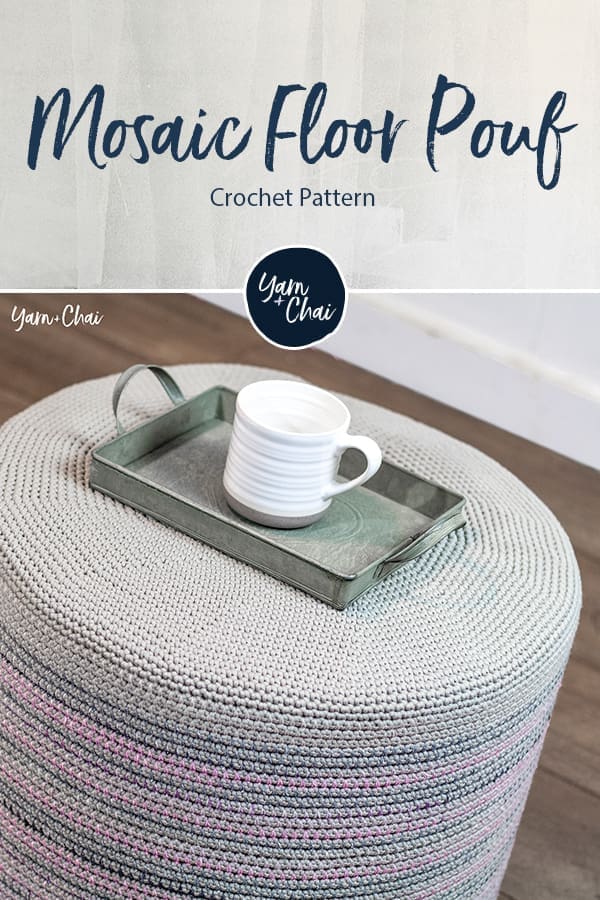
Credit: yarnandchai.com
Extra Tips For Customizing
Customizing your 36-inch pouf cover can turn a simple project into a unique piece that reflects your style. Adding extra touches not only enhances the look but also allows you to play with textures and fabrics. These tips will help you go beyond the basic cover and create something truly special.
Adding Decorative Elements
Think about adding buttons, tassels, or piping to your pouf cover. These small details can give your pouf character and make it stand out in any room. I once added colorful buttons along the seams, and it completely changed the vibe from plain to playful.
Use fabric glue or sew on these elements for durability. If you want a bold look, try attaching patches or fabric paint designs. Are you ready to experiment with textures and colors that reflect your personality?
Using Stretch Fabrics
Stretch fabrics like jersey or spandex can make covering a pouf easier and give it a snug fit. These materials adapt to the shape without wrinkles, saving you from complicated measuring. I found that using stretch fabric reduces the amount of extra fabric needed and cuts down on sewing time.
Keep in mind, stretch fabrics may require a different sewing needle and stitch type to avoid damage. Have you considered how a stretchy cover could make your pouf more comfortable and durable?
Frequently Asked Questions
How Much Fabric Is Needed For A 36-inch Pouf?
You need about 2 to 2. 5 yards of fabric for a 36-inch pouf. This allows enough material for cutting and seams.
What Type Of Fabric Is Best For Covering A Pouf?
Choose durable, thick fabrics like canvas, upholstery, or denim. These materials withstand wear and provide a neat finish.
How To Measure Fabric For A Round Pouf Cover?
Measure the pouf’s diameter and height. Add extra for seams and tucking, usually 6 to 8 inches more.
Can I Use Stretch Fabric To Cover A Pouf?
Stretch fabric can work but may wrinkle or sag over time. Sturdy, non-stretch fabric is preferable for a smooth look.
Conclusion
Covering a 36-inch pouf needs careful measuring and enough fabric. Choose fabric that feels strong and looks good. Remember to add extra material for seams and tucking. This helps the cover fit snugly and last longer. Taking time to measure and cut right saves you stress.
Now, you can create a pouf cover that fits just right and looks nice in your space. Simple steps make a big difference in your sewing project.



