
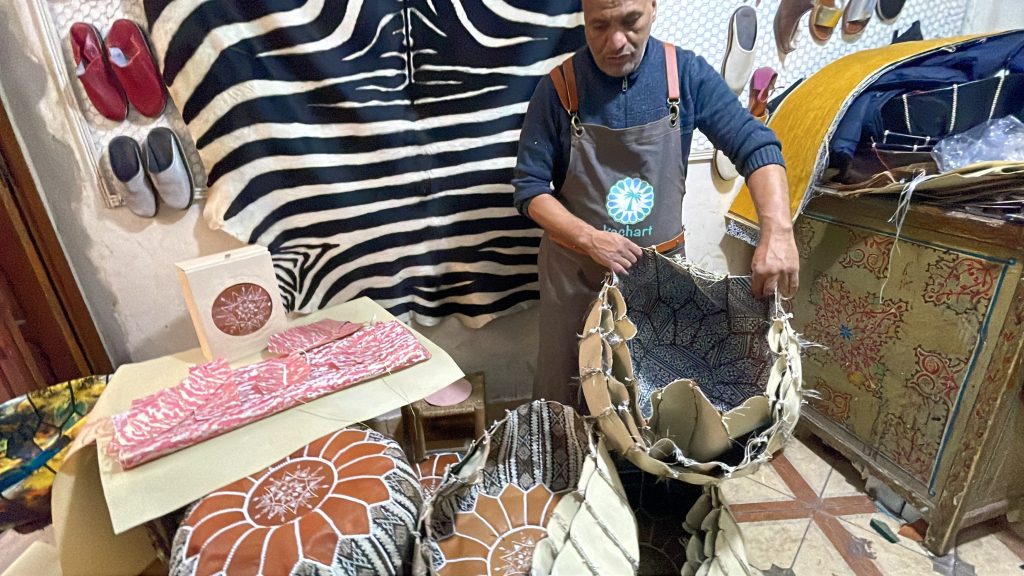
Are you wondering what the best filling for a pouf is? Choosing the right filling can make all the difference in comfort, durability, and style.
Whether you want a pouf for extra seating, a footrest, or a decorative piece, the filling inside matters. You’ll discover the top options that will help you pick the perfect pouf filling for your home. Keep reading to find out which filling suits your needs and why it’s worth investing in the right one.
Your comfort and satisfaction depend on it!
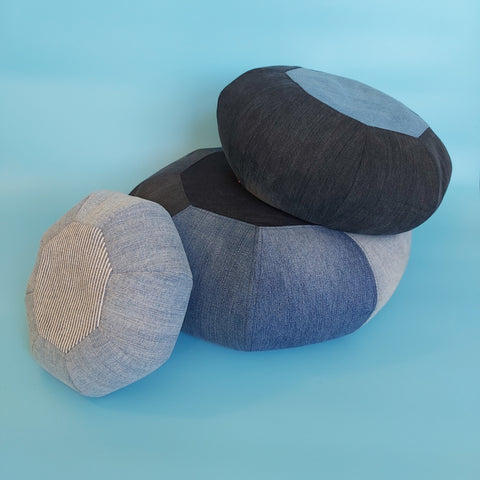
Credit: www.frecklesandco.com
Types Of Pouf Fillings
Poufs come with various filling options that affect comfort and durability. Choosing the right filling depends on how you use the pouf and your personal preference. Some fillings offer softness, while others provide firm support. Understanding the types helps you pick the best fit for your space.
Natural Fillings
Natural fillings use materials from plants or animals. Common options include cotton, wool, and feathers. These fillings feel soft and breathe well. They are eco-friendly and biodegradable. Natural fillings often provide a cozy, warm touch. They may compress over time and need fluffing to keep shape.
Synthetic Fillings
Synthetic fillings are made from man-made fibers like polyester or foam beads. These fillings offer firm support and last longer without losing shape. They resist moisture and pests better than natural fillings. Synthetic options are usually lighter and easier to clean. They can feel less breathable but are often more affordable.
Hybrid Fillings
Hybrid fillings combine natural and synthetic materials for balanced comfort and durability. For example, a mix of foam beads and cotton creates softness with good support. Hybrid poufs maintain shape longer than natural fillings alone. They offer a practical choice for daily use. This blend appeals to those wanting comfort and easy care.

Credit: www.temper-reisen.at
Benefits Of Each Filling Type
Choosing the right filling for a pouf affects its use and comfort. Each filling type offers unique benefits. Understanding these helps pick the best option for your needs. Below, explore the benefits related to comfort, durability, and maintenance.
Comfort Level
Foam fillings provide firm support and keep shape well. They are great for sitting long hours. Beads or pellets offer a softer feel and adjust easily to body shape. They give a relaxed, cozy experience. Natural fillings like cotton or wool add softness and breathability. They feel warm and inviting but may compress over time.
Durability
High-density foam lasts long and resists flattening. Beads can break down faster, needing refilling more often. Natural fillings wear out quicker and may clump, reducing lifespan. Synthetic beads resist moisture and pests better. Foam and synthetic options suit heavy use and lasting shape retention.
Maintenance
Foam fillings need less frequent care but can be hard to clean. Bead-filled poufs often allow easy refilling and spot cleaning. Natural fillings may need airing out to avoid damp smells. Synthetic beads dry quickly and resist stains. Consider ease of cleaning for your lifestyle and environment.
Choosing Fillings For Different Uses
Choosing the right filling for your pouf depends on its main use. Different fillings offer various levels of comfort, support, and durability. Picking the best filling helps your pouf serve its purpose well. It also keeps your pouf looking good and feeling cozy.
Poufs For Seating
Seating poufs need firm and supportive fillings. Dense foam or memory foam works well here. These materials keep their shape under weight. They provide comfort for sitting without sinking too much. Some people prefer a mix of foam and polyester fiber. This blend adds softness while staying sturdy. Avoid loose fillings like beans or cotton for seating poufs. They may collapse or shift, causing discomfort.
Poufs For Footrests
Footrest poufs require softer fillings for a relaxed feel. Polyester fiberfill or shredded foam fits this need. These fillings cushion your feet gently. They adjust to your foot’s shape easily. A bit of firmness is still important for support. Bean bag beads also work well for footrests. They mold to your feet but offer less support. Choose fillings based on how often you use the footrest.
Decorative Poufs
Decorative poufs focus on appearance more than comfort. Lightweight fillings keep the pouf easy to move. Polyester fiber or cotton batting suits decorative uses. These materials create a plush look without much weight. Decorative poufs may use beans or foam for a bit of structure. The filling should match the pouf’s size and cover fabric. This balance helps maintain the pouf’s shape and style.
Allergy And Safety Considerations
Choosing the right filling for a pouf involves more than comfort and style. Allergy and safety considerations play a vital role. Many common fillings can trigger allergies or contain harmful chemicals. Selecting safe and hypoallergenic materials helps create a healthier living space. It also ensures peace of mind, especially for children and sensitive individuals.
Hypoallergenic Options
Hypoallergenic pouf fillings reduce the risk of allergic reactions. Materials like natural latex and buckwheat hulls resist dust mites and mold. Synthetic polyester fibers with anti-allergy treatment also work well. These options limit exposure to common allergens. They help keep indoor air clean and safe. Ideal for homes with allergy sufferers or asthma patients.
Non-toxic Materials
Non-toxic pouf fillings avoid harmful chemicals and fumes. Organic cotton, natural wool, and untreated foam are safe choices. They do not emit volatile organic compounds (VOCs). Many synthetic foams contain flame retardants or toxic additives. These can cause skin irritation or respiratory problems. Always check for certifications like OEKO-TEX or GOTS. These labels confirm the material meets strict safety standards.
Cost Comparison Of Fillings
Choosing the right filling for a pouf affects its comfort and price. Different fillings vary in cost, durability, and feel. Understanding the cost helps pick the best option for your budget and needs.
Foam Filling Costs
Foam is a common pouf filling. It costs moderately and offers good support. High-density foam is pricier but lasts longer. Foam is lightweight and easy to shape.
Bean Bag Filling Costs
Bean bag fillings use small beads or pellets. These are usually affordable and flexible. The cost depends on the bead size and material. Beads may compress over time, needing refill.
Polyester Fiber Filling Costs
Polyester fiber is soft and fluffy. It is cheaper than foam and bean bag beads. This filling feels cozy but may flatten faster. It is easy to find and replace.
Natural Filling Costs
Natural fillings include cotton, wool, or buckwheat hulls. They are eco-friendly but more expensive. Natural materials breathe well and provide firm support. They require more care to maintain.
Cost Comparison Table
| Filling Type | Average Cost | Durability | Comfort Level |
|---|---|---|---|
| Foam | $$ | High | Firm |
| Bean Bag Beads | $ | Medium | Flexible |
| Polyester Fiber | $ | Low | Soft |
| Natural Materials | $$$ | High | Firm to Soft |
Tips For Maintaining Pouf Fillings
Choosing the best filling for a pouf affects its comfort and shape. Regularly fluff and air out the filling to keep it soft and full. Replace or add filling when it starts to lose support or looks flat.
Maintaining pouf fillings ensures your pouf remains comfortable and supportive. Proper care extends its lifespan and keeps it looking fresh. Whether it’s cleaning, refilling, or replacing, follow these tips for maintaining your pouf fillings.Cleaning Techniques
Regular cleaning keeps your pouf hygienic and fresh. Start by vacuuming the pouf’s surface to remove dust and debris. Spot clean stains using a damp cloth and mild soap. Avoid soaking the material to prevent damage. Let it dry completely before use. For deep cleaning, consider professional services.Refilling And Replacement
Over time, pouf fillings can compress and lose shape. Refilling restores its comfort and support. Choose a filling that matches the original material for consistency. Use a funnel to add the filling evenly. Regularly check the pouf’s firmness to know when refilling is needed. If the filling is beyond repair, consider replacing it entirely. Choose eco-friendly materials for a sustainable option.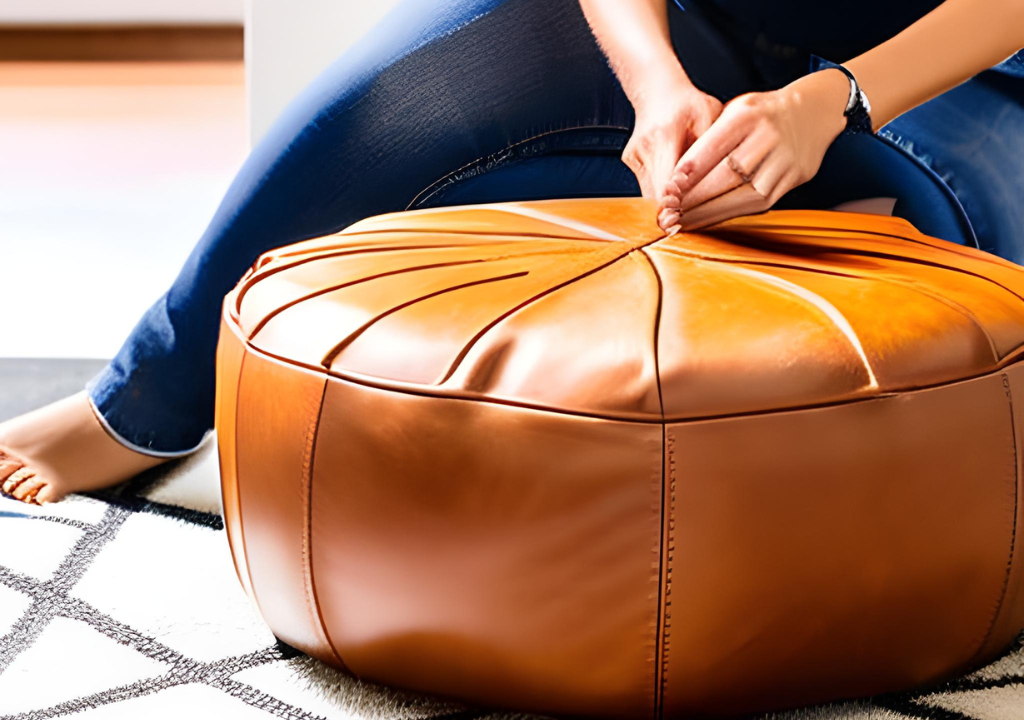
Credit: medium.com
Frequently Asked Questions
What Are Common Fillings Used In Poufs?
Common pouf fillings include polystyrene beads, foam, cotton, and recycled materials. Each offers different comfort and support levels, catering to various preferences and uses.
Which Pouf Filling Is Most Comfortable?
Memory foam provides excellent comfort by contouring to your body. It offers firm support and durability, making it a popular choice for many users.
Are Pouf Fillings Hypoallergenic?
Some pouf fillings, like synthetic foam and polyester fibers, are hypoallergenic. Natural fillings may cause allergies, so check the material if you have sensitivities.
How Does Filling Affect Pouf Durability?
High-density foam and beads tend to hold shape longer. Low-quality fillings compress quickly, reducing the pouf’s lifespan and comfort over time.
Conclusion
Choosing the right filling makes your pouf comfortable and durable. Foam offers firm support and keeps shape well. Beans or beads give a soft, flexible feel. Natural fillings like cotton are eco-friendly and cozy. Think about how you will use the pouf daily.
Pick a filling that fits your comfort and style needs. This way, your pouf will be both useful and inviting. Enjoy your perfect pouf every day!



