
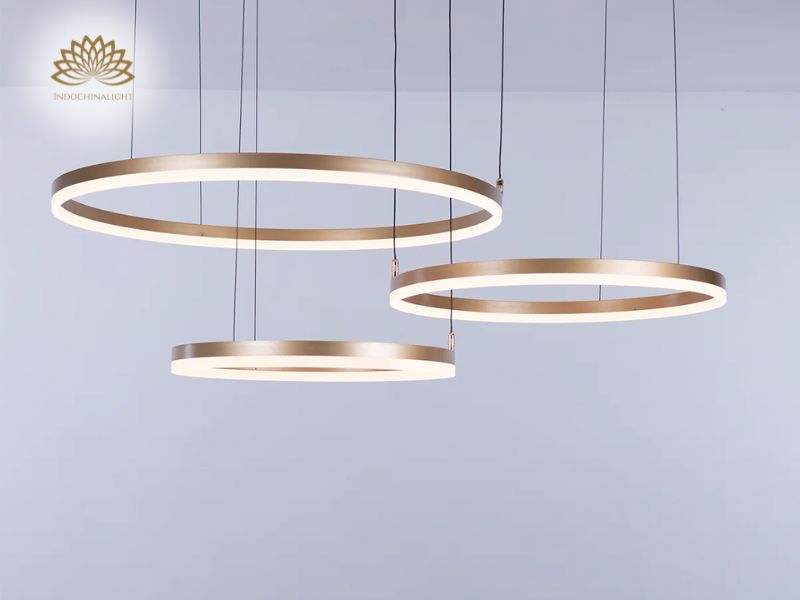
Looking to add a personal touch to your home lighting? Making your own pendant light is easier than you think—and it gives your space a unique charm that store-bought lights can’t match.
Imagine creating a beautiful fixture that fits perfectly with your style and brightens up your room just the way you want. In this guide, you’ll discover simple steps to craft a stunning pendant light from scratch. By the end, you’ll have the skills to make a light that not only looks amazing but also feels truly yours.
Ready to transform your space and impress your friends? Let’s get started!

Credit: indochinalight.com
Choosing Materials
Choosing the right materials sets the foundation for a beautiful pendant light. Each component affects the style, function, and safety of your light fixture. Thoughtful selection ensures your pendant light looks great and lasts long.
Selecting The Right Bulb
Pick a bulb that fits your fixture and provides enough light. LED bulbs save energy and last longer. Choose the right wattage to avoid overheating or dim lighting. Check if the bulb base matches your socket type for easy installation.
Picking The Perfect Shade
Choose a shade that complements your room’s style. Materials like glass, metal, or fabric offer different light effects. Clear shades brighten the space, while opaque shades create soft, warm light. Size matters—make sure the shade fits your bulb and space.
Gathering Tools And Supplies
Collect all tools before starting to avoid delays. Common tools include wire cutters, screwdrivers, pliers, and a voltage tester. Also, gather electrical wire, connectors, and mounting hardware. Safety gear like gloves and goggles protect you during installation.
Design Planning
Design planning is a crucial step in creating a pendant light that not only fits your space perfectly but also reflects your personal taste. Taking time to plan carefully helps avoid costly mistakes and ensures your final piece shines in both form and function. Let’s look closely at how you can prepare before you start building.
Measuring Your Space
Start by measuring the area where you want to hang your pendant light. Note the ceiling height and the distance from any furniture or fixtures nearby. You want to make sure the light won’t hang too low or feel out of place.
Consider the room’s purpose too. Is it a dining area where the light should hover just above the table, or a hallway that needs broader illumination? Taking these details into account helps you choose the right size and drop length.
Sketching Your Pendant Light
Sketching your design brings your idea into a visual form. You don’t need to be an artist—simple shapes and notes can guide your build. Draw multiple views: front, side, and a rough top-down look.
Include dimensions and materials in your sketch. This helps you stay organized and makes it easier to explain your vision if you need advice or help. I found that sketching helped me spot awkward angles before cutting any materials.
Deciding On Style And Color
Your pendant light should match the room’s overall style and color scheme. Are you aiming for a modern, industrial, or rustic look? Choosing the style early influences your material and finish choices.
Think about color too. Bold colors can make your pendant a focal point, while neutral tones blend in more subtly. What mood do you want your light to create in the room? This question will guide your color selection and final design touches.
Assembly Steps
Assembling your pendant light is where your creativity meets functionality. This stage transforms separate parts into a beautiful, working fixture that brightens your space. Each step requires attention to detail and a bit of patience, but the result is always worth it.
Preparing The Shade
Start by inspecting the lampshade for any defects or dirt. Clean it gently with a soft cloth to avoid scratches, especially if it’s made of glass or metal. If your shade includes decorative elements, make sure they are securely attached before moving on.
Think about how the shade will hang and whether it needs any support adjustments. You might want to add padding or felt pads inside the rim to protect the bulb or prevent rattling. Have you checked if the shade’s size fits your chosen bulb and socket perfectly?
Wiring The Light Fixture
Safety is key when handling electrical parts. Begin by stripping the ends of your wires carefully, exposing just enough copper to connect. Twist the wires tightly to ensure a solid connection without fraying.
Match the wire colors correctly—usually black or red for live, white for neutral, and green or bare for ground. Use wire nuts or connectors to secure the wires and wrap them with electrical tape for extra safety. It’s a good idea to test your wiring with a voltage tester before proceeding.
Securing The Components
Once wiring is complete, attach the socket to the shade or mounting bracket firmly. Use screws, clips, or the hardware provided to make sure everything is stable and aligned. Loose fittings can cause the light to wobble or even fall, so double-check tightness.
Next, connect the assembled pendant to the ceiling mount or canopy. Adjust the hanging length by sliding the cord through the canopy until it sits at your desired height. Have you ensured that all components feel secure and ready to handle daily use?
Safety Tips
Creating a pendant light can add a personal touch to your home, but ensuring safety is crucial. Knowing how to handle electrical components and tools correctly can prevent accidents. Let’s explore some essential safety tips to keep in mind as you embark on this DIY project.
Handling Electrical Parts
When dealing with electrical components, always make sure the power is off. Double-check by flipping the light switch and using a voltage tester to confirm there’s no current. Wearing rubber-soled shoes can also provide an extra layer of protection against potential shocks.
When I made my first pendant light, I underestimated the importance of using a voltage tester and got a small shock. It’s a mistake you definitely want to avoid. Always respect electricity; it’s not forgiving!
Using Proper Tools
Having the right tools makes the job easier and safer. Use insulated screwdrivers and wire strippers to prevent accidental electrical contact. If you’re unsure about any tool, consult with a hardware store expert.
Does the thought of using a power drill make you uneasy? Practicing on a scrap piece of wood can boost your confidence and improve your skills. It’s better to make mistakes on scrap than on your precious pendant light.
Testing The Light
Before you install your pendant light, test it to ensure everything is working correctly. Connect it to a temporary fixture and switch it on to see if it lights up. This step can prevent unnecessary frustration later.
Imagine the disappointment of installing your light only to find it doesn’t work. Testing beforehand saves you time and effort. Plus, it gives you peace of mind knowing everything is functional before the final installation.
Installation Guide
Installing a pendant light is a rewarding task that brightens any space beautifully. This guide covers essential steps to mount your new fixture safely and correctly. Follow each part carefully to ensure a perfect setup.
Mounting The Pendant Light
Start by turning off the power at the circuit breaker. Remove the old fixture if necessary. Attach the mounting bracket to the ceiling box using screws. Connect the wires from the pendant light to the house wires. Match black to black, white to white, and green or copper to ground. Secure all wire connections with wire nuts. Tuck wires neatly into the ceiling box. Finally, attach the pendant canopy to the mounting bracket.
Adjusting Height And Position
Decide on the ideal hanging height for your pendant light. Most pendant lights look best 28 to 34 inches above a table. Adjust the cord or chain length before securing it. Ensure the pendant hangs straight and does not sway. Use pliers or a chain tool to shorten links if needed. Double-check the fixture’s position and balance before final tightening.
Final Touches
Install the light bulb recommended for your pendant light. Clean the fixture and glass shade gently to remove dust or fingerprints. Turn the power back on at the circuit breaker. Test the light by switching it on. Make sure the pendant light works correctly and shines evenly. Enjoy the warm and stylish glow of your new lighting fixture.

Credit: www.insidethefoxden.com
Creative Variations
Creative variations make your pendant light unique and personal. They allow you to customize style and function. Small changes can give your light a fresh look. Explore new ideas to match your room’s theme or your taste.
Using Recycled Materials
Recycled items add charm and reduce waste. Use glass jars, old bottles, or metal scraps. These materials create a rustic or industrial feel. Paint or decorate them to fit your style. It’s a budget-friendly way to make a special light.
Adding Decorative Elements
Decorative touches give your pendant light personality. Attach beads, fabric strips, or ribbons around the frame. Use colorful cords or painted bulbs for extra flair. These small details brighten the design and catch the eye.
Experimenting With Shapes
Shape changes transform the light’s impact. Try round, square, or geometric forms. Mix soft curves with sharp angles for contrast. Combine different shapes to create a modern look. Shape variation lets you express creativity easily.

Credit: www.addicted2decorating.com
Frequently Asked Questions
What Materials Are Needed To Make A Pendant Light?
To make a pendant light, you need a light bulb, socket, cord, ceiling canopy, and mounting hardware. Additional materials include wire connectors, a lampshade, and electrical tape for safety and aesthetics.
How Do You Safely Wire A Pendant Light?
Turn off power before wiring. Connect wires: black to black, white to white, and ground to ground. Use wire connectors and electrical tape. Follow local electrical codes and consult a professional if unsure.
Can I Customize The Design Of My Pendant Light?
Yes, you can customize your pendant light by choosing different shades, colors, and cord styles. Personalize it with unique materials like wood, metal, or glass to match your décor and style.
How Long Does It Take To Make A Pendant Light?
Making a pendant light typically takes 1 to 2 hours. This includes assembling parts, wiring, and installing the fixture. Time varies based on design complexity and your experience level.
Conclusion
Making a pendant light is a fun and simple project. You only need a few tools and some basic materials. Follow the steps carefully, and take your time. Personalizing your light adds a unique touch to any room. Enjoy the warm glow your new pendant light brings.
Try different designs and colors for variety. This DIY task boosts creativity and saves money. Ready to brighten your space with your own pendant light?



