
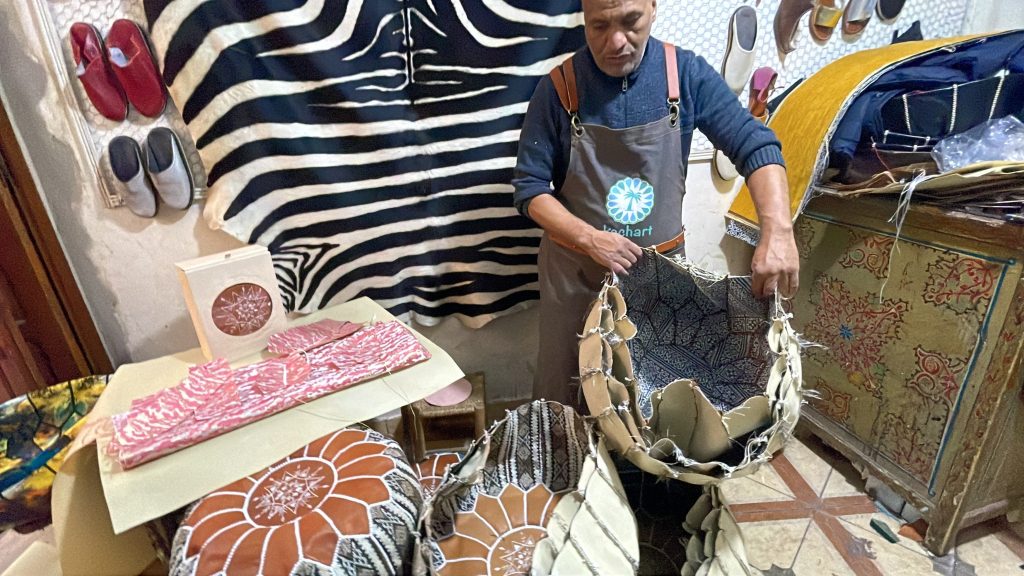
Are you wondering how much filling to stuff your pouf just right? Getting it wrong can leave your pouf either too flat or too firm, making it uncomfortable or even ruining its look.
But don’t worry—finding the perfect amount of filling is easier than you think. You’ll discover simple tips to help you stuff your pouf so it feels just right every time. Keep reading, and you’ll learn how to turn your pouf into the cozy, stylish piece you’ve been dreaming of.
Choosing The Right Pouf Size
Choosing the right pouf size is essential for both comfort and style. The amount of filling you add depends heavily on the pouf’s dimensions. Picking the perfect size helps you balance firmness and coziness, making your space inviting and functional.
Small Poufs
Small poufs are perfect for tight spaces or as footrests. They usually measure around 14 to 18 inches in diameter. Because of their size, you’ll want to fill them lightly to keep them soft and easy to move.
Adding too much filling can make a small pouf hard and bulky, defeating its purpose. Aim for a filling level that allows the pouf to compress easily under your weight but still bounce back. This way, it stays comfortable without losing shape.
Medium Poufs
Medium poufs, typically 18 to 24 inches wide, offer more seating space and support. They need a balanced filling that is firmer than small poufs but still plush enough for lounging.
Try filling your medium pouf about 75% full to maintain its structure while providing comfort. This amount gives enough resistance for sitting without feeling like you’re sinking too deep.
Large Poufs
Large poufs, over 24 inches, can double as extra seating or even a low table. They require a firm fill to hold their shape under heavier use. Overfilling is key here; otherwise, the pouf may collapse and look sloppy.
Fill your large pouf close to full capacity, ensuring it feels sturdy and supportive. If you want a softer feel, consider using a mix of filling materials to add some give without losing firmness.

Credit: www.amazon.ca
Types Of Filling Materials
Choosing the right filling for your pouf affects its comfort and shape. Different materials offer unique benefits. Some fillings make the pouf soft and squishy. Others provide firm support. Understanding the types helps in picking the best option for your needs.
Foam Beads
Foam beads are small, lightweight balls. They give poufs a soft, moldable feel. The beads shift easily inside the cover. This allows the pouf to conform to your body shape. Foam beads also keep the pouf light and easy to move.
Polyester Fiberfill
Polyester fiberfill is fluffy and soft. It creates a plush, cushioned pouf. This filling traps air, which adds volume. It is affordable and easy to find. The fiberfill keeps the pouf looking full and rounded.
Memory Foam
Memory foam molds to your body closely. It offers excellent support and comfort. This material returns to shape slowly after use. Memory foam poufs feel dense but soft. They are ideal for people who want firm seating.
Natural Fillings
Natural fillings include materials like cotton, wool, or buckwheat hulls. These are eco-friendly and biodegradable. Natural fillings provide firm and breathable support. They may need more frequent fluffing to maintain shape. Many prefer natural options for their sustainability.
Determining The Ideal Filling Amount
Determining the ideal filling amount for your pouf is a crucial step that affects both comfort and durability. Filling too little can make your pouf saggy and uninviting, while overstuffing might make it too hard or cause the seams to burst. Finding the right balance means understanding a few key factors that influence how much stuffing your pouf truly needs.
Weight And Density Factors
The type of filling you choose greatly impacts how much you need to add. Lightweight materials like polyester fiberfill require more volume to achieve the same firmness as denser options like foam beads or shredded memory foam.
Think about the weight your pouf needs to support. If it’s for occasional use or light sitting, a lighter fill might be enough. But for regular use, denser stuffing will hold its shape better and provide more support.
Desired Firmness Levels
How firm do you want your pouf to feel? Some prefer a soft, cushy pouf that molds to their body, while others want a firmer surface for better posture and support.
Start with a moderate amount of filling and test it by sitting or leaning on the pouf. Add or remove stuffing in small batches until you hit the right comfort zone. Remember, it’s easier to add more filling than to take it out once overstuffed.
Adjusting For Usage
Consider how often and in what way you’ll use your pouf. A frequently used pouf needs more filling to maintain shape over time. If it’s mostly decorative or for occasional seating, less filling might suffice.
Also, think about who will use it. Kids might prefer a softer pouf, while adults might want firmer support. Adjust the filling accordingly to match the expected wear and comfort needs.
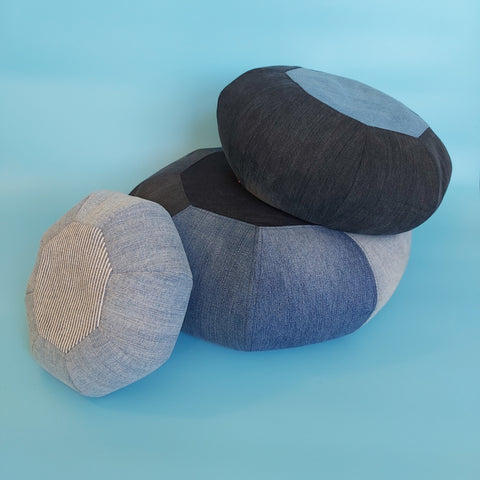
Credit: www.frecklesandco.com
Step-by-step Filling Process
Filling a pouf correctly can make all the difference in comfort and durability. The process involves careful preparation, precise measuring, and smart filling techniques to ensure your pouf feels just right. Let’s break down the filling process into simple steps that you can easily follow.
Preparing The Pouf Cover
Before adding any filling, check the pouf cover for any tears or weak seams. It’s easier to fix these now than after filling. Make sure the cover is clean and dry to avoid trapping moisture inside.
Lay the cover flat on a clean surface. This helps you see the shape and volume you’ll be working with. Also, open the zipper or closure fully to give yourself enough room to add the filling comfortably.
Measuring The Filling
How much filling should you use? It depends on the size of your pouf and how firm you want it to feel. A good rule is to fill it about 80-90% full.
Use a container or scale to measure your filling material, whether it’s foam beads, shredded foam, or polyester fiberfill. This gives you better control and prevents overstuffing, which can stretch the cover or make the pouf too stiff.
Filling Techniques
Start by adding filling in small handfuls to avoid clumps. Distribute the material evenly by shaking and pressing the pouf as you go.
Try sitting or pressing on the pouf periodically to test its firmness. If it feels too soft, add more filling; if too firm, remove some or adjust by redistributing. You might be surprised how small changes affect comfort.
Sealing The Pouf
Once you’re happy with the firmness, zip or close the pouf cover securely. Double-check the seams to ensure no filling can escape.
If your cover has a removable inner liner, seal that first before closing the outer cover. This adds an extra layer of protection and keeps the filling in place longer.
Have you ever noticed a pouf losing shape quickly? Proper sealing prevents this and keeps your pouf looking good and feeling comfy for a long time.
Tips For Maintaining Pouf Comfort
Finding the right amount of filling keeps a pouf soft yet supportive. Overstuffing makes it hard, while too little causes sagging. Aim for a balance to enjoy lasting comfort.
Maintaining the comfort of your pouf is crucial for ensuring it remains a cozy and inviting addition to your home. Over time, the filling in a pouf can compress and lose its original plushness, affecting both appearance and comfort. By paying attention to a few key maintenance tips, you can keep your pouf in top condition for years to come. Whether it’s fluffing, cleaning, or refilling, each step plays a vital role in preserving that soft, inviting feel you love.Fluffing And Refilling
Regular fluffing is essential to keep your pouf looking and feeling its best. Simply give it a good shake or knead it gently to redistribute the filling. This prevents it from becoming lumpy or uneven. Every few months, consider adding more filling if it feels less supportive. You can use materials like polyester fiberfill, bean bag pellets, or even repurposed fabric scraps. Choose a filling that suits your comfort preference and ensure it’s evenly distributed.Cleaning And Care
Keeping your pouf clean enhances its comfort and longevity. Spot clean any spills immediately with a damp cloth to prevent stains from setting in. For deeper cleaning, check if the cover is removable and machine washable. If the cover isn’t removable, a gentle vacuum with a brush attachment can help remove dust and debris. Regular cleaning not only maintains hygiene but also ensures your pouf remains a delightful seat or footrest.Replacing Filling Over Time
Over time, the filling in your pouf may lose its resilience. If you notice it’s not as comfortable as before, it might be time to replace the filling entirely. Consider using a mix of materials for a balance of softness and support. When replacing the filling, remove the old material and fill it anew. This refreshes both the look and feel, making your pouf almost as good as new. Don’t be afraid to experiment with different fillings to find what suits you best.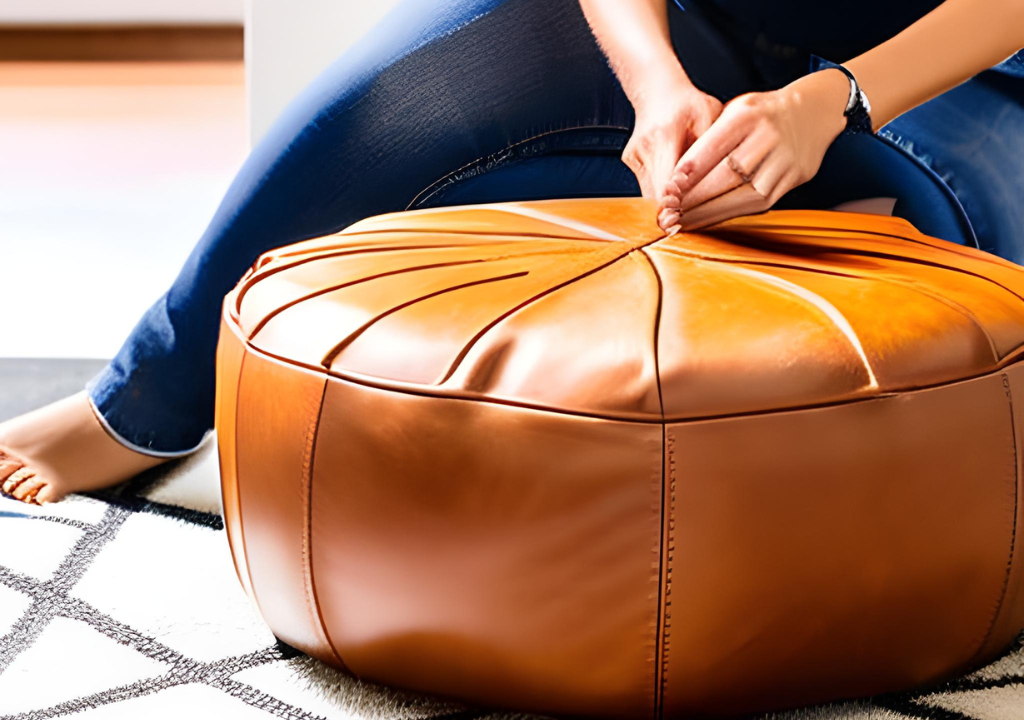
Credit: medium.com
Common Mistakes To Avoid
Stuffing your pouf might seem straightforward, but there are common mistakes that can ruin both its look and comfort. Avoiding these pitfalls will save you time and frustration. Let’s explore what you should watch out for to get the perfect balance.
Overstuffing Issues
It’s tempting to add as much filling as possible to make your pouf firm, but overstuffing causes problems. A pouf packed too tightly loses its softness and can become uncomfortable to sit on.
Also, overstuffed poufs might stretch the fabric, causing seams to split or the shape to become awkward. Ask yourself: does your pouf still have a natural, relaxed look or does it appear rigid and strained?
Underfilling Problems
On the flip side, using too little filling leaves your pouf flat and unsupportive. It won’t hold its shape and can feel flimsy under your weight.
Underfilled poufs tend to sag quickly and require constant readjustment. Think about whether your pouf bounces back after you sit or if it stays squished down.
Using Wrong Fill Materials
Not all filling materials are equal. Choosing the wrong type can affect durability, comfort, and maintenance.
- Cheap foam:May break down fast and lose shape.
- Polyester stuffing:Easy to use but can flatten over time.
- Beads or pellets:Provide good support but may shift inside, creating lumps.
Think about your pouf’s purpose. Do you want it soft for lounging or firm for seating? Pick a filling that matches your needs to avoid disappointment.
Frequently Asked Questions
How Much Filling Is Ideal For A Pouf?
The ideal filling amount depends on the pouf size. Fill it to about 80-90% capacity for comfort and shape retention. Overfilling can make it too firm, while underfilling reduces support and durability.
What Type Of Filling Works Best For Poufs?
Polystyrene beads are the most popular filling. They provide lightweight support and mold easily. Foam pieces or shredded memory foam are also good for a firmer feel and longer-lasting comfort.
Can I Add More Filling To A Pouf Later?
Yes, you can add more filling anytime. Most poufs have a zipper or opening for easy refilling. Adding filling helps maintain shape and comfort as the pouf compresses over time.
How Do I Prevent Pouf Filling From Clumping?
Shake and fluff your pouf regularly to keep filling evenly distributed. Using high-quality filling materials also reduces clumping. If needed, replace old filling to restore comfort and appearance.
Conclusion
Choosing the right amount of filling makes your pouf comfy and long-lasting. Avoid overstuffing, which can make it too hard or misshapen. Too little filling can cause it to lose shape quickly. Aim for a balance that feels soft but supportive.
Check the pouf often and add filling if needed. This way, your pouf stays cozy and looks great for years. Easy care and the right stuffing keep your space inviting and comfortable. Simple steps lead to the best sitting experience every time.



