
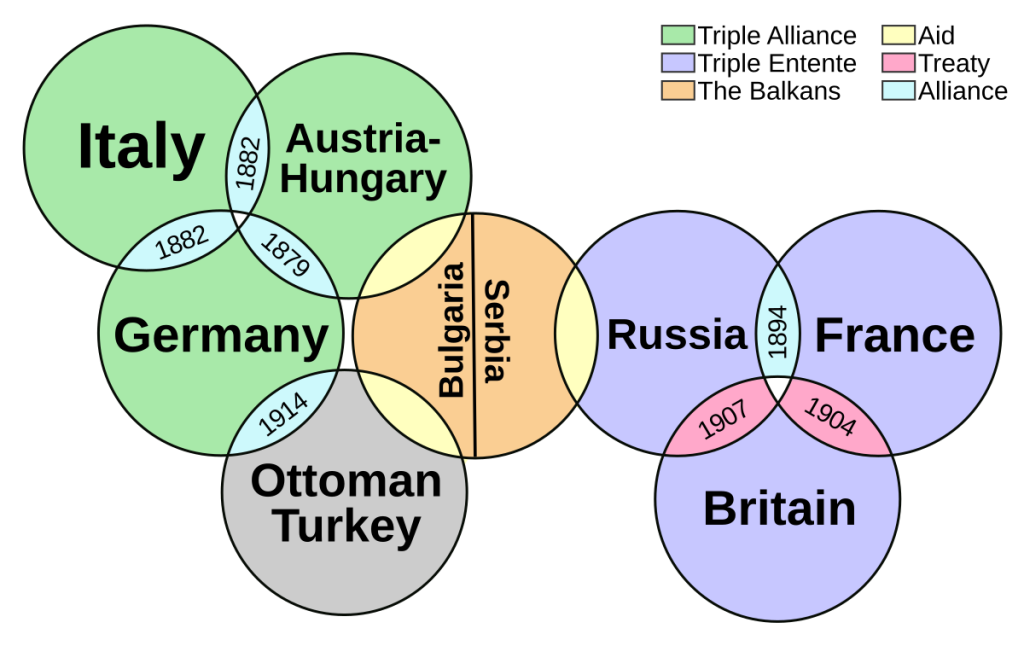
Have you ever wondered exactly when the Ottomans stepped into the chaos of World War 1? Understanding the moment they joined the war can change how you see the entire conflict.
This isn’t just history; it’s the key to unlocking the hidden strategies and surprising twists that shaped the modern world. Keep reading, and you’ll discover the precise timing and reasons behind the Ottoman Empire’s entry into WW1—details that will make the story come alive for you.
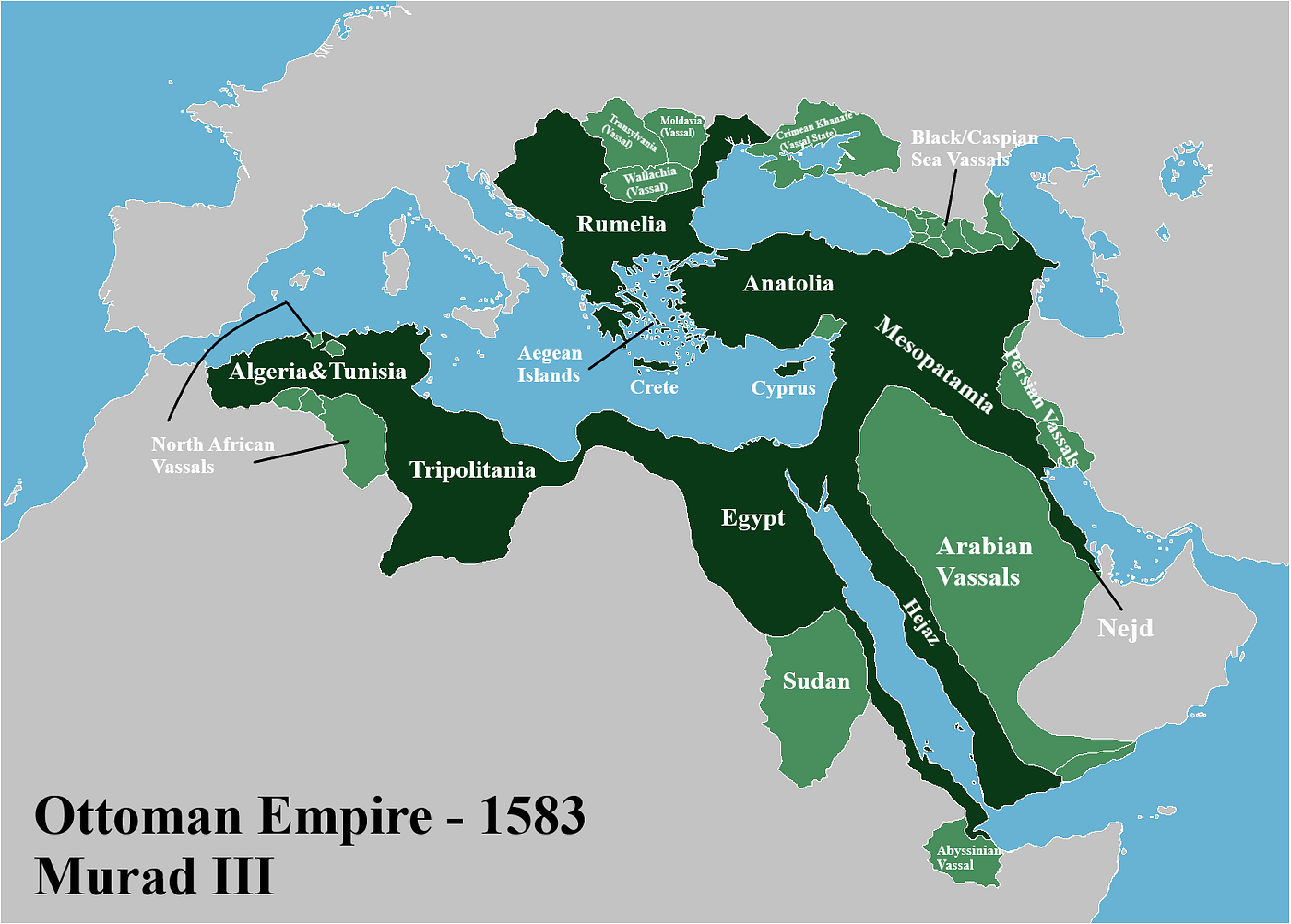
Credit: medium.com
Ottoman Empire Before Ww1
The Ottoman Empire before World War I was a complex and shifting landscape. Once a vast and powerful realm, it faced mounting challenges that shaped its decisions on the global stage. Understanding this background helps explain why the Ottomans eventually chose to join the conflict.
Political Situation
By the early 1900s, the Ottoman Empire was struggling with internal unrest and political instability. The ruling Young Turks had taken control in 1908, aiming to modernize the empire but facing resistance from various ethnic groups.
Central authority was weak in many provinces, and nationalist movements were gaining momentum. This unrest made it difficult for the empire to present a united front or to maintain control over its diverse population.
Military Strength
The Ottoman military was in a state of transition before WW1. While efforts were made to modernize the army, it still lagged behind European powers in terms of equipment and training.
Many soldiers lacked proper resources, and the navy was relatively outdated. Despite this, the empire retained a large pool of manpower, which was a critical factor in its strategic calculations.
International Relations
Diplomatically, the Ottoman Empire was in a precarious position. It had lost much territory over the 19th century and sought new alliances to protect what remained.
The empire was courted by both the Central Powers and the Allies, but distrust toward European intentions ran deep. This suspicion influenced its decision to side with Germany and Austria-Hungary when war broke out.
Events Leading To Entry
The Ottoman Empire’s entry into World War I was not sudden; it was shaped by a series of calculated moves and critical moments. Understanding the events leading to their involvement helps you see why the empire chose to side with the Central Powers. These events reveal both strategic planning and reactive decisions made under pressure.
Alliance With Germany
The Ottomans saw Germany as a powerful ally that could help protect their declining empire. They signed a secret military alliance in August 1914, just after the war began. This pact promised mutual support, which gave the Ottomans a sense of security against their traditional enemies.
You might wonder why they didn’t choose to stay neutral. The empire was weakened and surrounded by hostile powers, so aligning with Germany seemed like a practical move to safeguard their interests.
Strategic Decisions
Ottoman leaders made several strategic choices to strengthen their position before officially entering the war. They modernized their military with German help and allowed German officers to train their troops. These steps were more than preparation; they signaled a commitment to join the conflict.
What’s interesting is how the empire balanced its internal challenges while planning these moves. They had to consider ethnic tensions and economic struggles, yet still pushed forward with military reforms.
Triggering Incidents
Certain incidents accelerated the Ottoman Empire’s entry into the war. The most notable was the decision to send two German warships through the Dardanelles to Ottoman control. This act angered the Allies and made conflict almost inevitable.
Another key moment was the Ottoman navy’s surprise attack on Russian ports in the Black Sea. This aggressive move forced the empire into open conflict. Have you ever thought about how a single incident can change the course of history so quickly?
Key Dates Of Ottoman Entry
The Ottoman Empire entered World War I in late October 1914. This decision shaped the war’s Middle Eastern battles. Key dates mark their alliance with the Central Powers and their first military actions.
Understanding the key dates of the Ottoman entry into World War I is crucial for grasping the broader context of the war. The Ottoman Empire’s involvement had a significant impact on the outcome of the war and reshaped the geopolitical landscape. Let’s explore the initial movements, the official declaration, and the early battles that marked this critical period in history.Initial Movements
In the summer of 1914, as tensions escalated across Europe, the Ottomans were already positioning themselves strategically. They signed a secret treaty with Germany on August 2, 1914, aligning their interests even before publicly entering the conflict. This alliance was not immediately apparent to the global community. The Ottomans maintained a façade of neutrality, while quietly preparing for military engagement. This strategic ambiguity allowed them to buy time to fortify their defenses.Official Declaration
On October 29, 1914, the Ottomans made their intentions clear. They launched a surprise naval attack on Russian ports in the Black Sea. This aggressive move effectively shattered any lingering pretenses of neutrality. The official declaration of war came shortly after, on November 11, 1914. It was a bold step that thrust the Ottoman Empire into the heart of World War I. Many historians point to this moment as a turning point that expanded the war’s scope.Early Battles
The initial phase of Ottoman involvement was marked by significant early battles. The Battle of Sarikamish in December 1914 was a stark example of the challenges they faced. Despite their efforts, the Ottomans suffered a devastating defeat against Russian forces. Simultaneously, the Gallipoli Campaign in 1915 showcased the resilience and strategic acumen of the Ottomans. Despite being outnumbered, they managed to hold off Allied forces, a victory that boosted morale and national pride. These early battles highlighted the complex dynamics of the war and set the stage for future engagements. Reflecting on these events, consider how these key dates reshaped the Ottomans’ role in global history. What lessons can be drawn from their strategic maneuvers and early challenges?Credit: medium.com
Military Campaigns And Battles
The Ottoman Empire’s entry into World War I marked the beginning of intense military engagements across multiple fronts. Their involvement shaped key battles that influenced the course of the war. Understanding these campaigns helps you grasp the strategic challenges and the resilience shown by Ottoman forces during this tumultuous period.
Gallipoli Campaign
The Gallipoli Campaign was a crucial battle where Ottoman troops defended the Dardanelles Strait against Allied forces. Despite being heavily outnumbered, the Ottoman army, led by commanders like Mustafa Kemal, held firm. This victory not only boosted Ottoman morale but also delayed Allied plans in the region.
Have you ever thought about how geography can turn the tide in warfare? The narrow straits and rugged terrain played a huge role in the Ottoman defense strategy here. It’s a reminder that knowing your environment can be as important as having superior numbers.
Caucasus Front
The Caucasus Front involved fierce fighting between Ottoman and Russian forces in harsh mountainous conditions. Ottoman troops aimed to reclaim lost territories but faced supply shortages and severe weather. These factors made the campaign grueling and highlighted the difficulties of mountain warfare.
What would you do if your resources were stretched thin in a hostile environment? The Ottomans struggled with this, showing how logistics can determine success or failure on the battlefield. This front teaches us the importance of preparation beyond just troop strength.
Mesopotamian Campaign
In the Mesopotamian Campaign, Ottoman forces fought against British troops aiming to control oil-rich regions. The Ottomans initially held key positions but eventually faced setbacks due to British advances and internal challenges. This campaign underscored the global stakes involved in the war and the strategic value of natural resources.
Think about how controlling resources can influence military decisions. The struggle in Mesopotamia wasn’t just about land but about power and energy security. This insight helps you understand why certain battles receive more attention and resources than others.
Impact On The War
The Ottoman Empire’s entry into World War I changed the conflict’s course. Their involvement added new fronts and complicated the strategies of both sides. It affected military plans, alliances, and the war’s overall scale.
The empire’s strategic location connected Europe, Asia, and Africa. This made control over key routes and regions vital for both the Allies and Central Powers. The Ottomans’ decision influenced the war’s pace and its outcome in several ways.
Allied Responses
The Allies reacted quickly to the Ottoman entry. They feared losing control over the Middle East and access to oil supplies. Plans were made to open new fronts and support local uprisings against Ottoman rule.
Naval blockades and military campaigns aimed to weaken the Ottomans. The Gallipoli Campaign was a direct response to secure sea routes. Allies also sought to cut off the Ottomans from their German allies.
Shift In War Dynamics
The Ottomans opened new battlefields in the Caucasus, Middle East, and Sinai. This forced the Allies to spread their forces thin. The war became more global and complex with multiple fronts.
Their alliance with Germany strengthened Central Powers’ position. It delayed Allied advances and prolonged the war. The struggle in the Middle East changed the balance of power in the region.
Casualties And Losses
The war caused heavy losses for the Ottomans and their enemies. Battles like Gallipoli and the Siege of Kut resulted in thousands of deaths. Civilians also suffered due to famine and displacement.
The empire’s resources were stretched, weakening its ability to fight. Both sides faced severe human and material costs. These losses reshaped the political map after the war ended.

Credit: en.wikipedia.org
Aftermath For The Ottoman Empire
The Ottoman Empire’s entry into World War I marked the beginning of a dramatic transformation that reshaped its future. The aftermath of the war left deep scars, affecting the empire’s borders, government, and place in history. Understanding these changes helps you grasp how a once-powerful empire vanished and gave way to a new political landscape.
Territorial Changes
By the end of World War I, the Ottoman Empire lost most of its territories. Large regions in the Middle East, including modern-day Iraq, Syria, Lebanon, and Palestine, were carved out and placed under British and French control.
These territorial losses were formalized through treaties such as the Treaty of Sèvres in 1920. You can see how drastically the empire shrank from a sprawling landmass to a small area mainly covering modern Turkey.
Have you ever wondered how losing land affects a nation’s identity? For the Ottomans, it meant losing not only territory but also influence and resources critical for their survival.
Political Consequences
The defeat in World War I triggered the collapse of the Ottoman monarchy. Sultan Mehmed VI was forced to abdicate, and the empire’s political structure disintegrated rapidly.
This vacuum paved the way for Mustafa Kemal Atatürk’s rise, who led the Turkish War of Independence. His leadership resulted in the establishment of the Republic of Turkey in 1923, ending centuries of Ottoman rule.
Think about how quickly political power can shift after a major conflict. The Ottoman example shows how war can dismantle old systems and create opportunities for new leadership and ideas.
Legacy In Modern History
The Ottoman Empire’s fall has left a lasting legacy that still influences today’s world. The borders drawn after its collapse are central to many ongoing conflicts and political tensions in the Middle East.
Moreover, the transition from empire to republic shows how nations can reinvent themselves amid crisis. Turkey’s secular reforms under Atatürk set a precedent for modernization in a predominantly Muslim country.
What lessons can you take from the Ottoman experience? It reminds us that history is never static, and the outcomes of war can redefine entire regions for decades or even centuries.
Frequently Asked Questions
When Did The Ottomans Officially Join World War 1?
The Ottomans joined World War 1 on October 29, 1914. They entered by attacking Russian ports in the Black Sea. This action aligned them with the Central Powers.
Why Did The Ottomans Join The Central Powers In Ww1?
The Ottomans joined the Central Powers to regain lost territories. They sought protection against Russian and British threats. Their alliance promised military and economic support.
How Did The Ottoman Entry Affect Ww1’s Middle Eastern Front?
The Ottoman entry opened a new front in the Middle East. It led to battles like Gallipoli and the Arab Revolt. This changed the war’s dynamics significantly.
What Was The Impact Of Ottoman Involvement On Ww1’s Naval Battles?
Ottoman involvement challenged Allied naval dominance in the Black Sea. Their navy, with German help, attacked Russian shipping routes. This disrupted Allied supply lines.
Conclusion
The Ottomans joined World War 1 in late 1914. Their entry changed the war’s course in the Middle East. They fought alongside the Central Powers against the Allies. This decision affected many countries and people. Understanding when they joined helps explain the war’s history.
It shows how alliances shaped global events. The Ottoman Empire’s role was important but often overlooked. Remembering this helps us learn from the past.



