
Are you tired of your shower pouf losing its shape or feeling less clean with every use? Maybe you’re worried about germs hiding in those soft loops or just want a better way to freshen up.
Whatever your reason, finding the right alternative can make your shower routine feel fresher and more enjoyable. You’ll discover simple, effective options that can replace your old pouf and leave your skin feeling smoother than ever. Keep reading—you might just find your new favorite shower companion.
Natural Sponges
Natural sponges are a gentle and eco-friendly option for cleansing your skin. These sponges come from the ocean and have a soft texture. They create a smooth lather and help remove dead skin cells without irritation. Natural sponges are biodegradable, making them kind to the environment.
Benefits Of Sea Sponges
- Soft and gentle on all skin types
- Durable and long-lasting with proper care
- Hypoallergenic and less likely to cause irritation
- Absorbs water and soap efficiently for good lather
- Natural texture helps exfoliate skin lightly
- Biodegradable and environmentally friendly
How To Care For Natural Sponges
Rinse the sponge thoroughly after each use to remove soap and dirt. Squeeze out excess water without twisting or wringing. Let it air dry in a well-ventilated place to avoid mold. Clean the sponge once a week by soaking it in warm water with a little vinegar or baking soda. Replace the sponge every few months to keep it fresh and safe for your skin.

Credit: littlesproutslearning.co
Washcloths And Rags
Washcloths and rags are a simple, effective alternative to shower poufs. They provide excellent control over how much pressure you apply to your skin, which can be gentler and more customizable than a pouf’s rough texture. Plus, they’re easy to find and often already in your home.
Choosing The Right Fabric
Pick a fabric that feels good against your skin. Cotton washcloths are soft, absorbent, and ideal for sensitive skin. If you want something with a bit more exfoliation, try a linen or bamboo cloth—they offer a natural scrub without being harsh.
Consider the thickness too. Thicker cloths hold more soap and last longer, but thinner ones dry faster and reduce bacteria buildup. Have you noticed how some fabrics leave your skin feeling squeaky clean while others feel more moisturized? That’s the fabric working its magic.
Tips For Regular Use And Cleaning
Use a fresh washcloth every few days to avoid bacteria buildup. Hang it in a well-ventilated area so it dries quickly. Damp cloths harbor germs, which can cause skin irritation or infections.
Wash your cloths in hot water with a mild detergent after every few uses. Avoid fabric softeners—they can clog the fibers and reduce absorbency. Also, consider having separate cloths for your face and body to keep your skin clear and healthy.
Silicone Scrubbers
Silicone scrubbers offer a gentle, hygienic alternative to shower poufs. They dry quickly and resist bacteria, making them easy to clean and reuse. These scrubbers provide effective exfoliation without harsh scrubbing or skin irritation.
Silicone scrubbers are an excellent alternative to traditional shower poufs. Made from flexible silicone, these scrubbers provide a gentle yet effective way to cleanse the skin. They are designed with small bristles that help exfoliate and remove dead skin cells. This makes them a popular choice for those seeking a more hygienic and durable option.Advantages Of Silicone Material
Silicone scrubbers are durable and long-lasting. Unlike shower poufs, they do not tear easily. Their non-porous surface resists bacteria and mold, promoting better hygiene. Silicone material is also gentle on the skin, preventing irritation. It offers a thorough cleanse without harshness.Best Practices For Hygiene
Rinse your silicone scrubber after each use. This removes soap residue and skin particles. Hang it in a well-ventilated area to dry. Avoid storing it in damp spaces. Clean the scrubber weekly with soap and water. Boil it occasionally for deep cleaning. This practice keeps it fresh and bacteria-free.Exfoliating Gloves
Exfoliating gloves are a fantastic alternative to shower poufs. They allow you to control the pressure and coverage while scrubbing your skin, making your shower routine more effective. Plus, they last longer and can be easier to clean, which helps maintain better hygiene.
Types Of Exfoliating Gloves
There are several types of exfoliating gloves to choose from, each designed for different skin needs and preferences:
- Natural fiber gloves:Made from materials like sisal or jute, these gloves offer a rough texture ideal for deep exfoliation.
- Synthetic fiber gloves:Usually made of nylon or polyester, these provide a gentler scrub suitable for sensitive skin.
- Silicone gloves:These are softer and easy to clean, perfect if you want mild exfoliation and a hygienic option.
- Microfiber gloves:Great for gentle exfoliation and suitable for daily use without irritating the skin.
Choosing the right glove depends on how rough or gentle you want your skin treatment to be. Have you considered how different textures might affect your skin type?
Using Gloves For Skin Renewal
Exfoliating gloves help remove dead skin cells, promoting skin renewal and leaving your skin smoother. Use them with your favorite body wash in circular motions to boost circulation and brighten dull skin.
Start gently if you’re new to exfoliation. Overdoing it can cause irritation instead of benefits. Try exfoliating two to three times a week and observe how your skin reacts.
Cleaning your gloves after each use is essential to avoid bacteria buildup. Simply rinse them thoroughly and hang them to dry. This small step can make a big difference in maintaining healthy skin.
Loofahs
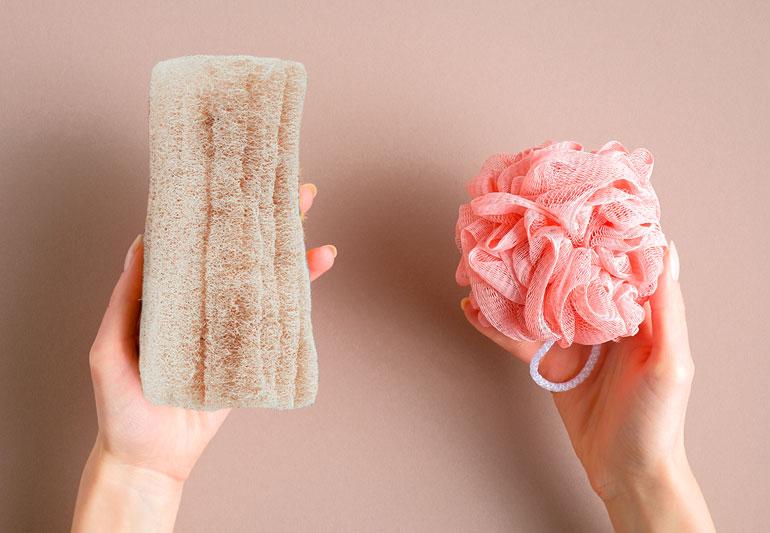
Loofahs offer a natural alternative to shower poufs. They gently exfoliate the skin, removing dead cells and improving circulation. Many enjoy their texture and the eco-friendly aspect. Loofahs come in different types, each with unique features. Choosing the right one helps enhance your shower routine.
Natural Vs. Synthetic Loofahs
Natural loofahs come from the fibrous skeleton of a gourd plant. They are biodegradable and eco-friendly. Their texture is rougher, which helps with deep exfoliation. Synthetic loofahs are made from plastic materials. They tend to be softer but can trap bacteria more easily. Natural ones break down faster but feel more organic. Synthetic loofahs last longer but harm the environment.
Maintenance And Longevity
Keep loofahs clean to prevent bacteria buildup. Rinse well after every use. Hang in a dry, airy place to dry quickly. Replace natural loofahs every three to four weeks. Synthetic ones can last up to two months. Boiling natural loofahs can sanitize them. Avoid keeping them in damp spots for long. Proper care extends their life and keeps skin safe.

Credit: zerowastestore.com
Body Brushes
Body brushes offer a fantastic alternative to shower poufs, giving your skin a gentle yet effective cleanse. They come in various shapes and bristle types, allowing you to customize your experience. Using a body brush can help you connect more with your skincare routine and notice how your skin reacts to different textures and pressure.
Dry Brushing Benefits
Dry brushing before a shower can boost circulation and remove dead skin cells, leaving your skin feeling smooth and refreshed. It’s a simple step that can help reduce the appearance of cellulite and improve your skin’s texture over time. Have you ever noticed how energized you feel after a quick dry brushing session?
Besides exfoliation, dry brushing supports your lymphatic system, which helps your body detox naturally. Use gentle, upward strokes starting from your feet toward your heart to encourage better blood flow. Make sure to clean your brush regularly to keep it fresh and effective.
Wet Brushing Techniques
Wet brushing with a body brush during your shower provides a soothing way to cleanse and exfoliate simultaneously. Soft, circular motions can help remove impurities and stimulate your skin without causing irritation. Experiment with different water temperatures to find what feels best on your skin.
Try using gentle pressure and focusing on rough areas like elbows and knees for smoother skin. Pair your wet brushing with a mild body wash for added hydration and nourishment. Have you tried switching to a body brush in the shower? You might find it offers a more controlled and satisfying clean than a pouf.
Diy Alternatives
Looking for alternatives to your usual shower pouf can be a refreshing change for your skin and the environment. DIY options let you customize your scrubbing experience while using materials you might already have at home. Let’s explore some creative and safe ways to keep your skin clean and smooth without buying a new product.
Homemade Scrubbing Tools
You can craft effective scrubbing tools using simple items like cotton washcloths, old t-shirts, or even natural loofahs from the garden. A tightly rolled washcloth can create a gentle exfoliating effect that’s perfect for sensitive skin.
Another idea is braiding strips of fabric to make a soft scrubber that lasts longer than a typical pouf. These homemade tools are easy to wash and reuse, reducing waste and saving money.
Have you ever tried using a dry brush before showering? It stimulates circulation and removes dead skin cells without needing soap or water.
Using Household Items Safely
Many household items double as great scrubbers, but it’s important to use them safely to avoid skin irritation. For instance, a clean loofah sponge or a natural sea sponge can be gentle on your skin while providing good exfoliation.
Be cautious with rough materials like kitchen sponges or abrasive scrubbers. They might damage your skin or cause discomfort if used too hard or frequently.
Always test any DIY scrubbing tool on a small patch of skin first. This simple step helps prevent allergic reactions or excessive dryness.
What common household item do you think could become your new favorite shower companion?
Factors To Consider When Choosing
Choosing the right alternative to a shower pouf needs careful thought. Different options suit different needs. Consider skin type, environmental effects, and cost before deciding. These factors help find the best fit for daily use.
Skin Sensitivity
Some skin types need gentle cleansing tools. Rough materials can cause irritation or redness. Soft fabrics or natural sponges often work better for sensitive skin. Avoid harsh scrubbing to keep skin healthy. Test a small patch before full use to check for reactions.
Environmental Impact
Plastic poufs create waste and pollution. Natural options like loofahs or bamboo scrubbers break down faster. Biodegradable materials reduce landfill problems. Choose products made from renewable resources. This choice helps protect the planet and reduce plastic use.
Durability And Cost
Long-lasting products save money over time. Some natural sponges need frequent replacement. Synthetic brushes may last longer but harm the environment. Balance between durability and price suits most budgets. Consider how often replacement is needed before buying.
Credit: health.clevelandclinic.org
Frequently Asked Questions
What Are Natural Alternatives To Shower Poufs?
Natural alternatives include loofah sponges, washcloths, and konjac sponges. These options are biodegradable and gentle on the skin. They provide effective exfoliation while reducing plastic waste. Natural alternatives also tend to dry faster, limiting bacteria growth and offering a hygienic shower experience.
Can A Washcloth Replace A Shower Pouf Effectively?
Yes, a washcloth can replace a shower pouf effectively. It offers gentle exfoliation and easy control while washing. Washcloths are reusable, easy to clean, and less likely to harbor bacteria. They also reduce environmental impact compared to synthetic poufs.
Are Silicone Scrubbers Better Than Shower Poufs?
Silicone scrubbers are often better than shower poufs. They dry quickly and resist bacteria buildup. Silicone is durable, easy to clean, and hypoallergenic. These scrubbers provide gentle exfoliation and long-lasting use, making them a hygienic and eco-friendly choice.
How Does A Konjac Sponge Compare To A Pouf?
A konjac sponge is softer and more natural than a pouf. It’s made from plant fibers and is biodegradable. Konjac sponges gently exfoliate without irritation, ideal for sensitive skin. They also improve skin texture and balance pH during cleansing.
Conclusion
Choosing the right alternative to a shower pouf can improve your skin care. Natural options like washcloths or silicone scrubbers work well. They clean gently without causing irritation. These choices last longer and dry faster too. Pick what feels comfortable and suits your skin type.
Simple tools can make your shower routine better. Try different options and see what fits you best. Clean skin and a happy shower start here.



