
Have you ever wondered if the Ottoman Empire was truly a caliphate? This question might seem simple, but it opens the door to a fascinating story about power, religion, and history.
Understanding whether the Ottomans held the title of caliph can change how you see their role in the Muslim world and beyond. Keep reading to uncover the truth behind the empire’s claim and discover why it still matters today. Your view of history might never be the same.
Credit: owlcation.com
Origins Of The Ottoman Empire
The Ottoman Empire began as a small principality in the late 13th century. It rose in a region full of competing powers. The empire grew through military skill and strategic alliances. Its foundation shaped the course of history for centuries. Understanding its origins helps explain its later role as a caliphate.
Early Beginnings And Expansion
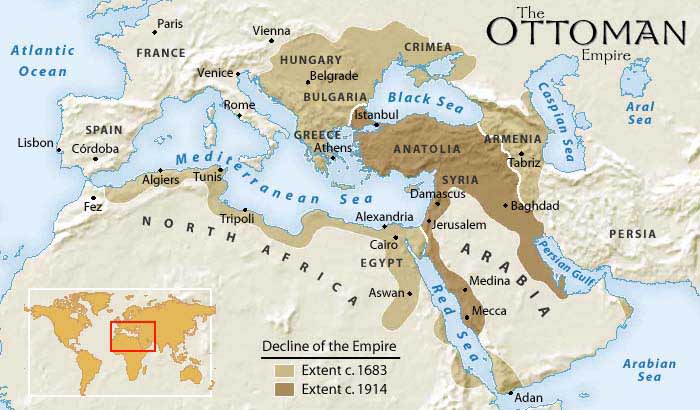
The Ottomans started as a Turkic tribe near the Byzantine Empire. Osman I founded the dynasty around 1299. The tribe gained land by defeating rivals and Byzantine forces. Their strong cavalry and flexible tactics helped early victories. Expansion continued under Osman’s successors into Anatolia and the Balkans. The empire grew by taking key cities and trade routes. Each conquest increased the empire’s wealth and influence.
Religious And Political Context
The Ottoman state was Sunni Muslim from the start. Religion played a key role in uniting diverse peoples. The empire positioned itself as a defender of Islam. Politically, it combined tribal leadership with Islamic law. The Ottomans respected local customs under their rule. Their system allowed stability across many cultures and lands. This religious and political mix made the Ottomans a powerful force.
Caliphate Concept In Islam
The concept of the Caliphate in Islam is central to understanding the political and religious leadership in Muslim history. It represents more than just a government; it embodies the idea of unity and guidance for the Muslim community worldwide. The Caliph, as the leader, is considered the successor to the Prophet Muhammad in leading the Ummah (Muslim community) both spiritually and politically.
Role And Significance Of The Caliphate
The Caliphate holds a unique position as it combines religious authority with political power. It’s responsible for upholding Islamic law, protecting the Muslim community, and spreading Islamic teachings. This dual role means the Caliph must balance governance with spiritual leadership, making the position highly influential.
Have you ever wondered how leadership that blends faith and politics shapes societies? The Caliphate’s role often influences laws, social norms, and international relations among Muslim states. It also serves as a symbol of unity, especially during times of division or external threats.
Historical Caliphates Before The Ottomans
Before the Ottomans, several major Caliphates played critical roles in Islamic history:
- Rashidun Caliphate (632–661 CE):The first four Caliphs, known for their close companionship with Prophet Muhammad, established the foundation of Islamic governance.
- Umayyad Caliphate (661–750 CE):Expanded the empire significantly, spreading Islam across North Africa and into Spain.
- Abbasid Caliphate (750–1258 CE):Known for cultural and scientific advancements, the Abbasids moved the capital to Baghdad and fostered a golden age of Islamic civilization.
Each Caliphate contributed differently to the evolution of Islamic leadership. You might notice how shifts in power often reflected changing political landscapes as well as religious interpretations. This history sets the stage for understanding the Ottoman claim to the Caliphate later on.
Ottoman Claim To The Caliphate
The Ottoman Empire claimed the Caliphate title after conquering Muslim lands. This claim gave them religious and political authority over Muslims. Yet, some debate if their rule truly matched the traditional role of a Caliphate.
The Ottoman Empire’s claim to the Caliphate is a topic of great interest. The empire, known for its vast territories and rich cultural heritage, also laid claim to religious leadership. The Caliphate represented the spiritual leadership of the Muslim world. This claim shaped the empire’s identity and influence. Understanding this claim involves exploring several key aspects.Suleiman The Magnificent’s Influence
Suleiman the Magnificent was a pivotal figure in the Ottoman Empire. His reign saw the empire reach its zenith in power and culture. Suleiman’s leadership strengthened the empire’s claim to the Caliphate. He expanded territories and fostered Islamic traditions. These efforts reinforced the empire’s religious authority. Suleiman was not only a political leader but also a religious symbol.Acquisition Of The Caliphate Title
The acquisition of the Caliphate title was a significant event. Selim I, Suleiman’s father, conquered Egypt in 1517. This conquest included the holy cities of Mecca and Medina. With these cities, the Ottomans gained the title of Caliph. This title was more than symbolic. It provided the Ottomans with religious legitimacy. The title connected the empire with Islamic heritage and leadership.Religious Authority Vs Political Power
The Ottomans balanced religious authority with political power. Holding the Caliphate title enhanced their religious influence. It was a tool to unify diverse Muslim populations. Yet, political power remained the empire’s backbone. The Ottomans used religious authority to support their rule. This balance helped maintain control over vast territories. The Caliphate was central to their governance strategy.
Credit: seunonigbinde.medium.com
Ottoman Caliphate In Practice
The Ottoman Caliphate in practice shaped both the empire’s identity and its role in the Muslim world. The sultans claimed the title of Caliph, blending religious and political power. This dual role influenced how the empire governed and interacted with Muslim communities worldwide.
Religious Leadership And Administration
The Ottoman sultans acted as spiritual leaders for Sunni Muslims. They appointed religious scholars and judges to enforce Islamic law. The empire maintained a strong religious bureaucracy to support these roles. Mosques and religious schools thrived under their patronage. This system helped unify diverse peoples under a common faith.
Impact On Muslim Communities
The Ottoman Caliphate provided a sense of unity for Muslims beyond its borders. It offered protection for Islamic holy sites in Mecca and Medina. Many Muslims looked to the Ottomans for guidance during times of crisis. The empire’s policies affected daily religious practices and social life. Its influence extended to Muslim minorities living under non-Muslim rule.
Relations With Other Muslim Powers
The Ottoman Caliphate held complex ties with other Muslim states. It sometimes cooperated with smaller Islamic rulers for mutual benefit. Rivalries also existed, especially with Persian and Mughal empires. The Ottomans used their Caliphate status to assert leadership in the Muslim world. Their diplomatic and military actions often reflected this claim.
Debates And Controversies
The question of whether the Ottoman Empire was truly a caliphate has sparked many debates. Scholars and historians argue over its religious and political roles. This discussion involves the empire’s claims, outside views, and modern analysis.
Legitimacy Of Ottoman Caliphate Claims
The Ottomans declared themselves caliphs after conquering key Islamic lands. They claimed religious leadership over Muslims worldwide. Some accepted this claim, seeing the sultans as rightful caliphs. Others questioned if the Ottomans met all religious criteria. Critics argued the title was more political than spiritual. The debate continues on whether their caliphate was genuine or symbolic.
Western Perspectives And Influence
Western powers often viewed the Ottoman caliphate with suspicion. They saw it as a tool for political control rather than true religious authority. Some Western writers dismissed the caliphate as a weak or outdated concept. Colonial interests influenced these opinions. The West’s view shaped global perceptions of the Ottoman role as caliph. This perspective sometimes overshadowed internal Muslim views.
Modern Historical Interpretations
Today, historians analyze Ottoman caliphate claims through new evidence. Many see the caliphate as a mix of faith and politics. Some stress the empire’s role in uniting diverse Muslim communities. Others highlight its use of religion for state power. Modern scholars explore how the caliphate affected Muslim identity. The topic remains open, reflecting complex Ottoman history.

Credit: votu.blog
Legacy Of The Ottoman Caliphate
The legacy of the Ottoman Caliphate is a rich tapestry woven from centuries of religious authority, political power, and cultural influence. Its impact still resonates in many parts of the Muslim world and beyond. Understanding this legacy helps you grasp how history shapes current Islamic politics and cultural identities.
End Of The Caliphate In 1924
The Ottoman Caliphate officially ended in 1924 when Mustafa Kemal Atatürk abolished it as part of his modernization reforms in Turkey. This marked the close of a centuries-old institution that had combined both spiritual and political leadership for Muslims worldwide. The end left a significant void and sparked debates about the future of Islamic leadership.
Did you realize that the abolition disrupted centuries of tradition, leaving many Muslims searching for new ways to connect with their faith’s political dimension? This moment reshaped the relationship between religion and state in the Muslim world.
Influence On Contemporary Islamic Politics
The Ottoman Caliphate’s legacy continues to influence modern Islamic political movements. Many groups reference its authority to legitimize their claims or to inspire unity among Muslims. Some political leaders and thinkers look back to the Ottoman model when discussing governance and Islamic law.
For example, movements in countries like Egypt and Turkey often debate how the caliphate’s legacy should inform their policies today. Have you noticed how this historical symbol still sparks passion and controversy in political discussions?
Cultural And Religious Heritage
The Ottoman Empire left behind a wealth of cultural and religious heritage that remains visible in architecture, art, and religious practices. Mosques, libraries, and schools built under the Ottomans continue to be centers of Islamic learning and worship.
This heritage also includes traditions in calligraphy, music, and cuisine that connect you directly to the empire’s diverse Muslim communities. Engaging with these cultural elements offers a tangible link to the caliphate’s past and its ongoing influence on Muslim identity.
Frequently Asked Questions
Was The Ottoman Empire Officially A Caliphate?
Yes, the Ottoman Empire assumed the caliphate title in 1517 after conquering the Mamluk Sultanate. The sultans claimed religious leadership over Muslims worldwide.
How Did The Ottoman Caliphate Influence Islamic Politics?
The Ottoman caliphate unified many Muslim regions under one ruler. It played a key role in defending and spreading Sunni Islam.
When Did The Ottoman Caliphate End?
The Ottoman caliphate ended in 1924 when Mustafa Kemal Atatürk abolished it. This marked the end of Ottoman religious authority.
What Role Did The Ottoman Sultans Have As Caliphs?
Ottoman sultans acted as both political leaders and spiritual heads. They balanced governance with religious duties as caliphs.
Conclusion
The Ottoman Empire held the title of caliphate for centuries. It combined religious and political power uniquely. The sultans claimed leadership of the Muslim world. This claim influenced many Muslim communities globally. Still, debates about its true caliphate status continue today.
Understanding this history helps explain modern Islamic politics. The empire’s role shaped both faith and governance deeply. It remains a key topic in historical studies. Readers can see why the question matters now. History shows the Ottoman caliphate was complex and significant.



