
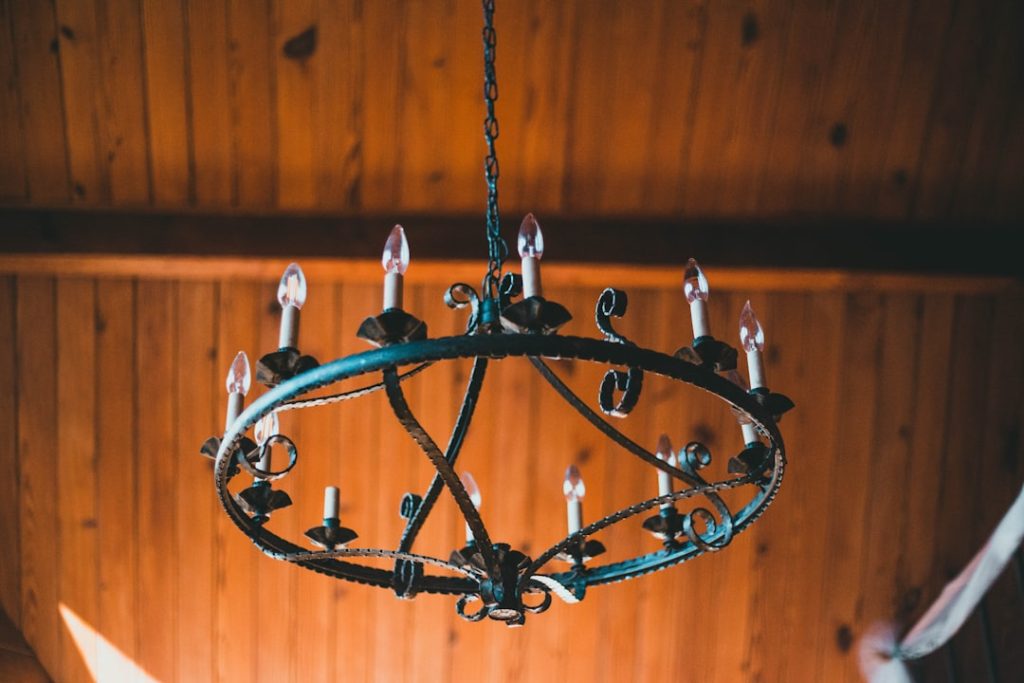
Changing out a chandelier can feel like a big job, but it doesn’t have to be. Imagine transforming the look of your room in just a few simple steps.
Whether your old chandelier is outdated or you just want a fresh new style, you’re in the right place. In this guide, you’ll learn exactly how to swap out your chandelier safely and easily, even if you’ve never done it before.
Ready to brighten up your space with confidence? Let’s get started!

Credit: www.angi.com
Tools And Materials Needed
Changing out a chandelier requires more than just swapping the old fixture for a new one. Having the right tools and materials ready makes the process smoother and safer. Before you start, take a moment to gather everything you need to avoid interruptions or risky moments.
Essential Tools
Start with basic electrical tools like a voltage tester to ensure the power is off before touching any wires. A sturdy ladder or step stool is crucial to reach the ceiling comfortably and safely. You’ll also need a screwdriver set, wire strippers, and electrical tape to handle the wiring securely.
Don’t forget a pair of pliers for twisting wires and a drill if you need to install new mounting hardware. Having a flashlight or headlamp can help you see clearly in tight or dim spaces. Keep a bucket or container nearby for screws and small parts to prevent losing them.
Choosing The Right Chandelier
Your new chandelier should match the size and style of your room. Think about the ceiling height and room dimensions; a chandelier that’s too big or too small can throw off the balance. The weight matters too—make sure your ceiling can support the fixture safely.
Consider the type of bulbs it uses and whether they fit your lighting needs. Some chandeliers come with dimmable options, which can add flexibility to your room’s ambiance. Have you checked if the new chandelier’s mounting bracket fits your existing electrical box? This small detail can save you from unexpected challenges.
Safety Equipment
Safety isn’t optional when working with electrical fixtures. Always wear insulated gloves to protect yourself from accidental shocks. Safety goggles are a smart choice to guard your eyes from dust or falling debris.
Turn off power at the circuit breaker, not just the wall switch, to eliminate any electrical hazards. Using a sturdy ladder with non-slip feet reduces the risk of falls. Do you have someone nearby to assist or spot you? Having a helper can make the process much safer and easier.

Credit: www.visualcomfort.com
Preparing The Area
Preparing the area before changing out a chandelier is essential to ensure safety and efficiency. Taking time to organize your space helps prevent accidents and makes the entire process smoother. It also gives you peace of mind, knowing everything is ready before you start working above your head.
Turn Off Power
First, locate the circuit breaker that controls the chandelier’s power and switch it off. This is not just a suggestion—it’s a must to avoid electric shock. Even if the switch on the wall is off, the fixture can still carry live current, so double-check with a voltage tester to be certain.
Clear The Workspace
Remove any furniture, décor, or clutter from under the chandelier. This gives you ample room to move and reduces the risk of knocking things over. Place a drop cloth or old sheet on the floor to catch dust and debris, making cleanup much easier afterward.
Set Up A Ladder Safely
Choose a sturdy ladder that reaches the chandelier comfortably without overextending your arms. Position it on a flat, stable surface and make sure all the feet are secure. Before climbing, test the ladder for balance, and never lean too far to one side—your safety depends on it.
Removing The Old Chandelier
Turn off the power before touching the old chandelier. Carefully detach it from the ceiling and disconnect the wires to avoid damage.
Removing the old chandelier can feel daunting, but it’s simpler than you might think. Preparing for this task requires a bit of patience and a few basic tools. Imagine the satisfaction of transforming your space with a new fixture, breathing fresh life into the room. Let’s break down the process into manageable steps.Disconnecting Wiring
Always prioritize safety. Start by turning off the power supply at the circuit breaker to avoid any electrical hazards. After ensuring the power is off, gently remove the canopy to expose the wiring. You’ll typically find three wires: black, white, and a ground wire. Carefully unscrew the wire connectors and separate the wires. Don’t forget to take a picture of the connections for reference when installing the new chandelier.Unscrewing The Fixture
With the wires disconnected, it’s time to unscrew the fixture. Use a sturdy ladder or step stool to reach the chandelier comfortably. Most chandeliers are secured with screws or a mounting bracket. Keep a hand on the fixture as you unscrew it to prevent it from falling. Have someone nearby to assist you, especially if the fixture is large or awkwardly shaped.Handling Heavy Or Fragile Parts
Older chandeliers can be surprisingly heavy or delicate. Support the weight of the chandelier as you remove it to avoid damaging it—or yourself. If the chandelier is particularly cumbersome, break it down into smaller parts. Detach the arms or any removable sections to make handling easier. Store fragile parts safely, as they may hold sentimental or resale value. How would you feel if a cherished piece was damaged due to a rushed job? Taking your time ensures both safety and preservation of materials.Installing The New Chandelier
Installing the new chandelier is the exciting part of this project. It transforms the room’s look instantly. Careful steps ensure safety and a perfect fit. Follow these simple instructions for a smooth installation.
Assembling The Fixture
Start by unpacking all chandelier parts. Check the instructions from the manufacturer. Lay out every piece to confirm nothing is missing. Assemble the chandelier frame carefully. Attach crystals or shades as directed. Handle delicate parts with care. Avoid forcing any pieces together.
Mounting And Securing
Locate the ceiling box where the old chandelier was removed. Ensure it can support the new fixture’s weight. Use a sturdy mounting bracket if needed. Lift the chandelier slowly and align it with the bracket. Secure it tightly using screws or bolts. Make sure the fixture is stable and level. A shaky chandelier is unsafe and unattractive.
Connecting Electrical Wires
Turn off the power at the circuit breaker first. Identify the wires: usually black (hot), white (neutral), and green or bare copper (ground). Connect matching wires using wire nuts. Twist the wires clockwise and secure the nuts tightly. Wrap connections with electrical tape for extra safety. Attach the ground wire to the mounting bracket or box. Double-check all connections before restoring power. Proper wiring prevents shocks and flickering lights.
Testing And Final Touches
After installing your new chandelier, the work isn’t quite finished. Testing and final touches ensure that your fixture not only looks great but also functions safely and effectively. This stage is crucial for catching any issues early and making your chandelier a beautiful focal point in your room.
Restore Power And Test
Once the chandelier is securely mounted, it’s time to restore the power at the breaker. Turn the switch on and observe how the light performs. Does every bulb light up evenly? If any bulbs flicker or fail to illuminate, check the connections again—loose wiring is often the culprit.
Remember, safety comes first. If you notice any unusual sparks or smells, immediately switch off the power and reassess your installation. Have you ever experienced a light fixture not working right away? That moment is the perfect reminder to double-check your work before moving forward.
Adjusting Height And Position
Your chandelier’s height and position can dramatically impact your room’s atmosphere. Stand back and ask yourself: does the chandelier hang at a comfortable height? Ideally, it should be about 30 to 36 inches above a dining table or 7 feet above the floor in other spaces.
If it feels off, use the adjustable chain or rod to tweak the height. Don’t hesitate to move it slightly side to side to center it perfectly. Small adjustments now save you from awkward lighting or blocked sightlines later.
Cleaning And Polishing
Dust and fingerprints can dull the sparkle of your new chandelier. Use a soft microfiber cloth to gently wipe down each piece, focusing on glass or crystal elements. Avoid harsh chemicals—water mixed with a little mild dish soap usually does the trick.
Polishing your chandelier not only enhances its beauty but also extends its life. A clean fixture can brighten your entire room more effectively. Have you noticed how a simple cleaning can transform the ambiance? Don’t skip this final step—it’s the detail that makes all the difference.
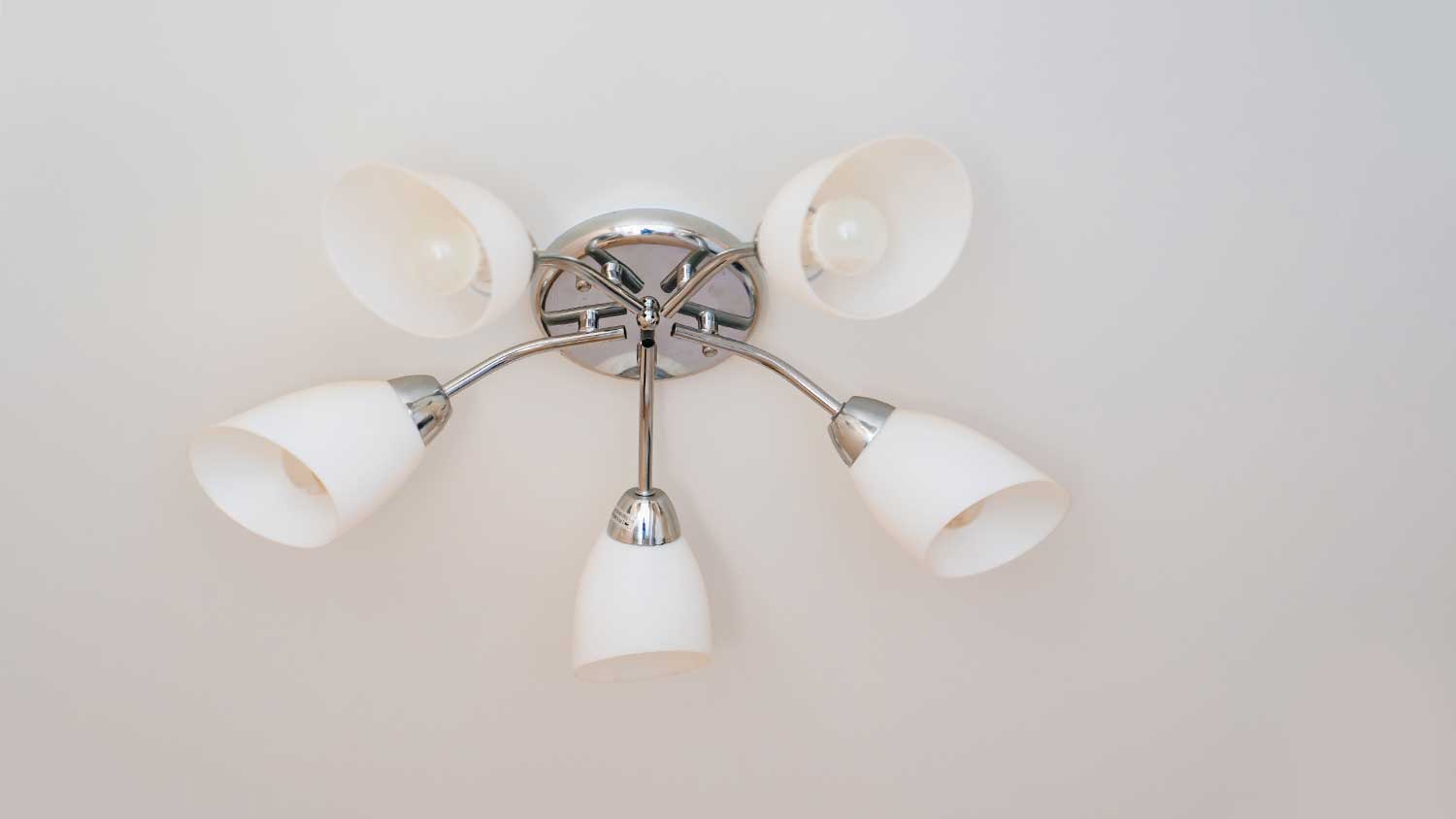
Credit: www.angi.com
Tips For A Successful Upgrade
Changing a chandelier can refresh any room. Planning helps make the process smooth and effective. Follow these tips to ensure your upgrade fits your space and needs perfectly.
Matching Style And Scale
Choose a chandelier that fits your room’s style. A modern fixture suits a contemporary space. A classic design works well in traditional rooms.
Size matters. A large chandelier can overwhelm a small room. A small fixture may look lost in a big space. Measure your room and ceiling height. Match the chandelier size to these dimensions for balance.
Energy Efficiency Considerations
Pick energy-saving bulbs to lower your electricity bills. LED bulbs use less power and last longer. They also produce less heat, making your room safer.
Check the fixture’s compatibility with LED bulbs. Some chandeliers work only with specific bulb types. This choice impacts brightness and energy use.
When To Call A Professional
Some chandelier changes require expert help. If your fixture is heavy, get professional support for safe installation. Electrical wiring can be tricky and dangerous. A licensed electrician ensures the job meets safety standards.
Calling a professional saves time and avoids damage. It also keeps your home safe from electrical hazards.
Frequently Asked Questions
How Do I Safely Disconnect A Chandelier?
Turn off the power at the circuit breaker before starting. Use a voltage tester to confirm no electricity flows. Carefully detach the chandelier from the ceiling mount and disconnect the wiring. Always handle electrical components with caution to avoid shocks.
What Tools Are Needed To Change A Chandelier?
You will need a ladder, screwdriver, wire strippers, voltage tester, and pliers. A helper can assist in holding the chandelier. Have electrical tape and wire nuts ready for secure connections. Proper tools ensure a smooth and safe chandelier replacement.
Can I Replace A Chandelier Without An Electrician?
Yes, if you have basic electrical knowledge and follow safety steps. Always switch off power and test wires before starting. If unsure, consult a professional to avoid hazards. DIY chandelier replacement saves cost but demands careful attention.
How Do I Choose The Right Chandelier Size?
Measure your room’s dimensions and ceiling height first. Choose a chandelier that complements the space without overpowering it. Typically, the chandelier diameter (in inches) equals the sum of room length plus width (in feet). Proper sizing enhances room aesthetics and balance.
Conclusion
Changing out a chandelier can brighten any room quickly. Always turn off the power before starting work. Take your time to remove the old fixture carefully. Match the new chandelier’s wiring with the old one’s. Secure the new fixture firmly to avoid accidents.
Double-check all connections before turning the power back on. A new chandelier can give your space a fresh look. Small steps lead to a big change. Enjoy your updated lighting safely and confidently.



