
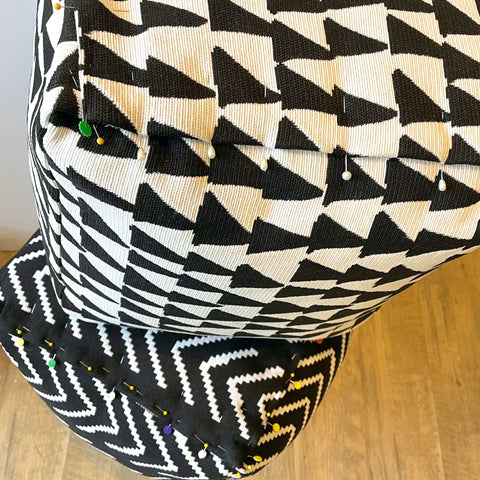
Looking for a simple and stylish way to add extra seating to your space? Making poufs to sit on out of fabric is easier than you think—and it lets you customize colors and patterns to match your style perfectly.
Imagine having a cozy, handmade pouf that not only looks great but also feels comfortable every time you relax. In this guide, you’ll discover step-by-step how to create your own poufs, even if you have little sewing experience. Ready to transform your room with a fun, budget-friendly project?
Let’s get started!

Credit: pattiewack.myshopify.com
Materials Needed
Gathering the right materials is the first step to creating a comfortable and stylish pouf from fabric. Your choice of fabric, stuffing, and additional tools will impact both the look and durability of the finished piece. Let’s break down what you need to get started.
Choosing The Right Fabric
Pick a fabric that matches your style and can handle regular use. Durable options like canvas, denim, or upholstery fabric work well because they resist wear and tear. If you want a softer feel, consider cotton blends or velvet, but keep in mind they may need extra care.
Think about the color and pattern too. A bold print can make your pouf a statement piece, while a neutral tone blends seamlessly into any room. Do you want it to be easy to clean? Some fabrics are stain-resistant, which is great for busy households.
Selecting Stuffing Options
The stuffing determines how firm or squishy your pouf will be. Common choices include polyester fiberfill, foam beads, or even recycled fabric scraps. Polyester fiberfill is lightweight and easy to work with, giving a plush feel.
Foam beads add structure but can shift inside the pouf, so you might need to adjust them over time. If you’re eco-conscious, using old clothing or fabric remnants is a smart way to reduce waste. What kind of comfort are you aiming for? Firm support or soft relaxation?
Additional Tools And Supplies
Beyond fabric and stuffing, you’ll need some basic tools to bring your pouf to life. A sewing machine speeds up the process, but you can sew by hand if you prefer. Sharp fabric scissors are essential for clean cuts.
Other helpful items include:
- Measuring tape to get precise dimensions
- Pins or clips to hold fabric pieces together
- Thread that matches or contrasts with your fabric
- A zipper or Velcro if you want your pouf to have a removable cover
Have you considered how you’ll close your pouf? Adding a zipper makes it easy to wash the cover, which is a game-changer for keeping your pouf fresh.
Preparing The Fabric
Preparing the fabric is the foundation of making a durable and comfortable pouf. It’s more than just picking a pretty material; the way you measure, cut, and treat your fabric will affect the final look and feel. Taking your time here means fewer headaches later and a pouf that truly lasts.
Measuring And Cutting
Start by measuring the dimensions of your pouf’s frame or the size you want your pouf to be. Use a tape measure and write down all measurements clearly. Remember to add extra inches for seam allowances—usually about 1 to 1.5 inches on each side.
Cut your fabric on a flat surface using sharp fabric scissors or a rotary cutter for cleaner edges. Cutting multiple pieces at once? Pin them carefully to avoid shifting. Double-check your measurements before each cut—one small mistake here can throw off your entire project.
Creating Patterns
Patterns help you cut fabric pieces that fit perfectly together. You can draft your own by drawing shapes on pattern paper based on your pouf’s size and shape. Add seam allowances directly on the pattern to avoid confusion later.
If you’re new to this, try using newspaper or kraft paper for your first pattern draft. It’s cheap and easy to adjust. Pin the pattern to your fabric, then cut around it carefully. This method helps you visualize how pieces will align and fit.
Fabric Treatment Tips
Before sewing, treat your fabric to prevent future issues like shrinking or color bleeding. Washing your fabric as you plan to treat it after the pouf is done can save you from surprises. Use cold water for delicate fabrics and check the care label.
Iron your fabric to remove wrinkles that can distort your cutting and stitching. If the fabric frays easily, consider using pinking shears or applying a fabric sealant on the edges. These simple steps keep your fabric strong and easy to work with.
Sewing The Pouf
Cut fabric pieces into the desired shapes and sizes for your pouf. Sew them together carefully, leaving a gap to fill with stuffing. Close the gap with neat stitches to complete a comfortable, fabric pouf for sitting.
Sewing the pouf is an exciting step where your fabric pieces begin to transform into a functional and stylish seating option. This process might seem daunting, but with a little patience and some basic sewing skills, you’ll find it both rewarding and enjoyable. Whether you’re a sewing newbie or a seasoned pro, these steps will guide you in crafting a beautiful pouf for your home.Basic Stitching Techniques
Understanding basic stitching techniques is crucial in ensuring your pouf is both sturdy and aesthetically pleasing. Start with a simple straight stitch, which is ideal for sewing the main seams of your fabric pieces. Practice maintaining even tension and straight lines to keep your seams neat and strong. Consider using a zigzag stitch for areas that might experience more stress, like the edges. It provides extra durability, preventing fraying over time. If you’re new to sewing, try practicing on scrap fabric before moving to your actual pouf material.Assembling The Fabric Pieces
Once you’re comfortable with your stitches, it’s time to assemble your fabric pieces. Lay out your cut fabric sections in the correct order, ensuring patterns align if you’re using printed fabric. Pin the pieces together carefully, checking for accuracy before sewing. Begin by sewing the side panels together. This will form the cylindrical or square shape of your pouf. Pay close attention to the seams, making sure they’re aligned perfectly to avoid a lopsided pouf. Remember, precision in this step will lead to a more professional-looking finish.Adding Zippers Or Closures
Adding zippers or closures is an important step that can turn your pouf from a simple cushion into a versatile piece of furniture. A zipper allows you to easily remove the cover for washing, keeping your pouf fresh and clean. Choose a zipper that matches your fabric in color and length for a seamless look. Alternatively, you can opt for button closures or Velcro, each offering a unique aesthetic and ease of use. Think about your needs—do you prefer the sleek look of a hidden zipper, or the rustic charm of visible buttons? Whatever you choose, ensure it’s securely attached to withstand frequent opening and closing. As you sew your pouf, remember to enjoy the process. Each stitch brings you closer to a handmade piece that’s both practical and personal. What design choices will you make to reflect your style?
Credit: pattiewack.myshopify.com
Stuffing The Pouf
Stuffing your fabric pouf is more than just filling it up; it shapes the comfort and durability of your finished piece. The right stuffing can transform a simple fabric cover into a cozy seat that invites you to relax. Let’s look at how to pick and manage the filling to get the best results for your pouf.
Choosing The Right Filling
Think about how you plan to use your pouf. Will it be a footrest, extra seating, or a decorative piece? Different fillings offer varying levels of firmness and support.
Popular fillings include:
- Polyester fiberfill:Soft and lightweight, great for a plush feel but may compress over time.
- Foam pieces:Provide firm support and keep the shape well.
- Old clothes or fabric scraps:Eco-friendly and budget-friendly, though less uniform in shape.
- Bean bag beads:Offer flexible, moldable comfort but might leak if the pouf isn’t sealed tightly.
Ask yourself: Do you prefer a firm pouf that holds shape or a soft, squishy one? Your answer guides the filling choice.
Filling Tips For Comfort And Shape
To maintain a comfortable and sturdy pouf, fill it evenly. Avoid stuffing one side more than the other—it can cause imbalance and quick wear.
Try adding filling in layers:
- Start with a firm base layer for support.
- Add softer filling on top for comfort.
- Test firmness by pressing the pouf; adjust by adding or removing filling.
Remember, overstuffing can make your pouf too rigid, while under-stuffing leads to a floppy shape.
Securing The Filling Inside
Once you’re happy with the stuffing, it’s important to keep it in place. Loose filling can shift, causing lumps and discomfort.
Use these techniques to secure the filling:
- Sew a strong zipper into one seam for easy refilling and washing.
- Double stitch the closing seam to prevent openings.
- Add inner lining fabric to contain smaller fillings like beads or scraps.
Have you considered how often you might want to change or wash the filling? Planning for easy access can save you hassle later.
Finishing Touches
Finishing touches give your fabric pouf its personality and durability. They are where your creativity meets functionality. Taking time here can make a simple pouf into a standout piece that invites people to sit and relax.
Adding Decorative Elements
Think about adding buttons, tassels, or embroidery to your pouf. These small details can turn a plain fabric cover into a stylish accent for your room.
You might want to sew on some colorful buttons in the center or along the seams for a tufted look. Tassels on each corner add a playful vibe and are surprisingly easy to attach with a needle and thread.
Consider using fabric paint or stencils to create patterns or words that reflect your style. Have you ever tried using fabric markers to personalize your projects? It’s a quick way to add custom designs without sewing.
Maintaining And Cleaning
Keeping your pouf clean is key to its long life. Since it’s a fabric item, spills and dust can settle quickly.
Choose removable covers when possible; they make washing simple. If your pouf cover isn’t removable, spot clean with mild detergent and a damp cloth right away to avoid stains setting in.
Regular vacuuming with a brush attachment helps prevent dirt buildup. How often do you clean your fabric furniture? Setting a routine can save you from major cleaning later.
Safety Tips For Usage
Ensure your pouf is stable and firm enough to sit on without tipping over. Test its weight capacity before using it regularly.
Check your stitching and seams for any loose threads that might cause the fabric to tear or the filling to escape. Reinforce weak spots with extra sewing.
If you have kids or pets, consider using durable, stain-resistant fabrics. Avoid placing the pouf near sharp objects or heat sources to keep both the fabric and filling safe.

Credit: www.christeneholderhome.com
Creative Variations
Creative variations make fabric poufs unique and fun. Changing shapes, colors, and fabrics helps match your style. These ideas let you design a pouf that fits any room or mood. Explore ways to personalize your pouf with simple changes.
Different Shapes And Sizes
Fabric poufs do not have to be round. Try square, oval, or even hexagon shapes. Small poufs work well as footrests. Large ones can serve as extra seating or tables. Mix sizes for a playful, cozy look in your space.
Using Patterns And Colors
Choose bright patterns to add energy to a room. Stripes, polka dots, or floral prints create eye-catching poufs. Soft pastels or neutral tones bring calm and warmth. Match or contrast pouf colors with your furniture for style.
Combining Fabrics For Style
Mix different fabrics for texture and interest. Pair cotton with velvet or linen with burlap. Use smooth and rough fabrics in one pouf for a rich feel. Combining fabrics also makes your pouf more durable and unique.
Frequently Asked Questions
What Materials Are Needed To Make Fabric Poufs?
You need durable fabric, stuffing like foam or beads, scissors, sewing tools, and a zipper or buttons. Choose sturdy fabrics for longevity and comfort.
How Do I Sew A Pouf Cover From Fabric?
Cut fabric pieces, sew edges inside out, leave an opening for stuffing, then close it. Use strong stitches to ensure durability.
What Is The Best Stuffing For Poufs To Sit On?
High-density foam or polystyrene beads offer firm support and comfort. They maintain shape and provide a cushioned seating experience.
Can I Customize The Size And Shape Of Fabric Poufs?
Yes, you can create poufs in various sizes and shapes by adjusting fabric measurements before sewing. Customization fits your space and style.
Conclusion
Making poufs from fabric is a fun and simple project. You can choose any fabric you like and create a comfy seat. These poufs add style and extra seating to any room. With just basic tools and steps, you can finish quickly.
Try making one to enjoy a cozy, handmade touch at home. Start today and see how easy it is to craft your own fabric pouf.



