
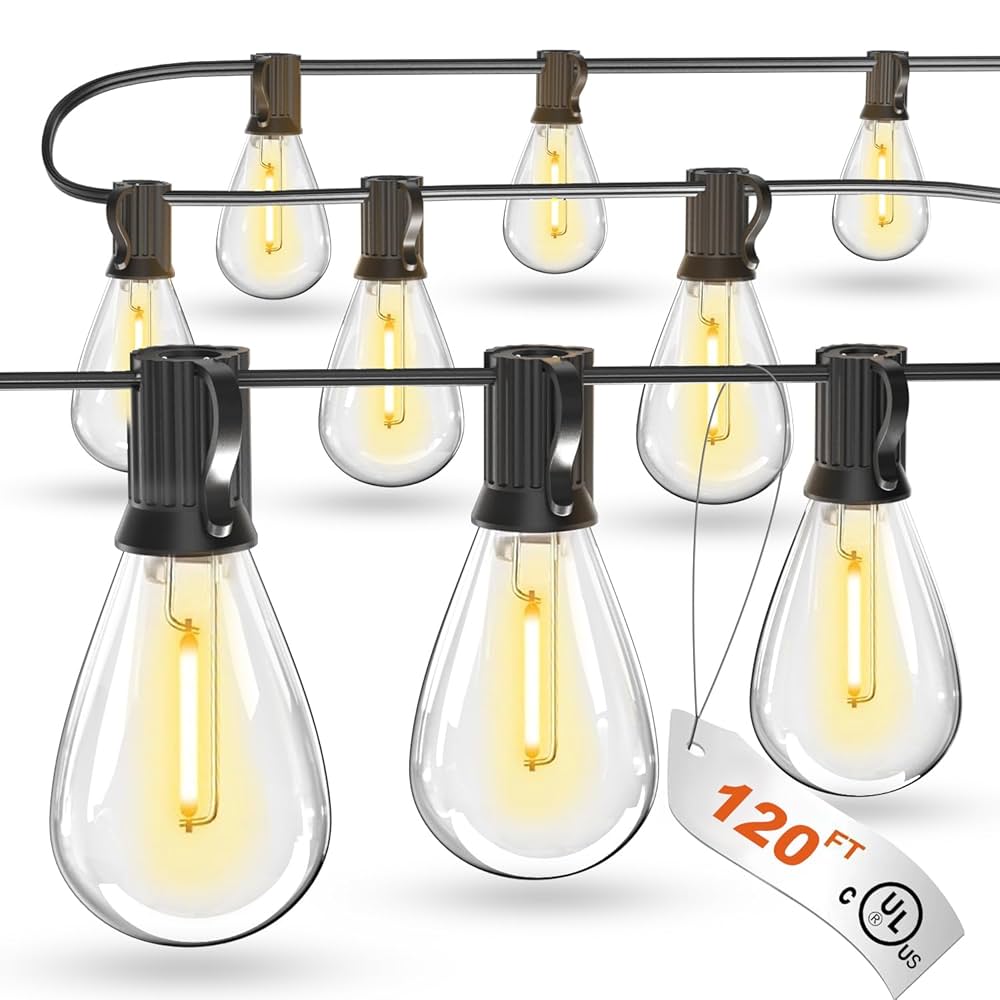
Are you wondering if those charming string lights around your home are quietly driving up your electricity bill? You’re not alone.
Many people love the cozy glow string lights bring but worry about the cost of keeping them on. What if you could enjoy your favorite ambiance without the surprise of a high energy bill? You’ll discover exactly how much electricity string lights use and simple tips to keep your energy costs low.
Keep reading to find out how to light up your space smartly and affordably.
Electricity Use Of String Lights
String lights add charm and warmth to any space, but many wonder if they come with a high electricity cost. Understanding how much energy string lights consume can help you decide how often and where to use them without worrying about your electricity bill. Let’s break down their power use and see how they compare to other lighting options.
Average Wattage Of String Lights
Most string lights use between 5 to 40 watts, depending on the type and length. LED string lights are on the lower end, often around 5 to 10 watts, while traditional incandescent bulbs can use up to 40 watts or more.
If you have a 100-bulb LED string light, it might only draw about 8 to 10 watts total. That’s roughly the same as a single small appliance running for an hour. This low wattage means you can keep string lights on for several hours without a noticeable spike in your electricity bill.
Comparison With Other Lighting Options
| Lighting Type | Typical Wattage | Energy Efficiency |
|---|---|---|
| LED String Lights | 5 – 10 watts | High |
| Incandescent String Lights | 30 – 40 watts | Low |
| Standard Household Bulb | 40 – 60 watts | Medium |
| Fluorescent Bulb | 10 – 20 watts | Medium to High |
Compared to standard household bulbs, LED string lights are significantly more efficient. They use a fraction of the power while providing soft, decorative light. If you want to create ambiance without a high electricity cost, LED string lights are a smart choice.
Do you pay close attention to the wattage when choosing your decorative lights? Knowing this can help you balance style and energy savings effectively.

Credit: shopsavvy.com
Factors Affecting Energy Consumption
String lights are popular for decorating homes and events. Their energy use varies based on several factors. These factors influence how much electricity the lights consume. Understanding them helps you choose efficient options and manage electricity costs better.
Type Of Bulbs Used
Bulbs impact energy consumption a lot. LED bulbs use much less electricity than traditional incandescent bulbs. Incandescent bulbs burn more energy to produce the same brightness. LED bulbs last longer and stay cool. This makes LED string lights the best choice for saving energy.
Length And Number Of Lights
Longer strings and more bulbs increase electricity use. Each bulb adds to the total power draw. A short string with fewer bulbs uses less energy. Larger setups with many lights need more electricity. Always check the power rating before buying or adding strings.
Usage Duration
How long you keep the lights on affects electricity costs. Lights on for a few hours use less energy than all night. Using timers or smart plugs helps control usage time. Reducing hours can lower your electricity bill significantly.
Led Vs Incandescent String Lights
LED string lights use much less electricity than incandescent ones, making them cost-effective to run. Incandescent lights consume more power and can increase your electricity bill quickly. Choosing LED lights helps save energy while still providing bright, decorative lighting.
LED vs Incandescent String Lights Choosing between LED and incandescent string lights can significantly affect your electricity consumption. Both have their charm, but they differ in energy usage, lifespan, and cost. So, which one should you choose for your home or outdoor space?Energy Efficiency Differences
LED string lights are far more energy-efficient than their incandescent counterparts. They consume up to 80% less electricity, which can lead to noticeable savings on your energy bill. Imagine having your holiday lights on all season long without the guilt of wasting power. Incandescent lights, on the other hand, are known for their warm glow but at the cost of higher energy consumption. They convert most of their energy into heat rather than light, making them less efficient. Do you really want to pay more for lighting that doesn’t shine as brightly?Lifespan And Durability
LED lights are known for their impressive lifespan. They can last up to 25 times longer than incandescent lights. This means fewer replacements and less hassle for you. Incandescent bulbs are more fragile and can burn out much faster, especially if you use them frequently. Have you ever found yourself replacing bulbs in the middle of a festive event? With LEDs, that’s a rare occurrence.Cost Implications
While the initial cost of LED string lights might be higher, the long-term savings make them a wise investment. Their energy efficiency and durability mean you save on both electricity bills and replacement costs. Isn’t it satisfying to know you’re making a smart financial choice? Incandescent lights might be cheaper upfront, but those savings quickly diminish with their higher energy usage and frequent replacements. Are you really saving money when you have to buy new bulbs every year? Ultimately, the choice between LED and incandescent string lights boils down to your priorities. Do you prioritize energy savings and longevity, or are you drawn to the nostalgic warmth of incandescent bulbs? Whatever your preference, knowing the differences can guide you to the best decision for your needs.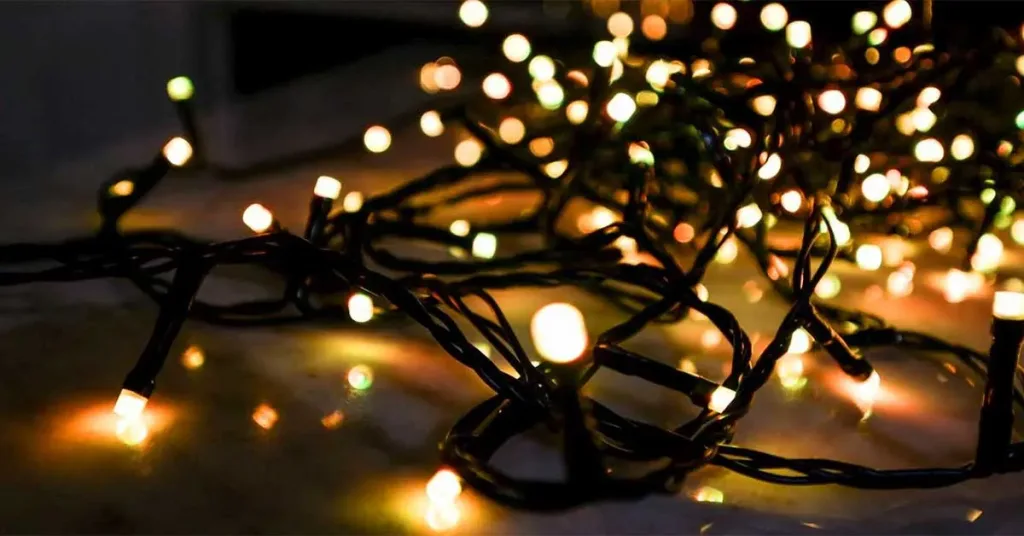
Credit: www.fantasylights.com
Energy-saving Tips For String Lights
String lights create a warm, inviting atmosphere, but it’s easy to wonder if they drain your electricity bill. The good news is, you can enjoy their glow without worrying about high energy costs. Here are practical ways to save energy while keeping your space beautifully lit.
Using Timers And Smart Plugs
Timers and smart plugs give you full control over when your string lights turn on and off. You can set them to operate only during certain hours, like early evening to bedtime, so they aren’t running all night.
Smart plugs even let you control lights remotely through your phone. Have you ever left your house worrying if you forgot to turn off the lights? A smart plug solves that instantly.
Choosing Energy-efficient Bulbs
Switching to LED string lights can drastically cut electricity use. LEDs use up to 80% less energy than traditional incandescent bulbs.
They also last longer, meaning fewer replacements and less waste. If you want a balance between brightness and energy savings, look for bulbs labeled “energy-efficient” or “low wattage.”
Reducing Usage Without Losing Ambiance
You don’t need to keep every string light on all the time to create a cozy vibe. Try using fewer strands or placing lights only in key areas like around a window or along a patio railing.
Dimmer switches can also help you adjust brightness without turning off the lights completely. This way, you save power but maintain the magical ambiance you love.
Environmental Impact Of String Lights
String lights add a cozy charm to any space, but have you ever thought about what they mean for the environment? Beyond just electricity use, their impact stretches to how they affect the planet through energy consumption and waste. Understanding these effects helps you make choices that brighten your space without dimming the Earth’s future.
Carbon Footprint Considerations
String lights, especially older incandescent ones, can draw more power than you expect, increasing your carbon footprint. Switching to LED string lights can reduce energy use by up to 80%, which means fewer greenhouse gases are released. Have you checked the wattage on your lights lately? Lower wattage means less electricity burned and a smaller environmental cost.
Think about how long you keep your lights on. Leaving them lit for hours daily adds up, not just on your bill but in carbon emissions too. A simple timer can help you control usage, cutting down unnecessary energy waste. You might be surprised how much small changes add up over time.
Recycling And Disposal
String lights aren’t just about energy—they also create waste when they break or become outdated. Many string lights contain plastic and metals that don’t break down easily in landfills. Tossing them in regular trash contributes to pollution and resource depletion.
Look for recycling programs that accept string lights or electronic waste in your area. Some stores offer take-back options, turning old lights into new products rather than landfill clutter. If recycling isn’t available, consider repurposing your lights creatively instead of throwing them away.
Have you ever thought about what happens to your holiday decorations after the season ends? Taking a moment to dispose of string lights properly helps reduce environmental harm and supports a circular economy where materials are reused instead of wasted.

Credit: www.amazon.ca
Calculating Electricity Costs
Understanding how much electricity your string lights use is essential to managing your energy bills. Calculating the electricity costs involves knowing how to estimate the power consumption and then translating that into your monthly or annual expenses. This clarity helps you decide how often you want to keep those lights glowing without surprises on your bill.
Estimating Kilowatt-hours
Electricity use is measured in kilowatt-hours (kWh), which tells you how much energy your lights consume over time. To estimate this, you need to know the wattage of your string lights and how many hours you run them each day.
- Find the wattage:Check the packaging or label on your lights. Many LED string lights use about 5 to 10 watts.
- Calculate daily use:Multiply the wattage by the number of hours you use the lights daily.
- Convert to kWh:Divide the daily watt-hours by 1,000 (since 1 kWh = 1,000 watt-hours).
For example, if you have 10-watt string lights on for 5 hours a day: 10 watts × 5 hours = 50 watt-hours daily, which is 0.05 kWh per day.
Monthly And Annual Cost Examples
Once you know the kWh, you can calculate your cost by multiplying it with your electricity rate. Rates vary, but the U.S. average is about $0.13 per kWh.
| Usage | kWh | Cost per kWh | Total Cost |
|---|---|---|---|
| 5 hours daily | 0.05 kWh/day | $0.13 | $0.65/month ($7.80/year) |
| 8 hours daily | 0.08 kWh/day | $0.13 | $1.04/month ($12.48/year) |
Think about your own habits. How many hours do you really keep your string lights on? Adjusting the hours can make a big difference in your bill.
Frequently Asked Questions
Do String Lights Consume A Lot Of Electricity?
String lights generally use low electricity, especially LED types. They consume around 5-15 watts per 100 bulbs, making them energy-efficient and cost-effective for decorative lighting.
Are Led String Lights More Energy-efficient?
Yes, LED string lights use up to 80% less energy than incandescent bulbs. They last longer and reduce electricity bills significantly while providing bright illumination.
How Much Does It Cost To Run String Lights Daily?
Running string lights for 5 hours daily can cost approximately $0. 01 to $0. 05, depending on bulb type and wattage. LED lights are cheaper to operate than traditional bulbs.
Can String Lights Increase My Electric Bill Significantly?
String lights have minimal impact on electric bills if used moderately. Using LED lights and timers can further reduce energy consumption and costs.
Conclusion
String lights use surprisingly little electricity. They are energy-efficient and cost-effective to run. LED string lights use even less power than traditional bulbs. You can enjoy a warm, inviting glow without high electric bills. Choosing the right lights helps save energy and money.
Small changes make a big difference over time. Brighten your space while keeping your electricity use low. Simple, smart choices keep your home cozy and budget-friendly.



