
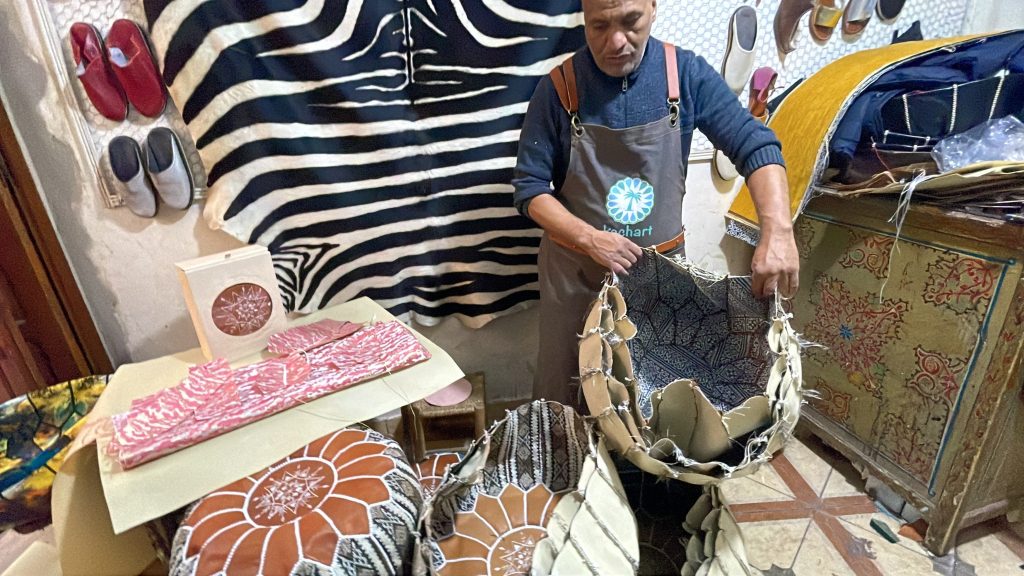
Are you wondering what to use to stuff a pouf that feels just right? Choosing the perfect filling can make all the difference in comfort, durability, and style.
Whether you want a soft, cozy pouf for lounging or a firm one for extra support, the right stuffing can transform your space. You’ll discover simple options that suit your needs and budget. Keep reading to find out how to make your pouf both comfortable and long-lasting with the best stuffing choices.
Foam Options
Choosing the right foam to stuff your pouf can make a huge difference in comfort and durability. Foam options vary widely in feel and support, so understanding their unique traits helps you pick what fits your needs. Whether you’re aiming for softness or structure, foam gives you plenty of flexibility.
Memory Foam Benefits
Memory foam molds to your body shape, offering personalized comfort. This makes it ideal if you want a pouf that feels cozy and supportive at the same time.
It also absorbs pressure well, which reduces strain on joints when you sit or rest your feet. However, memory foam can retain heat, so consider if you prefer a cooler seating option.
Shredded Foam Pros And Cons
Shredded foam is made from small foam pieces, allowing you to adjust the pouf’s firmness by adding or removing stuffing. This flexibility is great if you like to change the feel over time.
On the downside, shredded foam can shift inside the pouf, causing lumps. Regular fluffing is needed to keep it evenly distributed, so think about how much maintenance you’re willing to do.
High-density Foam Uses
High-density foam is firm and durable, perfect if you want your pouf to hold its shape over years of use. It provides strong support, making it suitable for poufs used as extra seating or footrests.
This foam doesn’t compress easily, so it’s excellent for maintaining a polished look. However, it may feel too stiff if you prefer a soft, sinking sensation in your pouf.
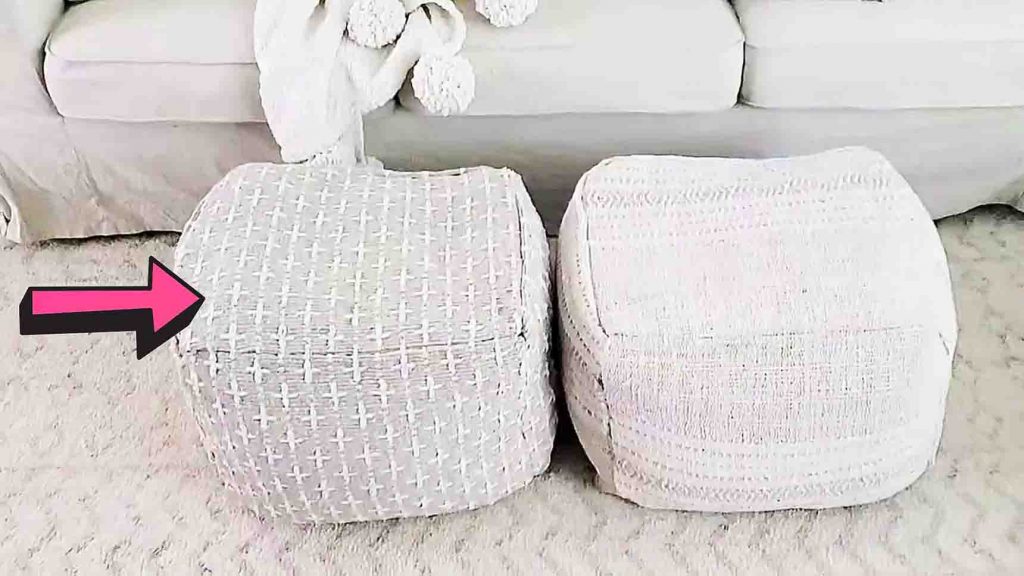
Credit: diyjoy.com
Bead Fillings
Bead fillings are a popular choice for stuffing poufs. They give a soft, moldable feel while keeping the pouf light. These beads allow the pouf to adjust easily to your body shape. They also provide good support without feeling too firm or too loose. Bead fillings come in various types, each with unique properties to suit different needs.
Eps Beads Features
- Lightweight and easy to move around
- Retain shape well over time
- Provide good support and comfort
- Resistant to moisture and dust
- Available in different sizes for softness control
Microbeads Advantages
- Smaller than EPS beads for smoother texture
- Offer excellent flexibility and softness
- Adapt well to body contours
- Less noise when moving or sitting
- Great for a plush and cozy feel
Safety Considerations
- Ensure beads are non-toxic and safe for children
- Check for fire-resistant certifications
- Use a durable outer cover to prevent leaks
- Avoid beads with sharp edges or irregular shapes
- Keep beads away from pets and small children
Natural Fillers
Poufs are versatile and stylish, perfect for any room. Choosing natural fillers can enhance comfort and sustainability. They offer a cozy feel and are environmentally friendly. Let’s explore some popular natural fillers for poufs.
Cotton And Wool Comfort
Cotton and wool are soft and breathable. They provide a plush feel to poufs. These materials are also hypoallergenic, ideal for sensitive users. Wool adds warmth, making it great for colder climates. Cotton is more suitable for all-year-round use. Both options ensure your pouf remains comfortable and inviting.
Buckwheat Hulls Support
Buckwheat hulls offer firm support. They mold to your body, providing comfort and stability. Unlike synthetic fillers, they allow air circulation. This keeps the pouf fresh and cool. Buckwheat hulls are durable and maintain their shape for years. They are a natural and sustainable choice for stuffing.
Recycled Materials Eco-friendly Choices
Recycled materials make a significant eco-friendly impact. Options include shredded denim or old fabric scraps. These materials reduce waste and offer good support. They are also cost-effective and easy to find. By using recycled fillers, you contribute to a greener planet. Your pouf becomes a sustainable addition to your home.
Alternative Materials
Alternative materials for stuffing a pouf offer creative and budget-friendly options. These choices can provide different textures and support levels. They also help recycle household items and reduce waste. Exploring these materials can lead to a unique and personalized pouf.
Old Clothes And Fabric Scraps
Old clothes and fabric scraps work well as pouf stuffing. They are soft and easy to shape. Cut or tear them into small pieces for better filling. This option is eco-friendly and saves money. Plus, it gives new life to unused textiles.
Plastic Pellets And Granules
Plastic pellets and granules add firmness to poufs. They create a supportive and durable filling. These materials make the pouf heavier and stable. They are often used in bean bags and floor cushions. Use a sturdy liner inside the pouf cover to hold them safely.
Combination Fillings
Using a mix of materials can improve comfort and durability. Combine soft fabric scraps with plastic pellets for balance. This mix offers softness and shape retention. Adjust the ratio to find the perfect feel for your pouf. Combination fillings allow for customization and versatility.
Choosing The Right Filling
Choosing the right filling for your pouf shapes not only its look but also how it feels and lasts. The filling you pick affects comfort, how much care the pouf needs, and what it will cost you. Knowing what matters most to you can make the decision easier and help you get the best use out of your pouf.
Comfort Level Factors
Think about how you want to use your pouf. Will it be a footrest, an extra seat, or just a decoration? Different fillings offer varying levels of softness and support.
- Foam:Provides firm support and keeps its shape well. Great if you want a stable seat.
- Polyester fiberfill:Soft and plush, but can flatten over time. Ideal for a cozy, casual feel.
- Bean bag beads:Conform to your body but may shift around, needing occasional fluffing.
Ask yourself if you prefer something that feels firm or cushy under your weight. Your daily comfort depends on this choice.
Durability And Maintenance
Consider how often your pouf will be used and who will use it. Some fillings handle wear and tear better than others.
- Memory foam:Durable and retains shape but can be heavy and less breathable.
- Recycled foam pieces:Eco-friendly and resilient but might require a supportive inner lining.
- Polyester fiberfill:Easy to clean but may clump or lose loft with frequent use.
Think about whether you want a filling that is easy to wash or one that requires less frequent maintenance. It’s worth asking yourself how much time you want to spend keeping your pouf fresh.
Budget Considerations
Your budget can guide your filling choice without sacrificing quality. Some materials cost more upfront but last longer, while others save money but may need replacing sooner.
| Filling Type | Average Cost | Longevity | Maintenance |
|---|---|---|---|
| Polyester Fiberfill | Low | Short to Medium | Easy |
| Memory Foam | High | Long | Moderate |
| Bean Bag Beads | Medium | Medium | Moderate |
Would you rather invest a bit more now and avoid frequent replacements? Or is a lower initial cost your top priority? Your answers will help narrow down the best filling choice for your pouf.
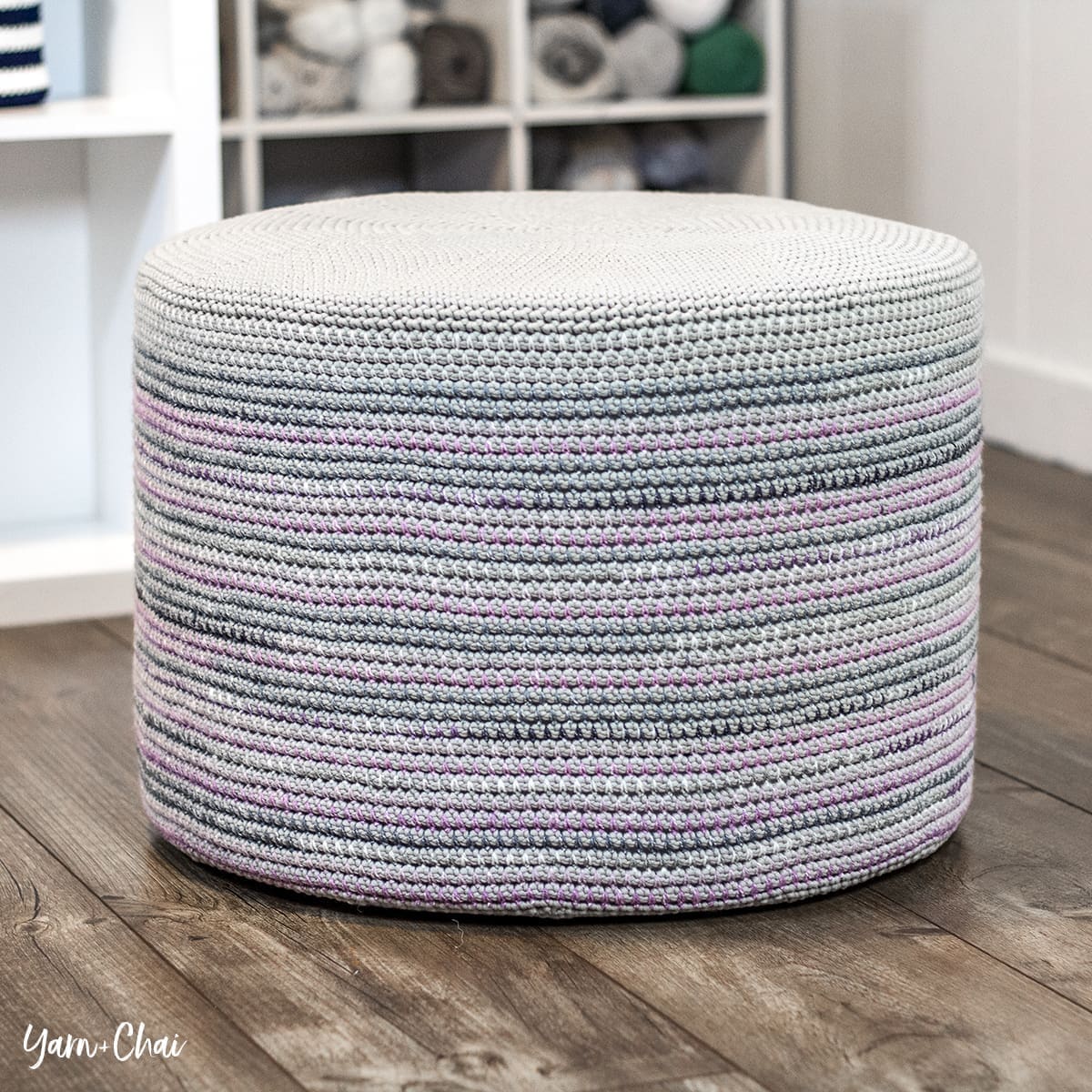
Credit: yarnandchai.com
Filling Techniques
Filling techniques make all the difference in how your pouf looks and feels. The right approach ensures comfort, durability, and a neat appearance. Let’s dive into some smart ways to stuff your pouf effectively.
Stuffing Tips For Even Shape
Start by adding small amounts of filling at a time. This helps you control the shape and prevents lumps.
Use your hands to distribute the filling evenly inside. Don’t just dump it in one spot; spread it around to avoid awkward bulges.
Try mixing different types of filling like foam beads and shredded fabric to create a balanced texture. Have you noticed how some poufs feel too hard or too soft? The right mix can fix that.
Refilling And Adjusting
Over time, your pouf might lose its shape or firmness. Keep some extra filling handy for quick top-ups.
To adjust, unzip the cover and add or remove stuffing until you get the desired feel. It’s easier than replacing the whole filling.
Consider stuffing that’s easy to manipulate like polyester fiberfill. It fluffs up well and is simple to remove or add, making adjustments stress-free.
Sealing And Covering
Once you’re satisfied with the stuffing, seal the opening securely. A tight seal keeps the filling from escaping and maintains the pouf’s shape.
If your cover has a zipper, make sure it closes smoothly without catching on the filling. For sewn covers, double stitch the opening for extra strength.
Adding a protective inner liner can help keep the filling in place and prolong the life of your pouf. Have you tried using a washable liner? It makes cleaning much easier.
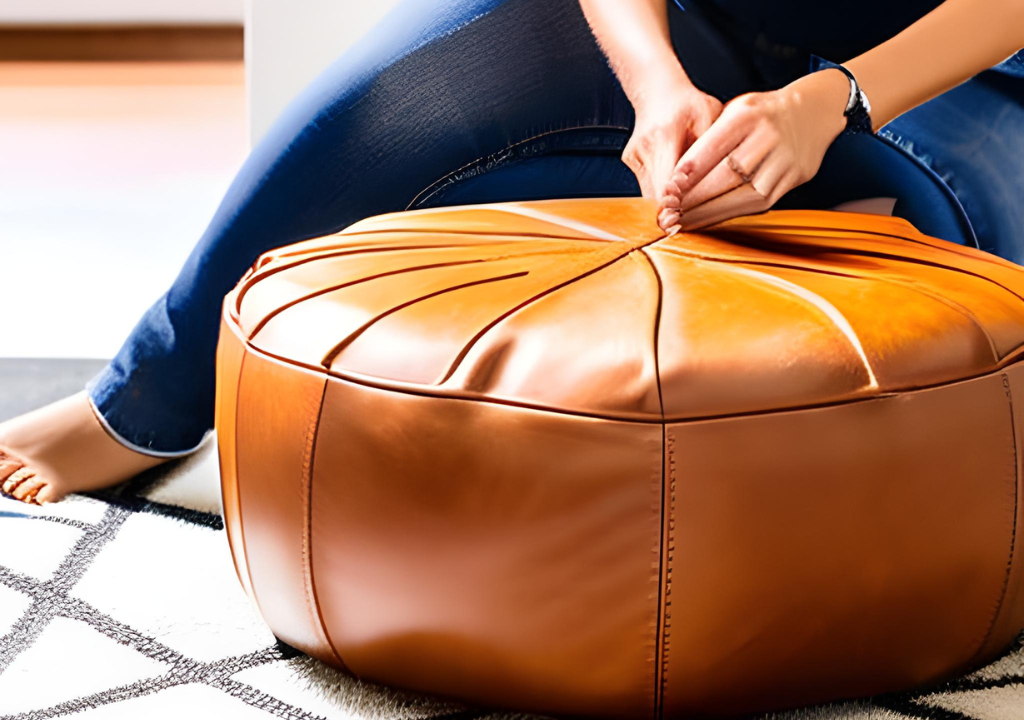
Credit: medium.com
Frequently Asked Questions
What Materials Are Best For Stuffing A Pouf?
The best materials for stuffing a pouf include polystyrene beads, shredded foam, and old clothes. These materials provide comfort and durability. Polystyrene beads offer lightweight support, while shredded foam adds softness. Old clothes are eco-friendly and cost-effective. Choose based on comfort and budget.
Can I Use Recycled Materials To Stuff A Pouf?
Yes, recycled materials like old clothes, fabric scraps, and foam pieces can stuff a pouf. They are eco-friendly and affordable options. Using recycled stuffing reduces waste and adds a unique texture. Ensure materials are clean and dry before stuffing to maintain hygiene.
How Much Stuffing Do I Need For A Pouf?
The amount of stuffing depends on the pouf’s size and desired firmness. Generally, 3 to 5 pounds of stuffing material suits standard poufs. Add stuffing gradually to achieve the perfect balance between softness and support. Overstuffing can make the pouf too firm.
Is Polystyrene Bead Stuffing Safe For Poufs?
Yes, polystyrene beads are safe for pouf stuffing. They are lightweight, hypoallergenic, and provide good support. However, avoid beads if you have small children who might ingest them. Always use high-quality beads to prevent leakage and maintain pouf shape.
Conclusion
Choosing the right stuffing makes your pouf comfy and durable. Foam beads work well for softness and shape. Old clothes or fabric scraps offer a cheap, eco-friendly option. Polyester fiberfill gives a fluffy, lightweight feel. Consider what fits your budget and comfort needs best.
Remember, a well-stuffed pouf lasts longer and feels better. Try different fillers to see what you like most. Enjoy creating a cozy spot in your home!



