
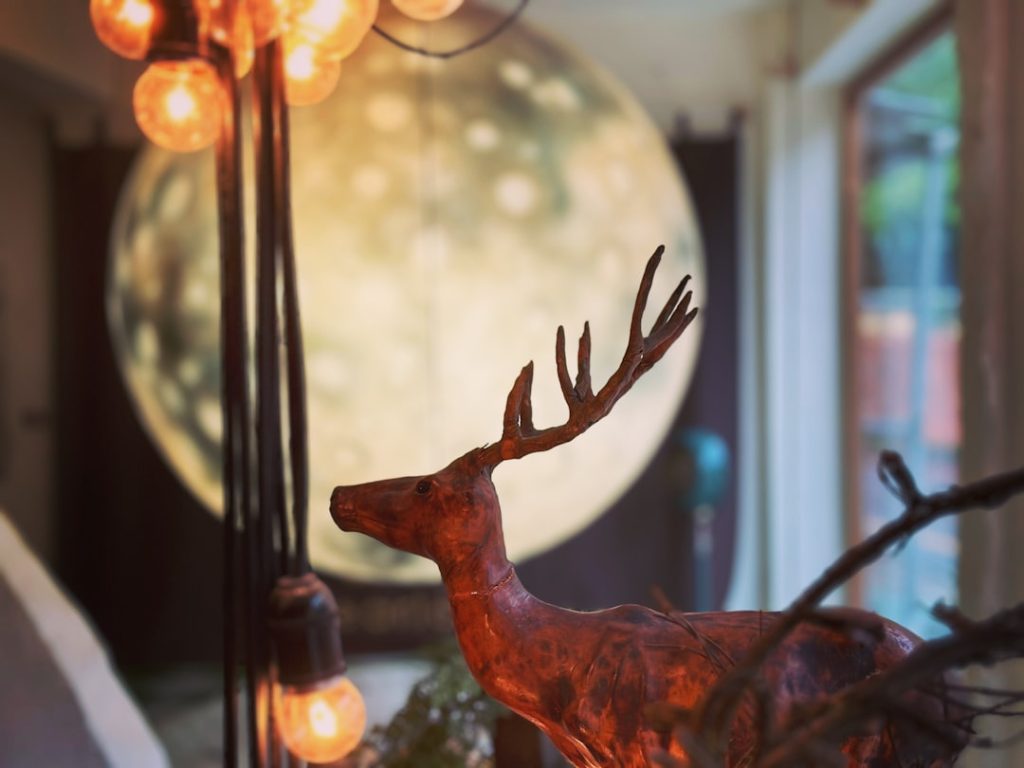
Have you ever wanted to add a touch of rustic charm and natural beauty to your home? A deer antler chandelier can do just that, creating a warm and inviting atmosphere that stands out.
Making one yourself might sound tricky, but with the right steps, you can craft a stunning centerpiece that reflects your style. In this guide, you’ll discover easy-to-follow tips and tricks to turn simple materials into a unique chandelier that will impress everyone who sees it.
Ready to transform your space and showcase your creativity? Let’s get started!

Credit: logfurnitureandmore.ca
Choosing The Right Antlers
Choosing the right antlers is a crucial first step in making a deer antler chandelier that stands out. The antlers you pick will shape the overall style, balance, and durability of your chandelier. Think about the size, shape, and natural character of the antlers to match your space and design vision.
Types Of Deer Antlers
Deer antlers come in many shapes and sizes, each offering a unique look for your chandelier. Mule deer antlers tend to have forked branches, giving a more rugged appearance. Whitetail antlers are usually smoother and more curved, perfect for a classic or elegant style.
Elk antlers are larger and more robust, making them ideal if you want a bold centerpiece. You might even consider sheds from different species to mix textures and create a one-of-a-kind design. What kind of vibe do you want your chandelier to give off—rustic, modern, or something in between?
Where To Source Antlers
Finding quality antlers can be easier than you think. You can check local hunting shops or outdoor stores, which often carry shed antlers. Online marketplaces offer a wide variety, but always check the seller’s reputation to avoid low-quality or fake antlers.
Another option is to visit wildlife reserves or parks where antlers naturally shed each year—just make sure to get permission first. Some craft stores also stock smaller antlers or antler pieces, perfect for compact chandelier designs. Have you considered reaching out to local hunters? They often have sheds they’re happy to sell or trade.
Cleaning And Preparing Antlers
Before assembling your chandelier, clean the antlers thoroughly to remove dirt and odors. Soak them in a mixture of water and mild soap, then scrub gently with a soft brush. Avoid harsh chemicals that can damage the bone material.
After cleaning, let the antlers dry completely in a well-ventilated area. You might want to sand rough edges lightly for safety and aesthetics. Finally, apply a clear sealant to protect the antlers and enhance their natural color—this step can make a big difference in the finished look.

Credit: logfurnitureandmore.ca
Gathering Materials And Tools
Before you start crafting your deer antler chandelier, gathering the right materials and tools is key to a smooth and enjoyable project. Having everything on hand saves time and helps you focus on assembling your unique lighting piece. Let’s break down the essentials you’ll need to bring your vision to life.
Lighting Components
Choosing the correct lighting parts affects both the look and safety of your chandelier. You’ll need a sturdy light fixture base that can hold the weight of the antlers and wiring. Consider using LED bulbs—they stay cool and last longer, reducing fire risk and maintenance.
Don’t forget sockets and a compatible cord set with a reliable switch. Adding a dimmer can give you control over the ambiance. Have you thought about whether you want single or multiple light sources? This choice shapes the chandelier’s brightness and style.
Mounting Hardware
Mounting hardware is what keeps your chandelier secure on the ceiling. Heavy-duty hooks, ceiling plates, and chains are common choices. These pieces must support the weight of the antlers safely without wobbling or damage.
Use anchors suited for your ceiling type—drywall, plaster, or wood. It’s easy to overlook this detail, but selecting the right hardware prevents accidents. What type of ceiling do you have? Knowing this helps you pick the proper mounting tools.
Essential Tools Checklist
- Drill and Drill Bits:For making holes in antlers or ceiling anchors.
- Screwdrivers:Both flathead and Phillips for assembling parts.
- Wire Strippers:To prepare electrical wires safely.
- Measuring Tape:Ensures precise placement and symmetry.
- Safety Gear:Gloves and goggles protect your hands and eyes during drilling.
- Hot Glue Gun or Epoxy:For attaching lightweight parts or reinforcing joints.
Having these tools ready before you begin keeps your workflow steady and stress-free. Missing just one can stall your progress and increase frustration. Which tools do you already have at home? Gathering what’s missing is a smart first step.
Designing Your Chandelier
Designing your deer antler chandelier sets the foundation for a stunning piece. Thoughtful planning ensures the final product looks balanced and fits your space. Focus on layout, size, and style to create a cohesive design.
Sketching The Layout
Start by drawing a rough sketch of your chandelier. Place antlers where they create natural curves and flow. Use circles to mark where lights will go. This helps visualize the final shape and avoid clutter.
Consider symmetry for a classic look or asymmetry for a rustic feel. Sketching helps plan attachment points and wiring paths. Keep the design simple to maintain elegance.
Balancing Size And Weight
Choose antlers that fit your room size. Large chandeliers suit big spaces, while smaller ones fit cozy rooms. Balance is key to avoid a heavy, unsafe fixture.
Distribute weight evenly across the frame. Use lightweight materials for the base. Secure all parts tightly to prevent wobbling. A balanced chandelier hangs straight and looks polished.
Incorporating Rustic Elements
Rustic details enhance the natural charm of your chandelier. Add wood accents, leather straps, or metal chains for texture. These elements blend well with antlers and create warmth.
Use soft, warm bulbs to highlight the organic materials. Natural finishes like matte or distressed wood keep the rustic vibe authentic. Small touches make a big difference in style.
Assembling The Frame
Begin by arranging the antlers to form a balanced circle or shape. Secure each piece firmly using screws or strong glue. Ensure the frame feels sturdy before moving on.
Assembling the frame of a deer antler chandelier requires precision and creativity. This process forms the backbone of your unique lighting fixture. It involves building a sturdy base, securely attaching antlers, and ensuring the overall stability. Let’s delve into each step for clarity and ease.Building The Base Structure
Start with a strong base to support the antlers. Use durable materials like wood or metal. Make sure the base is balanced to hold multiple antlers. A circular or rectangular shape works best. This will provide ample space for attaching antlers.Attaching The Antlers Securely
Position each antler carefully on the base. Use screws or strong adhesive for a firm hold. Drill holes in the base for screws if needed. Align antlers in a pleasing pattern. Ensure they are evenly spaced for balance. Double-check each attachment for security.Ensuring Stability
Stability is key to a lasting chandelier. Check the weight distribution across the frame. Reinforce joints with additional support where necessary. Test the chandelier’s balance by gently moving it. Ensure it remains steady and secure. Adjust any loose components promptly. Safety should be your top priority in this step.Installing Electrical Wiring
Installing electrical wiring is a key part of making a deer antler chandelier. Proper wiring ensures your chandelier lights work safely and shine brightly. This process needs careful attention to detail and safety. Follow the steps below to wire your chandelier correctly and avoid common problems.
Safety Precautions
Turn off power at the main circuit before starting any wiring. Use insulated tools to avoid electric shocks. Wear safety goggles and gloves for protection. Check all wires for damage before use. Do not work alone; have someone nearby for help. Follow local electrical codes to meet safety standards. If unsure, consult a professional electrician to avoid hazards.
Wiring Tips For Beginners
Use a wiring diagram to guide your connections. Match wire colors: black or red for live, white for neutral, and green or bare for ground. Strip about half an inch of insulation from each wire end. Use wire nuts to connect wires securely. Wrap connections with electrical tape for extra safety. Keep wires neat and organized to avoid tangling. Test each connection with a voltage tester before final assembly.
Testing The Lighting
Restore power and switch on the circuit. Use a tester to check voltage at the light sockets. Ensure all bulbs light up evenly without flickering. If lights don’t work, double-check all wire connections. Look for loose wires or incorrect wiring. Turn off power before fixing any issues. Confirm the chandelier is stable and secure before hanging it fully.
Finishing Touches
Finishing touches bring your deer antler chandelier to life. This stage transforms a simple structure into a centerpiece full of character and charm. Paying attention to details here ensures your chandelier looks polished and lasts for years.
Adding Decorative Accents
Think about what style you want to highlight. You can add rustic leather strips, small pinecones, or even vintage metal pieces to enhance the natural look of the antlers. These accents don’t just decorate—they tell a story about your space and taste.
Be careful not to overcrowd the design. Sometimes, less is more. Adding subtle touches, like a few feathers or soft fairy lights, can create a warm and inviting glow without overwhelming the structure.
Applying Protective Coating
Protecting your chandelier is crucial, especially if it’s made from natural materials like antlers. Use a clear polyurethane or a matte varnish to shield the surface from dust, moisture, and wear. This step keeps the wood looking fresh and prevents cracking over time.
Apply the coating evenly with a soft brush, and let it dry completely before moving on. Multiple thin layers work better than one thick coat and prevent drips or uneven texture. Have you ever skipped this and regretted it when dust settled deep into the wood?
Hanging The Chandelier
Safety is key when hanging your chandelier. Choose a sturdy ceiling hook or a strong chain that can support the weight comfortably. Make sure the mounting point is secure—checking the ceiling joist is essential.
Measure the hanging height carefully. You want it to be high enough to avoid bumping heads but low enough to create a cozy atmosphere. Step back and observe from different angles before finalizing the position. How will your guests react when they first see it hanging?
Maintaining Your Antler Chandelier
Maintaining your deer antler chandelier keeps it beautiful and sturdy for years. Regular care prevents dust buildup and damage. It also preserves the natural charm of the antlers. Simple steps ensure your chandelier stays a stunning centerpiece.
Cleaning Tips
Use a soft cloth or feather duster to remove dust gently. Avoid harsh cleaners that can damage the antlers’ surface. Mild soap with water works well for sticky spots. Dry the antlers thoroughly after cleaning to prevent moisture damage. Clean bulbs carefully to keep the light bright.
Repairing Damages
Check the chandelier regularly for cracks or loose parts. Use wood glue or epoxy to fix small cracks on antlers. Tighten any loose screws or bolts to secure the structure. Replace broken light sockets or wiring for safety. Call a professional for large repairs to avoid further damage.
Long-term Care
Keep the chandelier away from direct sunlight to avoid fading. Maintain stable room humidity to prevent antlers from drying out or cracking. Inspect the fixture twice a year for wear and tear. Apply a light coat of mineral oil to keep antlers shiny. Store it carefully during renovations or moves to avoid damage.

Credit: logfurnitureandmore.ca
Frequently Asked Questions
What Materials Are Needed For A Deer Antler Chandelier?
You will need real or faux deer antlers, a chandelier frame, light sockets, wiring, and mounting hardware. Optional tools include a drill, glue, and paint for customization.
How Do You Safely Wire A Deer Antler Chandelier?
Turn off power before wiring. Connect wires following electrical codes. Use insulated connectors and test connections before mounting the chandelier.
Can I Use Faux Antlers Instead Of Real Ones?
Yes, faux antlers are a lightweight, ethical alternative. They offer similar aesthetics and are easier to work with for DIY projects.
How Do I Clean And Maintain A Deer Antler Chandelier?
Dust regularly with a soft cloth. Avoid harsh chemicals. Use a gentle cleaner or mild soap solution if needed for deeper cleaning.
Conclusion
Making a deer antler chandelier adds charm to any room. It brings a rustic, natural feel to your space. You only need a few tools and some patience. Each step is simple and fun to follow. Your chandelier will be unique and a great conversation piece.
Enjoy the process and the final result. Try this project to brighten your home with style.



