

Choosing the perfect chandelier for your dining room table isn’t just about style—it’s about creating the right balance in your space. You want a fixture that lights up your meals and conversations without overwhelming the room or looking too small.
But how do you find that ideal size? If you’ve ever stared at a chandelier and wondered, “Is this too big or too small for my table? ” you’re not alone. This guide will help you discover exactly what size chandelier fits your dining room table, making your space look stunning and feel just right.
Keep reading to get the answers you need to brighten your dining experience perfectly.
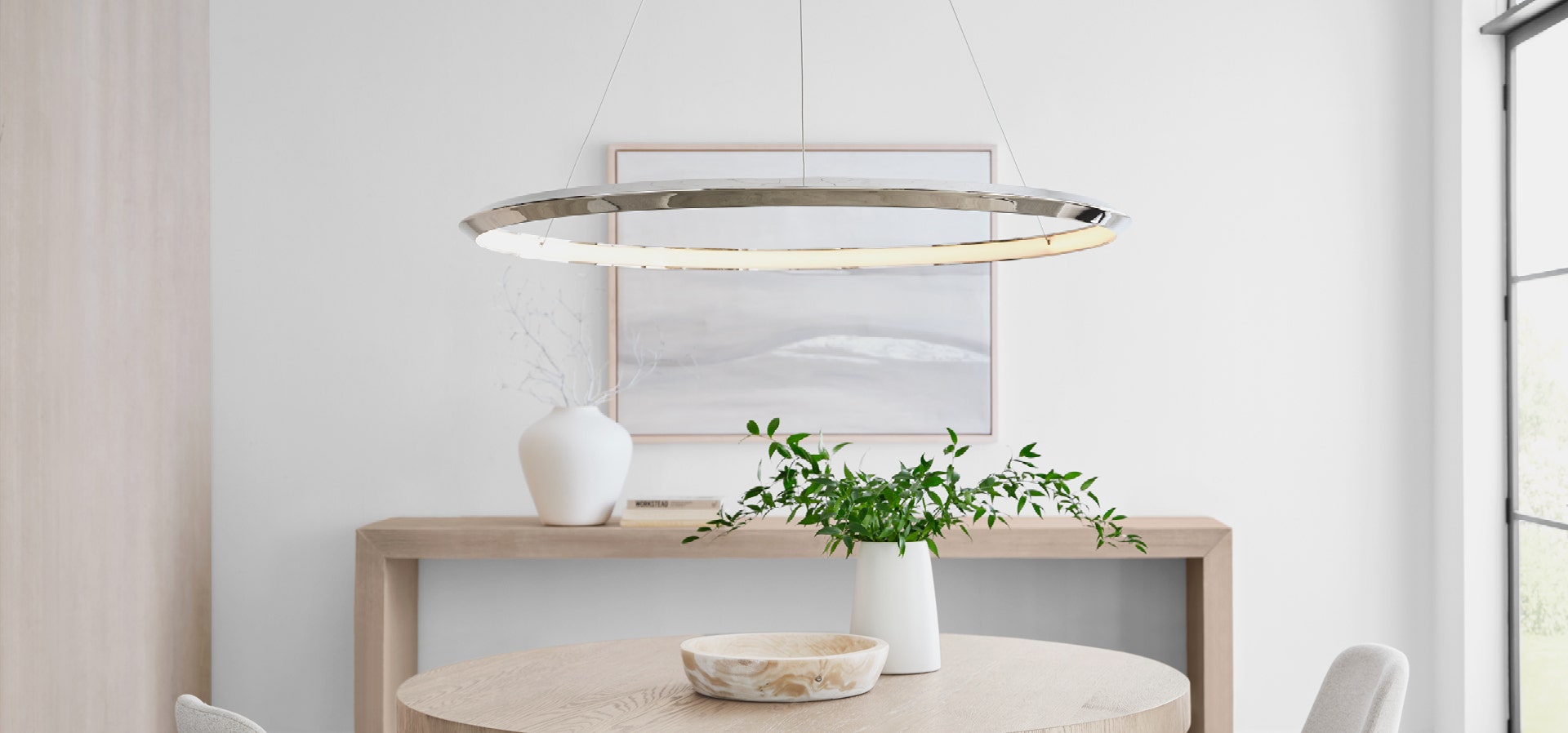
Credit: www.visualcomfort.com
Choosing Chandelier Size
Choosing the right chandelier size for your dining room table is more than just picking what looks good. It affects the room’s balance and how light fills the space. Getting the size right helps create a cozy and inviting atmosphere where everyone feels comfortable.
Measuring Dining Table Dimensions
Start by measuring your dining table’s length and width accurately. Use a tape measure to get exact numbers, as even small mistakes can lead to a chandelier that feels too big or too small.
Write down these dimensions because you’ll need them to calculate the ideal chandelier size. Remember, the chandelier should complement your table, not overpower it.
Calculating Ideal Chandelier Diameter
A simple way to find the perfect diameter is to add the length and width of your table (in inches), then convert that total into inches for your chandelier size.
- If your table is 60 inches long and 36 inches wide, add 60 + 36 = 96.
- Your chandelier diameter should be about 24 inches (96 divided by 4).
This calculation keeps the chandelier proportional and well-balanced above the table. It’s a quick and reliable formula that avoids guesswork.
Adjusting For Room Size
Think about your dining room’s overall size. A large chandelier might look great over a small table in a huge room, but it can feel overwhelming in a compact space.
Measure your room’s width and length, then add those numbers (in feet). Convert that sum into inches to find a maximum chandelier diameter that fits your space.
Also, consider ceiling height. A chandelier hanging too low can block views and feel cramped. Aim for 30 to 36 inches of clearance between the table and the bottom of the chandelier.
Height Placement Tips
Choosing the right height for your chandelier is key to creating a balanced dining space. Proper height ensures clear sightlines and effective lighting. It also enhances the room’s overall look. Below are tips to help you place your chandelier perfectly above your dining table.
Optimal Hanging Height Above Table
Hang the chandelier about 30 to 36 inches above the dining table surface. This height allows enough space for people to see each other. It prevents the light from shining directly in eyes. For taller tables, increase the height slightly. For shorter tables, lower it a bit but keep it safe.
Considering Ceiling Height
Higher ceilings need chandeliers to hang a bit higher. Aim to keep at least 7 feet of clearance from the floor. For ceilings over 9 feet, add 3 inches for every extra foot of height. This adjustment keeps the chandelier in proportion with the room size. It also avoids a crowded or too-low look.
Balancing Light And Space
Make sure the chandelier size matches the table width. The fixture should be about half to two-thirds the table’s width. This balance helps spread light evenly. Avoid fixtures that are too big or too small. Use dimmable bulbs to adjust brightness for meals and moods. Proper balance creates a welcoming and cozy dining space.
Style And Scale Matching
Choosing the right chandelier involves style and scale matching. This ensures harmony with your dining room’s design. A well-chosen chandelier can enhance the room’s ambiance.
Matching Chandelier Style To Dining Room
Consider your dining room’s existing style. A modern chandelier complements sleek, contemporary spaces. Traditional rooms benefit from classic chandelier designs. Rustic spaces match well with chandeliers made of natural materials.
Proportionate Design Elements
Chandelier size should match the dining table’s dimensions. A large table requires a proportionately large chandelier. Ensure the chandelier’s diameter is about half to two-thirds the table’s width. Hang it 30 to 36 inches above the table for optimal effect.
Choosing Complementary Materials
Select chandelier materials that match your dining room’s decor. Metal finishes pair well with industrial themes. Crystal chandeliers add elegance to formal settings. Wood chandeliers suit a rustic or farmhouse style. Keep the room’s color palette in mind for a cohesive look.
Lighting And Ambiance
Lighting shapes the atmosphere of your dining room. The right chandelier size sets the tone for meals and gatherings. It balances style with function, creating a welcoming space for friends and family.
Choosing the proper lighting involves more than size. Brightness, bulb type, and layering affect how the room feels. A well-lit dining area invites comfort and conversation.
Brightness And Bulb Choices
Brightness impacts the room’s mood and usability. Use bulbs that offer soft white light for warmth. LED bulbs save energy and last longer. Check lumens to match your chandelier size and table area.
- Choose 2700K to 3000K color temperature for cozy light
- Match lumens to room size for balanced brightness
- Use LED bulbs for efficiency and longevity
Dimming Options For Mood
Dimmers control light levels easily. Adjust lighting to suit the time of day or event. Lower light creates intimate dinners. Higher light works for lively gatherings or tasks.
- Install compatible dimmable bulbs
- Use a wall dimmer switch for convenience
- Try smart bulbs for remote control and presets
Layering Light Sources
Combine different light sources for depth. A chandelier is the main focus but add others. Wall sconces, floor lamps, or candles enhance ambiance. Layered lighting reduces harsh shadows and adds warmth.
- Use accent lights to highlight artwork or décor
- Include task lighting for serving or reading
- Balance overhead light with softer side lighting
Installation And Safety
Installing a chandelier above a dining room table requires careful attention to safety. Proper installation ensures the fixture stays secure and functions well. It also protects your home and family from accidents. Understanding the weight of the chandelier and the mounting process is vital. Choosing between professional help and a DIY approach affects the installation quality and safety.
Weight Considerations
Chandeliers can be heavy. The weight impacts the type of support needed in the ceiling. Most ceilings have standard electrical boxes designed for light fixtures. These may not hold chandeliers over 15 pounds. Heavier fixtures require special support, like a brace or a fan-rated box. Always check the chandelier’s weight before buying. Match it with the ceiling’s strength to avoid damage or accidents.
Professional Vs Diy Installation
Installing a chandelier yourself saves money but carries risks. Mistakes can cause the fixture to fall or create electrical hazards. Professionals have experience and tools to handle heavy or complex chandeliers. They ensure wiring is safe and the fixture is steady. For large or costly chandeliers, hiring a professional is safer. For small, light fixtures, DIY may work if you follow all instructions carefully.
Ensuring Secure Mounting
Secure mounting means the chandelier stays fixed without wobbling. Use a strong mounting bracket that fits the fixture and ceiling box. Tighten all screws and bolts firmly. Double-check the electrical box is attached to a ceiling joist or a support brace. Use safety cables for extra security on heavy chandeliers. Test the fixture’s stability before finishing the installation. This prevents accidents and keeps your chandelier looking great.

Credit: www.risenlighting.com
Common Mistakes To Avoid
Choosing the right chandelier size for your dining room table can be tricky. Many people make avoidable mistakes that affect both the look and functionality of their space. Understanding these common pitfalls can help you create a balanced, well-lit dining area that feels just right.
Oversized Or Undersized Fixtures
Picking a chandelier that’s too big can overwhelm your dining area, making the room feel cramped and cluttered. On the other hand, a fixture that’s too small might get lost, leaving your table underlit and your space feeling incomplete.
Think about your table’s dimensions carefully. If your table is 6 feet long, a chandelier around 24 to 30 inches wide usually fits well. Have you ever seen a tiny light fixture hanging over a large table? It looks awkward and out of place.
Ignoring Room Proportions
Your chandelier should complement the size of the entire room, not just the table. A large fixture in a small room can dominate the space, while a small fixture in a large room might look insignificant.
Measure your room’s dimensions and ceiling height before choosing a chandelier. Ask yourself: Does the fixture feel balanced within the room’s space? Neglecting this can disrupt the flow and harmony of your dining area.
Neglecting Light Distribution
Good lighting isn’t just about brightness; it’s also about how the light spreads across the table and room. A chandelier that focuses light in a tight spot can leave edges in shadow and create an uneven look.
Consider chandeliers with multiple bulbs or designs that diffuse light well. Have you noticed how some dining rooms have harsh shadows? That’s often because the light source wasn’t chosen with distribution in mind.

Credit: www.risenlighting.com
Frequently Asked Questions
What Size Chandelier Fits A 6-foot Dining Table?
A chandelier around 24 to 30 inches wide suits a 6-foot table. This size balances the room’s proportions and provides ample lighting. Ensure the fixture hangs 30 to 36 inches above the table for optimal illumination and style.
How To Measure Chandelier Size For Dining Tables?
Add the room’s length and width in feet. Convert that sum to inches to find the chandelier width. For example, a 12×14-foot room sums to 26 feet, so a 26-inch wide chandelier is ideal for balance and visual appeal.
How High Should A Chandelier Hang Above The Table?
Hang the chandelier 30 to 36 inches above the dining table surface. This height provides enough light without obstructing views. Adjust height if your ceiling is higher than 8 feet, increasing by 3 inches per additional foot.
Can A Chandelier Be Too Big For A Dining Table?
Yes, an oversized chandelier can overwhelm the table and room. It may block sightlines and feel disproportionate. Choose a size that complements the table and room dimensions for a balanced, inviting ambiance.
Conclusion
Choosing the right chandelier size brightens your dining space well. It balances the room and fits your table perfectly. Too big or too small distracts from your decor. Measure your table and ceiling height first. Keep the chandelier about two-thirds the table’s width.
This creates a cozy, inviting atmosphere for meals. Light should shine without glare or shadows. The right size brings style and comfort together. Your dining area feels complete and welcoming. Simple steps make a big difference in your home.



