
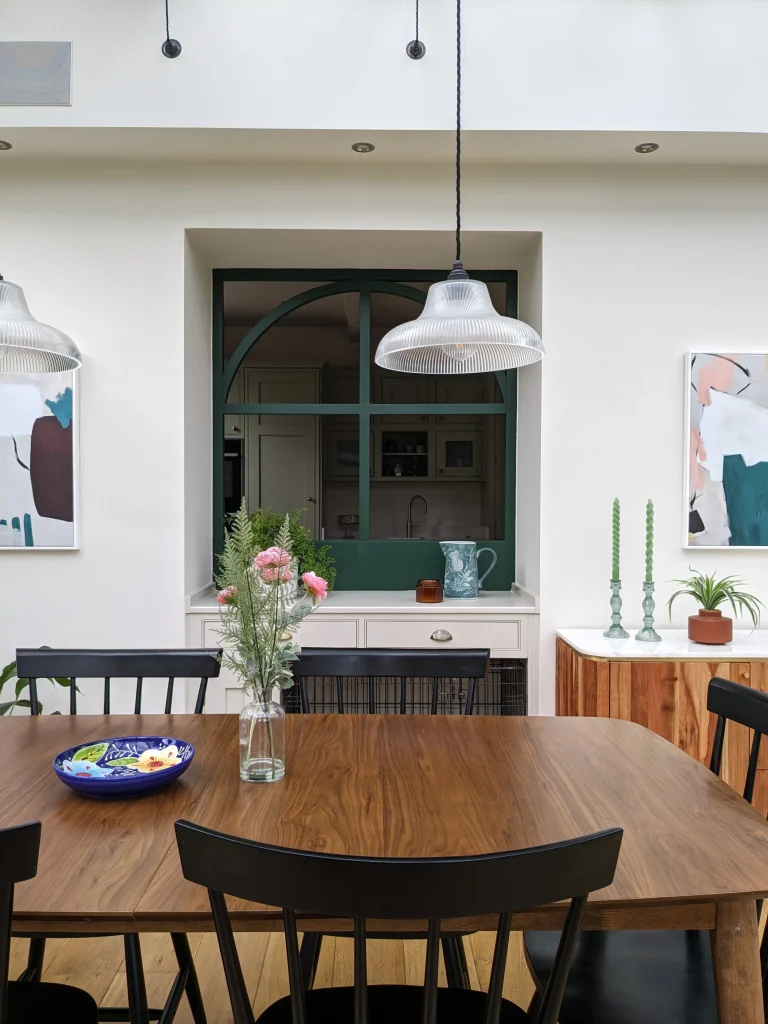
When it comes to lighting your space, the placement of pendant lights can make all the difference. You might wonder, how far apart should pendant lights be to create the perfect balance of style and function?
Getting this right can transform your room, making it feel inviting and well-lit without harsh shadows or overcrowding. You’ll discover simple guidelines that help you space your pendant lights perfectly—so your home looks stunning and feels just right. Keep reading to find out how a small change in distance can brighten your entire space.
Choosing Pendant Light Size
Choosing the right pendant light size is important for both style and function. The size affects the room’s balance and how well the space is lit. A pendant that is too large or too small can look awkward and may not provide the right amount of light. Consider the room’s size, ceiling height, and the area the light will cover. Proper sizing helps create a cozy and inviting atmosphere.
Matching Pendant Size To Room
Match the pendant size to the room’s dimensions. Large rooms need bigger or multiple pendants to fill the space. Small rooms work best with smaller fixtures that don’t overwhelm. Use this simple formula:
- Add the room’s length and width in feet.
- Convert that number to inches.
- The total is the ideal diameter of your pendant light.
For example, a room 10 feet by 12 feet equals 22 feet, so a 22-inch pendant fits well. This keeps the pendant in scale with the room size.
Balancing Light Fixtures
Balance multiple pendants by spacing them evenly and using similar sizes. Avoid placing large pendants too close. Keep about 24 to 30 inches between fixtures for good light spread. If pendants differ in size, place the largest one in the center.
Consider the height too. Hang pendants 28 to 34 inches above tables or counters. This height prevents glare and keeps the room open. Balanced fixtures create harmony and improve the overall look.
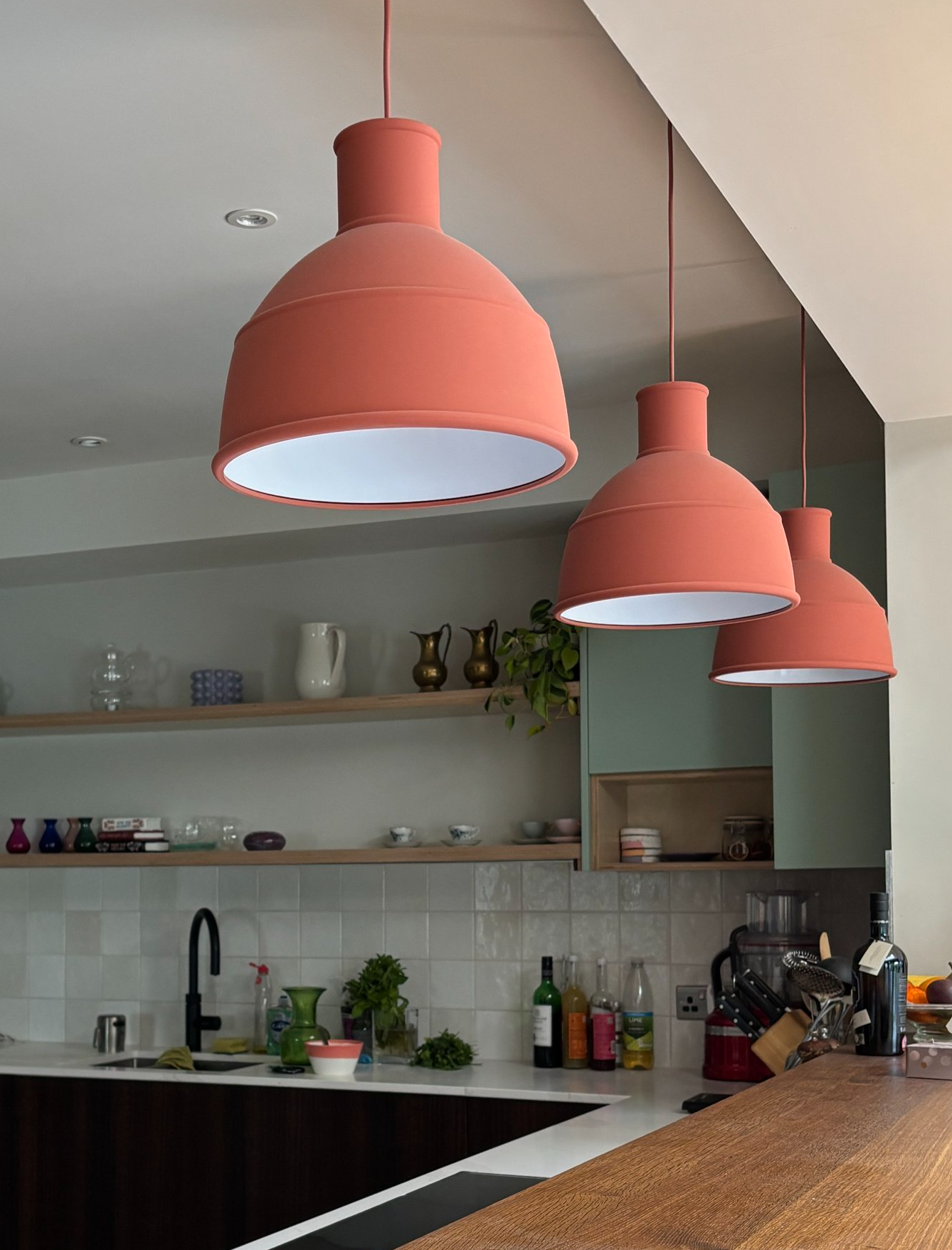
Credit: www.nospacelikehome.uk
Determining Optimal Height
Choosing the right height for pendant lights affects both style and function. The height influences how the light spreads and how the space feels. It also impacts safety and comfort, especially in busy areas like kitchens or dining rooms. Understanding key factors helps set the perfect height for your pendant lighting.
Ceiling Height Considerations
Ceiling height plays a major role in pendant light placement. For ceilings 8 feet high, hang pendants about 30 to 34 inches above surfaces like tables. Higher ceilings need pendants hung slightly higher to keep balance.
For ceilings over 9 feet, add 3 inches of hanging height for every extra foot. This keeps lighting proportional and prevents fixtures from looking too low or too high.
Low ceilings require shorter drops to avoid crowding the space. The goal is to keep pendant lights at eye level or just above.
Task Vs Ambient Lighting
Different lighting needs affect pendant height choices. Task lighting focuses on specific areas like kitchen islands or desks. Pendants here should be lower, around 28 to 34 inches above the surface, to provide clear, direct light.
Ambient lighting creates general room brightness. Pendants for ambient light hang higher to spread light evenly without glare. The height can range from 36 to 42 inches or more depending on room size.
Consider what the pendant lights are for. Use multiple pendants at varying heights for layered lighting and better room balance.
Spacing Between Multiple Pendants
Pendant lights add elegance and functionality to any space. Their spacing is crucial for both aesthetics and efficiency. Proper placement ensures they illuminate the area effectively without overcrowding. Let’s explore the ideal spacing for multiple pendant lights.
Standard Distance Guidelines
The typical distance between pendant lights is 24 to 30 inches. This range allows each light to shine without overlapping too much. It also provides a balanced look across the room. Ensure the lights are evenly spaced for harmony and symmetry.
Adjusting For Counter Or Table Width
Consider the width of your counter or table. Wider surfaces may need more space between pendants. Narrow tables might require less distance. Measure your surface to determine the best spacing. This ensures even light distribution and visual appeal.
Spacing In Different Rooms
Spacing pendant lights properly depends a lot on the room you’re lighting. Each space has its own needs based on size, function, and furniture layout. Getting the distance right not only enhances the room’s look but also improves how well you see and use the space.
Kitchen Islands
In kitchens, pendant lights often hang over islands where you prep and eat. You want enough light without clutter or shadows.
A good rule is to space pendants about 24 to 30 inches apart. This distance prevents the lights from crowding each other while covering the whole island evenly.
Think about the island’s length too—longer islands may need three or more pendants spaced evenly. Have you measured your island’s length? That can guide how many lights you’ll need.
Dining Areas
Dining rooms call for a balance between ambiance and brightness. Too close, and the pendants feel overwhelming; too far, and the light looks disconnected.
Generally, space pendant lights 28 to 34 inches apart over the dining table. This range creates a cozy glow without harsh shadows.
Consider the table’s width as well. A wider table might need wider spacing or an additional light to cover the area properly. Have you noticed how some dining rooms feel too bright or too dark? Adjusting pendant spacing could fix that.
Living Rooms
Living rooms are tricky since pendant lights aren’t always the main source of light. They often act as accents over seating or side tables.
Here, spacing depends on the furniture arrangement but usually ranges from 30 to 36 inches apart. This gives enough separation to highlight different areas without clutter.
If your living room is large, think about grouping pendants in clusters rather than spreading them evenly. It can create focal points and add depth. Have you tried arranging lights this way in your space?
Lighting Effects And Ambiance
Lighting effects and ambiance play a big role in how pendant lights transform your space. The distance between each pendant affects not only the brightness but also the mood you create. Striking the right balance can turn a room from dull to inviting, or from chaotic to calm.
Creating Focused Light Zones
Spacing pendant lights properly helps you carve out specific zones of light. For example, placing lights closer together over a kitchen island concentrates illumination where you need it most. This focused lighting makes tasks easier and adds a layer of style.
Think about how you use the area. Are you cooking, reading, or entertaining? Adjust the distance so each pendant casts light where it matters without overlapping too much. You want distinct pools of light, not a single bright blob.
Avoiding Shadows And Glare
Poorly spaced pendant lights can create harsh shadows or uncomfortable glare. If pendants hang too far apart, shadows deepen in between, making the space feel uneven and less inviting. Too close, and the lights may compete, causing glare that strains your eyes.
Try to position pendants so their light overlaps just enough to minimize shadows but not so much that brightness becomes overwhelming. Angle and height also matter—experiment with these to reduce glare and soften shadows. Your eyes will thank you for it.
.png?w=1312&h=736)
Credit: www.homdiyhardware.com
Installation Tips
Installing pendant lights at the right distance not only enhances your space but also ensures safety and functionality. Paying close attention to installation details can save you time and avoid costly mistakes. Let’s break down essential tips to help you set up your pendant lights perfectly.
Measuring And Marking
Start by measuring the total length of the area where you want to hang your pendant lights. Divide this space evenly based on how many lights you plan to install. Mark each spot clearly on the ceiling with a pencil to guide your placement.
Consider the height of your ceiling and the size of the pendants when deciding the distance between each light. If your pendants are larger, you might want to space them further apart to avoid overcrowding. Don’t forget to check the light’s drop length to ensure it won’t interfere with daily activities.
Wiring And Safety
Before handling any wiring, turn off the power at the breaker to avoid accidents. Check that your electrical box can support the weight of the pendant lights. If you’re unsure about the wiring, it’s wise to consult a professional electrician.
Use wire connectors and electrical tape to secure your connections firmly. Double-check that all wires are connected properly—live wires to live, neutral to neutral, and ground to ground. Safety is key, so don’t rush this part.
Common Spacing Mistakes
Getting the spacing right for pendant lights can make or break the look of your room. Many people either crowd their pendants too close or space them too far apart, which affects both the style and function of the lighting. Avoiding these common spacing mistakes ensures your space feels balanced and well-lit.
Too Close Or Too Far Apart
Pendant lights placed too close together can create a cluttered, overwhelming effect. Instead of highlighting the area, they compete for attention and cast uneven shadows. On the other hand, spacing pendants too far apart can leave dark spots and reduce the overall impact of the lighting.
Think about a kitchen island. If your pendants hang just inches apart, they might block each other’s light and look cramped. But if they’re spaced too widely, parts of the island won’t get enough light, making meal prep harder. A good rule of thumb is to space pendant lights about 24 to 30 inches apart, but always adjust based on the fixture size and room layout.
Ignoring Room Proportions
Room size and shape play a huge role in pendant light spacing. Small rooms need fewer, well-spaced pendants to avoid overwhelming the space. Large rooms, however, require more fixtures or wider spacing to ensure even light distribution.
I once saw a large dining room with tiny pendants spaced like they were in a small kitchen. The result? The room felt oddly empty and poorly lit. Don’t let your pendant lights fight the room’s proportions. Instead, measure your space carefully and choose spacing that complements the room’s dimensions and ceiling height.
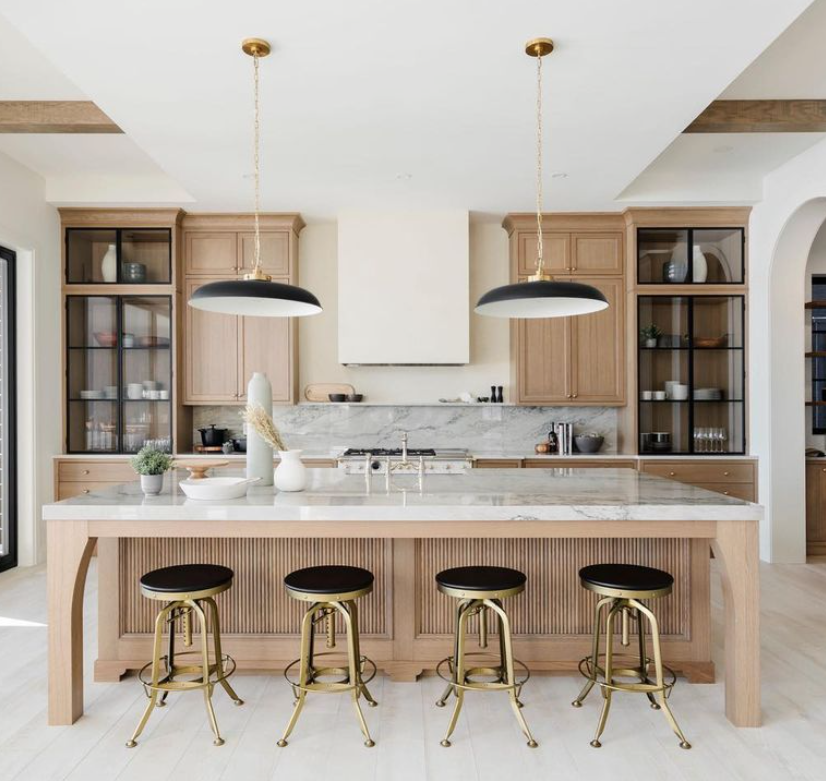
Credit: gatheraus.com
Frequently Asked Questions
How Far Apart Should Pendant Lights Be Hung?
Pendant lights should be spaced 24 to 30 inches apart for balanced lighting. This distance prevents overcrowding and ensures even illumination. Adjust spacing based on fixture size and room dimensions for optimal aesthetic and function.
What Is The Ideal Height For Hanging Pendant Lights?
Pendant lights should hang 28 to 34 inches above surfaces like kitchen islands or dining tables. This height provides clear visibility and avoids glare. For open spaces, adjust height to maintain proportional room design and lighting needs.
How To Space Multiple Pendant Lights Over A Kitchen Island?
Space multiple pendants evenly, about 24 to 30 inches apart, centered over the island. Maintain 28 to 34 inches height from the countertop for effective lighting. This setup enhances functionality and complements the kitchen’s style.
Can Pendant Light Spacing Vary By Room Size?
Yes, larger rooms may require wider spacing of 30 to 36 inches between pendants. Smaller rooms benefit from 24 to 30 inches spacing. Always consider room scale, ceiling height, and fixture size when spacing pendant lights.
Conclusion
Choosing the right distance between pendant lights changes a room’s feel. Space them evenly to spread light well and avoid shadows. Keep enough gap so each light shines clearly and looks balanced. Measure your area before hanging to fit your space best.
Small rooms need closer lights, large rooms need wider spacing. Proper placement helps your room look neat and bright. Remember, simple steps make your lighting work perfectly. Try different distances to see what suits your style and needs. Good lighting makes a big difference in any space.



