
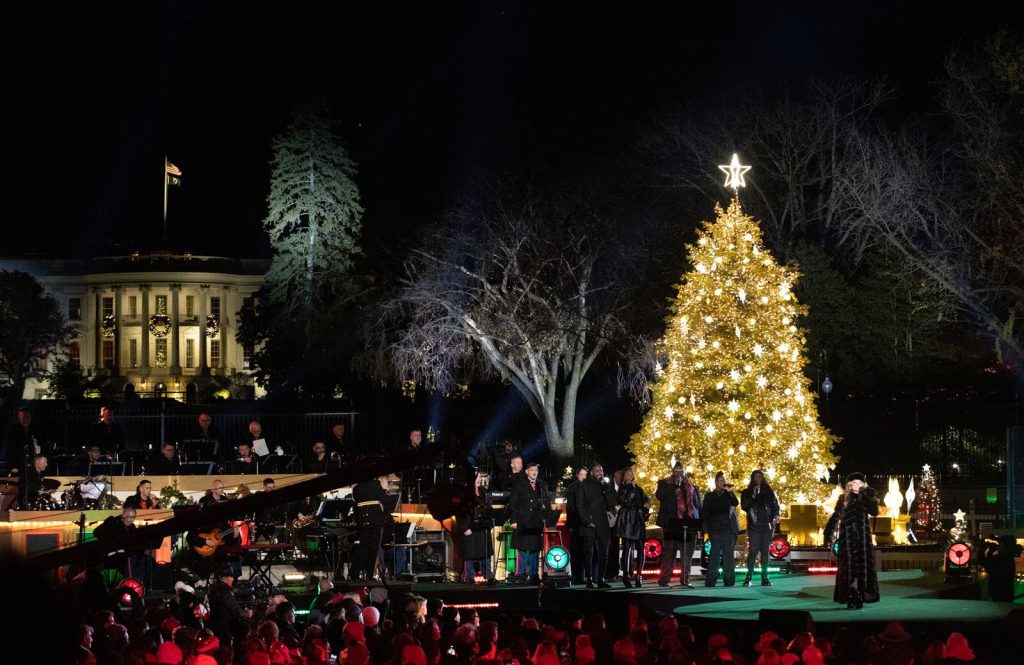
Have you ever wondered when Christmas lights first became a part of holiday celebrations? Every year, you see homes and streets glowing with colorful lights, filling the air with joy and warmth.
But how did this bright tradition start? Understanding the story behind Christmas lights can make your holiday decorations feel even more special. Keep reading to discover the surprising history and fascinating facts about when Christmas lights became a thing—and why they continue to shine so brightly in your celebrations today.
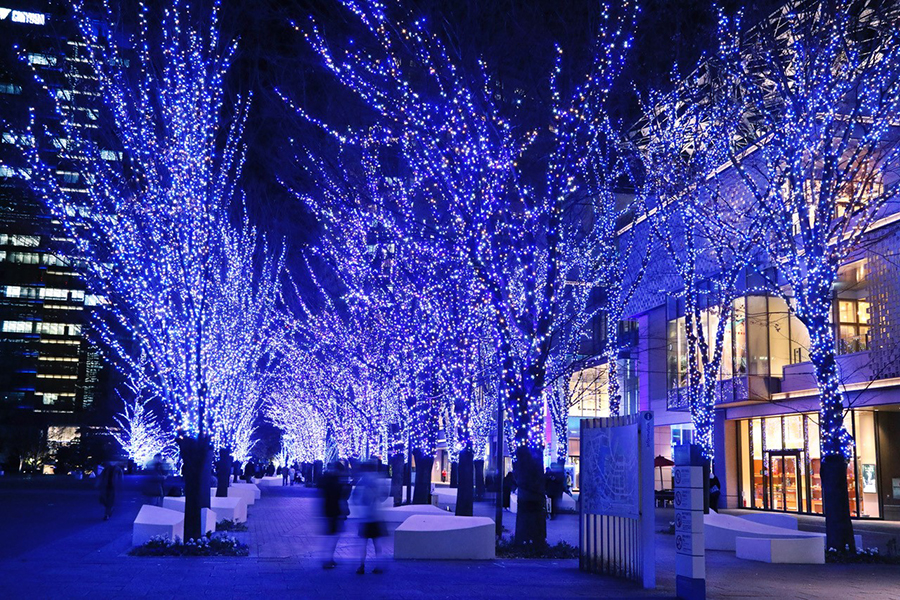
Credit: www.yokohamajapan.com
Early Holiday Lighting Traditions
Before the colorful electric lights became a staple of Christmas decor, people found other ways to bring light and warmth to their holiday celebrations. Early holiday lighting traditions were simple but deeply meaningful. They added a special glow that made the festive season feel magical, even in the darkest winter nights.
Candles On Christmas Trees
Imagine decorating a Christmas tree with real candles flickering on its branches. This was a common practice in the 17th and 18th centuries, especially in Germany. Families carefully placed small candles on tree branches to illuminate the ornaments and create a warm, inviting atmosphere.
The risk of fire was high, so people had to be very cautious. Often, children would sit nearby, fascinated by the gentle light. This tradition showed how important light was to the holiday spirit long before electricity changed everything.
Firelight And Festive Glow
Fireplaces played a big role in early holiday lighting. The crackling fire not only warmed the room but also cast a cozy glow that made gatherings feel special. People would hang stockings and decorations near the hearth, where the firelight highlighted every detail.
In some homes, lanterns and oil lamps were also used to brighten windows and doorways. This simple act invited neighbors and travelers to share in the Christmas cheer. Have you ever thought about how these old lighting methods made celebrations feel more personal and intimate?

Credit: www.housebeautiful.com
The Birth Of Electric Christmas Lights
The Birth of Electric Christmas Lights marked a major shift in holiday traditions. Before electric lights, people used candles to decorate Christmas trees, which was risky and limited. The introduction of electric lights made decorating safer and more creative, changing how we celebrate the season.
Edison’s Influence
Thomas Edison played a key role in the development of electric Christmas lights. His invention of the practical incandescent light bulb in 1879 laid the groundwork. Though Edison didn’t invent Christmas lights directly, his work inspired others to apply electric lighting to holiday decorations.
In fact, Edison’s lab even created some of the earliest Christmas light strings for display. Imagine how exciting it was to see a tree glowing with tiny electric bulbs instead of flickering candles. This innovation made holiday decorating safer and allowed for more vibrant displays.
First Public Displays
The first public displays of electric Christmas lights captured everyone’s imagination. In 1882, Edward H. Johnson, a close associate of Edison, hand-wired a string of 80 red, white, and blue electric bulbs around his Christmas tree. His display was the first of its kind and was shared with the public in New York City.
These early displays were expensive and rare, but they sparked curiosity and excitement. Do you think you would have stopped to admire a glowing tree back then? Public enthusiasm grew as more people saw the potential of electric lights, gradually turning them into a holiday staple.
Evolution Of Christmas Light Designs
The evolution of Christmas light designs reflects changing technology and tastes. From simple bulbs to intricate LEDs, the journey is fascinating. Each stage in this evolution tells a unique story. Let’s explore how these designs have transformed over the years.
From Bulbs To Leds
Early Christmas lights used large, energy-hungry bulbs. They were often hot to touch and not very safe. In the 1970s, mini lights became popular. These were smaller, safer, and more energy-efficient. The introduction of LED lights in the 1990s marked a major shift. LEDs are cool to the touch and use less electricity. They also last much longer than traditional bulbs.
Colors And Shapes Over Time
Originally, Christmas lights came in white or a single color. As technology improved, multicolored lights became available. Today, lights come in a rainbow of colors. They can even change color with a remote. The shapes of lights have also evolved. Early bulbs were simple and round. Now, lights come in various shapes like stars, snowflakes, and icicles. These changes allow for more creative and festive decorations.
Cultural Impact Of Christmas Lights
Christmas lights have grown beyond mere decoration; they shape how we experience the holiday season. Their glow brings communities together, sparks joy, and even influences art and media. When you think about your own neighborhood lit up in colors during December, you’re seeing a tradition that touches cultures worldwide and resonates deeply in popular culture.
Traditions Around The World
Different countries use Christmas lights in unique ways that reflect their culture. In the Philippines, you’ll find the “parol,” a star-shaped lantern lit up to symbolize hope and the Star of Bethlehem. Meanwhile, in Germany, people decorate their Christmas trees with tiny, flickering candles, a practice that inspired the modern electric lights we use today.
Have you ever wondered why some places emphasize outdoor displays while others focus indoors? In Australia, where Christmas falls in summer, lights often decorate outdoor spaces and beaches, creating a festive atmosphere despite the heat. This shows how Christmas lights adapt to local climates and customs, making the holiday feel personal to each community.
Lights In Popular Media
Christmas lights don’t just brighten homes—they light up screens and stories too. Movies like Home Aloneand Elfuse dazzling light displays to capture the magic and chaos of the holiday season. These scenes influence how you and millions of others imagine Christmas, tying the tradition of lighting to feelings of warmth and family.
Television and commercials often show neighborhoods competing with extravagant light shows, turning Christmas lights into symbols of celebration and even friendly rivalry. This portrayal encourages you to think beyond simple decorations and see lights as a way to express creativity and community spirit.
Modern Trends And Innovations
Christmas lights have evolved far beyond simple bulbs on a string. New technology and ideas have changed how people decorate for the holidays. Modern trends focus on convenience, energy savings, and creative displays. These innovations make holiday lighting easier and more exciting than ever.
Smart Lighting And Automation
Smart Christmas lights connect to Wi-Fi or Bluetooth. Users control them through smartphones or voice assistants. This allows easy changes to color, brightness, and patterns. Lights can sync with music or set timers for automatic on and off. Automation saves time and adds fun to holiday decorating.
Eco-friendly Options
Energy efficiency is a key focus in new Christmas lights. LED bulbs use less power and last longer than traditional bulbs. Solar-powered lights offer an alternative that reduces electricity use. Many lights now come with recyclable materials and low-toxicity components. Eco-friendly options help protect the planet during festive seasons.

Credit: midatlanticdaytrips.com
Frequently Asked Questions
When Did Christmas Lights First Appear?
Christmas lights first appeared in the late 19th century. In 1882, Edward H. Johnson, an associate of Thomas Edison, created the first string of electric Christmas lights. This innovation replaced traditional candles, making holiday decorations safer and more vibrant.
Who Invented Electric Christmas Lights?
Edward H. Johnson invented electric Christmas lights. He was a colleague of Thomas Edison and demonstrated the first string of electric lights in 1882. His invention revolutionized holiday decorating by introducing a safer, more colorful alternative to candles.
Why Did Christmas Lights Become Popular?
Christmas lights became popular due to safety and visual appeal. Electric lights were safer than candles, reducing fire risks. Their bright colors and convenience made holiday decorations more festive and accessible for many households.
How Did Christmas Lights Evolve Over Time?
Christmas lights evolved from simple bulbs to LED technology. Early lights used incandescent bulbs, which were fragile and energy-consuming. Modern LED lights are energy-efficient, durable, and available in various colors and styles, enhancing holiday decor.
Conclusion
Christmas lights started as candles on trees long ago. Then, electric lights made decorating safer and easier. Today, they brighten homes and streets every holiday season. These lights bring joy and warmth to many people. They remind us of tradition and festive cheer.
Decorating with lights has become a beloved holiday custom. Their glow creates a magical and happy atmosphere. Christmas lights will continue to shine in hearts and homes.



