
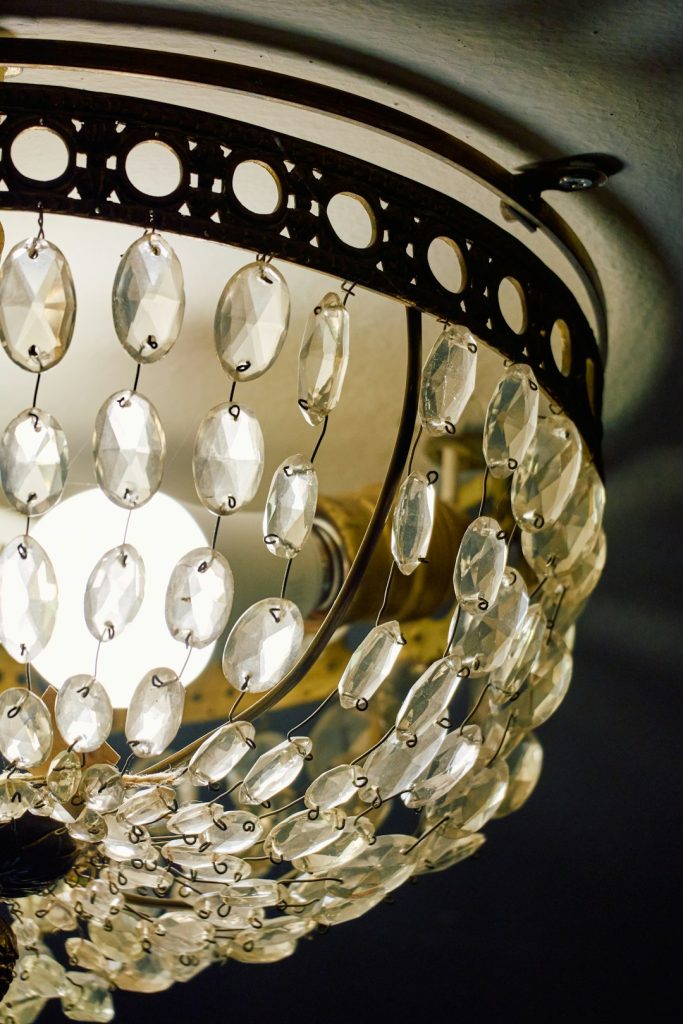
Choosing the right chandelier size can completely transform your space. But how do you know which one fits perfectly?
If your chandelier is too big, it can overwhelm the room. Too small, and it might go unnoticed. You want your chandelier to shine as a stunning centerpiece, not as a decoration that feels out of place. You’ll discover simple and practical tips to pick the perfect chandelier size for your room.
Keep reading, and you’ll learn how to make your space feel just right, with a lighting fixture that truly stands out.

Credit: domelure.com
Choosing The Right Size
Choosing the right chandelier size can transform your space from ordinary to stunning. It’s not just about picking something that looks good—it’s about finding a balance that fits your room perfectly. Getting this balance right improves both the aesthetics and the function of your lighting.
Measuring Your Room
Start by measuring the length and width of your room in feet. Add these two numbers together, and then convert the total to inches. This number gives you a good guideline for the diameter of your chandelier. For example, if your room is 12 feet by 14 feet, the sum is 26, so look for a chandelier about 26 inches wide.
Sometimes, the shape of the room matters too. A narrow, long room might benefit from a more elongated chandelier rather than a round one. Don’t hesitate to sketch out your room’s layout to visualize how the chandelier will fit.
Considering Ceiling Height
Your ceiling height directly affects how low your chandelier should hang. For standard 8-foot ceilings, keep the bottom of the chandelier about 30 to 34 inches above the table or floor. If your ceiling is taller, add 3 inches for every extra foot of height.
Think about how much headroom you need if the chandelier hangs in an open area. You want people to move freely without bumping their heads. A good rule is to allow at least 7 feet of clearance from the floor to the bottom of the fixture.
Room Function And Scale
Ask yourself what the room is used for and how the chandelier fits the mood. A dining room chandelier can be larger and more dramatic since it’s a focal point. In contrast, a bedroom or hallway might need a smaller, subtler fixture.
Consider the size of your furniture and other decor. A tiny chandelier over a large dining table will feel lost, while an oversized one can overwhelm a small nook. Matching your chandelier’s scale with your room’s function keeps everything in harmony and makes your space feel just right.
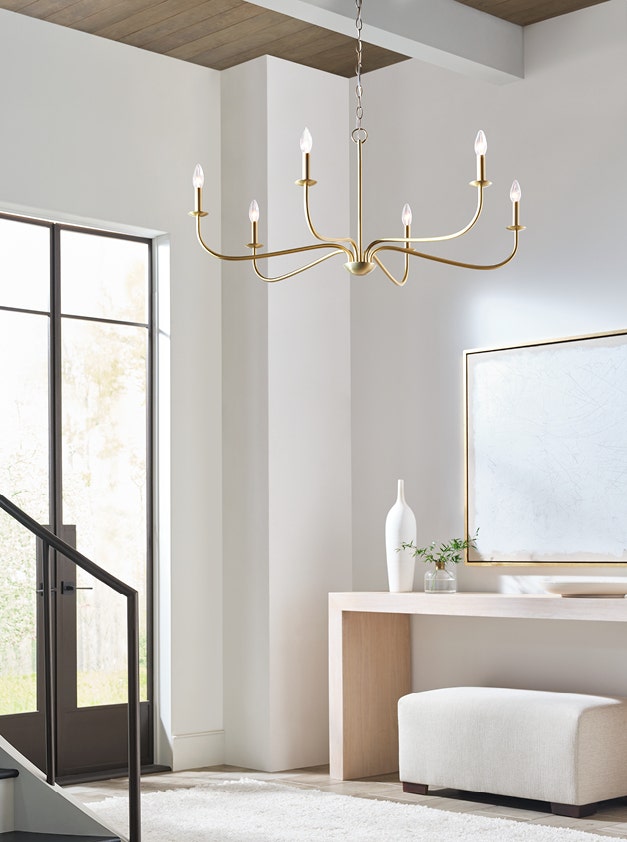
Credit: www.visualcomfort.com
Calculating Chandelier Dimensions
Choosing the right chandelier size can transform your space from ordinary to stunning. But how do you know what size fits perfectly? Calculating chandelier dimensions involves more than guessing—it requires understanding your room’s proportions and the chandelier’s impact on the space.
Using Room Dimensions
Start by measuring your room’s length and width in feet. Add these two numbers together to get a baseline for your chandelier size in inches.
- If your room is 12 feet by 14 feet, add 12 + 14 = 26 inches.
- This means a chandelier around 26 inches wide would suit the space well.
This simple calculation helps you avoid chandeliers that feel too small or overwhelm the room. Think about your ceiling height too—taller ceilings can handle larger fixtures.
Applying The Inch Formula
The inch formula is a handy trick to size your chandelier correctly. It suggests the diameter in inches should roughly equal the sum of your room’s length and width in feet.
- Room dimensions: 15 ft long x 10 ft wide
- 15 + 10 = 25 inches for the chandelier diameter
This formula works well for most standard rooms and helps keep your fixture in proportion. Have you ever seen a chandelier that looked too tiny in a spacious room? This simple math can prevent that.
Balancing Width And Height
Width isn’t the only factor—height matters just as much. A chandelier that’s too tall can feel imposing, while one that’s too short might get lost.
Consider hanging your chandelier about 30 to 36 inches above a dining table or 7 feet from the floor in open spaces. The height should balance with the width to maintain harmony in the room.
Ask yourself: Does the chandelier draw the eye upward without overwhelming the space? Finding this balance creates a comfortable and stylish environment.
Placement Tips
Choosing the right chandelier size is only part of the challenge. Placement plays a huge role in how the fixture complements your space and functions daily. Getting the position right can elevate your room’s style and create the perfect atmosphere.
Centering Over Tables
Position your chandelier directly over the center of the table to create balance. This alignment draws eyes to the centerpiece and ensures even light distribution. Imagine a dinner party where the light hovers perfectly over your meal — everyone feels the warmth and focus.
Measure your table’s length and width, then mark the midpoint on the ceiling. This simple step avoids awkward shadows or off-center lighting. If your table is rectangular, the fixture should align with the longer axis for maximum impact.
Maintaining Proper Height
The chandelier should hang at a height that’s both functional and visually pleasing. Over dining tables, aim for about 30 to 36 inches from the table surface to the bottom of the chandelier. This keeps the light close enough to illuminate but high enough not to block views.
In rooms without tables, like entryways, the fixture should clear your head by at least 7 feet. Have you ever bumped into a low-hanging light? Avoid that by measuring ceiling height and fixture length before installation.
Accounting For Room Layout
Think beyond just the table and ceiling height. The overall room layout affects where your chandelier should sit. Consider walkways, furniture placement, and natural light sources to avoid cluttered or dark spots.
If your room is open-plan, you might need to adjust the chandelier’s position slightly to balance between zones. Ask yourself: Does the light highlight the room’s best features without obstructing movement? Adjust placement until the answer is a clear yes.
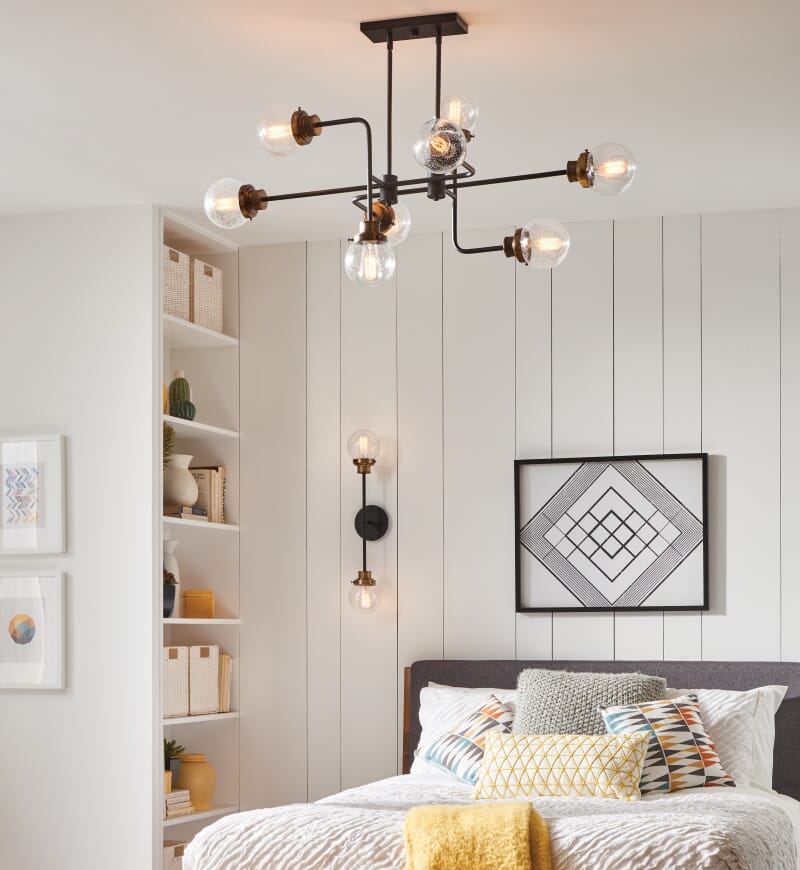
Credit: www.lightsonline.com
Style And Design Impact
Choosing the right chandelier size goes beyond measurements; it’s about how the fixture complements your room’s style and overall design. The chandelier you pick can either enhance your space’s personality or clash with it, making your room feel disjointed. Thinking about style and design impact helps you create a cohesive look that feels intentional and inviting.
Matching Room Decor
Think about the style of your room before choosing a chandelier. A modern minimalist space calls for sleek, simple designs, while a traditional room benefits from ornate, classic fixtures. Don’t just match the chandelier to the furniture; consider the room’s colors, textures, and overall vibe.
If your living room has clean lines and neutral tones, a bold, intricate chandelier might feel out of place. Instead, opt for something with geometric shapes or subtle details. Ask yourself: does this fixture blend with or stand out from my existing decor? The right choice should feel like a natural extension of your style.
Considering Light Output
Chandeliers aren’t just decorative; they need to provide enough light for the room’s purpose. Large chandeliers might look stunning but can overwhelm smaller spaces with too much light or shadow. Conversely, a small chandelier might not illuminate a big dining room well enough.
Think about the number and type of bulbs, as well as their wattage. Do you need bright light for reading and tasks, or soft, ambient light for relaxing? Your chandelier’s design impacts light distribution, so choose fixtures that balance style with function effectively.
Choosing Materials And Shapes
The materials and shapes of your chandelier affect both its style and how it interacts with the space. Crystal chandeliers bring sparkle and elegance, while metal or wood designs add warmth or industrial flair. Curved shapes feel more traditional, while angular designs lean modern.
Consider how materials reflect or absorb light. Glass and crystal will brighten the room, whereas matte metals might soften the glow. What feeling do you want your chandelier to create? This decision influences how your chandelier fits within your design vision.
Practical Considerations
Choosing the right chandelier size involves practical considerations. It’s not just about style; it’s about functionality, efficiency, and budget. Each aspect ensures your chandelier complements your space perfectly.
Installation Challenges
Installing a chandelier can be complex. The height and weight of the chandelier matter. Ensure your ceiling can support the chandelier’s weight. Check for any obstructions like beams or vents. You might need professional help for high ceilings or complex installations. Safety should be your top priority during installation.
Energy Efficiency
Consider the energy efficiency of your chandelier. LED bulbs are a great choice. They last longer and consume less energy. This can save you money on electricity bills. Check the bulb compatibility of your chandelier. Some designs only support specific types.
Budgeting For Quality
Quality chandeliers can be an investment. Set a budget before shopping. High-quality materials may cost more but last longer. Consider maintenance costs too. A durable chandelier requires less frequent replacement. Balance quality and budget for the best value.
Frequently Asked Questions
How Do I Measure For The Right Chandelier Size?
Measure your room’s length and width in feet. Add both numbers to get chandelier diameter in inches. This size fits well above dining tables or room centers.
What Chandelier Size Suits A Dining Table?
Choose a chandelier with a diameter about half to two-thirds the table width. This balance creates a proportional and visually pleasing look.
How High Should A Chandelier Hang From The Ceiling?
For standard ceilings, hang chandeliers 30-36 inches above the table. Adjust height if ceilings are higher or for open spaces.
Can Chandelier Size Affect Room Lighting?
Yes, a larger chandelier provides more light and acts as a focal point. Choose size based on room size and desired brightness.
Conclusion
Choosing the right chandelier size makes your room feel just right. Too big or small can change the whole look. Measure your space and think about the style you want. Remember the height and how much light you need. A good fit adds charm and comfort to your home.
Take your time and enjoy the process. Your perfect chandelier is waiting to brighten your space.



