
Are your string lights refusing to light up just when you need them most? It’s frustrating when those tiny bulbs stay dark, ruining the cozy or festive vibe you’re aiming for.
But don’t worry—you don’t have to toss them out or call in an expert right away. In this guide, you’ll discover simple, effective ways to fix your string lights and bring them back to life. Keep reading, and you’ll learn easy steps that anyone can follow, saving you time, money, and stress.
Your perfect glow is closer than you think!

Credit: www.festive-lights.com
Common Causes Of String Lights Not Turning On
String lights can instantly brighten up any space, but it’s frustrating when they refuse to turn on. Understanding why they fail to light up is the first step to fixing the problem yourself. Let’s look at the most common causes that might be keeping your string lights in the dark.
Check Power Source
Start by verifying that your string lights are properly plugged in. Sometimes, the outlet might be the issue, so try plugging in another device to see if it works. Don’t forget to check if the power switch on the string lights is turned on—it’s easy to overlook this simple step.
Inspect Bulbs For Damage
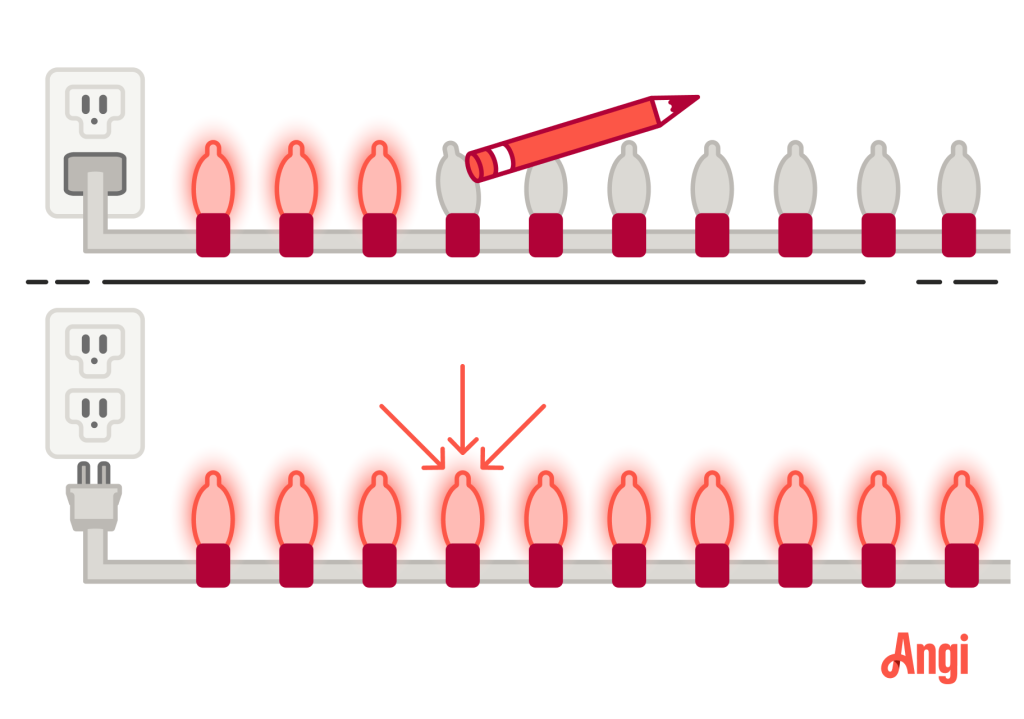
Damaged or burnt-out bulbs often stop the entire string from working. Examine each bulb carefully for cracks, blackened tips, or loose fittings. Replacing a single broken bulb might bring your entire set back to life.
Examine Wiring And Connections
Look closely at the wires for any cuts, frays, or exposed areas that could cause a short circuit. Loose or corroded connections between bulbs and sockets can also interrupt the flow of electricity. Tighten any loose bulbs and secure the wiring to avoid further problems.
Assess The Fuse Condition
Many string lights have a small fuse inside the plug to protect against power surges. Locate the fuse compartment, usually found under a small panel on the plug, and check if the fuse is blown. Replacing a blown fuse is often a quick fix that can restore your lights immediately.
Tools And Materials Needed
Fixing string lights requires specific tools and materials. Having the right items makes the process easier and safer. Prepare these essentials before starting the repair.
Basic Electrical Tools
- Screwdriver set for opening light casings
- Wire cutters to trim damaged wires
- Multimeter to check electrical flow and continuity
- Needle-nose pliers for handling small parts
- Electrical tape to secure and insulate wires
Replacement Bulbs And Fuses
- Exact match bulbs for your string lights
- Correct size fuses compatible with your light set
- Spare bulbs to test and swap out faulty ones
Safety Gear
- Insulated gloves to protect from electric shock
- Safety glasses to shield eyes from debris
- Non-conductive mat to stand on while working
Step-by-step Troubleshooting
String lights can add a magical touch to any space. But they can also be frustrating when they won’t turn on. Follow this step-by-step troubleshooting guide to bring your lights back to life.
Test The Outlet And Power Supply
Start by ensuring the outlet is functioning. Plug in another device to check. If it doesn’t work, try a different outlet. Examine the power cord for any visible damage. A faulty cord might prevent the lights from receiving power.
Replace Burnt-out Bulbs
Inspect each bulb for signs of burning. Dark spots or a broken filament indicate a problem. Replace burnt-out bulbs with new ones of the same wattage. Ensure each bulb is securely in its socket. Loose bulbs can break the circuit.
Fix Loose Or Broken Wires
Examine the string for loose or broken wires. Look for signs of fraying or damage. Carefully twist together any separated wires. Use electrical tape to secure them. This can restore the connection.
Swap Out Blown Fuses
Check the plug for a small compartment. Open it with a flat tool. Look for blown fuses. They may appear dark or cloudy. Replace them with new ones of the same rating. This can often solve the problem.
Preventive Tips For String Light Maintenance
Keeping your string lights in good working order saves you time and frustration. Preventive maintenance helps avoid the common problem of lights not turning on. Simple habits and careful handling can extend the life of your string lights and keep them shining bright whenever you need them.
Proper Storage Techniques
Storing your string lights properly is key to preventing damage. Avoid tangling by wrapping them loosely around a spool or a piece of cardboard. This keeps the wires from bending sharply, which can cause breaks inside the cord.
Store the lights in a dry, cool place away from direct sunlight or extreme temperatures. Moisture can corrode the wiring and sunlight can degrade the plastic insulation over time.
Regular Inspection Routine
Make it a habit to check your lights before each use. Look closely for frayed wires, broken bulbs, or loose connections. Spotting these issues early helps you fix small problems before they cause a full outage.
Testing the lights in sections can pinpoint exactly where a fault lies. Have you ever tried this? It’s a quick way to avoid guessing and wasting time.
Safe Usage Practices
Plug your string lights into appropriate outlets and avoid overloading circuits. Using a power strip with a built-in surge protector can protect your lights from electrical spikes.
Keep your lights away from water sources and never use indoor lights outside unless they are rated for outdoor use. This prevents short circuits and potential hazards.
Do you switch off your lights when you leave the house? Turning them off when not needed reduces wear and increases their lifespan.
When To Replace String Lights
Knowing when to replace string lights saves time and frustration. Some issues with string lights cannot be fixed safely or easily. Recognizing these signs helps avoid potential hazards and wasted effort.
Signs Of Irreparable Damage
- Frayed or exposed wires that pose electrical risks
- Broken sockets that cannot hold bulbs securely
- Multiple burnt-out bulbs in a single strand
- Corroded or rusted plugs and connectors
- Bulbs that flicker constantly despite replacement
- Water damage inside the wiring or sockets
These issues often mean the string lights are unsafe or beyond repair. Continuing to use damaged lights increases fire risk.
Choosing New String Lights
Select string lights based on where you will use them. Indoor lights differ from outdoor ones in durability and safety features.
- Look for weatherproof or waterproof ratings for outdoor use
- Choose LED bulbs for energy efficiency and longer life
- Pick lengths and bulb styles that fit your space and decor
- Check for certifications like UL or ETL for safety assurance
- Consider energy-saving features like timers or dimmers
New string lights can brighten your space safely and last through many seasons.
Credit: blog.1000bulbs.com

Credit: us.govee.com
Frequently Asked Questions
Why Won’t My String Lights Turn On At All?
Check the power source and plug first. Inspect bulbs for damage or loose connections. Replace blown fuses or bulbs. Test the string with a different outlet. These steps often resolve common issues preventing lights from turning on.
How Can I Test If String Lights Bulbs Are Faulty?
Use a multimeter to check bulb continuity. Remove bulbs one by one and test resistance. Replace any bulbs showing no continuity. This helps identify and fix faulty bulbs causing the lights not to work.
What Should I Do If String Lights Flicker But Don’t Stay On?
Flickering usually means loose bulbs or wiring issues. Tighten each bulb and inspect the wiring for damage. Replace any broken bulbs or damaged wires. Secure connections often stop flickering and restore steady lighting.
Can Blown Fuses Cause String Lights To Stop Working?
Yes, blown fuses can interrupt power flow. Check the fuse compartment in the plug or controller. Replace blown fuses with correct ratings. This simple fix often restores string lights to full function.
Conclusion
Fixing string lights takes patience and simple checks. Start with the power source and bulbs. Look for loose connections or broken wires. Test each bulb one by one. Sometimes, a small issue stops the whole string. Keep tools handy like a tester or spare bulbs.
If nothing works, replacing the string might be best. Bright lights add charm and joy to any space. Don’t give up—small steps bring your lights back to life.



