
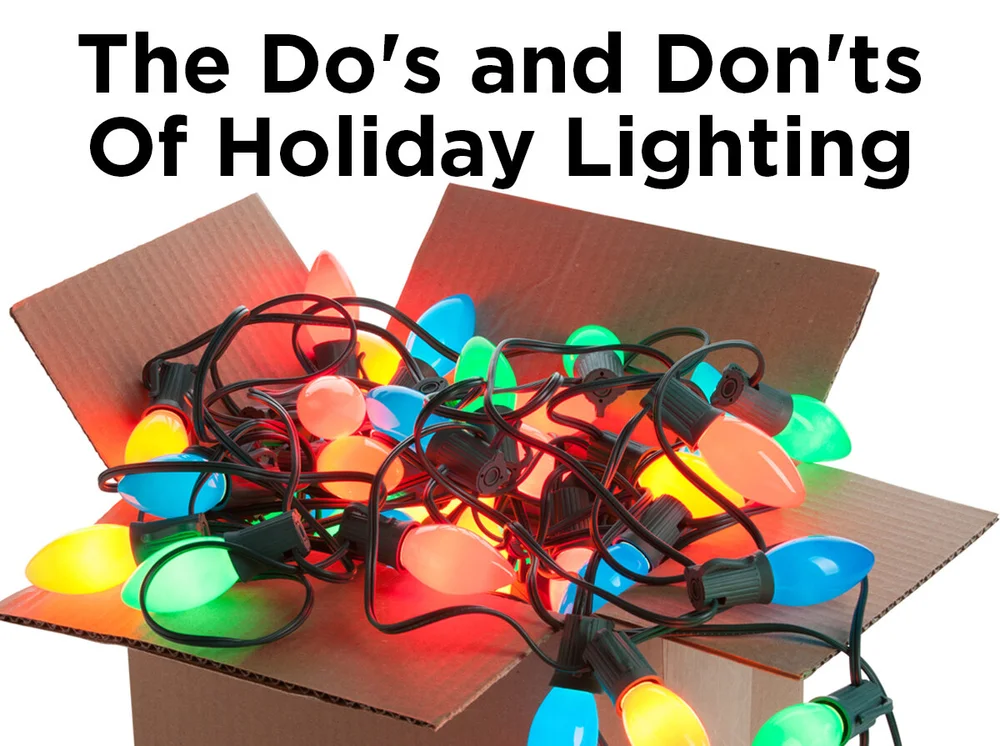
Are you wondering how many Christmas lights you can safely string together without causing problems? Whether you’re decorating your home, tree, or yard, knowing the right number of lights to connect is key.
Too many can lead to blown fuses or even fire hazards, while too few might leave your display looking dull. You’ll discover simple rules and tips to help you create a dazzling, safe holiday display that shines bright all season long.
Keep reading to light up your decorations worry-free!

Credit: www.amazon.ca
Types Of Christmas Lights
Christmas lights come in various types, each with unique features and uses. Choosing the right type helps create the perfect holiday atmosphere. Understanding these types also guides how many strings you can safely connect.
Incandescent Lights
Incandescent lights are the traditional choice for holiday decorations. They use small bulbs that glow warmly. These lights consume more electricity and generate heat. Usually, you can link fewer strings together safely. The limit is often 3 to 5 strings, depending on the manufacturer’s instructions.
Led Lights
LED lights are energy-efficient and long-lasting. They stay cool to the touch and use less power. LED strings can connect more units in a row without issues. Many LED sets allow 10 or more strings to link safely. This feature makes them popular for large displays and outdoor use.
Battery-operated Lights
Battery-operated lights offer flexibility and portability. They do not need a power outlet, so they work anywhere. These lights are ideal for small decorations and indoor use. You cannot link many strings because each set runs on its own batteries. They provide convenience but less power for extensive setups.
Max String Lengths By Light Type
Understanding the maximum string lengths of Christmas lights helps keep your display safe and bright. Different types of lights have specific limits on how many strands you can connect. Exceeding these limits can cause electrical issues or dim lighting. Knowing these limits lets you plan your decorations better.
Incandescent String Limits
Incandescent lights use more power than LED lights. Most incandescent strings allow connecting 3 to 5 strands safely. The exact limit depends on the bulb size and wire gauge. Exceeding these limits may cause bulbs to burn out or wires to overheat. Always check the manufacturer’s guidelines before connecting strings.
Led String Limits
LED lights use less power and are more efficient. You can usually connect 10 to 20 LED light strands together. Some high-quality LED strings support even longer connections. LEDs stay cooler, which lowers fire risk. Still, follow the manufacturer’s instructions to avoid electrical problems.
Battery Light Considerations
Battery-operated lights have no string limits like wired lights. Their run time depends on battery size and quality. Connecting multiple battery strings is not common. These lights are best for small decorations or areas without power outlets. Change batteries often to keep lights bright.
Power Source And Voltage Impact
The power source and voltage greatly affect how many Christmas lights you can safely string together. Different types of lights and systems need specific voltages to work well. Exceeding voltage limits can cause bulbs to burn out or wires to overheat.
Understanding the power source and voltage helps prevent electrical problems. It also ensures your holiday decorations shine brightly and last longer.
Standard Household Voltage
Most homes use a standard voltage of 120 volts. Christmas lights designed for this voltage can be linked up to a certain length. Manufacturers often list the maximum number of strings you can connect safely.
Exceeding this limit can cause circuit overloads. It can trip your breaker or damage the lights. Always check the label on your light strings for voltage and connection limits.
Low Voltage Systems
Low voltage Christmas lights use less electricity, typically 12 volts. They are safer for long runs and outdoor use. These lights need a transformer to convert household voltage to low voltage.
Low voltage systems can string more lights together without overheating. They are energy-efficient and reduce fire risk. Using the right transformer is key for stable voltage and brightness.
Outdoor Vs Indoor Power
Outdoor Christmas lights require power sources designed to handle weather conditions. These power supplies often have extra insulation and waterproof features. Indoor lights do not need such protection and use simpler plugs.
Outdoor outlets usually have ground-fault circuit interrupters (GFCI). GFCI helps prevent electrical shocks in wet conditions. Using outdoor-rated lights and power sources improves safety and performance.

Credit: www.amazon.ca
Safety Tips For Connecting Strings
Connecting too many Christmas light strings can cause overheating and electrical issues. Always check the manufacturer’s limit before linking strands together. Use proper connectors and avoid overloading outlets for a safer holiday display.
Connecting multiple strings of Christmas lights can create a magical display. Ensuring safety is crucial to prevent accidents or damages. Follow these tips for a safe and sparkling holiday.Avoiding Overloads
Overloading circuits can cause shorts or fires. Check the manufacturer’s guidelines on the box. Typically, connect no more than three strings together. LED lights allow more connections due to low energy use. Always verify the wattage and amperage limits for your outlets.Using Proper Extension Cords
Choose extension cords rated for outdoor use if used outside. These cords resist weather conditions. Ensure the cord’s amperage matches your light load. Avoid running cords through windows or doors. This could damage the cord insulation.Inspecting Lights Before Use
Examine each light string for damage. Look for frayed wires or cracked bulbs. Replace any defective bulbs with the correct wattage. Plug in the lights before hanging to test functionality. Checking beforehand saves time and effort.Extending Lengths Safely
Extending Christmas light strings requires care to avoid electrical hazards. Keeping the setup safe ensures your holiday display shines without risk. Overloading a single string or circuit can cause overheating or tripped breakers. Proper planning and tools help you add length safely.
Using Multiple Circuits
Distribute the electrical load by connecting lights to different circuits. This prevents any one circuit from drawing too much power. Use separate outlets on different breakers for large displays. Check your home’s electrical panel to identify available circuits. Avoid plugging all strings into a single outlet or power strip.
Adding Light Controllers
Light controllers manage power flow and add effects like flashing or dimming. They help reduce energy use and prevent overload. Use controllers rated for your total light wattage. Controllers allow grouping lights in manageable sections. This makes troubleshooting and adjustments easier and safer.
Professional Installation Advice
Consult an electrician for complex or extensive lighting setups. Professionals can assess your home’s wiring and recommend safe options. They can install dedicated circuits or timers for holiday lights. A professional ensures compliance with electrical codes and safety standards. This reduces the risk of fire or electrical damage.
Troubleshooting String Issues
Troubleshooting your Christmas light strings can save you from frustrating moments and keep your decorations shining bright. Issues like faulty bulbs, flickering lights, or power surges often cause strings to malfunction. Knowing how to spot and fix these problems quickly helps you enjoy a hassle-free holiday display.
Identifying Faulty Bulbs
Faulty bulbs are the most common reason a string of lights stops working. Look for bulbs that appear dim, broken, or discolored. Sometimes, a single bad bulb can cause the entire string to go dark.
Try replacing bulbs one by one with a working spare to see if the string lights up again. If you don’t have spares, use a bulb tester or a multimeter to check continuity. Remember, some newer LED strings won’t light if even one bulb is out, so thorough checking is key.
Handling Flickering Lights
Flickering lights can mean loose connections or a bulb about to burn out. Check each bulb’s socket to ensure it’s snugly fitted. Slightly wiggle bulbs to see if flickering stops; if so, tighten or replace the bulb.
Another cause can be a faulty fuse in the plug. Open the fuse compartment and inspect or replace the fuse if needed. Flickering can also result from voltage fluctuations—more on that next.
Dealing With Power Surges
Power surges can cause lights to burn out or sockets to short circuit. If your lights suddenly go out during a storm or after plugging into a new outlet, a surge might be the culprit. Use surge protectors to shield your strings from unexpected voltage spikes.
Also, avoid overloading circuits by connecting too many light strings together. Check your light string’s packaging for the maximum number of strings you can safely connect. Protecting your setup from power surges extends the life of your lights and prevents fire hazards.
Creative Ways To Display Lights
Creative ways to display Christmas lights make your holiday decor stand out. Lights bring warmth and joy to any space. They create a festive mood that everyone enjoys. Using different arrangements can change the whole look of your home. Experimenting with light placement sparks excitement and beauty.
Indoor Arrangements
Indoor lights add a cozy glow to rooms. Wrap string lights around stair railings for a charming effect. Drape them over curtain rods to brighten windows. Place lights inside glass jars or vases for unique centerpieces. Use lights to outline shelves or picture frames. These simple touches make your indoor space festive and inviting.
Outdoor Decorations
Outdoor lights highlight your home’s best features. String lights along roof edges to create a sparkling outline. Wrap tree trunks and branches for a magical forest feel. Hang lights on fences or garden arches to brighten pathways. Use net lights on bushes for quick and easy coverage. Outdoor displays welcome guests and spread holiday cheer.
Using Timers And Sensors
Timers and sensors make light displays easy and energy-smart. Set timers to turn lights on at dusk and off late at night. Motion sensors activate lights only when someone passes by. This saves electricity and adds surprise moments. Smart plugs allow you to control lights from your phone. These tools keep your display bright without extra effort.
Credit: www.christmastreeworld.co.uk
Frequently Asked Questions
How Many Christmas Lights Can I Safely String Together?
Typically, you can safely connect 3 to 5 standard incandescent light strings. LED lights allow for more, often up to 10 or more. Always check the manufacturer’s guidelines for the specific lights you have to avoid overheating or electrical issues.
Why Does The Number Of Lights Matter When Stringing Together?
Connecting too many lights can cause overheating and electrical hazards. It also increases the risk of blown fuses and power outages. Proper limits ensure safety and maintain the brightness and functionality of your Christmas light display.
Can Led Christmas Lights Be Strung Longer Than Incandescent?
Yes, LED lights use less power and can be strung longer. You can usually connect 10 or more LED light strings safely. Always verify the product specifications to confirm the maximum number of connectable strings.
What Happens If I String Too Many Lights Together?
Overloading a circuit can cause lights to dim, flicker, or fail. It may also lead to electrical shorts or fire hazards. Following recommended limits prevents damage and ensures your Christmas lights work properly throughout the holiday season.
Conclusion
Stringing Christmas lights safely keeps your home bright and festive. Know the maximum number for each light set. Avoid overloading wires to prevent fire risks. Use the right bulbs and check for damage before use. Plan your display to balance length and power needs.
This makes decorating easier and safer for everyone. Enjoy a beautiful holiday with well-lit decorations. Safety and style go hand in hand during Christmas.



