
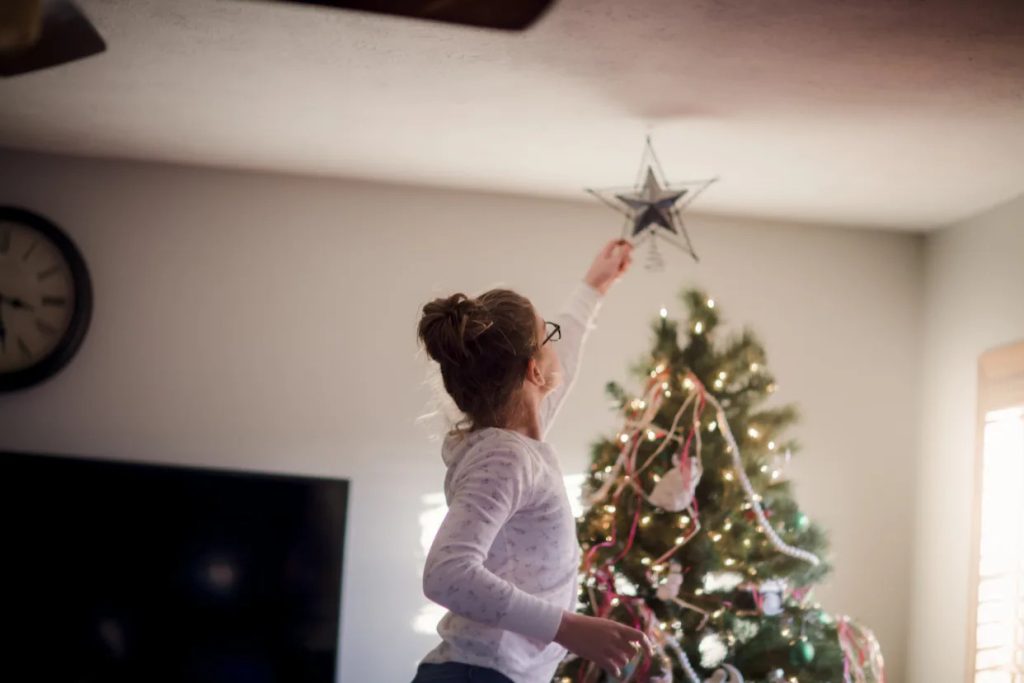
Have you ever wondered why so many people put up lights for Christmas? Those glowing bulbs and sparkling decorations don’t just make your home look festive—they tap into deep feelings of joy and togetherness.
When you see those twinkling lights, something inside you lights up too. You’ll discover the surprising reasons behind this beloved tradition and how it can make your holiday season even more magical. Keep reading, and you might see your own decorations in a whole new light.

Credit: medium.com
History Of Christmas Lights
Christmas lights have a rich history that shows how holiday traditions evolved. The warm glow of lights adds magic to the season. This glow started long ago and grew with new inventions.
Early Candle Decorations
In the 17th century, people used candles to decorate Christmas trees. Candles brought a soft, flickering light inside homes. Families carefully placed candles on tree branches. This was risky but created a beautiful effect. Candles symbolized warmth and hope during winter nights.
Invention Of Electric Lights
In 1882, electric Christmas lights were invented. Edward H. Johnson, a friend of Thomas Edison, created the first string of lights. These lights were safer than candles and lasted longer. Electric lights quickly became popular in cities and homes. They made decorating easier and more colorful.
Growth Of Outdoor Displays
By the mid-20th century, outdoor Christmas light displays grew. People began decorating houses, trees, and yards with bright lights. Neighborhoods competed to create the most dazzling displays. Outdoor lights brought communities together during the holidays. Today, these displays attract visitors and spread festive cheer.
Symbolism Behind The Lights
The tradition of putting up Christmas lights goes beyond just decoration. These lights carry deep meanings that connect to emotions, beliefs, and celebrations. Understanding the symbolism behind the lights can make your holiday experience richer and more meaningful.
Light As A Symbol Of Hope
Light has always stood for hope in dark times. During winter, when days are shorter and nights longer, lights remind you that brighter days are ahead. Hanging lights can feel like a personal act of optimism, a small beacon shining through the cold and darkness.
Think about the first time you saw a house glowing with Christmas lights on a dark evening. Didn’t it make you feel a little more cheerful? That warmth is the power of hope made visible.
Religious Significance
For many, Christmas lights represent the spiritual aspect of the holiday. They symbolize the arrival of Jesus, often called the “Light of the World.” This light is seen as a guide, showing the path to peace and salvation.
In churches and homes, candles and string lights are common reminders of this divine presence. They help you connect with the deeper meaning of Christmas beyond the gifts and parties.
Representing Joy And Celebration
Lights bring a festive spirit that invites joy and togetherness. They transform ordinary spaces into places of celebration and fun. This visual excitement encourages you to share happiness with family, friends, and neighbors.
Have you noticed how colorful lights can instantly lift your mood? That’s because they trigger a sense of wonder and excitement, making the holiday season feel truly special.
Cultural Traditions Worldwide
As the holiday season approaches, neighborhoods and homes around the world begin to sparkle with twinkling lights, a tradition that holds deep cultural significance. The practice of putting up Christmas lights is rich with history and varies widely across the globe. These lights do more than just illuminate—they connect us with customs that have been cherished through generations.
European Customs
In Europe, the tradition of decorating with lights dates back centuries. Many believe it originated in Germany, where small candles were used to adorn Christmas trees. This practice was not just about beauty but symbolized bringing light into the darkest time of the year.
Today, cities like Paris and Vienna transform into winter wonderlands with elaborate displays. It’s common to see streets lined with lights, drawing locals and tourists alike to bask in their glow. The lights serve as a beacon of hope and community spirit during the festive season.
American Practices
In America, Christmas lights have become a hallmark of the holiday season. From simple string lights on suburban homes to extravagant displays in city centers, the tradition is ingrained in American culture.
Many families make it an annual tradition to drive around neighborhoods to admire these displays, creating shared moments of joy. Some communities even host competitions, encouraging creativity and friendly rivalry. Have you ever wondered how your own home could become the talk of the town with a dazzling display?
Other Global Variations
Around the world, different cultures have their own unique take on holiday lighting. In the Philippines, for example, the ‘Parol’ lanterns are a symbol of the season, crafted to resemble the Star of Bethlehem. These beautiful lanterns light up homes and streets, embodying the spirit of Christmas.
In Japan, though Christmas is not a national holiday, the illumination of city parks and buildings has become a popular tradition. The lights create a magical atmosphere, drawing couples and families to enjoy the festive scenery. How do these global traditions inspire the way you celebrate the holiday season?
These variations highlight the universal appeal of Christmas lights, showcasing how different cultures bring their own flair to this beloved tradition. Whether you’re inspired by European elegance or American exuberance, there’s something inherently magical about lighting up the world during the holidays.
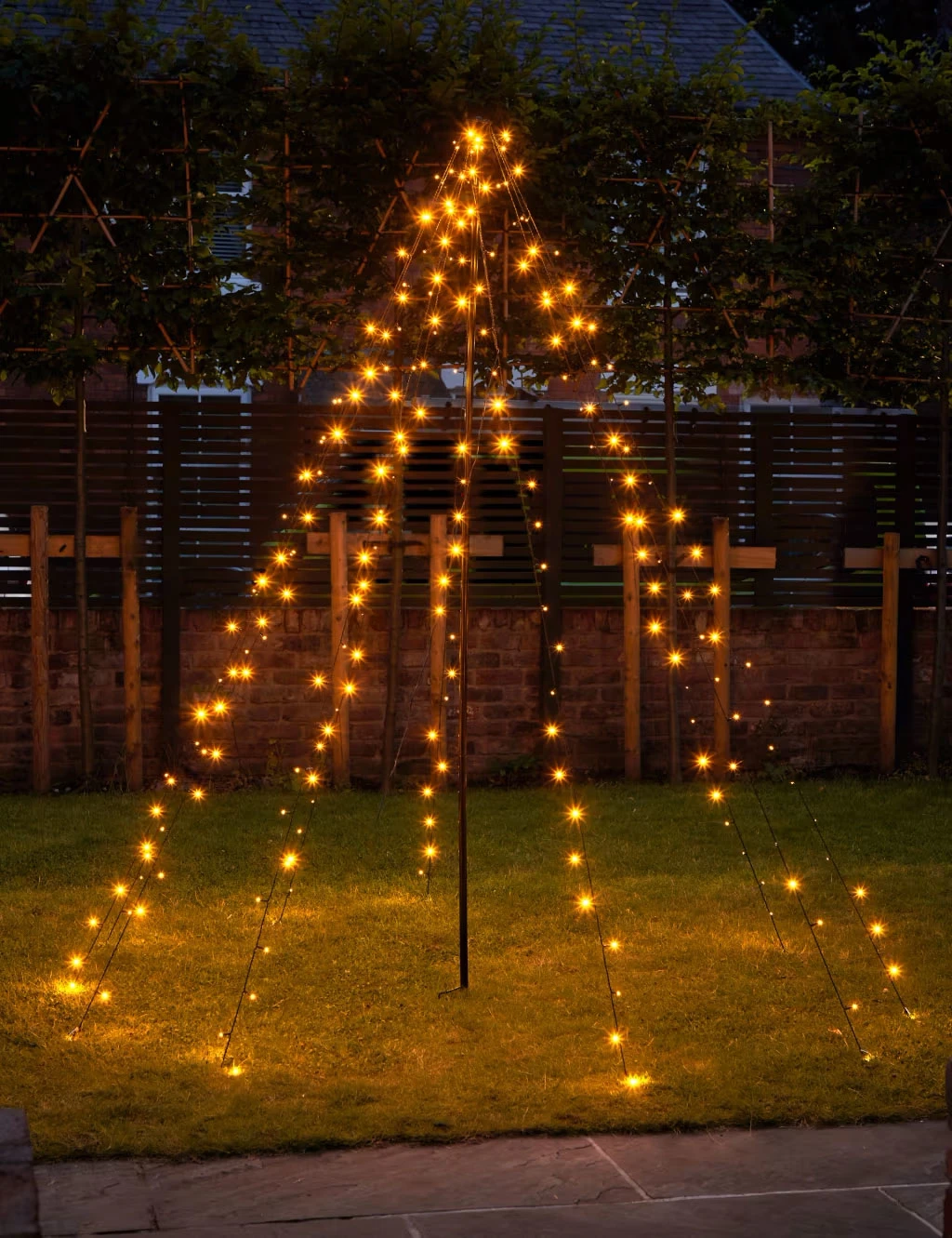
Credit: www.marksandspencer.com
Modern Trends In Christmas Lighting
Modern Christmas lighting has transformed from simple bulbs strung across windows to dazzling displays that capture attention and imagination. Today’s trends focus on creativity, sustainability, and community spirit. These changes reflect how technology and environmental awareness shape the way people celebrate the holiday season.
Technological Advancements
LED lights have become the go-to choice because they last longer and use less energy than traditional bulbs. Smart lighting systems allow you to control colors, patterns, and timing right from your phone. Imagine syncing your lights to your favorite holiday songs or setting them to change colors automatically—technology makes it easy and fun.
Have you tried using apps that let you customize your outdoor lights? They add a new level of interaction and make decorating more exciting. These advancements make your display unique and can impress neighbors and guests alike.
Eco-friendly Lighting Options
More people now look for ways to celebrate without harming the planet. Solar-powered lights and energy-efficient LEDs reduce electricity use. Choosing these options helps lower your carbon footprint while keeping your home festive.
Some families even reuse decorations from year to year instead of buying new ones. This small change saves money and reduces waste. Could switching to eco-friendly lights be your next holiday tradition?
Community Light Displays
Neighborhood light shows bring people together like never before. Communities organize events where everyone contributes to a collective display, creating a magical atmosphere for all to enjoy. These gatherings promote connection and holiday cheer beyond individual homes.
Participating in or visiting these displays can inspire your own decorating ideas. Plus, they encourage friendly competition and collaboration. What if your street became known for the brightest, most creative Christmas lights?
Psychological Impact Of Christmas Lights
Christmas lights do more than just brighten up your home—they have a powerful effect on your mind and emotions. Their glow sparks feelings that go beyond simple decoration. Understanding the psychological impact can help you appreciate why these lights hold such a special place in holiday traditions.
Creating Festive Atmosphere
Lights instantly change the mood of any space. Their warm glow brings a sense of joy and excitement, signaling that something special is happening. When you switch on those twinkling bulbs, your surroundings feel more inviting and alive.
Think about the last time you saw a street or house covered in Christmas lights. Didn’t it lift your spirits? This festive atmosphere encourages you to slow down and enjoy the moment, making everyday routines feel a bit magical.
Enhancing Mood And Well-being
Exposure to soft, colorful lights stimulates positive emotions and reduces stress. The gentle flicker and glow can comfort your mind, helping you feel calmer and happier. This is especially important during the darker winter months when natural sunlight is limited.
Have you noticed how your mood improves when you’re around Christmas lights? This effect is backed by studies showing light therapy can boost serotonin levels—the brain chemical linked to happiness. So, those lights do more than dazzle; they genuinely help your well-being.
Family And Social Bonding
Putting up Christmas lights often becomes a shared activity that strengthens connections. Gathering with family or friends to decorate can create lasting memories and a sense of togetherness. The lights act as a symbol of unity and celebration.
When you and your loved ones work together on lighting up your home, you’re not just decorating—you’re building bonds. Why not invite someone over to hang lights or share stories about your favorite holiday memories? These simple moments deepen your relationships and make the season more meaningful.
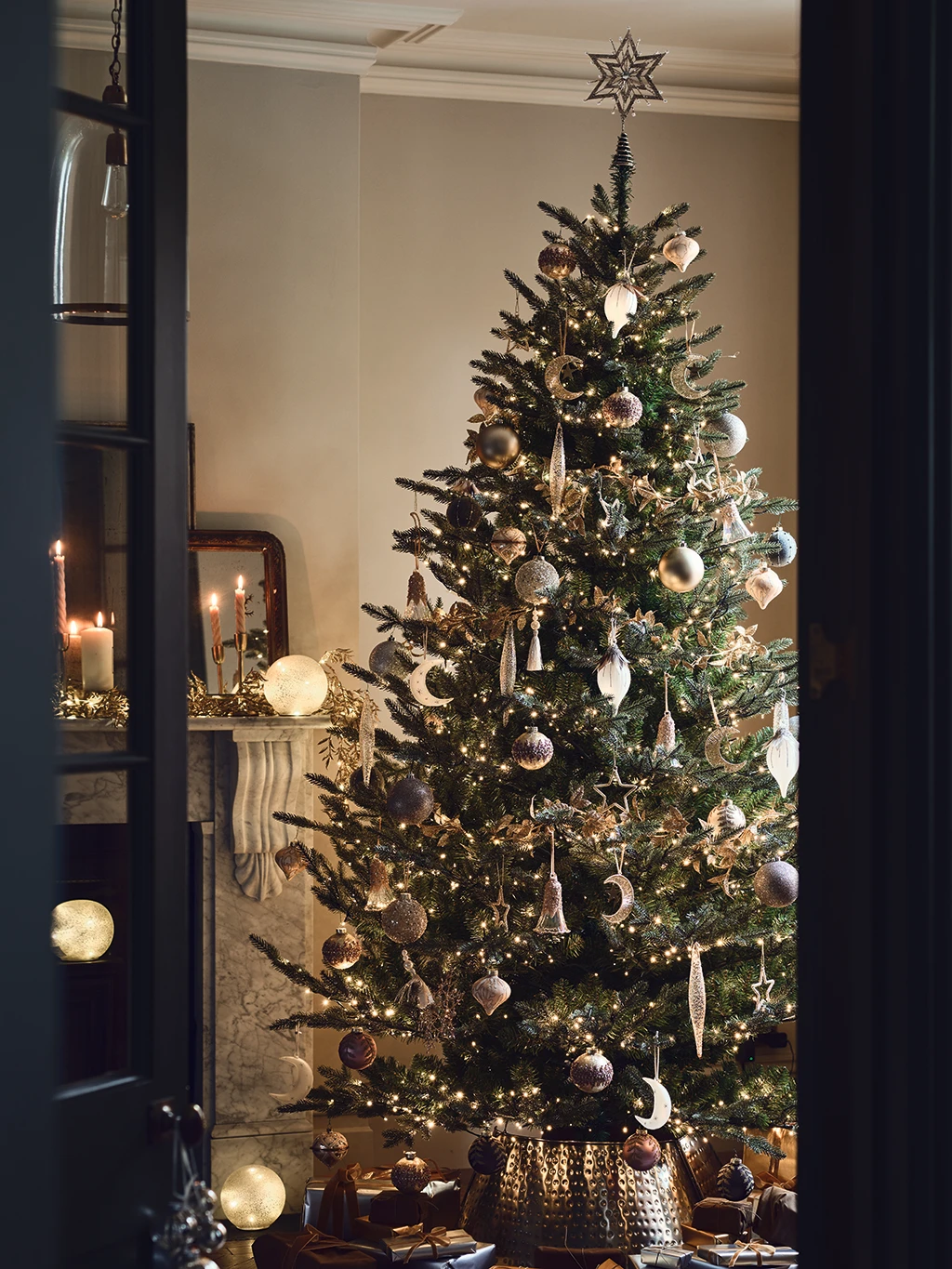
Credit: www.marksandspencer.com
Frequently Asked Questions
Why Do People Put Up Christmas Lights Annually?
People put up Christmas lights to celebrate the festive season and spread joy. Lights symbolize hope, warmth, and togetherness during winter. They create a magical atmosphere and enhance holiday spirit in homes and neighborhoods.
What Is The History Behind Christmas Light Decorations?
Christmas lights originated from candles placed on trees in the 17th century. Electric lights were introduced in the 1880s, making decorations safer and more popular. This tradition symbolizes light overcoming darkness and celebrates the birth of Jesus.
How Do Christmas Lights Enhance Holiday Celebrations?
Christmas lights add beauty and cheer to holiday spaces, attracting family and friends. They create a festive mood and encourage community bonding. Lights also highlight home decorations and make celebrations visually memorable.
Are There Cultural Reasons For Using Christmas Lights?
Yes, Christmas lights have cultural and religious significance. They represent the Star of Bethlehem and Jesus as the light of the world. Different cultures use lights to symbolize hope, joy, and spiritual illumination during Christmas.
Conclusion
People put up Christmas lights to share joy and warmth. Lights bring families and neighbors closer during cold nights. They create a festive mood that lifts everyone’s spirits. Decorating also honors old traditions and spreads holiday cheer. Bright colors and twinkling bulbs make homes feel special.
It’s a simple way to celebrate and connect with others. Lighting up the season feels magical for both young and old. This small act brings happiness and hope to many hearts.



