
Are your Christmas lights suddenly not shining as bright? It might be a simple fuse problem, and fixing it is easier than you think.
Knowing how to change the fuse on your Christmas light string can save you time and keep your decorations glowing all season long. In this guide, you’ll learn clear, step-by-step instructions to get your lights working again quickly and safely.
Keep reading—you’ll be back to enjoying your festive sparkle in no time!
Credit: www.angi.com
Identify The Fuse Location
Finding the fuse location on your Christmas light string is the first step to fixing it. The fuse is a small safety device that prevents electrical overload. It usually sits near the plug or inside the plug itself. Knowing where to find it makes changing the fuse easier and faster.
Most light strings have a fuse holder built into the plug. This holder often looks like a tiny door or sliding panel. Sometimes, the fuse is hidden under a small cap that you can open with your fingernail or a small tool.
Identifying the fuse location helps avoid damage to the lights or risk of electric shock. It also saves time by guiding you directly to the part that needs attention.
Check The Plug Area
The fuse is commonly inside the plug. Look for a small compartment or sliding door on the plug’s body. This compartment is usually marked or has a small tab.
Look For A Fuse Symbol
Some plugs show a fuse symbol near the compartment. It looks like a tiny rectangle or lightning bolt. This mark points to the fuse holder.
Examine The Light String Wire
In rare cases, the fuse can be along the wire. Look for a small plastic box or cylinder close to the plug. This box might hold the fuse.
Use A Flashlight For Better Visibility
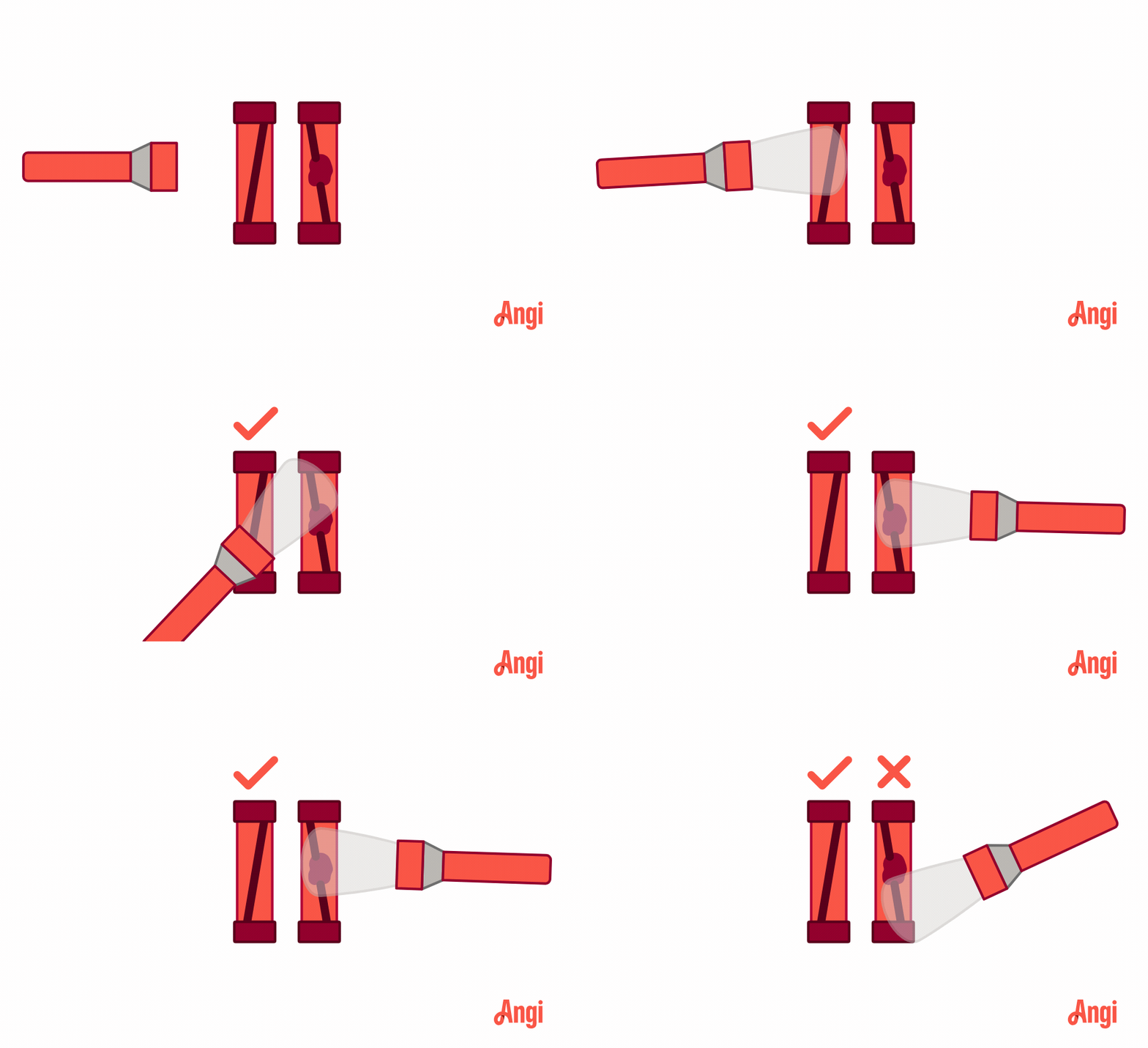
Use a flashlight to see small details on the plug. This helps spot the fuse compartment or any markings clearly. Bright light makes it easier to open the fuse holder.
Gather Necessary Tools
Before you start changing the fuse on your Christmas light string, it’s crucial to gather all the necessary tools. Having everything ready will save you time and prevent frustration during the process. You don’t want to be halfway through and realize you’re missing something important.
Essential Tools For Fuse Replacement
- Replacement Fuses:Make sure you have the exact type and rating specified on your light string. Using the wrong fuse can cause damage or be unsafe.
- Small Flathead Screwdriver:This helps open the fuse compartment without damaging it. A larger screwdriver might be too big and cause scratches or breakage.
- Needle-nose Pliers:Handy for carefully pulling out the old fuse if it’s stuck inside the holder.
- Electrical Tape:Useful for securing the fuse holder if the cover feels loose after replacement.
Checking Your Work Area
Set up in a well-lit and comfortable spot. Good lighting helps you see the tiny fuse and avoid mistakes. A flat surface will keep your tools and parts organized and easy to reach.
Why Skip Extra Tools?
Keep your toolkit simple. Extra tools can clutter your workspace and make the task more confusing. Stick to only what you need to make the process smooth and efficient.
Have you ever tried fixing something only to realize you needed a specific tool halfway through? Gathering the right tools upfront prevents that frustration. What’s the last time being prepared saved you time on a project?
Safety Precautions
Always unplug the Christmas light string before changing the fuse to avoid electric shock. Use a dry hand and check the fuse type carefully for the correct replacement. Avoid touching metal parts directly during the process.
Changing a fuse on a Christmas light string can seem like a daunting task, but with the right safety precautions, it becomes a simple and straightforward process. Ensuring that you and your family are safe should always be your top priority. Before you dive into fixing those lights, consider a few essential safety measures to prevent unnecessary accidents or injuries.Unplug The Light String
Always unplug the light string from the electrical outlet before attempting any repairs. This is the most crucial step in protecting yourself from electric shocks. Even if the lights are off, they can still pose a risk if they remain plugged in.Inspect For Damage
Carefully examine the entire length of the light string for any visible damage. Look for frayed wires, broken bulbs, or exposed wiring. If you notice any of these issues, it might be safer to replace the whole string rather than just the fuse.Use Proper Tools
When changing a fuse, ensure you use the correct tools. A small flathead screwdriver can help you open the fuse compartment. Using the wrong tools might damage the light string or cause injury.Handle Fuses Carefully
Fuses are small and delicate, so handle them with care. Avoid touching the metal parts with your fingers to prevent any static discharge. Keep replacements in a safe place to avoid losing them.Check The Replacement Fuse
Verify that the replacement fuse matches the original one in terms of size and amperage. Using the wrong fuse can lead to overheating and potentially start a fire. Always have a few spare fuses on hand during the holiday season.Test The Lights Safely
After replacing the fuse, plug the light string back in and test it. Stand back a little to ensure everything is working correctly without any sparks or smoke. If the lights still don’t work, it might be time to consult a professional or consider replacing the string entirely. Taking these safety precautions can save you from potential hazards and keep your holiday season bright and joyful. Have you ever experienced any unexpected challenges while repairing your holiday lights? Remember, safety should always come first.Remove The Fuse Cover
The fuse cover protects the fuse inside the Christmas light string. Removing it carefully is the first step to change a blown fuse. The cover is usually a small plastic piece near the plug end. It holds the fuse securely and keeps it safe from dust and damage.
Before removing the fuse cover, unplug the lights from the power source. This ensures safety and prevents electric shock. Handle the cover gently to avoid breaking it.
Locate The Fuse Cover
Find the small rectangular or square plastic piece close to the plug. It may have a sliding or snap-on design. Look for a tiny tab or indentation to help open it.
Use A Flat Tool To Open
Use a flathead screwdriver or a coin to lift the fuse cover. Insert the tool into the tab or indentation. Gently pry the cover open without forcing it.
Slide Or Lift The Cover Off
Some fuse covers slide out while others lift off. Slide the cover in the direction of the arrow or away from the plug. If it lifts off, gently pull it up or out.
Keep The Fuse Cover Safe
Place the fuse cover in a safe spot. It is small and easy to lose. You will need it to close the fuse compartment after replacing the fuse.
Extract The Old Fuse
Extracting the old fuse from your Christmas light string is a straightforward task, but it requires care to avoid damaging the wiring or the fuse holder. The fuse is often the culprit behind your lights not working, so replacing it can save you from buying a new set. Let’s focus on how to safely and effectively remove that old fuse.
Locate The Fuse Holder
Start by finding the fuse holder on your Christmas light string. It’s usually a small, rectangular compartment located near the plug. Sometimes it’s hidden under a sliding cover or a small door that you can open with your fingernail or a flat tool.
Have you ever overlooked this tiny part, only to think the entire string was broken? Identifying the fuse holder is the key first step.
Open The Fuse Holder Carefully
Once you locate the holder, gently open it. Use your fingers or a small flathead screwdriver if the cover is tight. Avoid using excessive force to prevent breaking the holder or damaging the wiring.
Opening the fuse holder carefully ensures you don’t create more problems while trying to fix the existing one.
Remove The Old Fuse
Inside the holder, you’ll find one or two small glass fuses. Use your fingers or tweezers to pull out the old fuse. If it’s stuck, wiggle it gently to loosen it. Inspect the fuse for any signs of a break or discoloration, which indicates it’s blown.
Have you ever struggled with a fuse stuck inside? Patience here pays off—rushing can damage the contacts inside the holder.
Handle The Fuse With Care
Remember to handle the fuse gently to avoid breaking it. If the fuse shatters inside the holder, it can cause a bigger headache. Dispose of the old fuse properly and keep the area clean before inserting a new one.
Taking a moment to be cautious makes the next steps smoother and prevents further issues.

Credit: www.youtube.com
Choose The Correct Replacement Fuse
Choosing the correct replacement fuse is essential for your Christmas light string to work safely. Using the wrong fuse can cause damage or create a fire risk. It is important to pick a fuse that matches the original one in size, type, and rating.
Always check the fuse specifications on the light string or the packaging before buying a replacement. This helps ensure the new fuse will protect your lights correctly and keep them running smoothly.
Check The Fuse Type
There are different types of fuses. The most common are glass tube fuses and blade fuses. Identify which type your light string uses by looking at the old fuse or the fuse holder. Using the wrong type can cause poor contact or failure.
Match The Ampere Rating
The ampere rating shows how much current the fuse can handle before it blows. Find the ampere number printed on the fuse or in the instructions. Always replace it with a fuse that has the same amp rating to avoid overloading or under-protection.
Check The Voltage Rating
Voltage rating tells the maximum voltage the fuse can safely handle. Look for this number on the fuse or product label. The replacement fuse must have a voltage rating equal to or higher than the original to prevent electrical problems.
Use Oem Or Compatible Fuses
Original Equipment Manufacturer (OEM) fuses are made for your specific light brand. They are the safest choice. Compatible fuses from trusted brands can also work if they match the specs. Avoid cheap or unmarked fuses to protect your lights and home.
Keep Spare Fuses Handy
Have extra fuses ready before starting repairs. It saves time and effort. Store spare fuses in a small box or bag near your Christmas lights. This way, you can quickly replace a blown fuse without searching for the right one.
Insert The New Fuse
Inserting the new fuse is a simple but important step in fixing your Christmas light string. The fuse protects your lights from electrical damage. Make sure you use the correct fuse type for safety. Follow these tips to place the new fuse properly.
Locate The Fuse Holder
Find the fuse holder on the plug of your light string. It often looks like a small door or compartment. Open it gently using your fingernail or a small flat tool. Be careful not to break the holder.
Check The New Fuse
Before inserting, confirm the new fuse matches the old one. Check the size and the rating printed on the fuse. Using the wrong fuse can cause lights to stop working or create hazards.
Place The New Fuse Correctly
Hold the new fuse with clean, dry hands. Slide it into the fuse holder carefully. Make sure it fits snugly and the metal ends touch the contacts inside the holder. Avoid forcing the fuse in.
Close The Fuse Holder Securely
After inserting the fuse, close the fuse holder firmly. It should snap or click shut. A loose holder can cause poor contact and stop the lights from working.
Secure The Fuse Cover
Securing the fuse cover is a key step after replacing the fuse on your Christmas light string. It ensures the fuse stays in place and keeps the lights working safely. A loose or missing cover can expose the fuse, risking damage or electrical shorts.
Take a moment to check the cover for any cracks or wear before snapping it back. If the cover doesn’t fit snugly, the fuse might fall out or lose contact, causing your lights to flicker or fail. Have you ever noticed your lights going out right after you fixed the fuse? This is often why.
Check For Proper Alignment
Before securing the fuse cover, align it carefully with the fuse holder. The cover should slide or snap into place without forcing it. If you feel resistance, double-check the fuse’s position and the cover shape.
Press Firmly But Gently
Apply even pressure on the fuse cover to lock it in place. Avoid using excessive force that might crack the plastic. A firm press usually produces a satisfying click, indicating a secure fit.
Test The Connection
After securing the cover, plug in your lights to make sure they turn on properly. If the lights flicker or remain off, the fuse or cover might not be seated correctly. Don’t hesitate to open it again and reposition the fuse carefully.
Keep Spare Fuse Covers Handy
Fuse covers can get lost or damaged over time. Keeping a few extras around ensures you can always secure your fuses without delay. You might find spare covers included with replacement fuse kits or at hardware stores.
Test The Light String
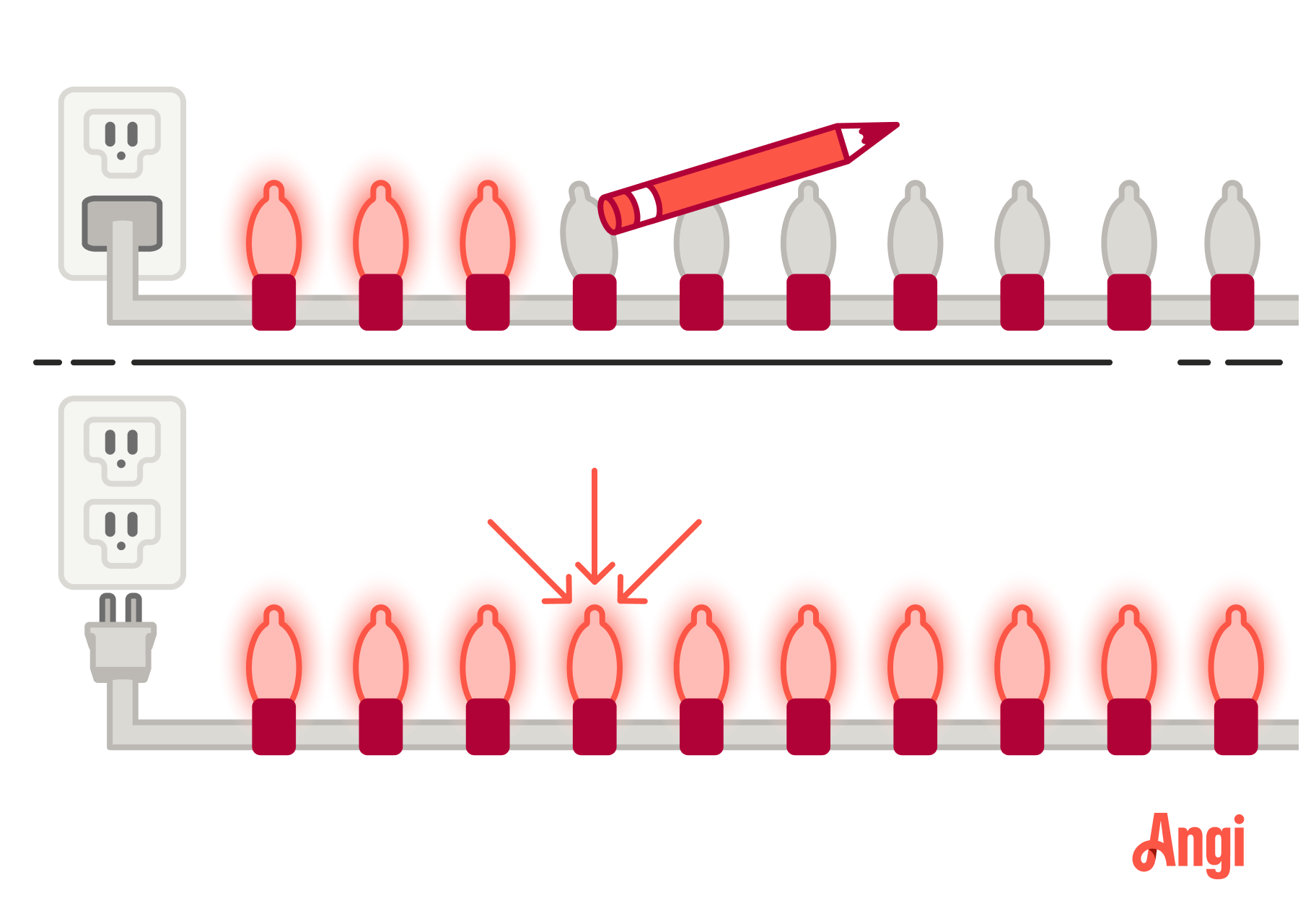
Testing the light string helps find which section is not working. Plug it in to check if all bulbs light up. This shows if the fuse needs to be replaced.
Testing your Christmas light string is essential before replacing any fuses. This step helps identify if the fuse is the issue or if there’s a different problem. A quick test can save time and ensure your lights shine bright throughout the festive season. Follow these simple steps to test your light string efficiently.Unplug And Inspect The String
Always unplug the lights before inspecting. Look for visible damage or broken bulbs. Damaged wires can cause malfunctions. Replace any broken bulbs first. This might resolve some issues.Plug In The Light String
Once inspected, plug the light string back in. Ensure the outlet is working. Use a different device to test the outlet. This confirms the outlet isn’t causing the problem.Check For Loose Bulbs
Loose bulbs can disrupt the circuit. Gently press each bulb into its socket. This ensures all bulbs are securely connected. A loose bulb might be the culprit.Use A Light Tester
A light tester can help identify faulty bulbs. Simply touch the tester to each bulb. The tester will indicate if a bulb is bad. Replace any faulty bulbs you find.Observe Light Patterns
Notice any unusual flickering or dimming. These can indicate a problem with the fuse. Consistent light issues suggest further investigation is needed.Swap With A Working Fuse
If problems persist, switch the fuse with a known good one. This helps confirm if the fuse is faulty. A working fuse should restore normal function.Troubleshooting Tips
Troubleshooting a non-working Christmas light string can be frustrating, but a few simple checks often reveal the problem quickly. Before replacing the fuse, take a moment to carefully inspect the string. This can save you time and prevent unnecessary replacements.
Check For Loose Bulbs
Loose bulbs are a common culprit behind lights not working properly. Gently press each bulb into its socket to ensure it’s snug. Even one loose bulb can cause the entire string to go dark.
If a bulb looks damaged or has a broken filament, replace it with a new one of the same type. You might be surprised how often fixing a single bulb restores power to the whole string.
Inspect The Wiring
Look closely at the wiring for any visible damage like cuts, frays, or exposed wires. Damaged wiring can cause shorts or stop electricity flow completely. If you spot a damaged area, it’s safer to replace the entire string rather than risk a fire hazard.
Also, check for any kinks or knots that might be interrupting the connection. Straightening out the wires can sometimes bring your lights back to life without any replacement parts.
Verify Fuse Compatibility
Make sure the replacement fuse matches the original fuse’s rating exactly. Using a fuse with a higher or lower amp rating can cause the lights to malfunction or even pose safety risks. Check the packaging or manual for the correct fuse specifications.
Pay attention to the fuse size and type as well—some fuses are glass tubes while others are blade-style. Installing the wrong type won’t fix the issue and could damage your light string.

Credit: www.youtube.com
Frequently Asked Questions
How Do I Know If The Fuse Is Blown On My Christmas Lights?
Check if the entire string or a section is not lighting up. Inspect the fuse for a broken wire or discoloration. A blown fuse usually looks dark or cloudy inside the fuse holder.
What Tools Do I Need To Change A Christmas Light Fuse?
You typically need no special tools. Use your fingers to open the fuse compartment. Sometimes a small flathead screwdriver helps to pry open the fuse holder gently.
Where Can I Buy Replacement Fuses For Christmas Lights?
Replacement fuses are available at hardware stores, online retailers, and some supermarkets. Ensure you buy the exact fuse type matching your light string’s specifications.
Can I Use Any Fuse To Replace The Old One?
No, always use the same type and rating fuse specified by the manufacturer. Using an incorrect fuse can cause damage or safety hazards.
Conclusion
Changing a fuse on your Christmas light string is simple. Always switch off the power before you start. Find the fuse compartment carefully and open it gently. Replace the old fuse with a new one of the same type. Close the compartment and test your lights.
This small fix can save you time and money. Keep your decorations bright and safe all season. Enjoy your festive lights without worry.



