
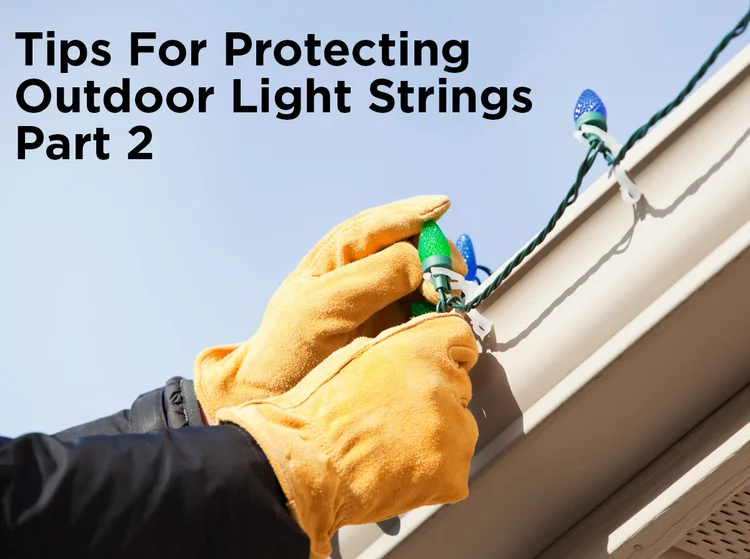
Are your Christmas lights too long for the space you want to decorate? You’re not alone.
Tangled strands and excess length can make your decorating frustrating and messy. But what if you could easily shorten your string of Christmas lights to fit perfectly? Imagine a neat, bright display without the hassle of extra wires getting in the way.
You’ll discover simple, safe ways to customize your lights so they look just right. Keep reading, and you’ll learn exactly how to make your holiday decorating easier and more beautiful.

Credit: sunnydazedecor.com
Choosing The Right Lights
Choosing the right Christmas lights is essential before you think about shortening them. The type and length of the lights you pick will affect how easy the process is and how your decorations ultimately look. Understanding your options can save you time and frustration.
Types Of Christmas Lights
Christmas lights come in many styles, each with different features and wiring. Some common types include:
- Incandescent bulbs:Traditional and often less expensive, but they use more energy and can get hot.
- LED lights:Energy-efficient, cooler to the touch, and last longer. They come in many colors and sizes.
- Mini string lights:Small bulbs spaced closely together, great for detailed decorating.
- C7 and C9 bulbs:Larger bulbs that give a bold, classic look.
Knowing which type you have helps you decide where and how to shorten the string without damaging the lights.
Assessing Light Length Needs
Before cutting or rearranging, measure the exact length you want your lights to cover. Take into account corners, windows, or other shapes where the lights will hang.
Ask yourself: Do you need to shorten the string by a few feet or just remove a small section? This will guide your approach.
Keep in mind that some light strings cannot be shortened without affecting the electrical circuit. Check the manufacturer’s instructions or test the lights after any modification to ensure safety and functionality.

Credit: sunnydazedecor.com
Tools And Materials Needed
Before you begin shortening your string of Christmas lights, gathering the right tools and materials is crucial. Having everything ready not only saves time but also helps you work more accurately and safely. Missing a key item can lead to frustration or even damage to your lights.
Essential Tools
You’ll need a few basic tools to cut and reassemble your Christmas lights effectively. A pair of wire cutters or sharp scissors are vital for trimming the excess wire. Wire strippers come in handy to remove the insulation without damaging the copper inside.
To reconnect the wires, you’ll want some electrical tape or heat shrink tubing to ensure a secure, insulated joint. A soldering iron can be useful if you want a more permanent and reliable connection, though it’s not absolutely necessary. Finally, a multimeter helps you check the continuity of your lights after modification, so you know everything works properly.
Safety Gear
Working with electrical components means safety can’t be ignored. Always wear insulated gloves to protect your hands from accidental shocks. Safety glasses are a smart addition to keep your eyes safe from flying wire bits or sparks.
Make sure your workspace is dry and well-lit. Avoid working near water or in damp conditions, as this increases the risk of electric shock. Have a fire extinguisher nearby, especially if you’re using a soldering iron, to handle any unexpected accidents.
Preparing The Lights
Preparing the lights carefully ensures safety and better results. First, unplug the string and check for damaged bulbs or wires before shortening. Gather tools like wire cutters and electrical tape to make the process smooth and secure.
Preparing the lights is a crucial step in shortening a string of Christmas lights. Begin with a safe and organized approach. Set aside a workspace free from clutter. Have your tools ready for the task ahead. This ensures efficiency and safety during the process.Unplugging And Inspecting
Always unplug the lights before starting. This prevents electrical hazards. Once unplugged, lay the string out flat. Look for any damaged or frayed wires. Check each bulb for cracks or discoloration. Replace any faulty bulbs before proceeding.Identifying Cut Points
Locate the section to be removed. Find where the wire can safely be cut. Look for the marked cut lines or segments. Ensure no wires cross these points. Use a marker to highlight these areas. This helps avoid mistakes during cutting.Step-by-step Shortening Process
Shortening a string of Christmas lights is easier than it sounds. It requires careful handling to keep the lights working and safe. Follow these steps to cut your lights to the perfect length without damage.
Marking The Desired Length
Start by deciding how long you want the string to be. Use a tape measure for accuracy. Mark the spot clearly with a piece of tape or a marker. Ensure the mark is on a section without bulbs or electrical components. This helps avoid cutting important parts.
Cutting The String Safely
Unplug the lights before cutting. Use sharp scissors or wire cutters for a clean cut. Cut only at the marked spot. Avoid pulling or twisting the wire. Keep the cut straight and neat to prevent frayed ends or shorts.
Securing The Ends
After cutting, protect the wire ends from moisture and damage. Wrap the ends with electrical tape tightly. Cover exposed wires completely to prevent shorts. For extra safety, use wire connectors or heat shrink tubing. This step keeps your lights safe and functional.
Testing The Modified Lights
After shortening your string of Christmas lights, it’s crucial to test them thoroughly before hanging. This ensures safety and saves you from last-minute frustrations when the lights don’t glow as expected. Testing helps confirm your modifications worked and highlights any spots needing adjustments.
Plugging In And Checking
Start by plugging the lights into a power source in a controlled area, like a tabletop or floor space. Watch closely for any bulbs that don’t light up or flicker. Pay attention to the entire string, not just the ends—sometimes issues appear in the middle sections after cutting and rewiring.
It’s helpful to gently wiggle the wires around the modified section. Does the light stay steady, or does it blink? This quick test reveals loose connections that need tightening before installation.
Troubleshooting Common Issues
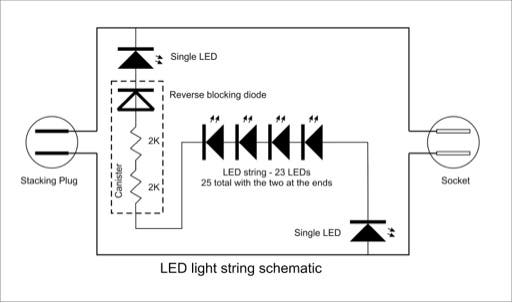
If some bulbs don’t light, check for loose wire connections or damaged sockets near the cut area. A multimeter can help detect breaks in the circuit you can’t see with the naked eye.
Sometimes, a single bad bulb can cause a whole section to fail. Try swapping out suspicious bulbs with known working ones to isolate the problem. Also, ensure you used proper connectors and insulated them well; exposed wires often cause shorts or flickering.
Have you ever experienced a section of lights going dark after rewiring? It’s usually a sign of a missed wire or a faulty splice. Double-check your soldering or crimps carefully. Don’t rush this step—your safety and the lights’ longevity depend on it.
Credit: www.diychatroom.com
Tips For Maintaining Shortened Lights
Maintaining shortened Christmas lights keeps them safe and lasting longer. Proper care prevents damage and ensures bright, working lights each holiday season. Simple habits help protect the wires and bulbs from wear and tear.
Proper Storage
Store lights in a cool, dry place to avoid moisture damage. Wrap them gently around a spool or cardboard to stop tangling. Avoid tight knots that can break wires or bulbs. Use a plastic container or box to keep dust away. Label the container for easy finding next year.
Regular Inspection
Check lights before and after use to spot broken bulbs or frayed wires. Replace any damaged bulbs promptly to keep the whole string working. Look for loose connections or exposed wires that can cause shorts. Test the lights by plugging them in to ensure they shine brightly. Fix small problems early to avoid larger issues later.
Frequently Asked Questions
How Can I Safely Shorten Christmas Lights?
To shorten Christmas lights safely, unplug them first. Use wire cutters to trim excess wire. Avoid cutting through bulbs or sockets. Seal exposed wires with electrical tape or heat shrink tubing to prevent shorts and maintain safety.
Can I Remove Bulbs To Shorten Light Strings?
Removing bulbs is not recommended as it can damage the circuit. Instead, cut and rejoin the wire properly to shorten the string while keeping all bulbs intact.
What Tools Do I Need To Shorten Christmas Lights?
You will need wire cutters, electrical tape or heat shrink tubing, and a wire stripper. Optionally, use a multimeter to check connections after shortening for safety.
Will Shortening Affect Christmas Light Functionality?
If done correctly, shortening won’t affect light functionality. Properly insulate cut ends and maintain circuit integrity to ensure the lights work safely and efficiently.
Conclusion
Shortening Christmas lights is simple with the right steps. Measure carefully before cutting to avoid mistakes. Use wire cutters and electrical tape for safety. Keep connections tight to prevent flickering or breaks. Store unused parts safely for next year’s use.
Enjoy a neat, tidy light display that fits your space. Brighten your home without extra hassle or waste. Follow these tips to make your holiday decorating easier and more fun.



