
Have you ever wondered if that regular desk lamp sitting on your table could help your plants grow? If you’re trying to keep your green friends healthy but don’t have enough natural sunlight, this question probably crosses your mind.
You want to give your plants the best care, but is a simple desk lamp enough? Keep reading to find out the surprising truth about how your everyday lamp affects your plants and what you can do to help them thrive.
This could change the way you care for your indoor garden!
How Plants Use Light
Plants rely on light as their main energy source. They absorb light to make food and grow strong. Understanding how plants use light helps us know if a regular desk lamp can support their growth.
Photosynthesis Basics
Plants turn light into energy through photosynthesis. Chlorophyll in leaves captures sunlight. This energy converts carbon dioxide and water into sugars. These sugars feed the plant and help it grow. Light is essential for this food-making process.
Light Spectrum And Plant Growth
Plants respond to different colors of light. Blue and red light affect growth the most. Blue light encourages leaves to grow wide and strong. Red light helps plants bloom and produce fruit. Regular desk lamps usually lack these specific colors.
Intensity And Duration Effects
Light must be bright enough for photosynthesis. Weak light slows down plant growth. Plants also need light for several hours daily. Too little light makes plants weak and leggy. Too much light can cause leaf damage. Finding the right balance is key.

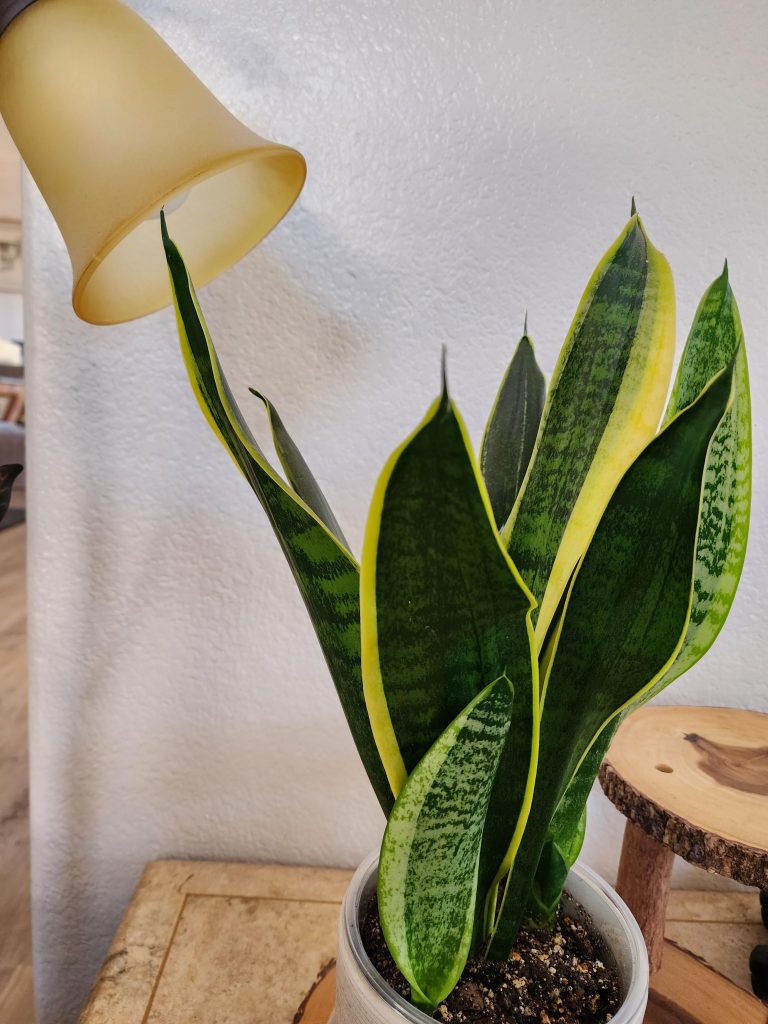
Credit: www.succulentsandsunshine.com
Desk Lamps Vs. Grow Lights
Choosing between a regular desk lamp and a grow light can be confusing if you want to help your plants thrive indoors. Both provide light, but not all light is equally useful for plant growth. Understanding their differences can save you time, money, and frustration.
Types Of Desk Lamps
Desk lamps come in many styles, from traditional incandescent bulbs to modern LEDs. Most use bulbs designed for human comfort, focusing on warm or cool light that’s easy on your eyes.
These lamps typically don’t produce the right spectrum or intensity of light that plants need to photosynthesize effectively. If you’ve ever tried using a desk lamp to grow a plant, you might have noticed slow growth or yellowing leaves.
What Grow Lights Offer
Grow lights are made specifically to support plant growth by providing light in the spectrum plants absorb best, mainly blue and red wavelengths. This targeted light helps plants make energy more efficiently.
Many grow lights also offer adjustable settings, allowing you to change intensity and duration, which is crucial for different plant types and growth stages. Using grow lights can make a noticeable difference if your space lacks natural sunlight.
Comparing Light Quality
| Feature | Desk Lamps | Grow Lights |
|---|---|---|
| Light Spectrum | General, often warm or cool white | Optimized for blue and red light |
| Intensity | Low to moderate, suitable for reading | High, tailored for photosynthesis |
| Adjustability | Limited or none | Often adjustable for different plant needs |
| Energy Efficiency | Varies, often less efficient | Designed for efficient plant growth |
Ask yourself: is your desk lamp really giving your plants what they need, or just enough light to see by? If you want vibrant, healthy plants, investing in a grow light designed for their needs usually pays off.
Can Desk Lamps Support Plant Growth?
Can a regular desk lamp help plants grow? This question intrigues many indoor gardeners. While desk lamps aren’t designed for plant growth, they offer some benefits. Let’s explore how they can support plant growth.
Effectiveness For Different Plants
Desk lamps have varied effects on different plants. Succulents and low-light plants thrive under desk lamps. These plants need less intense light. Herbs and flowering plants need more light. A desk lamp may not suffice. It’s crucial to know your plant’s light needs.
Limitations Of Regular Desk Lamps
Regular desk lamps have limitations in plant growth. They emit limited light wavelengths. Plants need full-spectrum light for photosynthesis. Desk lamps often lack this range. Their light intensity is usually lower too. This affects plant growth efficiency. Consider these factors before using a desk lamp.
Potential Benefits In Low Light
Desk lamps can help in low-light conditions. They provide a light boost indoors. This is useful during winter months. When natural light is scarce, desk lamps can aid. They help maintain plant health. Use them as a supplementary light source. This can benefit your indoor garden.
Optimizing Desk Lamp Use For Plants
Using a regular desk lamp to help your plants grow can be a smart move if done right. Simply turning on a lamp isn’t enough—you need to understand how to optimize its use so your plants actually benefit. Let’s dive into practical tips that can make your desk lamp a useful growth tool rather than just a light source.
Choosing The Right Bulb
Not all bulbs are created equal when it comes to plant growth. You want a bulb that emits light in the blue and red spectrum since these wavelengths are key for photosynthesis.
LED grow lights or full-spectrum bulbs work well and don’t heat up like incandescent bulbs. I once used a regular warm white bulb, and my plants barely responded. Switching to a daylight LED made a noticeable difference within weeks.
Placement And Timing Tips
Where you place the lamp matters just as much as the bulb. Position your lamp about 12 to 18 inches above the plant to provide adequate light without burning leaves.
Timing is crucial too. Most plants need about 12-16 hours of light daily. Using a timer can help you maintain consistency, which your plants will thank you for.
Combining With Natural Light
Desk lamps work best when they supplement natural light, not replace it entirely. If your plant receives some sunlight during the day, use the desk lamp during darker hours to extend the light exposure.
Have you noticed your plant thriving better near a window combined with lamp light? That’s because this mix mimics natural conditions more closely, helping your plant grow stronger and healthier.
Experiments And Real-life Examples
Exploring experiments and real-life examples reveals how regular desk lamps affect plant growth. These examples show what happens when plants receive light from common lamps instead of specialized grow lights. Understanding these outcomes helps gardeners decide on lighting choices for their indoor plants.
Case Studies
Several case studies tested desk lamps on different plants. In one study, houseplants under LED desk lamps showed limited growth. The light intensity and spectrum from regular lamps often fall short for photosynthesis.
Another case involved placing succulents near fluorescent desk lamps. These plants survived but grew slower than those under natural sunlight. The results suggest desk lamps can support plants but not optimize growth.
Home Gardening Success Stories
Home gardeners report mixed success using desk lamps for indoor plants. Some noticed their herbs stayed alive and healthy under a desk lamp for weeks. Others found their plants became leggy or weak.
Success often depends on lamp type and duration of light exposure. Plants need enough light hours and proper light color. Many gardeners combine desk lamps with natural light to improve plant health.
Scientific Research Insights
Research shows plant growth depends on light wavelength and intensity. Desk lamps usually emit light in narrow ranges, missing important wavelengths plants need. Blue and red light support photosynthesis best.
Studies confirm that most desk lamps do not provide enough light intensity. Plants exposed to desk lamp light alone often show slower growth or leaf discoloration.
Scientists recommend using full-spectrum or grow-specific lights for better results. Desk lamps can help in low light, but they are not ideal for long-term growth.
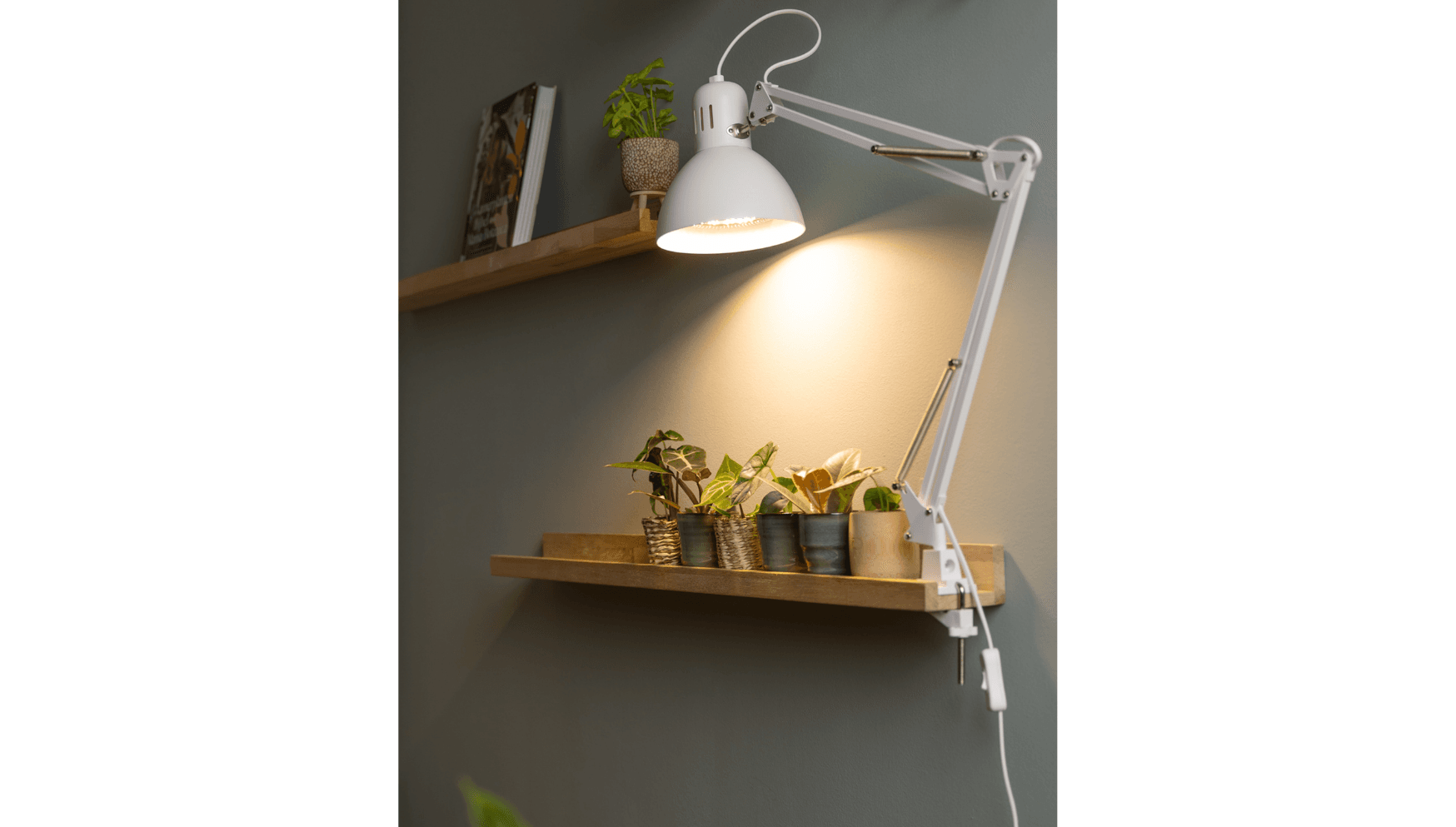
Credit: plnts.com
Alternatives To Desk Lamps For Plant Care
Regular desk lamps often lack the right light spectrum for plant growth. Plants need specific light types to photosynthesize and thrive. Alternatives to desk lamps offer better light quality and energy efficiency. These options help plants get the light they need indoors.
Affordable Grow Light Options
Grow lights come in various affordable forms. LED grow lights use less energy and last longer. Fluorescent lights are also budget-friendly and effective. These lights provide the right spectrum for healthy plant growth. They are easy to set up and adjust.
Natural Light Enhancements
Natural light is ideal for plants. Position plants near windows with good sunlight. Use sheer curtains to diffuse harsh light. Reflective surfaces like mirrors can boost light around plants. Rotate plants regularly to ensure even light exposure.
Other Indoor Lighting Solutions
Ceiling lights with daylight bulbs help plants grow indoors. Compact fluorescent bulbs mimic natural light well. Smart bulbs allow control over light color and intensity. These options are easy to integrate into home lighting setups. They keep plants healthy without extra equipment.

Credit: www.reddit.com
Frequently Asked Questions
Can A Regular Desk Lamp Support Plant Growth?
A regular desk lamp usually lacks the full light spectrum plants need. It may provide some brightness but not enough for healthy growth. Specialized grow lights are better as they offer the right wavelengths for photosynthesis. Use desk lamps only for low-light plants or short periods.
What Type Of Light Do Plants Need To Grow?
Plants need light in the blue and red spectrum for photosynthesis. Natural sunlight is ideal, but grow lights mimic this spectrum well. Regular desk lamps mostly emit yellow or white light, which is less effective. Proper light ensures strong stems, vibrant leaves, and healthy growth.
How Long Should Plants Be Under Artificial Light?
Most plants require 12 to 16 hours of light daily for optimal growth. Too little light slows growth, while too much can stress plants. Using a timer helps maintain a consistent light schedule. Regular desk lamps often don’t provide enough intensity regardless of duration.
Are Led Desk Lamps Good For Growing Plants?
Standard LED desk lamps are not designed for plant growth. They often lack the necessary red and blue wavelengths. However, specialized LED grow lamps emit the correct spectrum and intensity. Choose grow-specific LEDs for better plant health and faster growth.
Conclusion
A regular desk lamp can provide some light for plants. But it usually does not give the right type of light plants need. Plants grow best with sunlight or special grow lights. Desk lamps often lack enough brightness and the right colors.
Still, they might help small or low-light plants a little. For healthy growth, choose lights made for plants. This way, your plants get the energy to thrive and stay green. Simple lighting matters a lot for happy, growing plants.



