
Choosing the right desk lamp isn’t just about style—it’s about making sure your workspace feels comfortable and helps you focus. But how do you know if your lamp is bright enough?
Understanding how many lumens you need for your desk lamp can make a huge difference in reducing eye strain and boosting your productivity. You’ll discover the perfect brightness level tailored to your tasks and space, so you can work smarter and feel better every day.
Keep reading to find out exactly what you need to light up your work zone just right.
Credit: citylightssf.com
Lumens And Brightness
Understanding the relationship between lumens and brightness is key when choosing the right desk lamp. Brightness is not just about how strong the light looks but how well it lights up your workspace without causing strain. Knowing what lumens measure can help you pick a lamp that matches your specific needs.
What Are Lumens
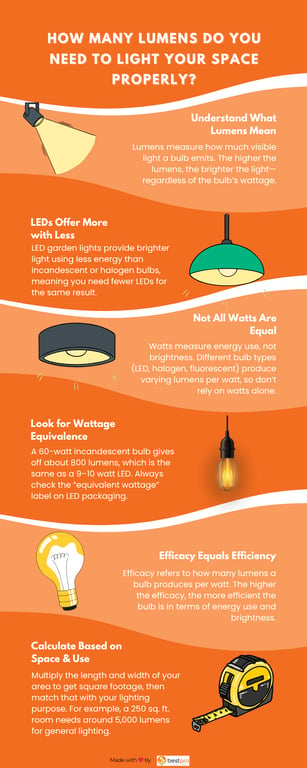
Lumens measure the total amount of visible light a lamp emits. The higher the lumens, the brighter the light will be. Unlike watts, which measure energy usage, lumens tell you how much light you actually get.
Think about the last time you struggled to read or work at your desk. Chances are, your lamp didn’t produce enough lumens. Choosing a lamp with the right lumen output can make your workspace more comfortable and productive.
Lumens Vs Watts
Watts used to be the go-to for estimating brightness, but they only measure energy consumption. Two bulbs with the same wattage can have very different brightness levels depending on technology.
LED and CFL bulbs, for example, use fewer watts but produce more lumens than traditional incandescent bulbs. So, instead of focusing on watts, check the lumens to understand how bright a lamp really is.
| Bulb Type | Watts | Lumens | Brightness Level |
|---|---|---|---|
| Incandescent | 60 W | 800 lm | Standard Brightness |
| LED | 10 W | 800 lm | Standard Brightness |
| CFL | 13-15 W | 800 lm | Standard Brightness |
Would you rather save energy or just pick the brightest lamp? Now that you know lumens matter more than watts, you can choose a desk lamp that fits your work habits and lighting preferences perfectly.
Ideal Lumens For Desk Lamps
Choosing the right brightness for a desk lamp matters a lot. The ideal lumens depend on what you use the lamp for. Brightness affects your comfort and productivity. Too dim, and you might strain your eyes. Too bright, and it can cause glare or headaches. Understanding lumens helps you pick the best light for your workspace.
General Brightness Range
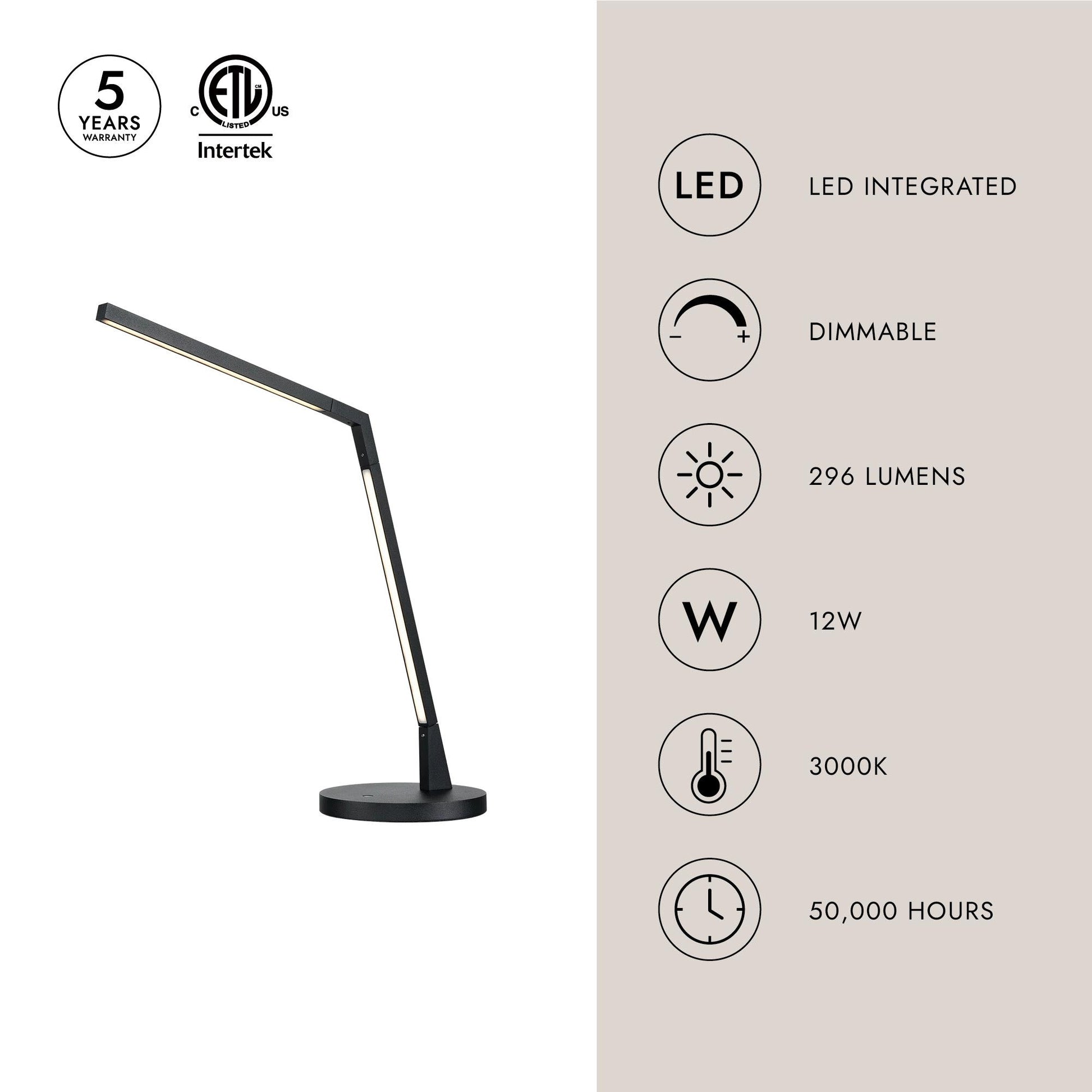
For general desk use, a lamp with 400 to 800 lumens is good. This range offers enough light for reading, writing, and computer work. It creates a soft, comfortable glow without being too harsh. Many desk lamps fall into this category, making them versatile for most tasks.
Task-specific Lumens
Different tasks need different brightness levels. Detailed work like drawing or crafting requires more light. Aim for lamps with 800 to 1200 lumens in such cases. This brightness helps you see details clearly and reduces eye fatigue.
For simple tasks like checking notes or casual reading, 300 to 500 lumens can work well. This lower brightness avoids glare and keeps the area cozy. Adjust your lamp according to the task to maintain comfort and efficiency.
Factors Affecting Brightness Needs
Brightness needs vary based on tasks, desk size, and ambient light. Reading or detailed work requires more lumens than casual use. Personal comfort and lamp placement also impact how much light you need.
Understanding how many lumens you need for a desk lamp can be tricky. Several factors affect the brightness requirements, and tailoring them to your specific needs can make all the difference. Let’s explore these factors to help you make an informed decision.Desk Size And Surface
The size of your desk plays a crucial role in determining the brightness you need. A larger desk may require a lamp with higher lumens to cover the entire area adequately. If your desk surface is dark, it will absorb more light, necessitating a brighter lamp. Consider a small desk in a home office; a 450-lumen lamp might be perfect. On the other hand, if you have a spacious workbench, you might need lamps with up to 1000 lumens to ensure even lighting.Room Lighting Conditions
Room lighting conditions dramatically influence your desk lamp needs. If your workspace is well-lit by natural light, a lamp with fewer lumens may suffice. However, in a dimly lit room, a brighter lamp will be necessary to avoid straining your eyes. Think about your work environment. Does your room have large windows or overhead lighting? A dim corner might require a 800-lumen lamp, while a sunlit area could do with just 300 lumens.Personal Preferences
Your personal preferences also matter when choosing the right brightness for your desk lamp. Some people prefer a soft glow for a cozy ambiance, while others need a bright light for detailed tasks. Ask yourself what feels comfortable and efficient for your work style. A student studying at night might prefer a higher lumen count to stay alert, whereas a designer might need adjustable brightness to match different project requirements. By considering these factors, you can find the perfect balance of lumens for your desk lamp, enhancing both comfort and productivity. Are you ready to make the right choice for your workspace?
Credit: www.nytimes.com
Choosing The Right Bulb
Choosing the right bulb for your desk lamp affects not just the brightness but also your comfort and productivity. The type of bulb and its color temperature can make a big difference in how well you see and how your eyes feel after long hours of work. Let’s break down what you should consider to pick the perfect bulb for your needs.
Led Vs Incandescent
LED bulbs use less energy and last much longer than incandescent ones. They provide bright light without heating up your workspace, which keeps your desk comfortable during long sessions.
Incandescent bulbs give a warm, familiar glow but consume more electricity and burn out faster. If you want a bulb that saves money over time and offers consistent brightness, LED is usually the better choice.
Have you noticed how LED bulbs come in different brightness levels? This lets you pick exactly how much light you want on your desk, unlike incandescent bulbs which often have limited options.
Color Temperature Impact
Color temperature influences how the light feels on your eyes. Cooler temperatures (around 5000K-6500K) mimic daylight and keep you alert, making them ideal for focused tasks.
Warmer temperatures (2700K-3000K) create a cozy atmosphere but might make you feel sleepy if used during work hours. Think about what type of work you do and when you use your desk lamp.
Would you rather have a bulb that helps you concentrate or one that makes your space inviting? Choosing the right color temperature can support your workflow and reduce eye strain.
Adjustable Brightness Options
Adjustable brightness is key for a desk lamp. It lets you set the perfect light for reading, working, or relaxing. Changing brightness reduces eye strain and saves energy. You get more control over your workspace lighting.
Dimmable Lamps
Dimmable lamps allow you to change the light intensity easily. A simple dial or button controls brightness levels. You can switch from bright white light to soft warm glow. This flexibility suits different tasks throughout the day.
Using dimmable lamps helps create the right mood. Bright light boosts focus, while dim light calms your eyes. These lamps often use LED bulbs, which last longer and use less power.
Smart Lighting Controls
Smart desk lamps offer advanced brightness control through apps or voice commands. You can adjust brightness without touching the lamp. Set schedules for your lamp to turn on or off automatically.
Many smart lamps include preset modes for reading, studying, or relaxing. Some sync with your phone’s daylight settings for natural light changes. This feature improves comfort and productivity all day.
Common Mistakes To Avoid
Choosing the right brightness for your desk lamp is crucial. Many make simple mistakes that affect comfort and productivity. Avoiding these errors improves your lighting experience and protects your eyes.
Too Bright Or Too Dim
Using a lamp that is too bright causes glare and eye strain. It can make reading or screen work uncomfortable. On the other hand, a lamp that is too dim forces your eyes to work harder. This leads to fatigue and headaches. Aim for balanced light that suits your tasks and room size.
Ignoring Eye Comfort
Light color temperature matters for eye comfort. Harsh, cool light can cause dryness and irritation. Warm light creates a relaxing atmosphere and reduces strain. Also, avoid flickering bulbs, which distract and tire your eyes. Choose steady, soft light to keep your eyes healthy during long work hours.
Credit: www.nytimes.com
Frequently Asked Questions
How Many Lumens Are Ideal For A Desk Lamp?
For general desk work, 450 to 800 lumens is ideal. This range provides bright, comfortable lighting without causing eye strain. Choose higher lumens for detailed tasks like reading or crafting to enhance visibility and focus.
Does Desk Lamp Size Affect Lumen Needs?
Yes, larger desks need higher lumens to cover more area. Small desks require fewer lumens as light spreads easily. Match your lamp’s lumen output to your desk size for balanced, efficient lighting.
What Lumen Level Suits Reading At A Desk?
Reading typically requires 450 to 600 lumens for clear, focused light. This brightness level reduces eye fatigue and improves concentration. Use adjustable lamps to customize lighting based on ambient light conditions.
Can Too Many Lumens Harm Your Eyes?
Excessive lumens can cause glare and discomfort, leading to eye strain. It’s best to use a desk lamp with adjustable brightness. This helps maintain optimal lighting tailored to your task and environment.
Conclusion
Choosing the right lumens makes your desk lamp useful and comfortable. Brightness depends on tasks you do, like reading or writing. Too much light can hurt your eyes, too little can cause strain. Aim for 450 to 800 lumens for most desk work.
Adjust brightness if you need softer or stronger light. Good lighting helps you focus and reduces tiredness. Remember, simple choices bring better comfort and productivity. Your eyes will thank you for the right glow.



